


Trump's DOJ Threatens U.S. Senator With Legal Consequences — as Explosive Letters Expose White House Ballroom Donor Showdown

Donald Trump and Sen. Richard Blumenthal are at the center of an explosive DOJ dispute over White House ballroom donors.
Nov. 12 2026, Published 6:30 p.m. ET


President Donald Trump's Justice Department has sparked a fierce political showdown after a federal prosecutor warned a sitting U.S. senator of potential legal consequences over his investigation into donors funding the president's controversial White House ballroom project, RadarOnline.com can reveal.
According to two explosive letters dated November 11 and reviewed by Radar, U.S. Attorney Aaron Reitz accused Democratic Senator Richard Blumenthal of intimidating Americans associated with Trump, prompting the Connecticut lawmaker to fire back with accusations of political retaliation.
DOJ Issues Stark Warning


U.S. Attorney Aaron Reitz (above) warned Richard Blumenthal of potential legal consequences.
In a letter bearing the official seal of the U.S. Department of Justice, Reitz accused Blumenthal of targeting private citizens because of their connections to the president. "In recent weeks you have threatened citizens for associating themselves with the President and other public officials," Reitz wrote.
The prosecutor also accused the senator of using government authority to intimidate individuals participating in philanthropic projects.
Reitz's letter referenced two federal criminal statutes, 18 U.S.C. Sections 241 and 242, which address conspiracy against constitutional rights and deprivation of rights under color of law. The letter did not announce criminal charges against Blumenthal.
Instead, Reitz formally demanded that the senator preserve documents, electronic communications, and other potentially relevant evidence connected to his investigative activities.
Federal Prosecutor Sets Deadline
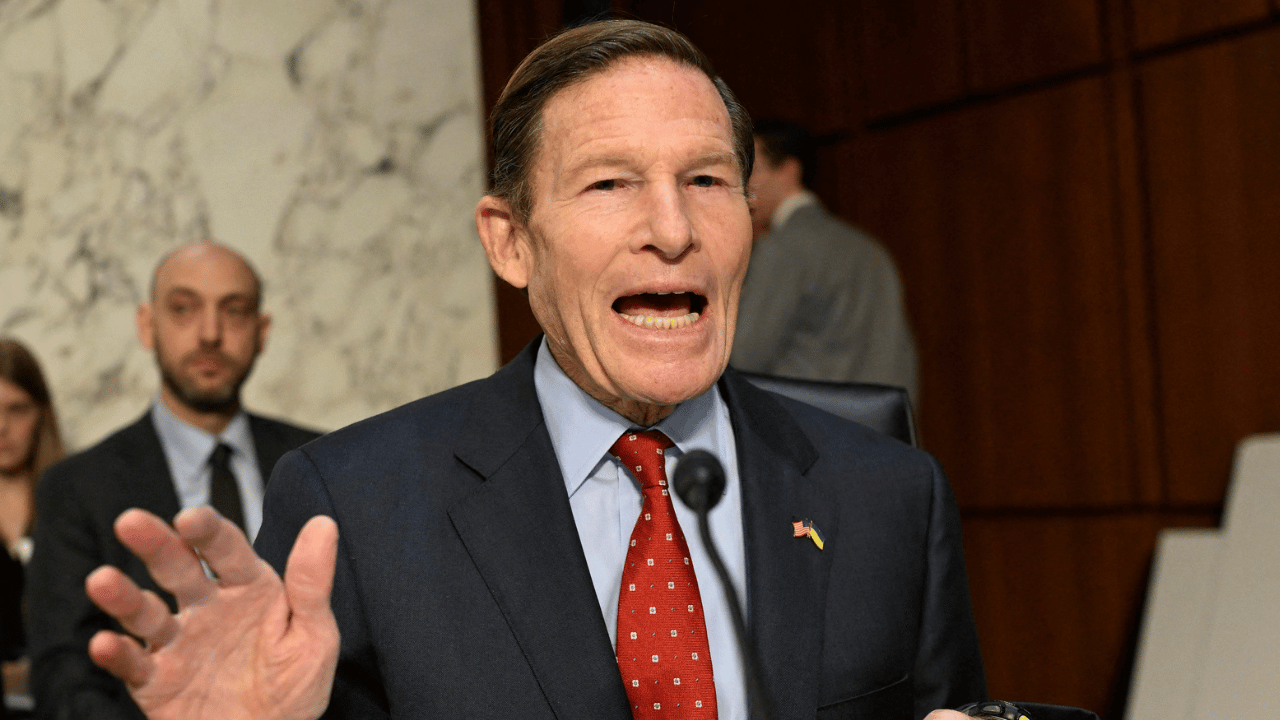
Sen. Blumenthal accused Trump's administration of political intimidation.
Reitz warned that failing to preserve the requested materials could result in sanctions or other legal consequences. The demand extended beyond Blumenthal himself to include staff members, employees, consultants, campaign personnel, and individuals acting on his behalf.
The federal prosecutor ordered Blumenthal to confirm in writing by 6 p.m. Eastern Time on November 18 that he had received the notice and taken steps to preserve relevant records.
The confrontation follows Blumenthal's scrutiny of donors contributing to Trump's White House ballroom project.
The senator has questioned whether corporate contributions could create conflicts of interest involving companies seeking favorable treatment from the federal government.
Senator Fires Back
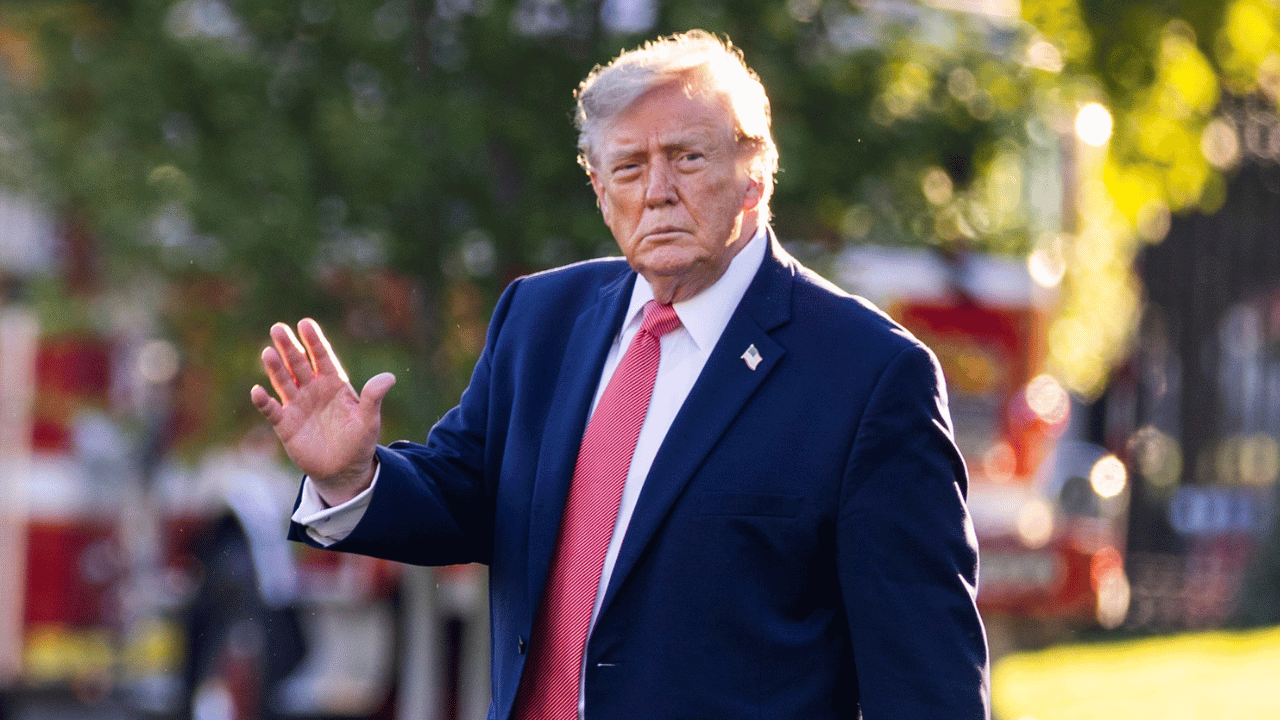
Trump's White House ballroom donors are facing congressional scrutiny.
Blumenthal responded with his own sharply worded letter to Reitz, accusing the administration of attempting to interfere with constitutionally protected congressional oversight. "Your implied threat of an investigation is baseless," Blumenthal declared.
The senator, who serves as ranking member of the Senate Permanent Subcommittee on Investigations, insisted he would continue examining the administration's relationships with major corporate donors.
He said his investigations included questions about whether companies contributing millions to presidential projects received favorable treatment involving lawsuits, contracts, or regulatory enforcement. Blumenthal also rejected the suggestion that his investigative activities amounted to unlawful intimidation.
White House Records Targeted

Never Miss an

Daily updates from the heart of Hollywood, right to your inbox
By entering your email and clicking Sign Up, you’re agreeing to let us send you customized marketing messages about us and our advertising partners. You are also agreeing to our Terms of Service and Privacy Policy.
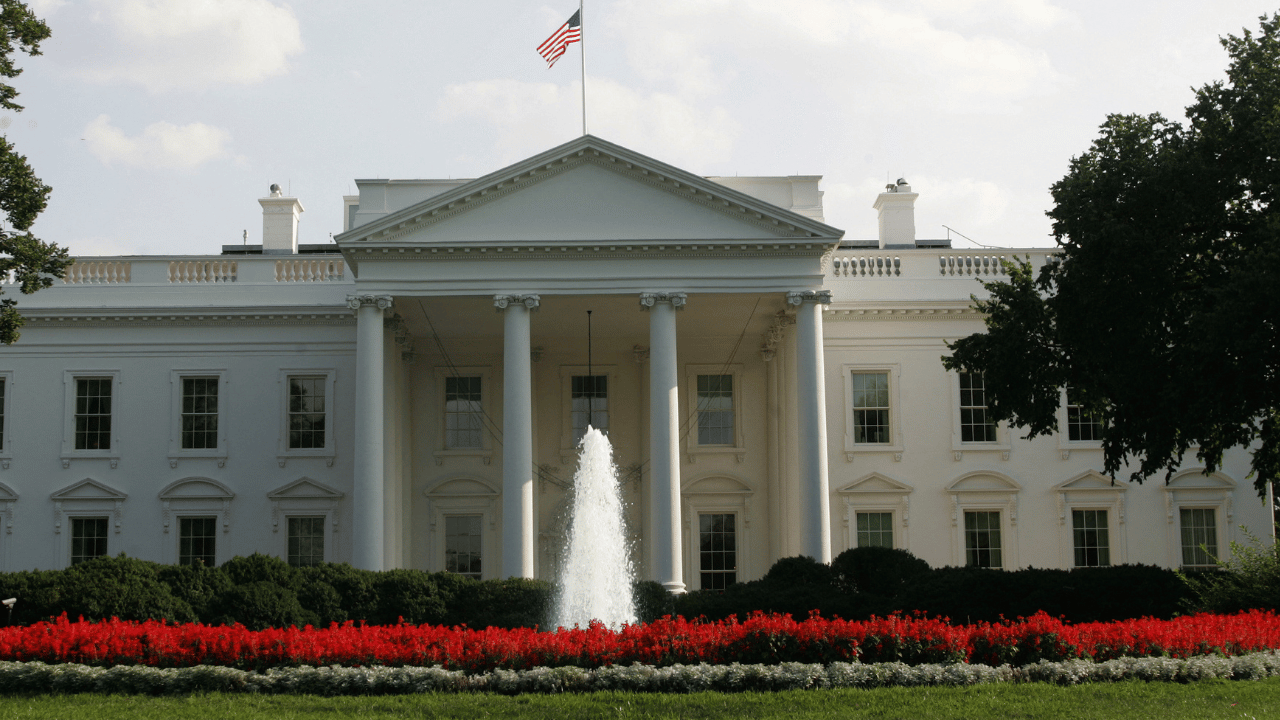
Blumenthal demanded that DOJ preserve communications involving White House officials.
In a striking reversal, Blumenthal issued his own preservation demand to the federal prosecutor. The senator instructed Reitz to retain communications involving White House officials and senior Justice Department leadership, including records concerning the decision to draft and publicly release the prosecutor's letter.
Blumenthal suggested those communications could become relevant to determining whether administration officials had attempted to obstruct legitimate congressional oversight.
The dueling demands have intensified questions surrounding the administration's relationship with private donors and the limits of congressional investigative authority. Neither letter establishes that criminal wrongdoing occurred. But with Reitz's November 18 deadline approaching, the escalating confrontation could set the stage for another high-profile legal and political battle between Trump's Justice Department and congressional Democrats.
