


EXCLUSIVE: Trump Scores Major Court Victory Against New York Times as Judge Allows Tax Fraud Defamation Claims to Proceed

President Donald Trump's legal battle with 'The New York Times' will advance.
Nov. 19 2026, Published 5:00 p.m. ET


President Donald Trump has scored a significant legal victory in his ongoing defamation battle against The New York Times after a federal judge allowed key claims involving allegations of tax fraud, financial misconduct and Mafia ties to move forward, RadarOnline.com can reveal.
According to court documents obtained by Radar, U.S. District Judge Steven Merryday issued a 12-page ruling on November 19, rejecting efforts by The New York Times and other defendants to dismiss four counts of Trump's lawsuit while throwing out two others.
Judge Allows Trump's Key Defamation Claims to Survive

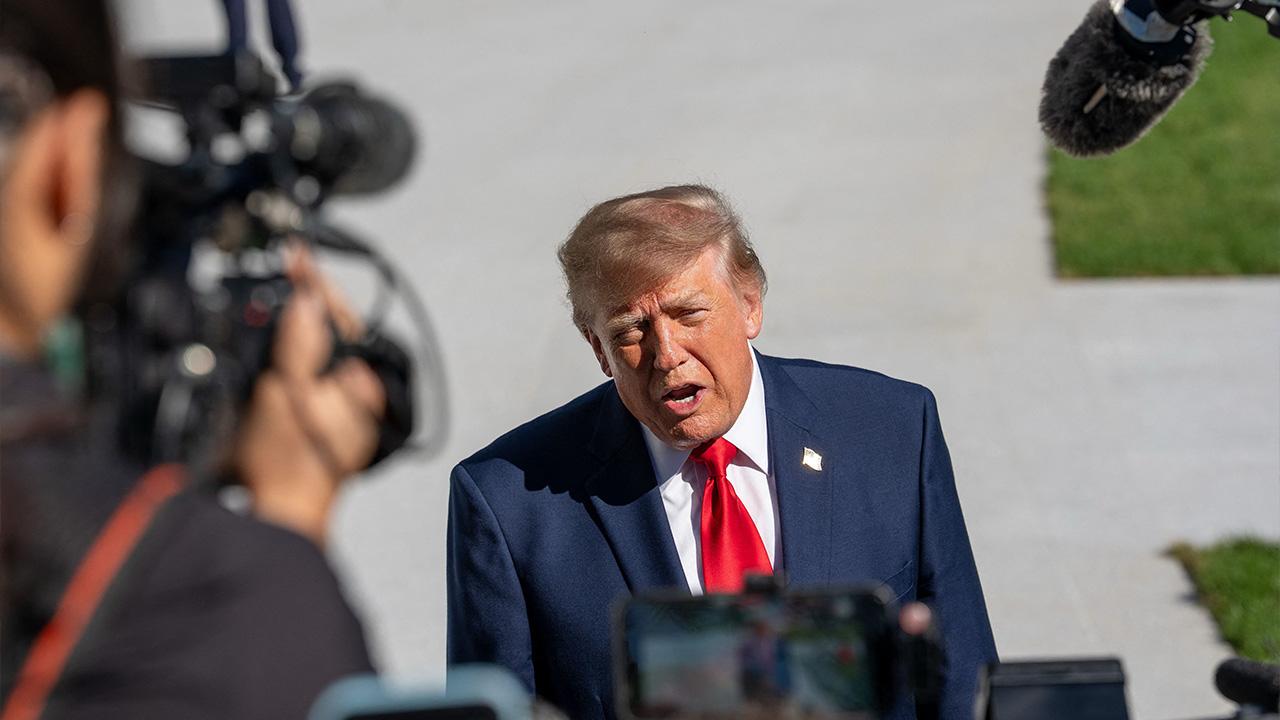
Trump's lawsuit challenges reporting involving alleged tax fraud and financial misconduct.
The decision keeps alive several claims stemming from reporting about Trump's finances, including allegations published in the book Lucky Loser, written by journalists Russ Buettner and Susanne Craig.
The ruling marks a significant development in the president's legal fight against the newspaper, with the court determining that seven challenged statements could support a plausible inference of actual malice.
Among the disputed passages were allegations that Trump received more than $400million from his father through purported tax evasion schemes and benefited from financial arrangements allegedly designed to avoid gift and estate taxes.
Another challenged statement concerned claims that authorities investigated Trump's alleged Mafia connections and found violations involving money laundering and stock-trading rules. The judge did not determine whether those allegations were false or defamatory. Instead, he concluded Trump's complaint contained sufficient allegations to allow the surviving claims to proceed.
Judge Raises Questions Over Tax Fraud Allegations
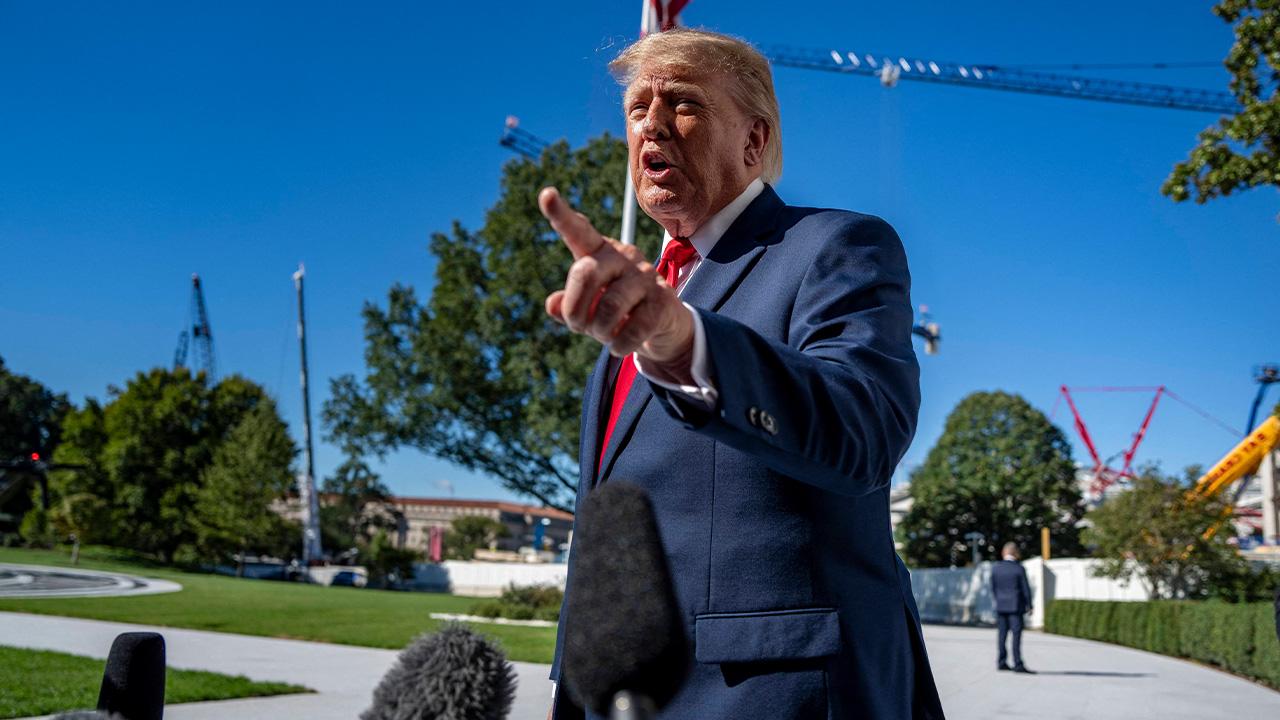
A judge questioned the evidence behind Trump's alleged financial crimes.
In particularly pointed language, the judge questioned whether the journalists and publishers possessed adequate expert analysis to support accusations involving complicated financial crimes.
The defendants argued that their reporting involved extensive research, including approximately 100,000 pages of financial statements, tax returns, banking records, and legal documents. They also pointed to consultations with tax and legal experts.
However, the judge distinguished those consultations from a definitive legal assessment establishing that criminal wrongdoing had occurred. He wrote that characterizing a transaction as suspicious or suggesting it could violate the law was insufficient, by itself, to eliminate serious doubts about accusations of criminal conduct.
'They Know That They Don't Know'

The president's family fortune and financial dealings are central to the disputed allegations.
One of the ruling's most striking passages addressed the importance of obtaining qualified expert opinions before publishing allegations involving complex criminal activity.
The judge wrote that journalists who knowingly failed to obtain necessary expert analysis could be engaging in the purposeful avoidance of the truth. "They know that they don't know, but they are undeterred," he declared. The language provides a potentially consequential development in Trump's attempt to overcome the demanding legal protections afforded to journalists reporting on public officials.
Under longstanding Supreme Court precedent, public officials must establish actual malice, meaning knowledge of falsity or reckless disregard for the truth.


New York Times Faces Next Round

Never Miss an

Daily updates from the heart of Hollywood, right to your inbox
By entering your email and clicking Sign Up, you’re agreeing to let us send you customized marketing messages about us and our advertising partners. You are also agreeing to our Terms of Service and Privacy Policy.
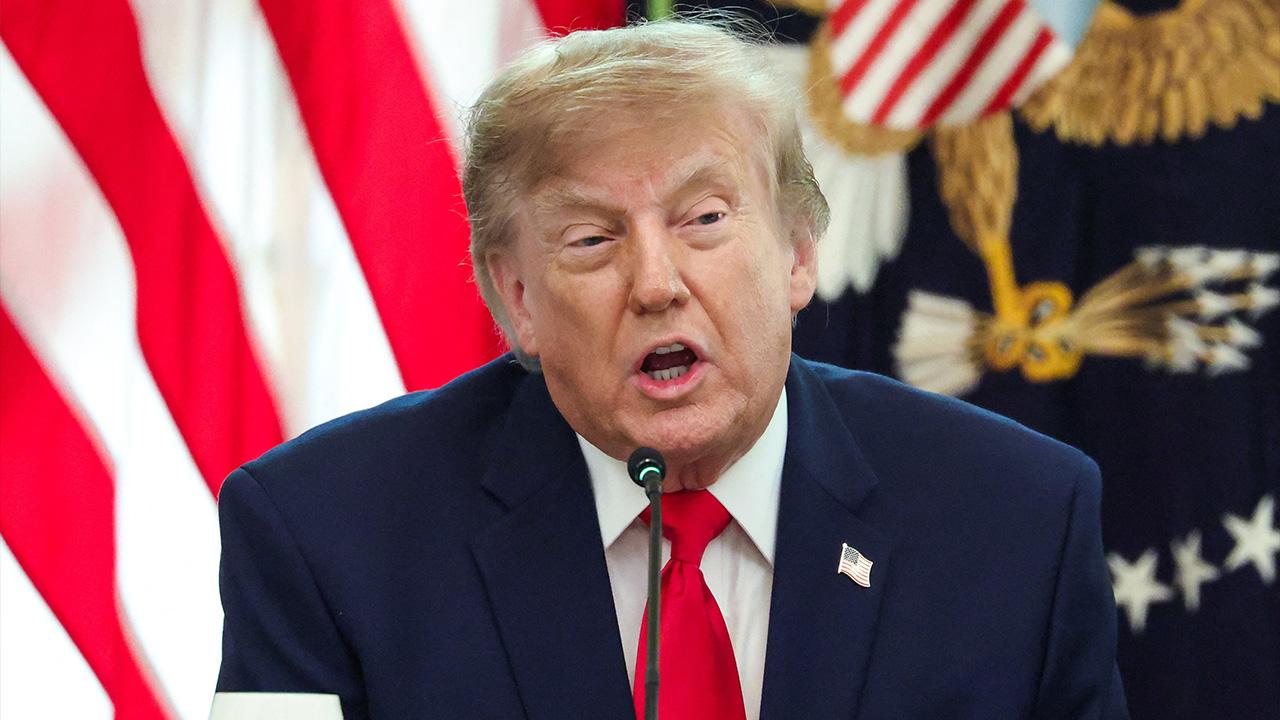
The defendants have 28 days to respond to the surviving defamation claims.
Despite Trump's partial victory, the judge dismissed two counts and ruled that 27 other challenged statements could not proceed as actionable defamation claims.
The court also denied Trump's request to amend his complaint again. The defendants now have 28 days to answer the surviving allegations.
The ruling does not establish that The New York Times or its journalists committed defamation, but it ensures that Trump's legal battle over the disputed reporting will continue.
