


EXCLUSIVE: Donald Trump's Citizenship Crackdown Put American-Born Babies at Risk of Deportation — as Federal Judge Blocks Executive Order

Trump's birthright citizenship crackdown put certain American-born babies at risk of deportation.
Nov. 27 2026, Published 5:30 p.m. ET


President Donald Trump's immigration crackdown threatened to leave certain American-born babies vulnerable to deportation before a federal judge intervened, blocking enforcement of his latest attempt to restrict birthright citizenship against a class of affected children, RadarOnline.com can reveal.
According to court documents obtained by Radar, U.S. District Judge Christopher Cooper issued a 67-page ruling on November 25 blocking the administration's efforts to deny citizenship to certain U.S.-born children.
Trump's Second Citizenship Crackdown

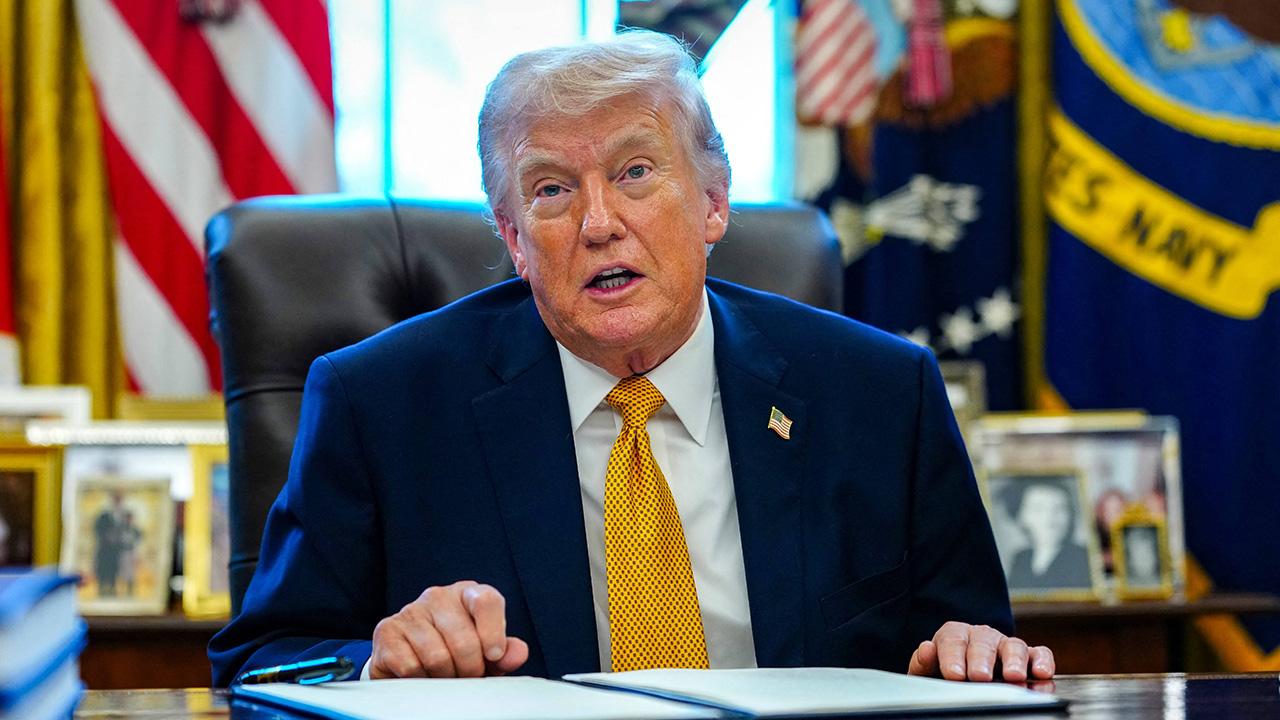
Trump issued a second executive order restricting birthright citizenship in August.
The decision comes after the Supreme Court rejected Trump's previous attempt to restrict birthright citizenship for children born to parents temporarily or unlawfully residing in the United States.
Despite that legal setback, Trump issued a second executive order on August 6, titled "Continuing to Protect the Meaning and Value of American Citizenship."
The new order targeted additional categories of children whose parents are not American citizens, including certain babies born through commercial surrogacy arrangements and children whose parents are suspected of belonging to designated terrorist organizations or gangs.
Children of certain foreign government employees and international organization workers were also affected. However, court documents also reveal the potential deportation of American-born children.
Babies Face Deportation Risks
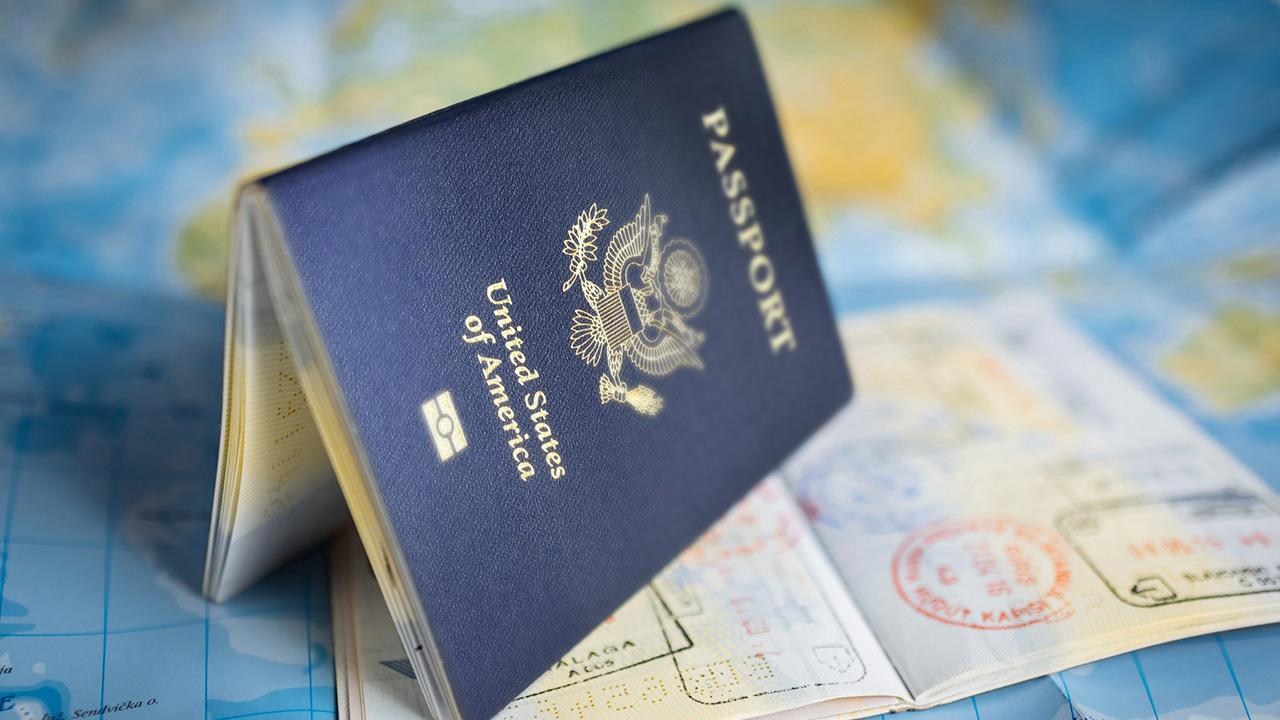
Affected children could be denied U.S. passports and Social Security numbers.
The Department of Homeland Security (DHS), led by Secretary Markwayne Mullin, issued a rule implementing portions of Trump's executive order, warning that children denied citizenship "may . . . be subject to removal from the United States."
The policy also threatened access to passports and Social Security numbers.
Under guidance issued by the Social Security Administration, an American birth certificate would no longer be sufficient proof of citizenship for individuals covered by the executive order. Meanwhile, the State Department required certain noncitizen parents applying for passports for their children to submit statements under penalty of perjury.
Families Fight Back
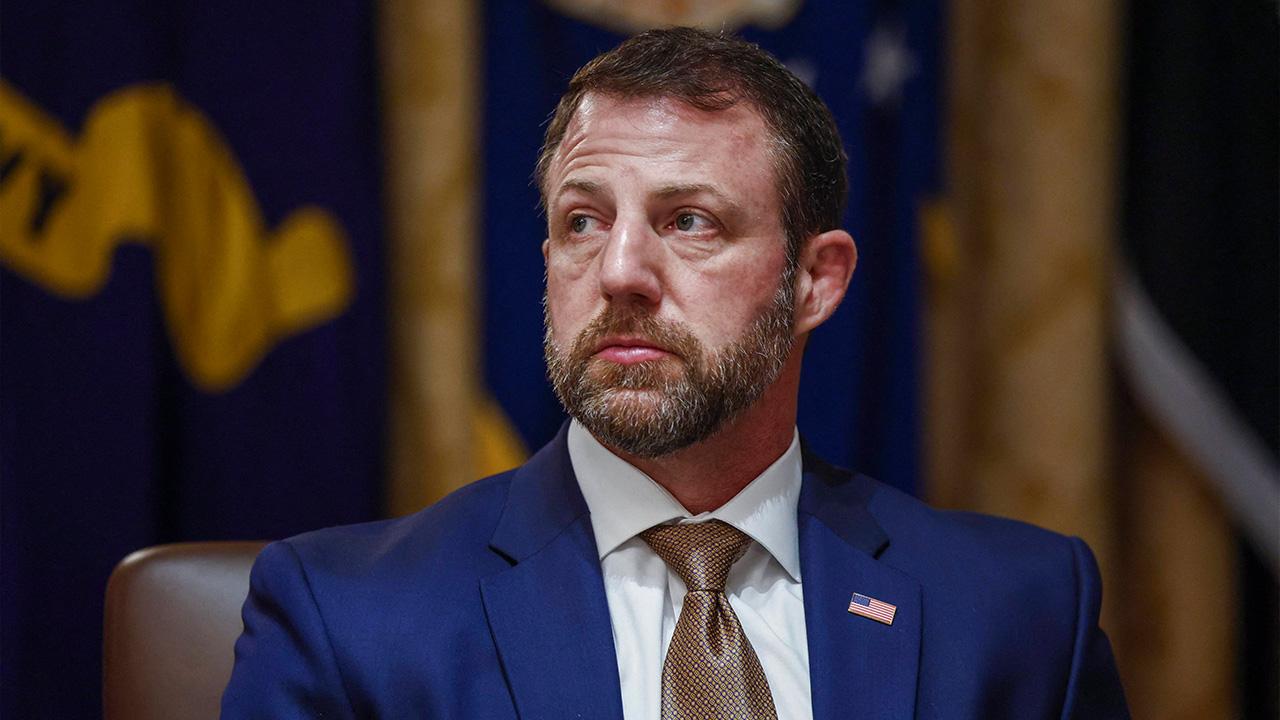
Markwayne Mullin's department warned of potential deportations for children denied citizenship.
Parents who provided false information could face federal prosecution.
Among those challenging the administration's policy are international families who welcomed children through surrogacy arrangements in the United States.
One Australian couple welcomed their second child through surrogacy in October, while another couple residing in Monaco was attempting to secure an American passport for their newborn.
The lawsuit also involves a Canadian man and his husband, who are expecting twins through an American surrogate in January 2027.
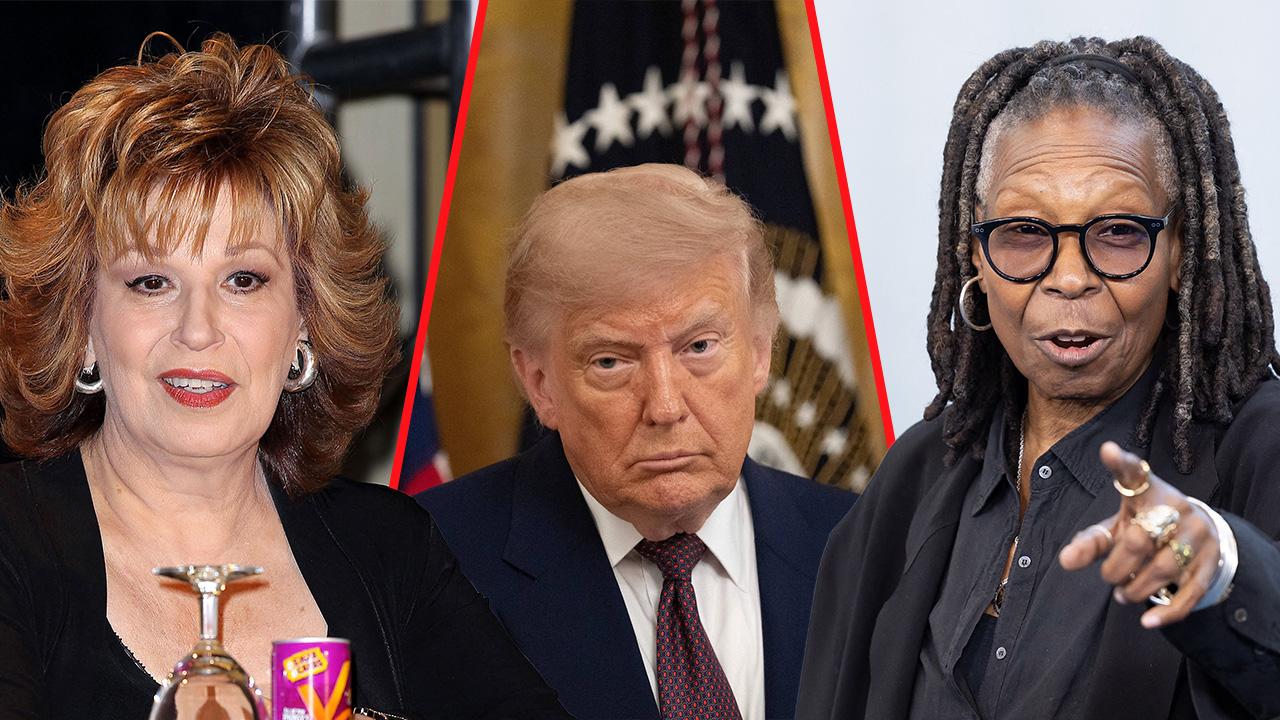
Judge Deals Trump Another Legal Blow
Never Miss an

Daily updates from the heart of Hollywood, right to your inbox
By entering your email and clicking Sign Up, you’re agreeing to let us send you customized marketing messages about us and our advertising partners. You are also agreeing to our Terms of Service and Privacy Policy.
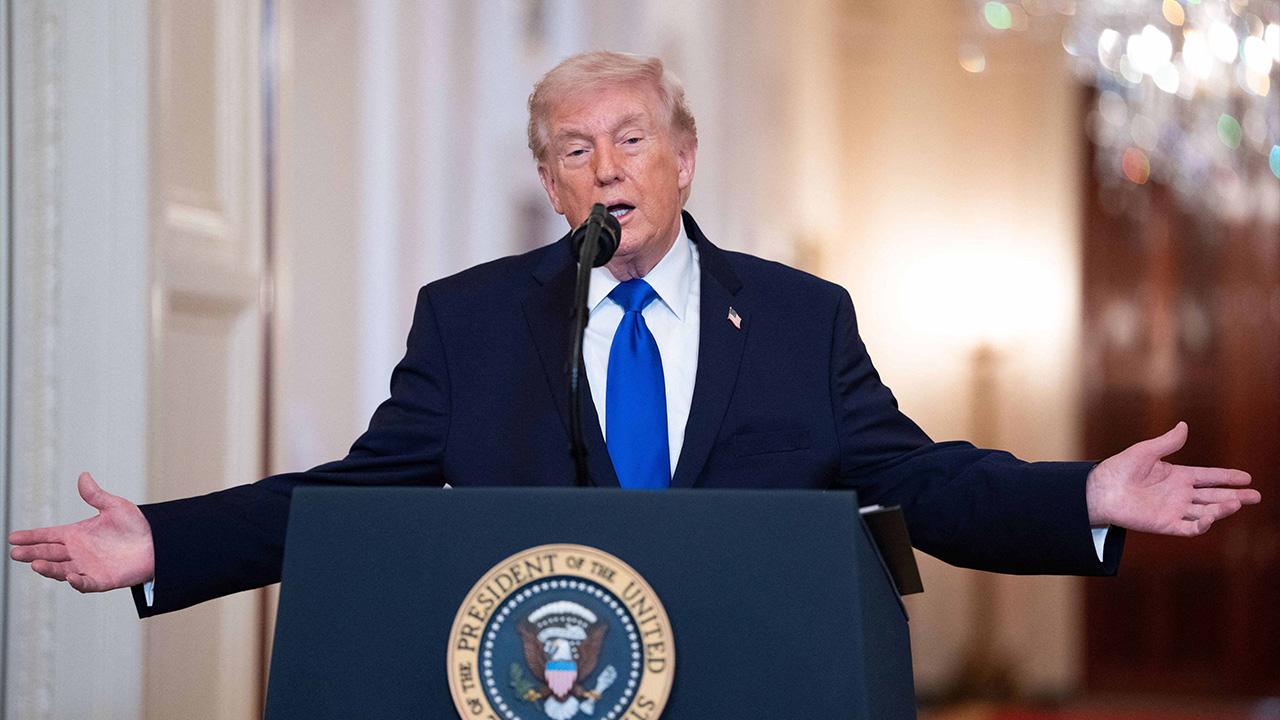
A federal judge temporarily blocked enforcement of Trump's order against qualifying children.
Cooper criticized Trump's renewed efforts to restrict citizenship, noting how quickly the administration introduced another executive order following the Supreme Court's earlier decision.
"As the Supreme Court has made clear, however, the President cannot carve out new exceptions to birthright citizenship for children born within the United States and subject to its laws," the judge wrote.
The Trump administration opposed both the certification of the class of affected children and the request to block enforcement of the executive order.
Nevertheless, Cooper certified a class covering qualifying children born on or after August 6, 2026, and granted a preliminary injunction preventing the government from enforcing the order against them.
The ruling protects affected children while the legal battle continues, marking another setback for Trump's controversial efforts to redefine who qualifies for American citizenship at birth.
