


Stephen Miller Tightens White House Rules After Trump Admin Adviser Accuses Susie Wiles of Catering to Corporate Lobbyists

The Office of White House Counsel must clear the meetings.
Nov. 13 2026, Published 3:15 p.m. ET


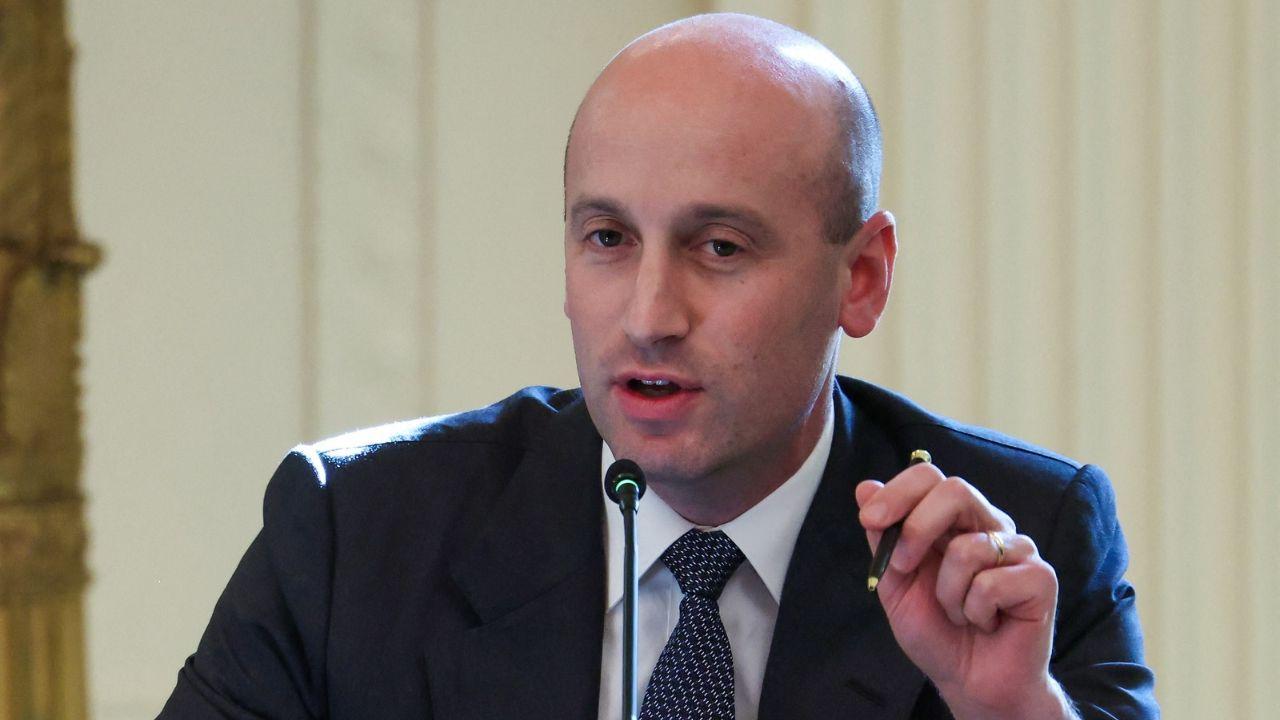
Stephen Miller has introduced tougher restrictions on meetings between White House staff and registered lobbyists, requiring employees to obtain advance approval before discussing government policy with them on the White House complex.
The new rules, outlined in a staff memo, represent a change in how the administration handles outside interests following Miller's appointment as chief of staff.
The directive also comes amid controversy over former chief of staff Susie Wiles and allegations that influential corporate interests had too much access to the administration.
A White House official described the approval process as "much stricter than before," according to reporting by Politico. The memo also identifies the Office of Public Liaison as the administration's primary channel for communicating with outside groups and stakeholders.
Memo Requires Advance Approval

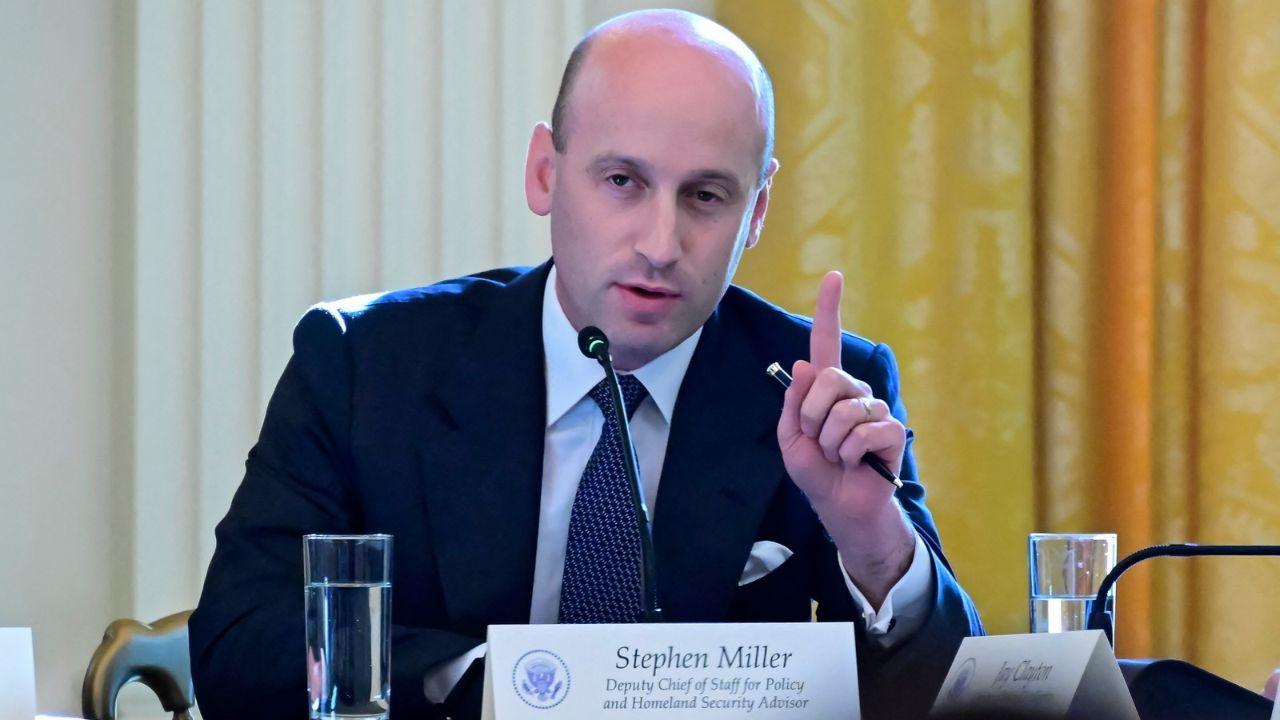
The Office of Public Liaison remains the main contact for outside stakeholders.
Under the new directive, White House employees must obtain permission from the Office of White House Counsel before meeting registered lobbyists about government policy anywhere on the White House complex.
The memo emphasizes the administration's commitment to ordinary Americans rather than special interests.
"No President in history has fought more relentlessly, selflessly or courageously for the American People than President Trump," it states. "Following his example, White House staff are expected to dedicate their time unwaveringly to the working people of the nation."
Staff members are also instructed to direct questions about industry outreach to the Office of Public Liaison, which will continue handling engagement with external stakeholders.
The restrictions do not amount to a complete ban on outside engagement. Instead, they establish an additional approval process for certain meetings.
New Chief Of Staff Sets A Different Tone
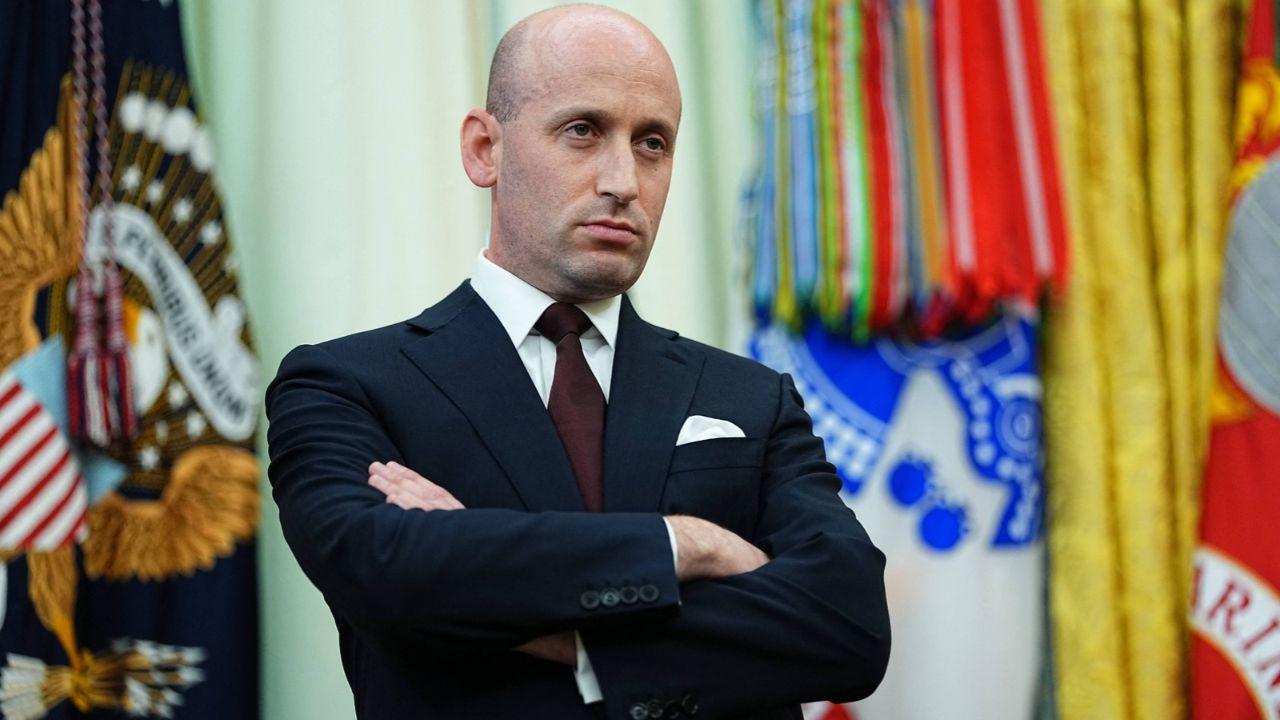
A White House official called the new lobbyist approval process “much stricter than before.”
President Donald Trump announced on November 6 that Miller would replace Wiles as White House chief of staff, with the new appointment taking effect November 9.
Wiles submitted her resignation the previous evening, ending her tenure as Trump's top White House aide. Trump praised her work publicly and said she would continue serving his political operation.
Miller, 41, has been one of Trump's closest advisers since the 2016 presidential campaign. He most recently served as deputy chief of staff for policy and became a central figure in shaping the administration's hard-line immigration agenda.
His approach to lobbyists appears less focused on cultivating Washington relationships. Politico cited Republican lobbyists who described Miller as ideologically driven and less receptive to relationship-based influence.
The new restrictions could therefore change how corporate representatives and political advocates seek access to administration officials.
What Did Means Say?
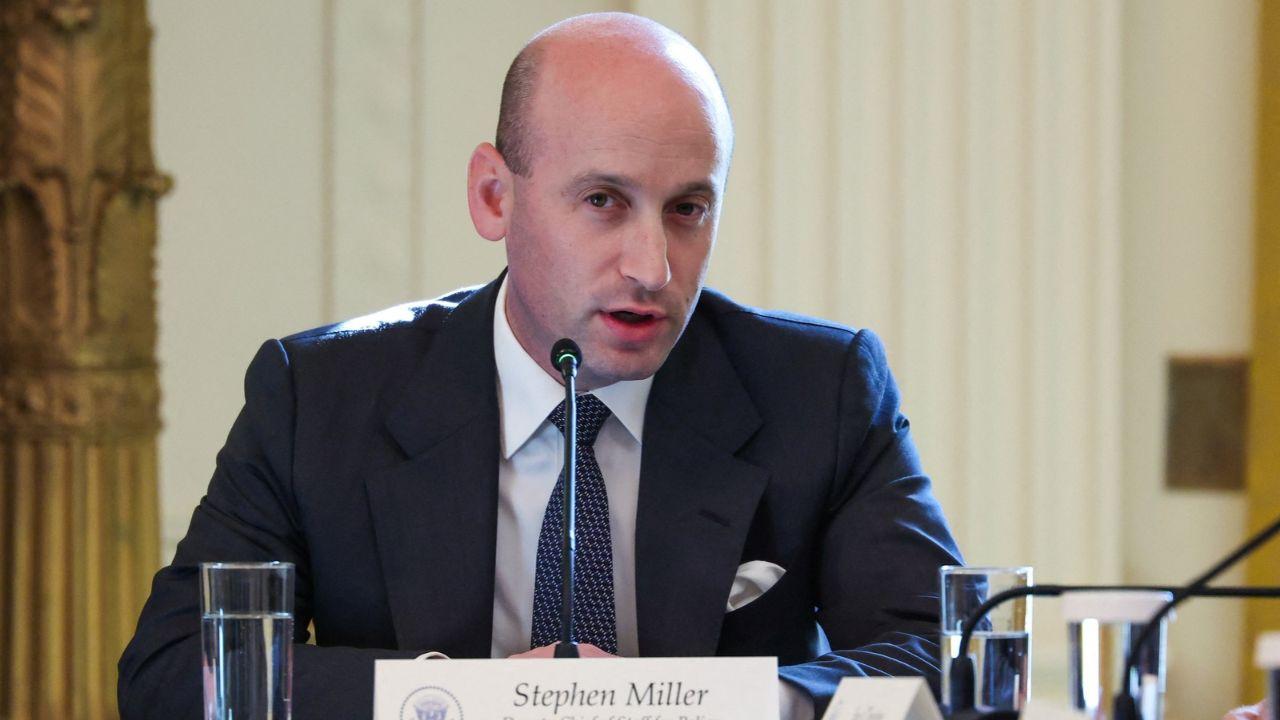
Miller became chief of staff after Susie Wiles was replaced following the midterm electio
The policy change comes amid accusations from Calley Means, a former senior adviser to Health Secretary Robert F. Kennedy Jr., who has criticized Wiles and other administration figures over their alleged relationships with corporate interests.
Means, a prominent figure in the Make America Healthy Again movement, made the allegations during an appearance on "The Joe Rogan Experience" podcast, released November 6.
He accused Wiles and other advisers of favoring powerful industries, including the vaping, pharmaceutical, pesticide and processed-food sectors, over the administration's public health commitments.
Means also claimed that officials justified their relationships with corporate interests by arguing that the administration needed industry money for the midterm elections.
He had previously helped advance Kennedy's health policy agenda before leaving his position at the Department of Health and Human Services last month.
The allegations have drawn attention to Brian Ballard, founder of Ballard Partners, where Wiles previously worked as a managing partner. Wiles and other officials have disputed Means' accusations, while Ballard has also pushed back against claims about his firm's influence.
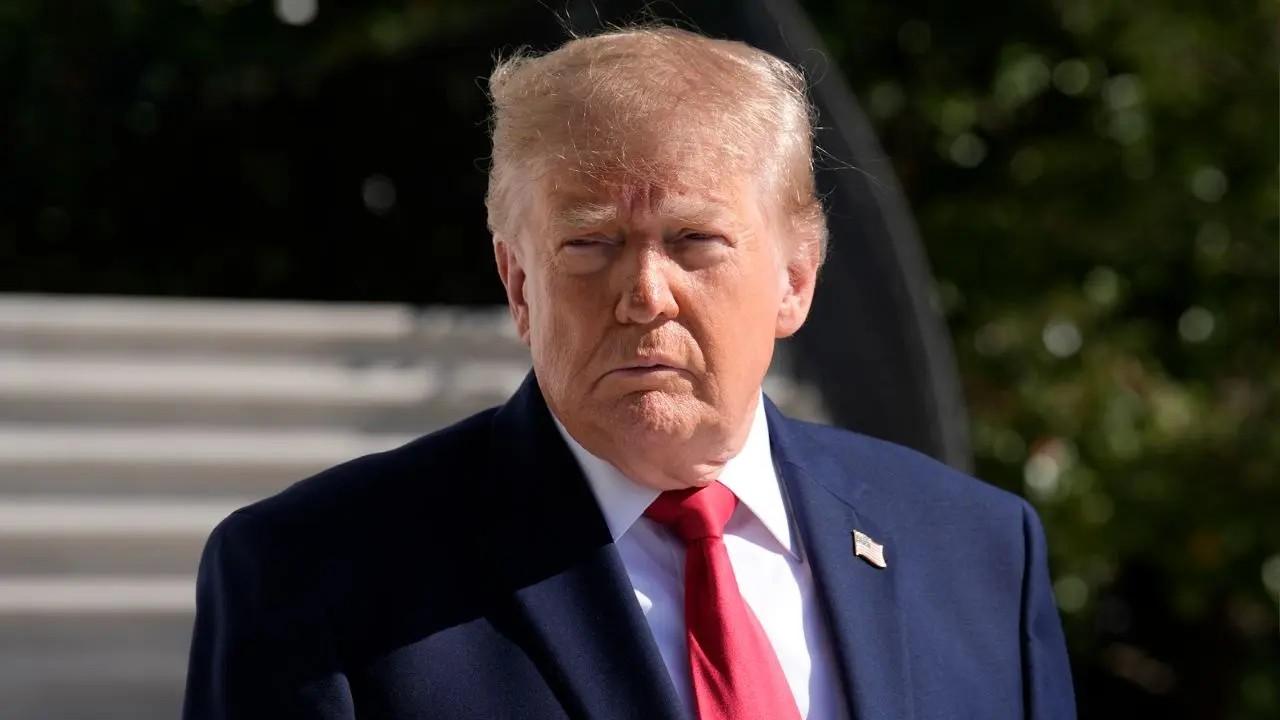
Midterm Losses Sharpen Focus On Influence

Never Miss an

Daily updates from the heart of Hollywood, right to your inbox
By entering your email and clicking Sign Up, you’re agreeing to let us send you customized marketing messages about us and our advertising partners. You are also agreeing to our Terms of Service and Privacy Policy.
The White House denied allowing outside groups to influence its policy decisions.
The new restrictions follow the November 3 midterm elections, in which Democrats won control of both chambers of Congress, dealing Republicans a significant political setback.
The results intensified scrutiny of the administration's relationships with wealthy donors, corporate interests and Washington lobbying firms. Affordability, economic concerns and the Iran war also featured prominently in the election debate.
Wiles' departure occurred amid the political fallout, although Trump publicly denied that the personnel change was a direct response to the election results.
