


EXCLUSIVE: Secrets Behind the Making of 'Gone With the Wind' Finally Revealed — Including the Struggles That Nearly Totally Derailed Cinema Classic

Secrets behind 'Gone With the Wind' reveal struggles that nearly derailed the cinema classic.

April 18 2026, Published 7:00 a.m. ET


Clark Gable didn't want to cry. During the making of Gone With the Wind, the Oscar winner worried about the scene in which Rhett Butler breaks down in tears at the death of his darling daughter, Bonnie, after a horse-riding accident, RadarOnline.com can reveal.
"He never cried on the screen before, and it became an obsession with him," recalled Olivia de Havilland, who played Melanie Wilkes. "He didn't think it was masculine for a man to cry."
Chaos Nearly Derailed Hollywood Classic

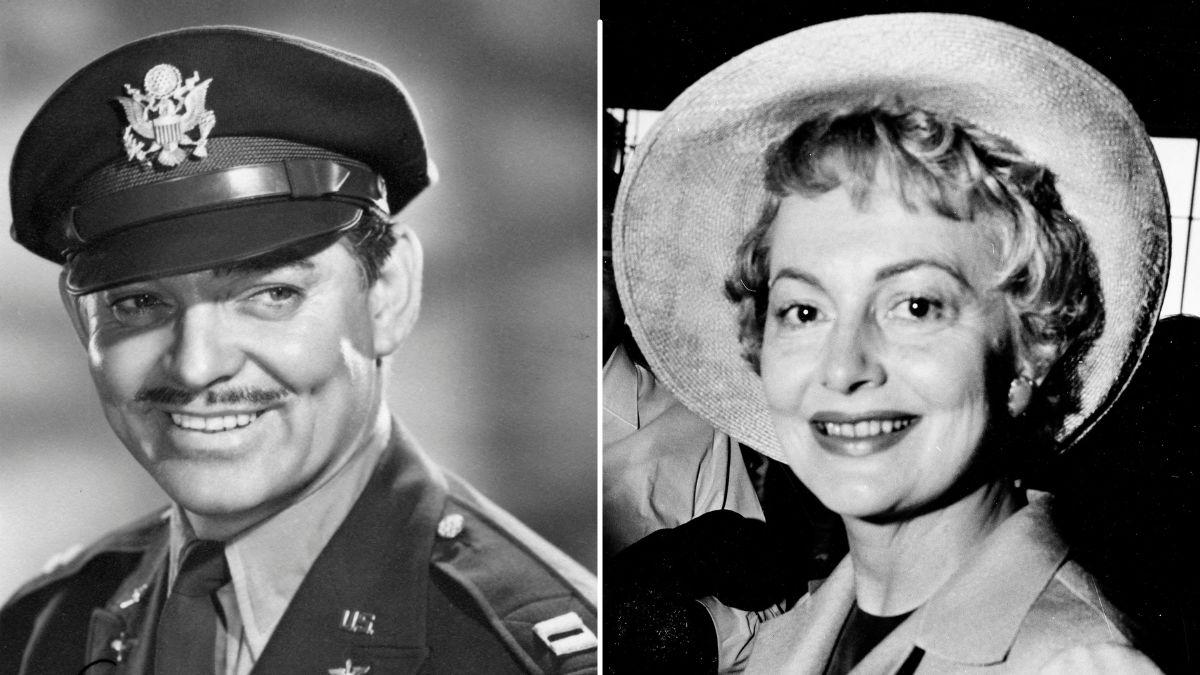
Clark Gable nearly quit 'Gone With the Wind' over a tearful scene until Olivia de Havilland convinced him it showed strength.
He got so panicked, she said: "One day he confided in me, 'Olivia, I can't do it. I'm just going to have to quit.' I convinced him that tears denoted strength of character, not weakness. It turned out to be one of the most memorable scenes in the movie."
The truth is, at that moment, or at many others during the making of the epic 1939 Civil War extravaganza, the film could have fallen apart. But against all odds, the pieces fell into place and it became one of the greatest movies ever made – and one of the most expensive at $4.25million.
"The casting, the cinematography, the music, the production values, the screenplay – it's just the epitome of golden age Hollywood," said John Wiley, author of The Scarlett Letters: The Making of the Film Gone With the Wind.
Now, members of the cast and those closest to them open up to Closer about the behind-the-scenes drama, controversies and jealousies that threatened to ruin the film. Plus, we present never-before-seen photos of the movie that changed Hollywood.
Margaret Mitchell's 1936 novel earned a Pulitzer Prize and was a massive bestseller. And as a result, everyone had an opinion about who should play charming Rhett Butler and Southern vixen Scarlett O'Hara.
Mitchell herself reportedly got so fed up with the debate, she joked Groucho Marx embodied Butler's qualities best. But the book's fans unanimously called for handsome, 38-year-old Gable.
Casting Chaos Sparked Media Frenzy
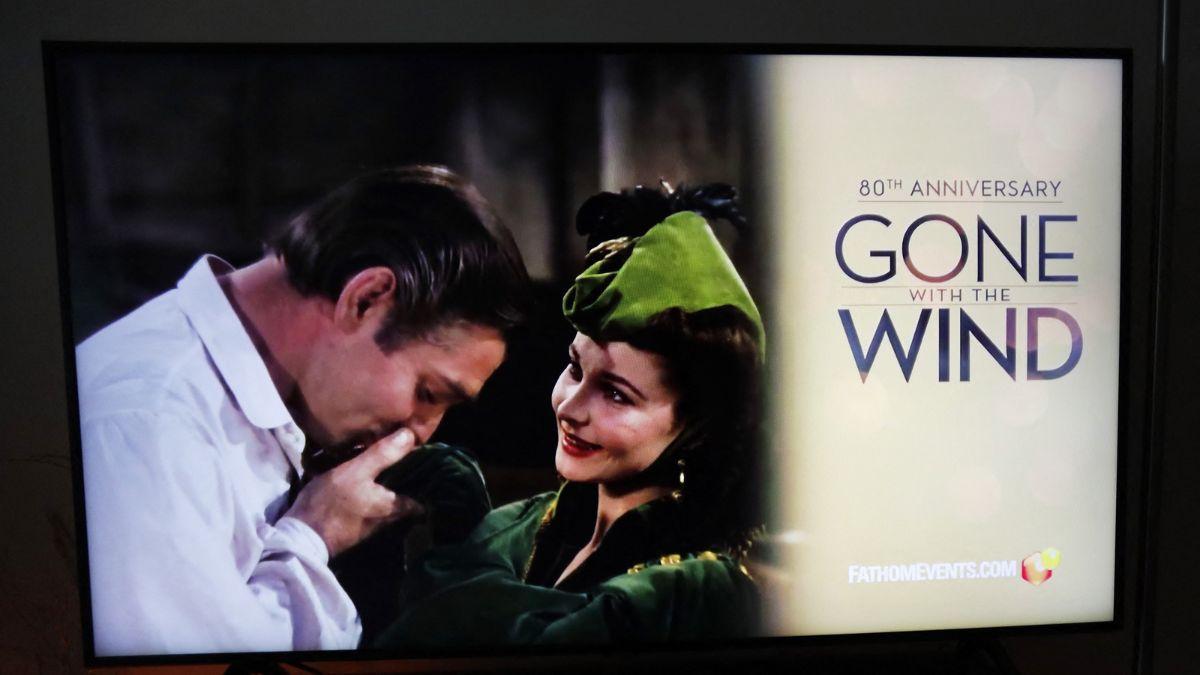
John Wiley, author of 'The Scarlett Letters: The Making of the Film Gone With the Wind,' called the epic the epitome of golden age Hollywood.
"The public interest in my playing Rhett puzzled me," said Gable, and he didn't leap at the chance. "The book was so popular, he wasn't sure he could live up to those expectations," Wiley said.
Casting O'Hara also caused a media frenzy.
The search took two years, but British newcomer Vivien Leigh, 25, never doubted her chances. "I shall play Scarlett O'Hara," she said. "Wait and see." But finding the perfect actress was expensive.
"The Scarlett O'Hara Wars [became] a sort of stunt of looking at various actresses that cost something like $10,000 – an exorbitant fee at the time," said film critic Joe Neumaier. Over two dozen women were considered, including Bette Davis and Katharine Hepburn. "It came down to Paulette Goddard and Vivien Leigh," Neumaier added.
Breakout Stars Sparked Buzz, Controversy
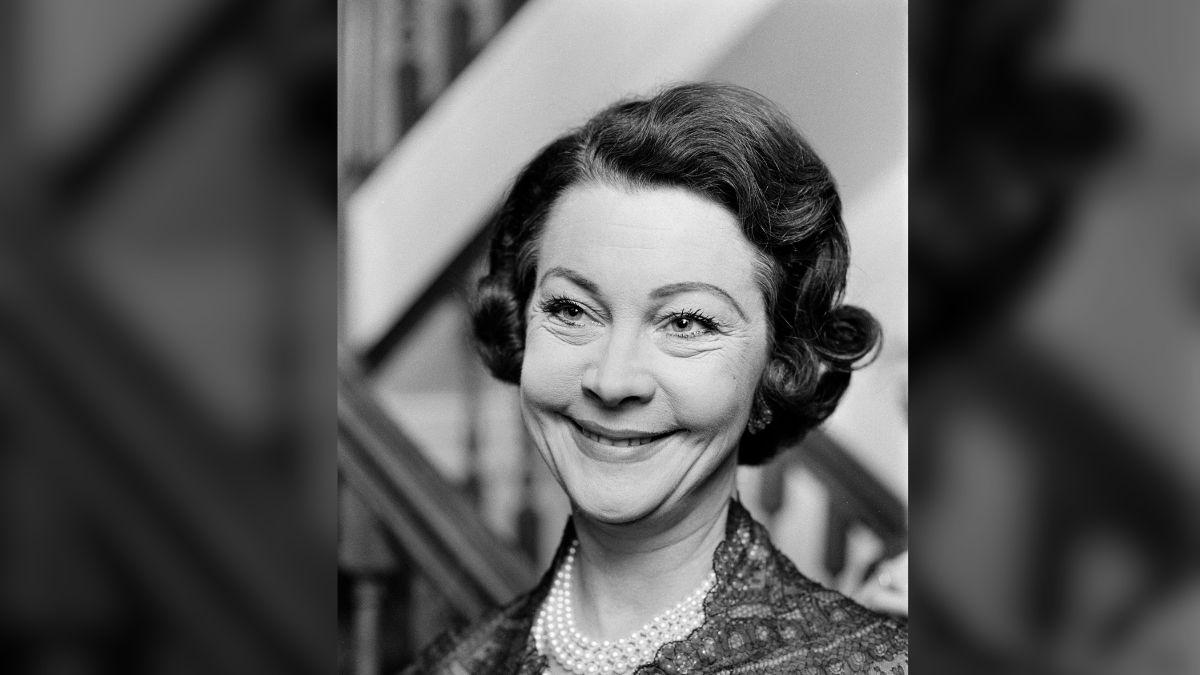
Vivien Leigh beat out contenders like Bette Davis and Katharine Hepburn after a two-year search to play Scarlett O'Hara.
"Vivien came up out of nowhere, and she had a great story – she was involved with Laurence Olivier. All of that became part of the excitement."
De Havilland said she took on the role of Melanie because "I sensed the film would have a much longer life than others – perhaps as long as five years." In another first, however, Olivia Daniels won the Best Supporting Actress Oscar to costar Hattie McDaniel, who played Mammy and became the first African American to win an Academy Award.
"I have heard that Olivia said it really hurt her feelings," said Wiley, "but looking back, she realizes what an important thing that win was." McDaniel had appeared in a few films prior to GWTW, but her great-grandnephew, Kevin John Goff, said, "It was really her big opportunity."
The role of Scarlett's fiercely protective maid didn't come without controversy, though, including complaints from the African American community, which was tired of seeing Black actors playing "the help." But Hattie, the daughter of former slaves, said: "Why should I complain about making $700 a week playing a maid? If I didn't, I'd be making $7 a week being one."
Director Chaos Rocked Film Production
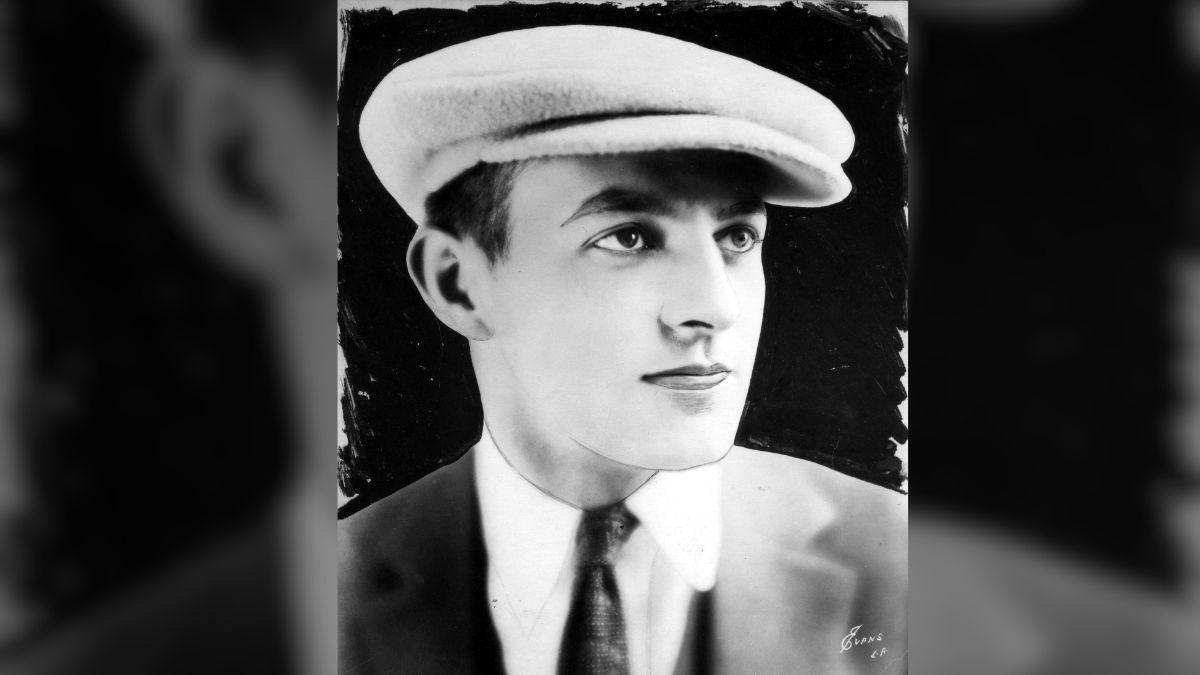
Producer David O. Selznick replaced George Cukor with Victor Fleming, fresh off 'The Wizard of Oz,' amid clashes with Gable.
Once principal shooting began in January 1939, more problems arose. The film went through three directors. The first, George Cukor, "did not see eye to eye" with producer David O. Selznick, said Wiley. But Gable also wanted to see Cukor go.
"Clark felt Cukor was a 'woman's director' and would throw the film to Leigh," explained Wiley.
So Selznick brought on Victor Fleming, who came right from directing The Wizard of Oz and whom Gable considered a "man's director." But De Havilland and Leigh were not happy. "Both women went to Cukor and 'secretly sought his help all during the filming,'" De Havilland said. (Sam Wood was brought in for 24 days when Fleming allegedly suffered a nervous breakdown.)
In addition to swapping directors, Selznick fought to keep Buttler's famous last line, "Frankly, my dear, I don't give a damn," when the censors wanted it out. "Selznick tried make the case that the line would be missed," Wiley said. In one draft of the script, the line was changed to, "Frankly, my dear, I don't care."
Fleming was threatened with a $5,000 fine if Gable said the original line, because swearing wasn't allowed. When Fleming was told about the fine, he said, "Go ahead, I don't care, I'll pay it!" and he put the line in, and it turned out to be a classic.
Racism Shadowed Film’s Historic Success

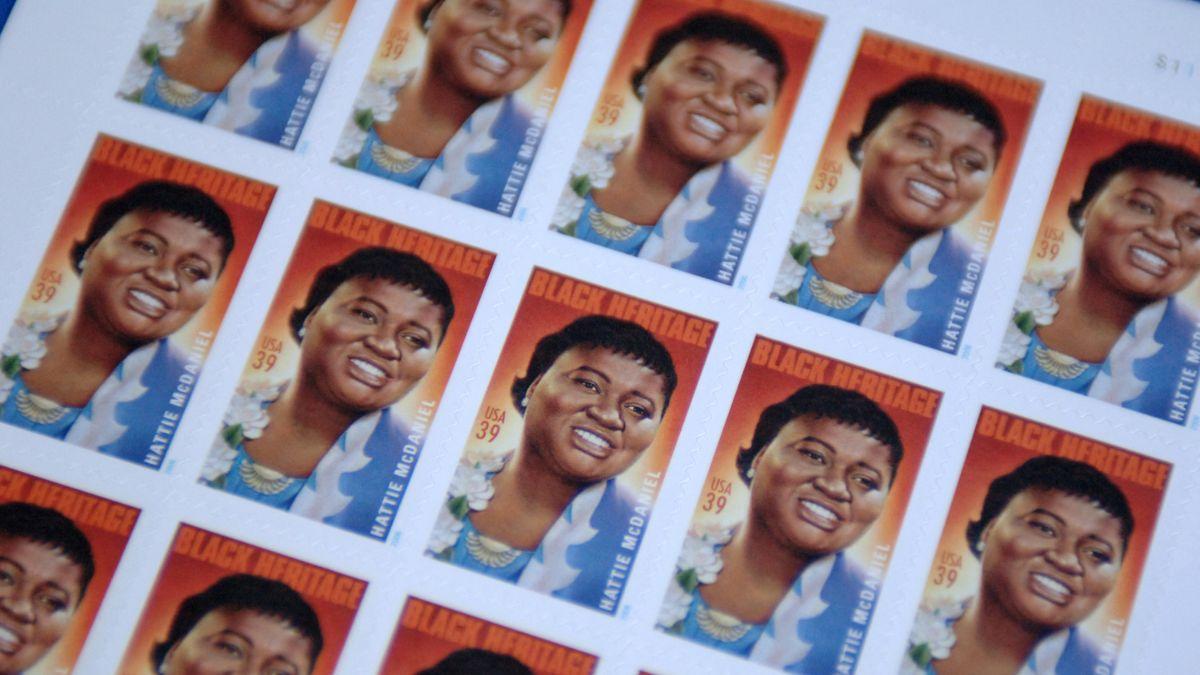
Hattie McDaniel was barred from the Atlanta premiere of 'Gone With the Wind' despite later becoming the first African American to win an Oscar.

Never Miss an

Daily updates from the heart of Hollywood, right to your inbox
By entering your email and clicking Sign Up, you’re agreeing to let us send you customized marketing messages about us and our advertising partners. You are also agreeing to our Terms of Service and Privacy Policy.
Even so, the controversies didn't end after the last line was spoken. For one thing, McDaniel wasn't invited to the Atlanta premiere.
This seems shocking today, but Neumaier explained: "Since 1939 was only about 70 years after the end of the Civil War, it was still a raw time."
Again, McDaniel seemed resigned. "She understood how the South was," her nephew explains. "But it had to hurt. I call her a brave soldier, because she kept moving forward."
Even if she had gone to Atlanta, added Wiley: "Not only could she not have stayed at the Georgian Terrace Hotel with the other stars, she could not have sat in Loew's Grand Theatre."
Two months later, McDaniel had her historic win. "It was definitely a moral victory," Goff says. But even at the Oscars in Los Angeles, "She was seated at a table back by the kitchen," Wiley said. Sadly, McDaniel's Academy Award has disappeared.
"It's been missing for 45-plus years," Goff said.
Lost Oscar Remains Hollywood Mystery
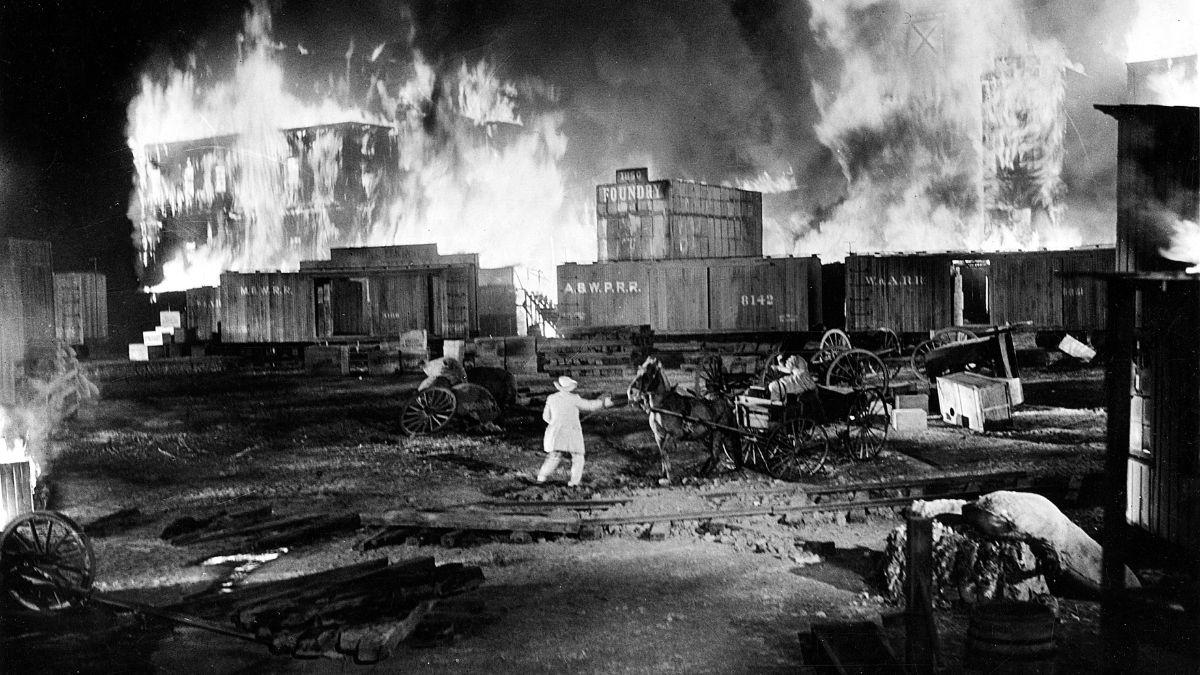
Nearly 87 years after its release, 'Gone With the Wind' remains the highest-grossing film in history with 10 Oscars and $1.6 billion earned adjusted for inflation.
It was lost from Howard University – McDaniel had bequeathed it to the historic black college at her death from breast cancer in 1952 – after the assassination of Martin Luther King Jr.
"There were a lot of riots, buildings were burning, and the Oscar hasn't been seen since," explained Goff.
Still, nearly 87 years after GWTW first blazed onto the screen, the film is as remarkable as ever.
It won 10 Oscars and is the highest-grossing movie in history, earning $1.6billion at the box office (adjusted for inflation).
"It's Hollywood at its best," said Wiley. "It's how movies used to be made."
Mickey Kuhn, who played Melanie's son Beau, agreed: "It was one of the first truly memorable movies. There wasn't another studio that had the guts to do it. It's a thrill to have been associated with probably the greatest movie of its time."
