


EXCLUSIVE: Rudy Giuliani Demands Secret FBI Files on His iCloud and Cellphone Tracking — as Trump Ally Questions Whether Federal Warrants Were Constitutional

Rudy Giuliani is fighting to uncover secret federal records behind warrants targeting his iCloud account and cellphone location data.
Aug. 31 2026, Published 6:45 p.m. ET


Rudy Giuliani is demanding the release of secret federal search warrant records targeting his iCloud account and cellphone location data as the longtime Donald Trump ally questions whether investigators' surveillance of him was constitutional, RadarOnline.com can reveal.
According to court documents obtained by Radar, Giuliani and Judicial Watch asked a New York federal judge to unseal materials behind two search warrants issued during a years-long federal investigation that ultimately ended without Giuliani being charged with a federal crime.
The probe centered on Giuliani's dealings with Ukrainian figures and whether he may have acted as an unregistered foreign agent while advocating for the removal of then-U.S. Ambassador to Ukraine Marie Yovanovitch.
Secret Search Warrants

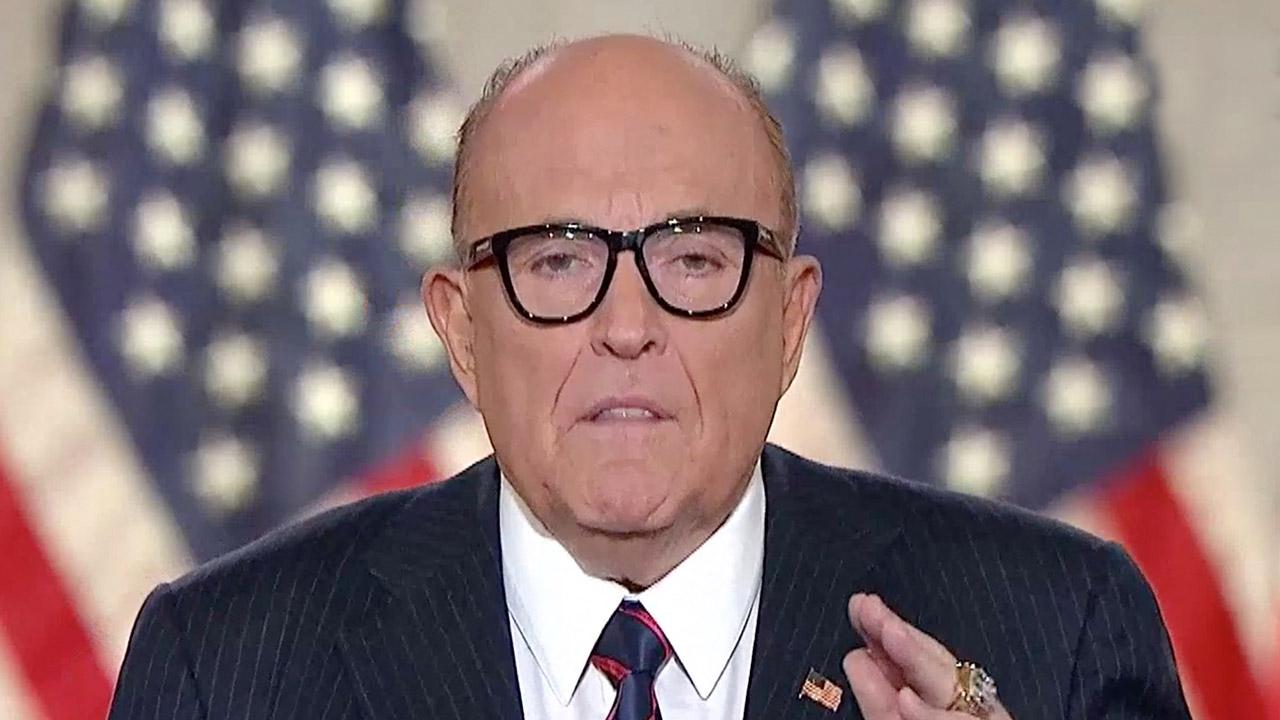
Giuliani is seeking sealed records tied to federal warrants targeting his iCloud account and cellphone location data.
The first warrant, issued on November 4, 2019, authorized investigators to search Giuliani's iCloud account.
A second warrant, issued on April 13, 2021, sought "prospective and historical location information" for two telephone numbers assigned to the former New York City mayor, according to the August 28 filing.
Giuliani's attorneys argued the sealed records could reveal why federal investigators targeted him and what evidence they relied upon when seeking authorization for the searches.
"Beginning in 2019, the United States began investigating Mayor Giuliani," his attorneys wrote.
Questions Over Constitutionality
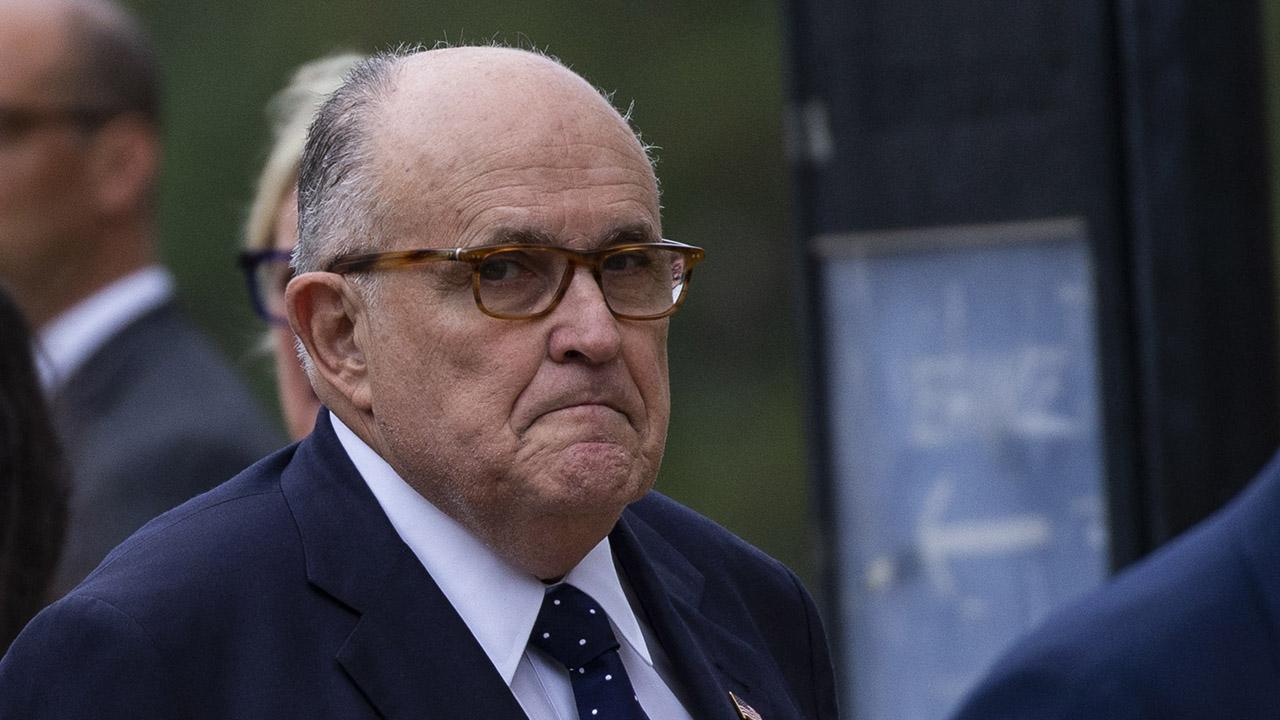
Giuliani's attorneys argue he needs access to the warrant materials to determine whether the government's searches were constitutionally justified.
The filing claims Giuliani has an "obvious" interest in learning the basis for the warrants because he was their subject. His attorneys also raised questions about whether the government's actions complied with the Fourth Amendment.
They argued the former mayor cannot determine whether the warrant authorizing the search was "constitutionally defective" without first seeing the materials supporting it.
Although Giuliani is not currently seeking the return of property under Rule 41(g) of the Federal Rules of Criminal Procedure, his lawyers said he is reserving his rights – including the possibility of bringing such a motion if the newly sought information warrants it.
Years- Long Federal Probe
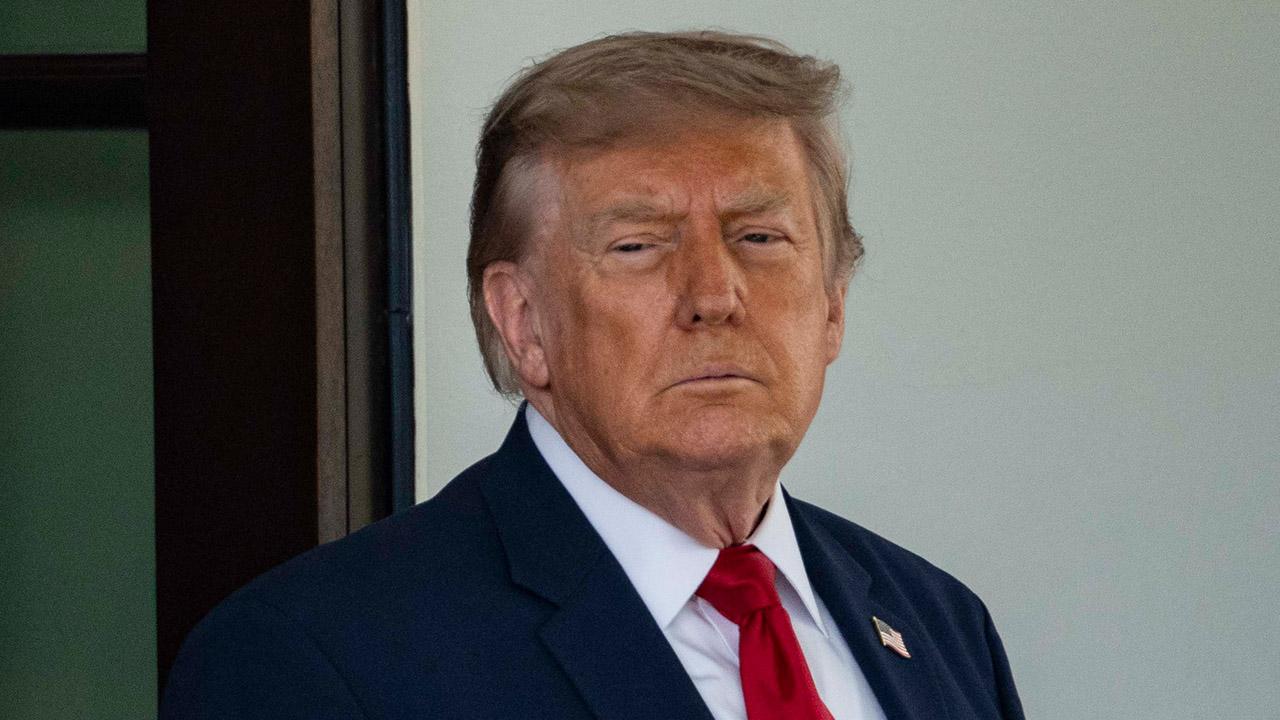
Giuliani, a longtime Trump ally and former attorney, was investigated by federal authorities but was never charged with a federal crime.
The push comes as Judicial Watch pursues similar records involving Victoria Toensing, a former attorney for Trump whose electronic accounts and devices were also targeted by federal warrants.
In a separate August 28 filing, the Justice Department told the court it does not oppose unsealing warrant materials concerning Toensing, noting that the underlying investigation has concluded and no additional individuals are expected to face charges.
DOJ said related Giuliani warrant materials had previously been unsealed at the request of The New York Times and acknowledged the investigation has already been the subject of widespread media attention and public debate.

DOJ Response Looms

Never Miss an

Daily updates from the heart of Hollywood, right to your inbox
By entering your email and clicking Sign Up, you’re agreeing to let us send you customized marketing messages about us and our advertising partners. You are also agreeing to our Terms of Service and Privacy Policy.
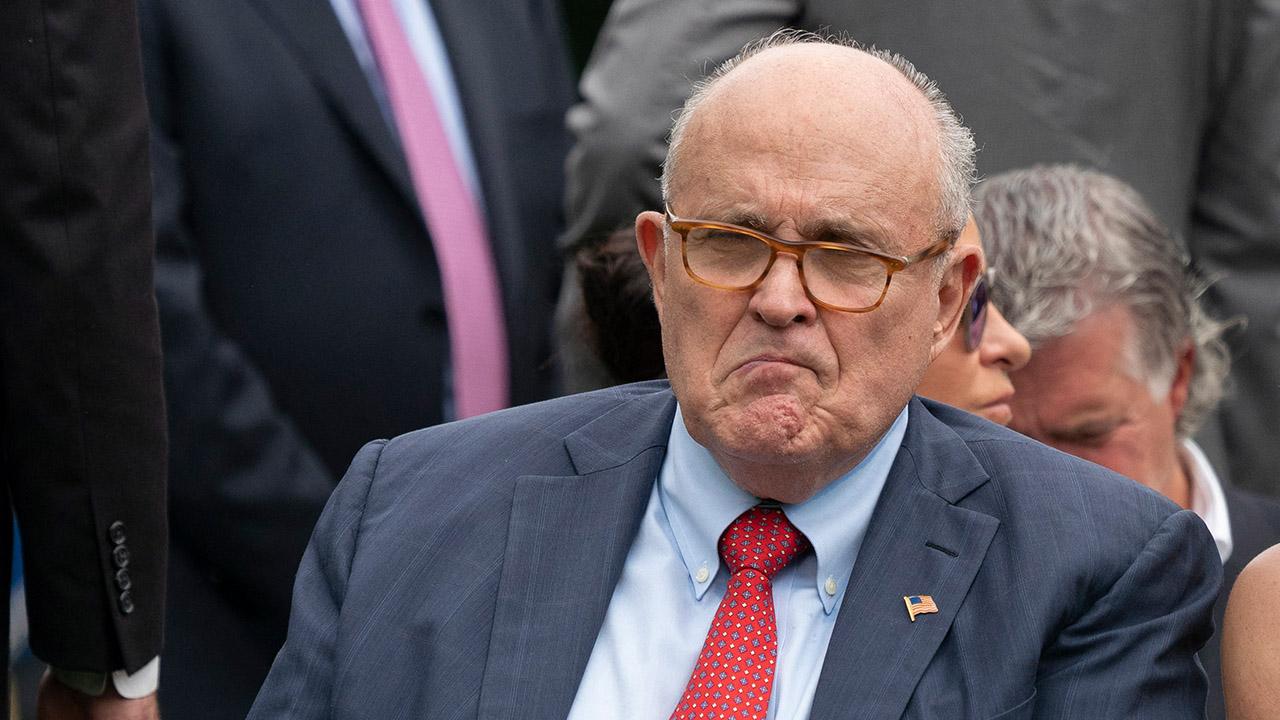
A federal judge has ordered the government to respond to Giuliani and Judicial Watch's request to unseal the remaining warrant records by September 14.
However, the government has not yet taken a position on Giuliani's latest request.
On August 31, U.S. District Judge J. Paul Oetken ordered the government to respond to Giuliani and Judicial Watch's motion by September 14, setting up the next stage of the battle over whether the remaining secret records will finally be made public.
Giuliani and Judicial Watch argue disclosure would allow the public – and Giuliani himself – to scrutinize the government's justification for the surveillance and determine whether the warrants were obtained for legitimate law-enforcement purposes
