


EXCLUSIVE: How the 'Greedy' Royal Family Hide Their Wealth — 'Their Finances Are So Maddeningly Mysterious, Complex and Secretive No One Really Knows How Much They Get From Taxpayers'

The royal family's finances is under the spotlight.
April 7 2026, Published 6:00 p.m. ET


The British royal family is facing renewed scrutiny over their wealth, with critics branding them "greedy" and warning their finances remain "so maddeningly mysterious, complex and secretive no one really knows how much they get from taxpayers."
RadarOnline.com can reveal the debate has intensified over The Firm's secrecy-shrouded cash streams amid fresh attention on historic dealings involving the former Prince Andrew, 66, whose financial affairs, including his "peppercorn rent" deal, have reignited wider questions about how royal wealth is generated and shielded.
'The Royal Finances Are Maddeningly Mysterious'

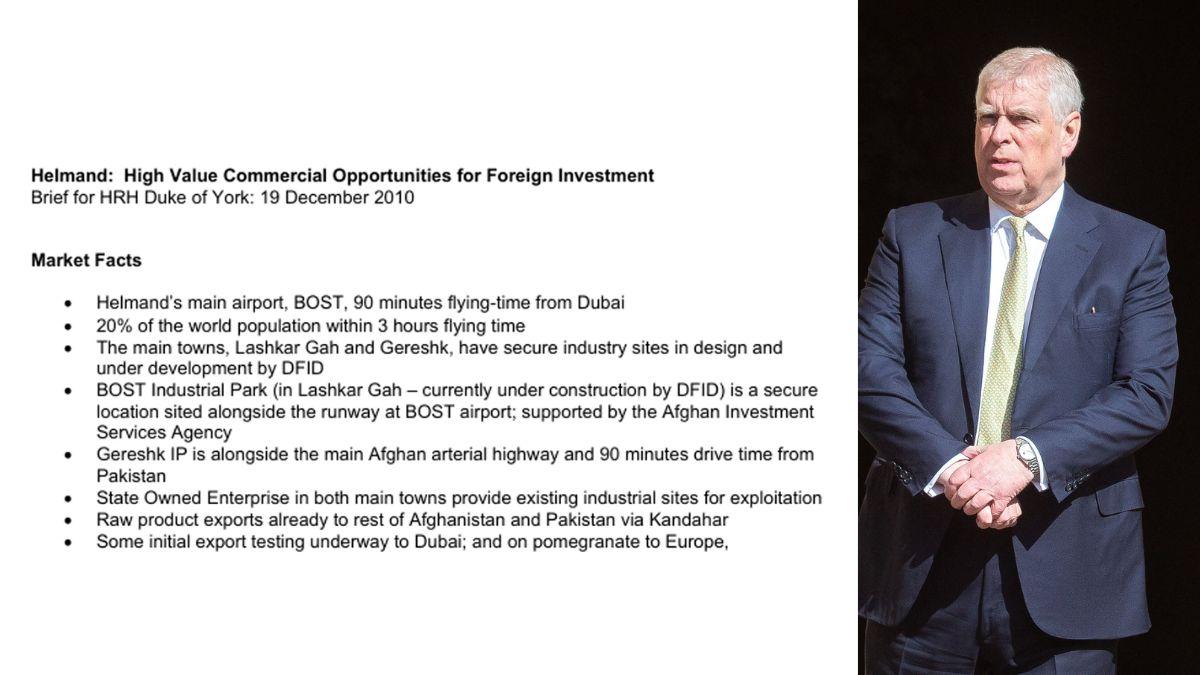
Emails suggested Andrew Windsor shared commercial opportunities in Afghanistan with Jeffrey Epstein.
Andrew and his ex-wife, Sarah Ferguson, 66, sold their Windsor home for around $20million to Kazakh oligarch Timur Kulibayev, who paid nearly $4million above the asking price. Andrew dismissed concerns at the time by saying, "I'm not going to look a gift horse in the mouth."
The sale has since been viewed as part of a broader pattern. Emails released in the United States suggested Andrew shared details of "high value commercial opportunities" in Afghanistan with his late pedophile pal Jeffrey Epstein, raising questions about the overlap between public duty and private interest.
Sources familiar with royal finances said the controversy reflects deeper structural opacity. One insider said: "The royal finances are so maddeningly mysterious, complex and secretive no one really knows how much they get from taxpayers – and that's what fuels accusations of greed."
Another added: "There's a growing belief that the financial framework surrounding the royals isn't just complicated – it's constructed in a way that actively blurs the lines.
Historical Criticism Of Royal Spending Habits
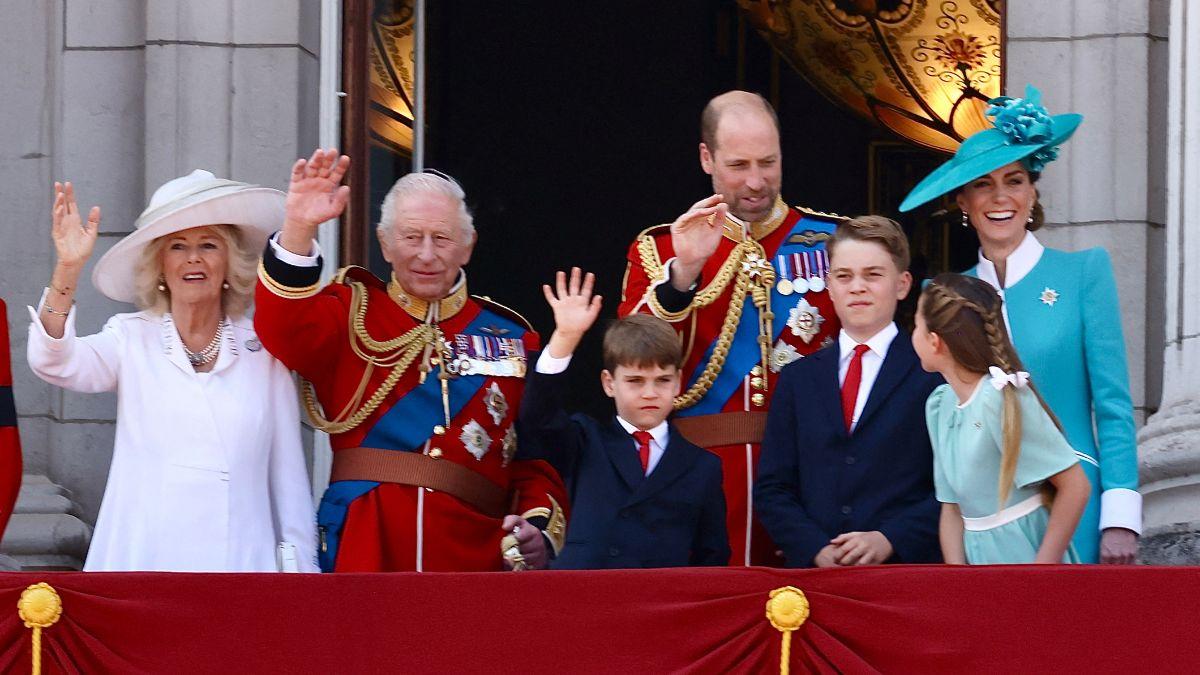
Palace sources argued the lack of transparency fueled public rage over royal spending.
"Instead of offering clarity, it layers different income streams, allowances, and exemptions in such a way that it becomes incredibly difficult for anyone outside the system to track what is public money and what is private wealth."
The insider added, "For the average taxpayer, that lack of transparency creates a sense of distance and mistrust. When people can't clearly see how funds are allocated or accounted for, it inevitably leads to suspicion about how much is really being received – and whether it's being justified."
Criticism of royal spending is not new. Labour MP Willie Hamilton, who investigated the monarchy's finances in the 1970s, once described the members of The Firm as "gold-plated scroungers."
He said: "The Government and the Palace have kept up a smokescreen to prevent the public seeing what is really going on, on the whole question of the royal finances."
Questions Over Sovereign Expenses And Inheritance
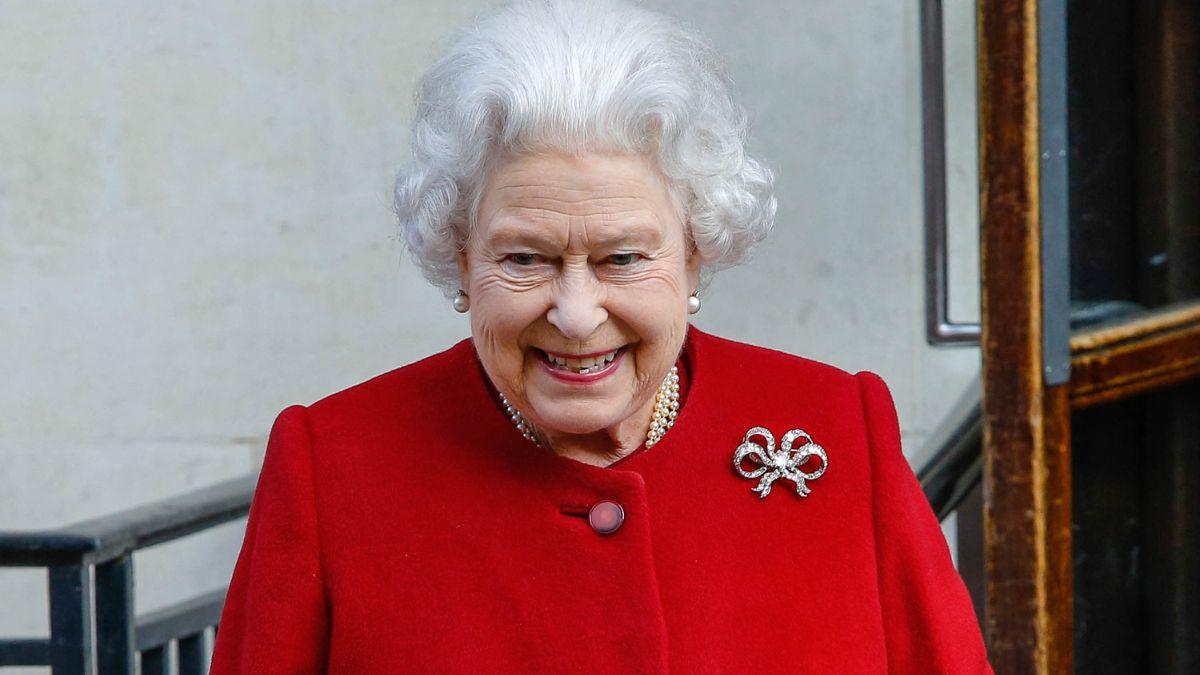
The late Queen's $2.4billion fortune passed to King Charles exempt from inheritance tax.
Questions have also been raised about the late Queen Elizabeth II, who died aged 96, with accounts suggesting royal expenses were at times passed to official hosts during overseas visits. According to writer A N Wilson, an ambassador was billed for clothing costs following a state visit – an anecdote that has been cited as emblematic of broader concerns around transparency.
Wilson also wrote attitudes toward payment within the royal household varied, noting claims the Queen Mother rarely settled bills, while Elizabeth was said to pay "on the nail," but viewed prices through an outdated lens. Critics argue such stories contribute to a perception of the royals being totally detached from ordinary financial realities.
Today, scrutiny centers on mechanisms such as the Sovereign Grant, which provides tens of millions of pounds annually based on Crown Estate profits, alongside income from the Duchy of Lancaster and Duchy of Cornwall.


Never Miss an

Daily updates from the heart of Hollywood, right to your inbox
By entering your email and clicking Sign Up, you’re agreeing to let us send you customized marketing messages about us and our advertising partners. You are also agreeing to our Terms of Service and Privacy Policy.
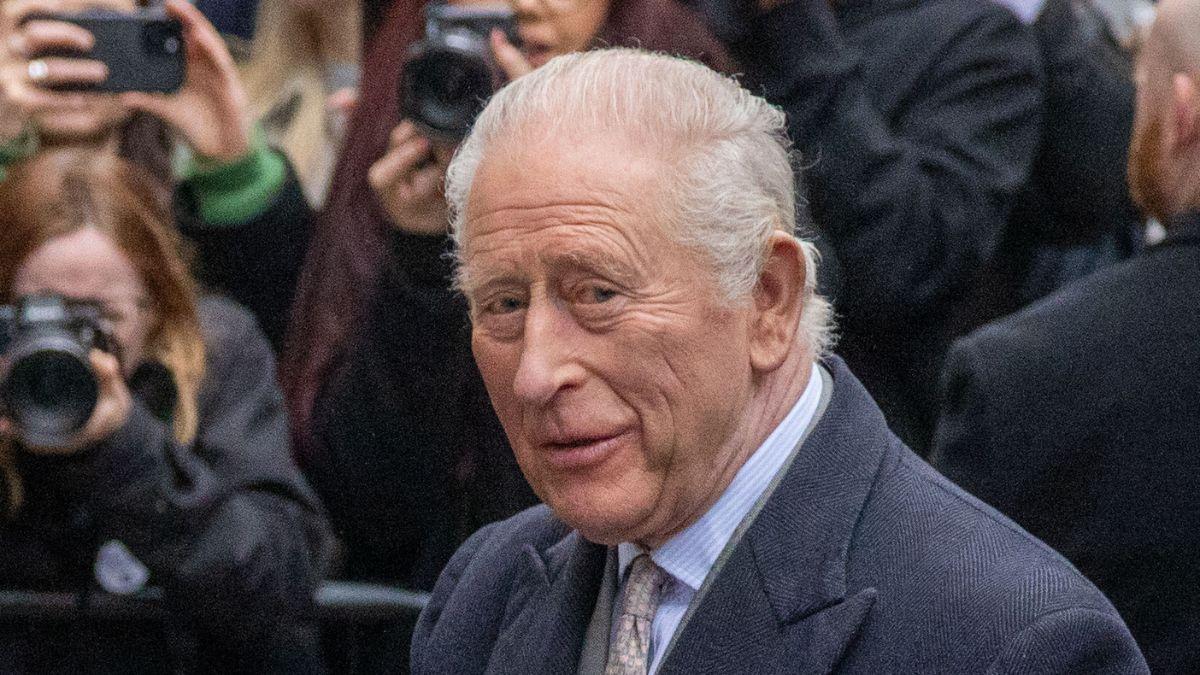
King Charles, 77, received roughly $3 million from the Duchy of Lancaster last year.
King Charles III, 77, received around $36million from the Duchy of Lancaster in the most recent reported year, while Prince William, 43, received nearly $32million from the Duchy of Cornwall. Both duchies benefit from significant tax exemptions.
Inheritance rules further complicate the picture. The royal family's exemption from the standard 40 percent inheritance tax allowed Elizabeth's estimated $2.4billion personal fortune to pass largely intact to Charles, preserving assets such as historic collections.
One palace source said: "When you start layering everything together – the Sovereign Grant, income from the duchies, the various tax advantages, and then the security costs that are never fully disclosed – you end up with a system that's almost impossible to properly quantify from the outside. There isn't a single, transparent figure that captures what the monarchy truly costs."
"That lack of clarity is exactly what feeds the public rage over royal finances. When people can't see a clear breakdown, they begin to fill in the blanks themselves – and that's when terms like 'greedy' start to take hold. It's not always about the reality of the numbers; it's about the absence of openness that allows suspicion to grow."
