


EXCLUSIVE: Robert Duvall's $70Million Will — Secrets of How Hollywood Icon Amassed His Fortune and Who is Set to Inherit His Riches

Robert Duvall's massive fortune is set to be handed off following his death.
Feb. 17 2026, Published 2:20 p.m. ET


Robert Duvall left behind a fortune estimated at up to $70million when he died – the culmination of a seven-decade career that made him one of the defining faces of American cinema, and which is now likely to go to his final and fourth wife.
As RadarOnline.com reported, Duvall died at home on Sunday, February 15, aged 95, decades after rising to prominence in the early 1960s and becoming one of the last surviving titans of the New Hollywood era.

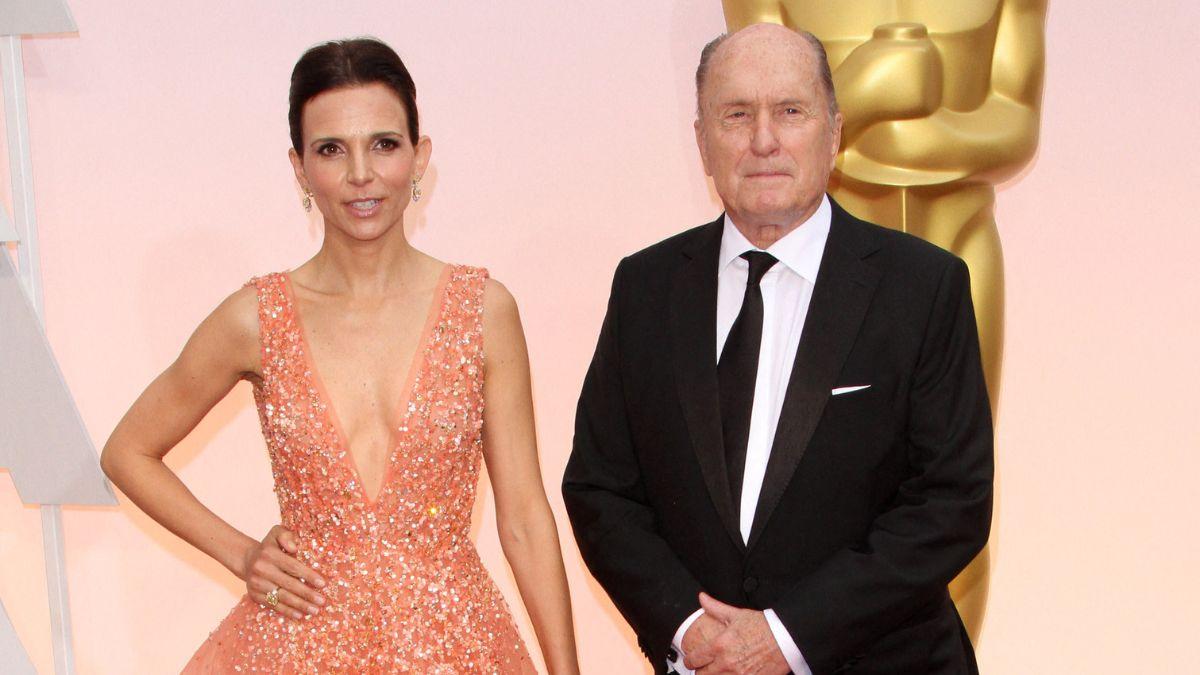
Industry sources expect the bulk of his fortune to pass to his fourth wife, Luciana Pedraza.
He built his wealth not on a single franchise but on a steady stream of high-value performances across more than 90 film and television credits. His films generated more than $3.15billion at the global box office.
From his breakout as Boo Radley in To Kill a Mockingbird to his Oscar-winning turn in Tender Mercies and his unforgettable role in The Godfather, Duvall combined artistic credibility with careful financial management.
At the time of his death, his net worth was estimated between $50million and $70million. His widow, Luciana Duvall, confirmed his passing in a statement on Monday.
She said on Facebook: "Yesterday we said goodbye to my beloved husband, cherished friend, and one of the greatest actors of our time. Bob passed away peacefully at home, surrounded by love and comfort."
She added, "To the world, he was an Academy Award-winning actor, a director, a storyteller. To me, he was simply everything. His passion for his craft was matched only by his deep love for characters, a great meal, and holding court."
Inside Robert Duvall's Multi-Million Dollar Estate
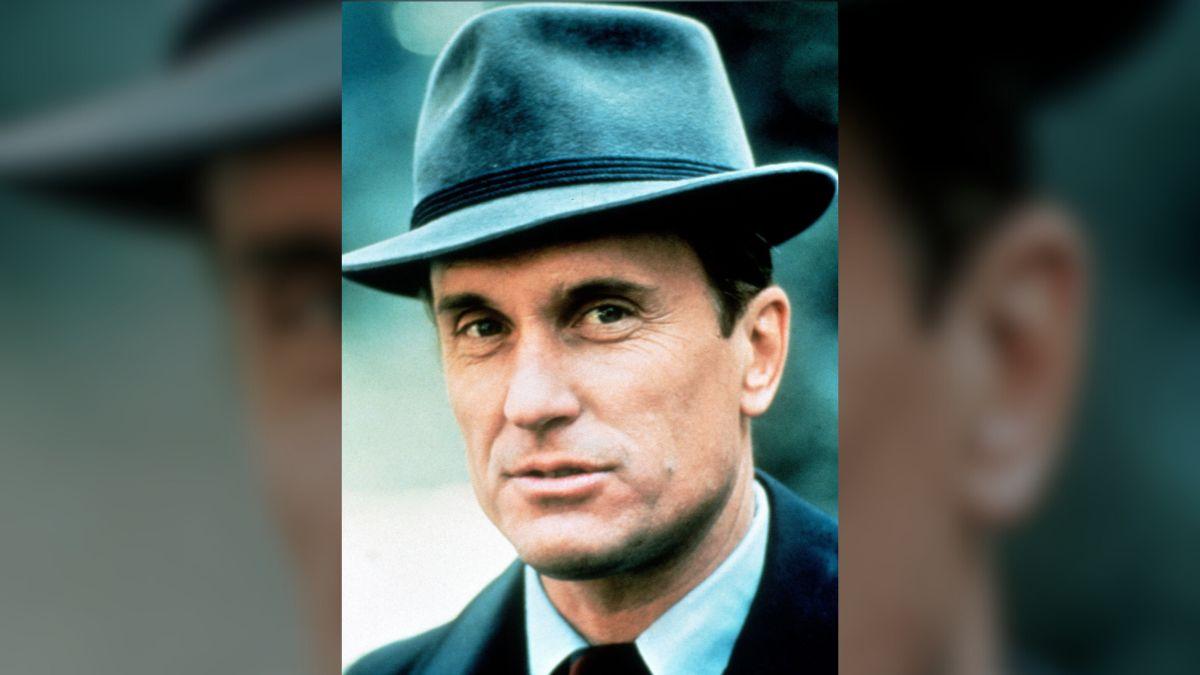
Duvall received $36,000 for 'The Godfather,' which was higher than Al Pacino’s initial salary.
Industry sources told us the bulk of Duvall's estate is expected to pass to Luciana, his wife of nearly two decades, as the couple had no children.
One source close to the family said: "Bob was disciplined with money the same way he was disciplined with a script – careful, deliberate, and focused on the long game. It is likely Luciana will inherit the lion's share of what he built."
Duvall's earnings chart the changing economics of Hollywood. For The Godfather in 1972, he received $36,000 – notably more than Al Pacino was paid for the same film.
By the time of The Godfather Part II, his salary had risen to $500,000. During pre-production for the third instalment, he was offered $1million – quadruple his earlier fee, though he ultimately did not reprise the role.
Later in his career, he commanded multi-million-dollar paychecks for movie roles while also benefiting from profit participation agreements, residuals from television broadcasts, and streaming royalties.
Robert Duvall 'Built Equity in His Own Work'
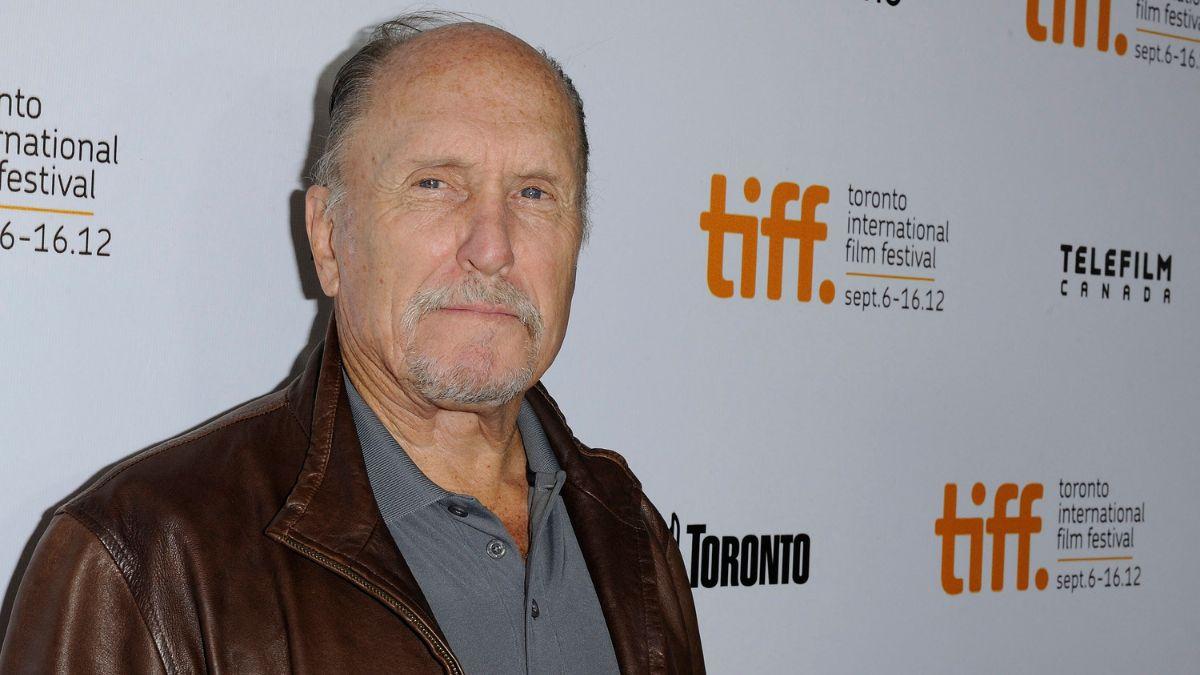
His real estate portfolio included the 360-acre Byrnley Farm estate in Middleburg, Virginia.

Beyond acting, Duvall diversified. He founded Butcher's Run Films in 1992, gaining ownership stakes in projects he wrote and directed, including The Apostle.
A Hollywood financial analyst said, "Unlike stars who chased superhero franchises, Duvall built equity in his own work. That gave him income beyond salary – producing fees, backend points, and long-term royalties."
His assets included Byrnley Farm, a 250-year-old Georgian estate in Fauquier County, Virginia, spanning more than 360 acres, purchased in 1994.
Friends said he preferred the quiet of Middleburg to Hollywood excess. Over his career, Duvall received seven Academy Award nominations, one Oscar win, and multiple Golden Globe and Emmy awards – recognition that underpinned both his stature and his earning power.

Never Miss an

Daily updates from the heart of Hollywood, right to your inbox
By entering your email and clicking Sign Up, you’re agreeing to let us send you customized marketing messages about us and our advertising partners. You are also agreeing to our Terms of Service and Privacy Policy.
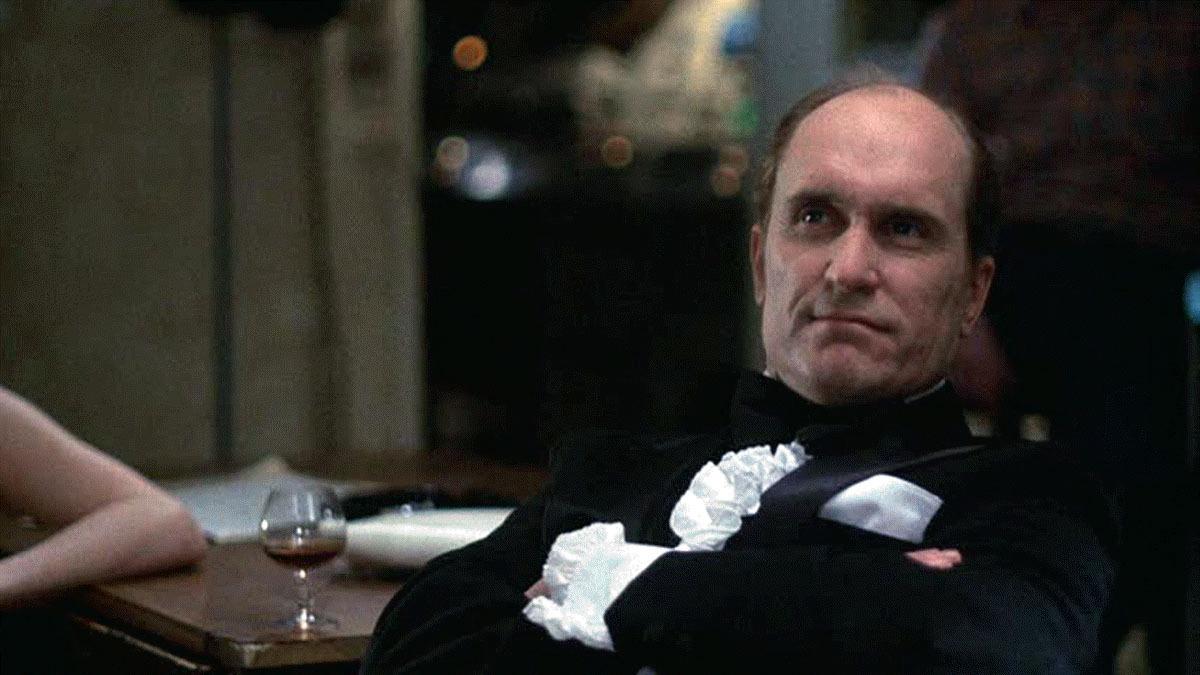
The actor lived in a 270-year-old Georgian farmhouse on his sprawling Virginia property.
Despite being in Vietnam epic Apocalypse Now for only 11 minutes, his performance as the callous Colonel Kilgore still stands out as one of the most memorable parts of the film.
He is also often quoted for his iconic line: "I love the smell of napalm in the morning... smells like... victory."
