


Republican Sen. John Kennedy Compares Trump's ‘Friend' Vladimir Putin and China's Xi Jinping to Hannibal Lecter — as He Warns Prez Against 'Pretty Talk'

Kennedy made the remarks while speaking about Trump’s meeting with Putin and Xi.
Nov. 22 2026, Published 2:06 p.m. ET


Sen. John Kennedy likened Russian President Vladimir Putin and Chinese President Xi Jinping to fictional cannibal Hannibal Lecter, warning President Donald Trump not to let friendly exchanges get in the way of standing up to America's rivals.
During a Sunday, November 22, appearance on NBC's "Meet the Press," the Louisiana Republican described the two leaders as "predators" and urged Trump to demonstrate strength when dealing with them.
"Putin and Xi are predators," Kennedy told host Kristen Welker. "They want to eat America's liver with some fava beans and a nice Chianti."
The remark referenced Anthony Hopkins' portrayal of Lecter in the 1991 thriller "The Silence of the Lambs."
Kennedy made the comparison while discussing Trump's November 19 meeting with Putin and Xi in Shenzhen, China, marking the first time the three leaders had gathered for a trilateral summit.
Kennedy Urges Trump to Take a Tougher Approach With Putin and Xi

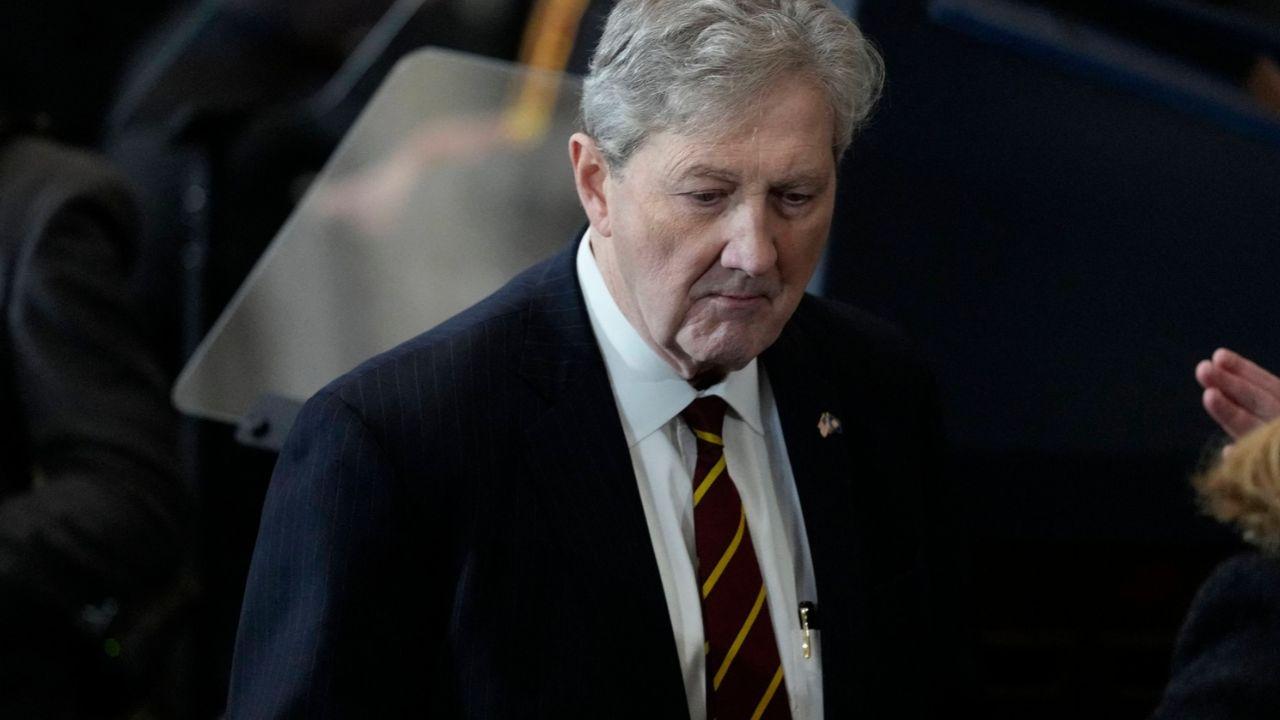
The Louisiana Republican called Putin and Xi predators and invoked Lecter’s famous line about fava beans and a nice Chianti.
Although Kennedy considered the gathering worthwhile, he stressed that cordial conversations should not replace firm positions on issues affecting American interests.
"Pretty talk doesn't help. You've got to show strength. You've got to show resolve," he said.
The senator added that Trump did not have to be disrespectful toward either leader. However, he wanted the president to make it clear that Washington would stand behind its demands.
"You don't get any credit for these guys by being a swell person, using a lot of pretty talk," Kennedy said.
He particularly pointed to Russia's ongoing war against Ukraine as an issue that should remain central to Trump's dealings with Putin.
Trump Refers to Putin as His 'Friend' After China Summit
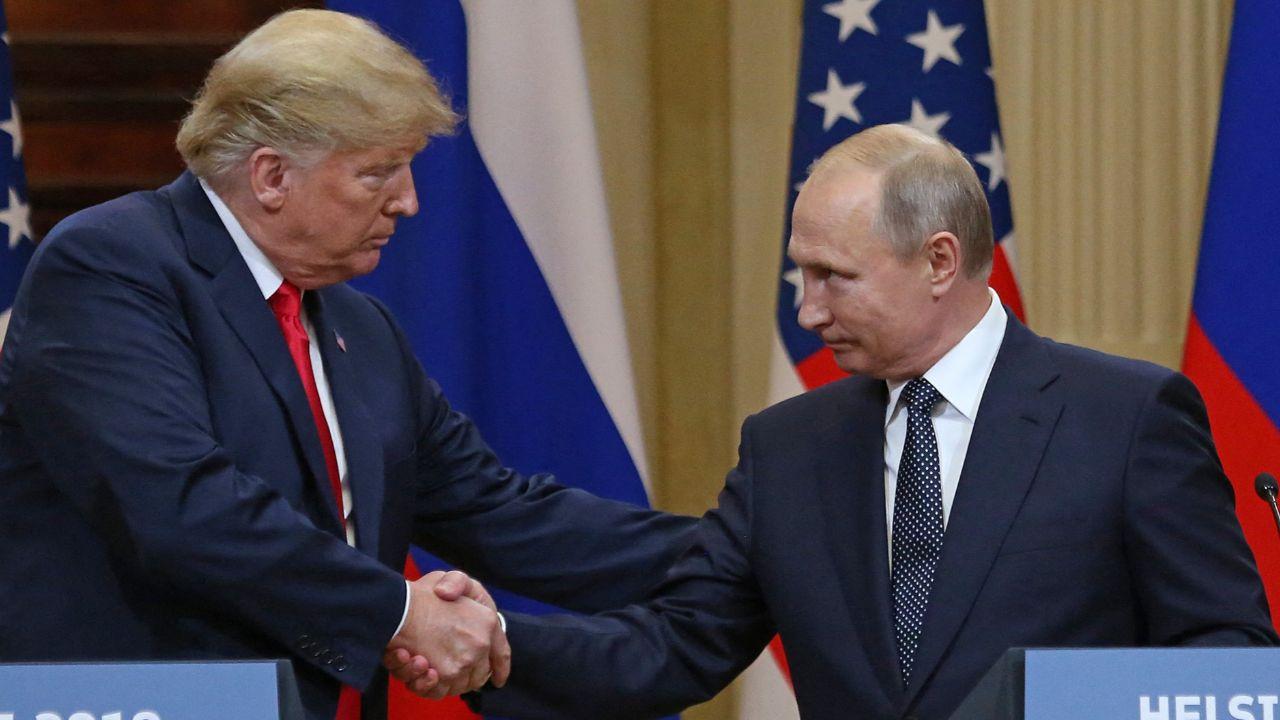
He said the meeting was a good thing, provided the United States used it to demonstrate resolve and pursue its interests.
Kennedy's comments followed Trump's public display of friendliness toward the Russian president during the China trip.
Ahead of the trilateral meeting, Trump referred to Putin as his "friend." He also described the gathering as historic, saying the three countries were "making history."
Trump's warm language prompted a pointed response from Polish Prime Minister Donald Tusk, who wrote on X, "God, protect us from such friends."
Tusk's reaction reflected concerns among Ukraine's European allies about the implications of Trump's friendly approach toward Moscow.
Trump, Putin and Xi Hold Historic Three-Way Meeting
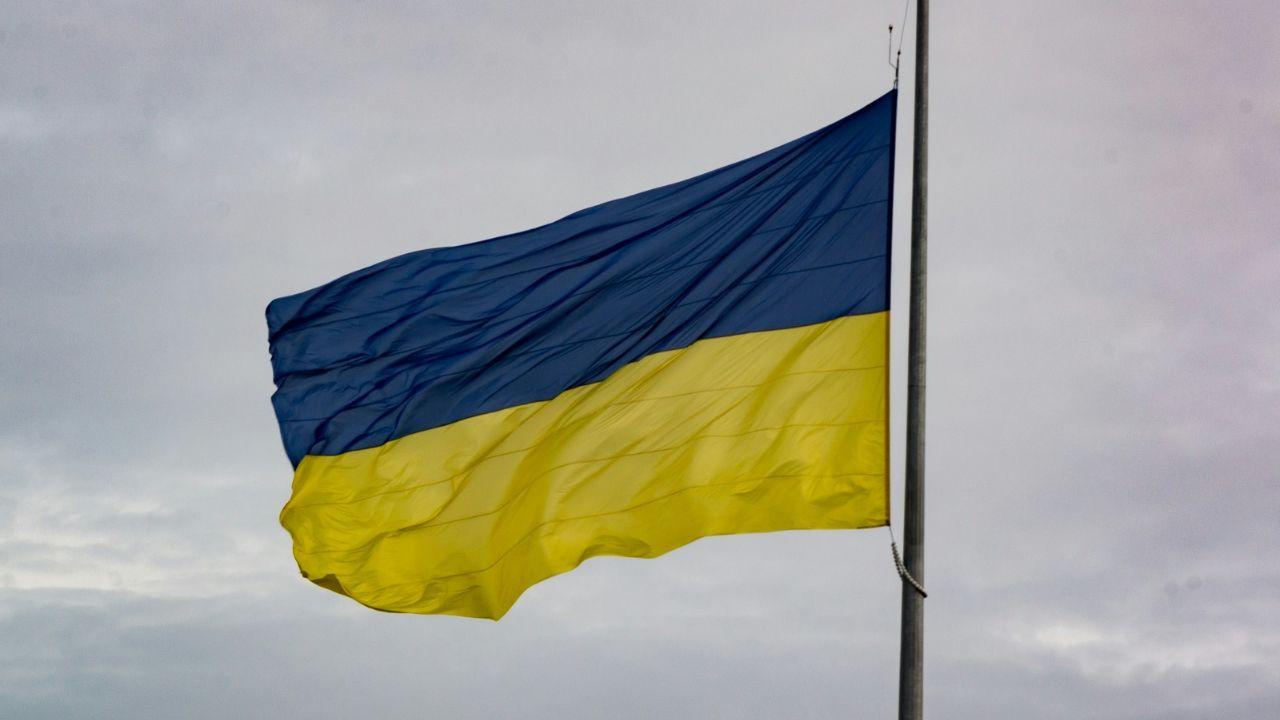
Kennedy urged Trump to press Putin and Xi on major issues, especially Russia’s war against Ukraine.
The November 19 gathering took place on the sidelines of the Asia-Pacific Economic Cooperation summit in Shenzhen. It brought together the leaders of the United States, Russia and China for their first trilateral meeting.
The war in Ukraine was among the subjects discussed. Trump said he and Putin had already held lengthy conversations about the conflict before the three-way discussions began.
The meeting also produced a joint declaration addressing issues including energy supplies, United Nations reform and nuclear risks. However, it did not produce a specific agreement to resolve the war in Ukraine
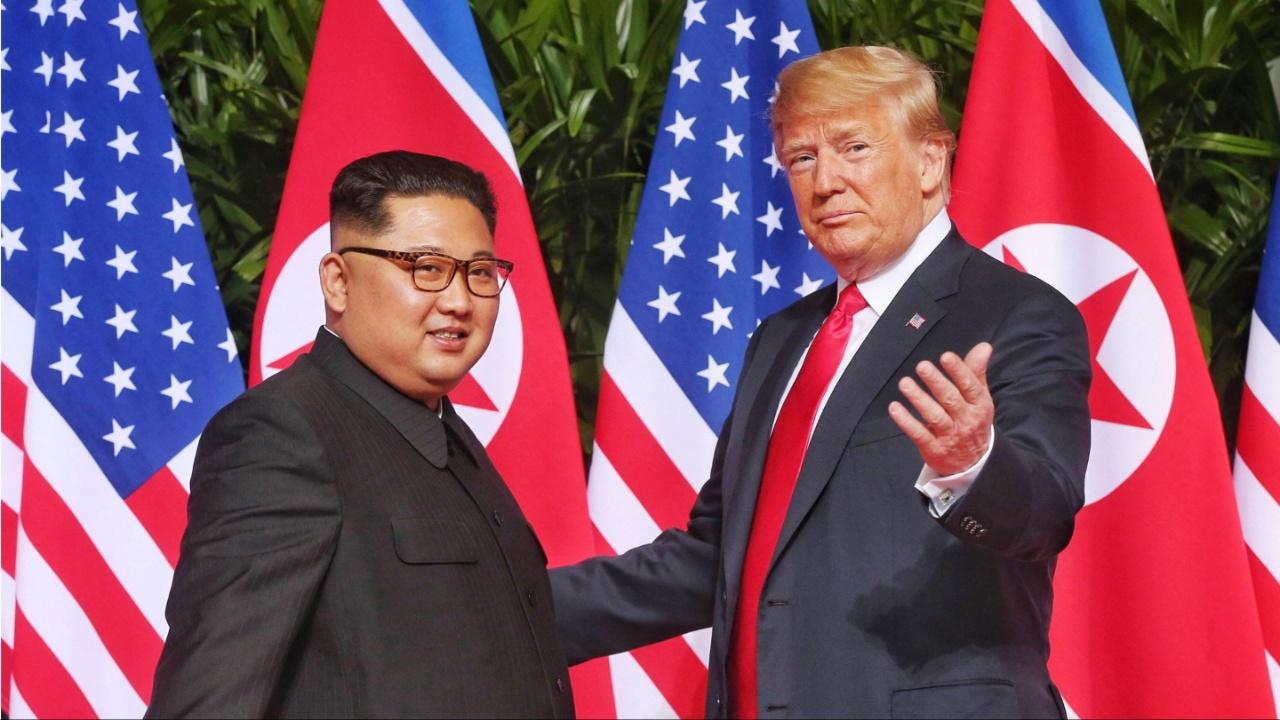
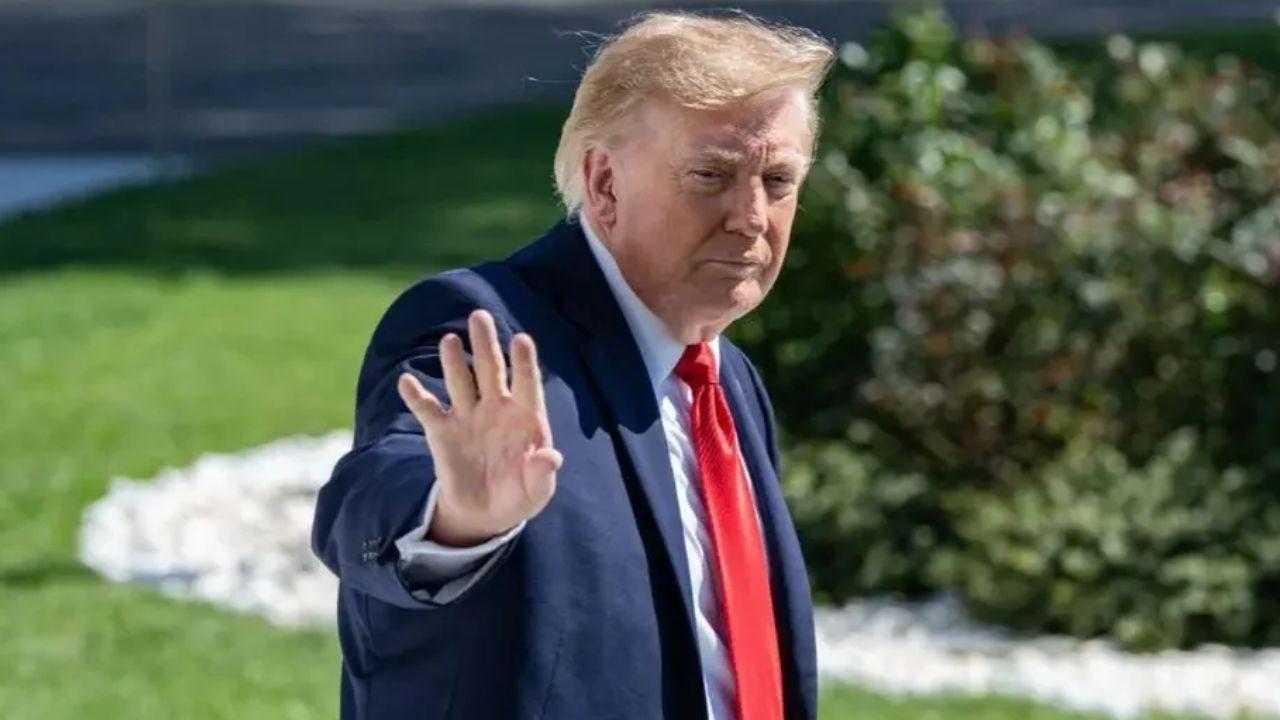
Kennedy Says Diplomacy Must Be Backed by Resolve

Never Miss an

Daily updates from the heart of Hollywood, right to your inbox
By entering your email and clicking Sign Up, you’re agreeing to let us send you customized marketing messages about us and our advertising partners. You are also agreeing to our Terms of Service and Privacy Policy.
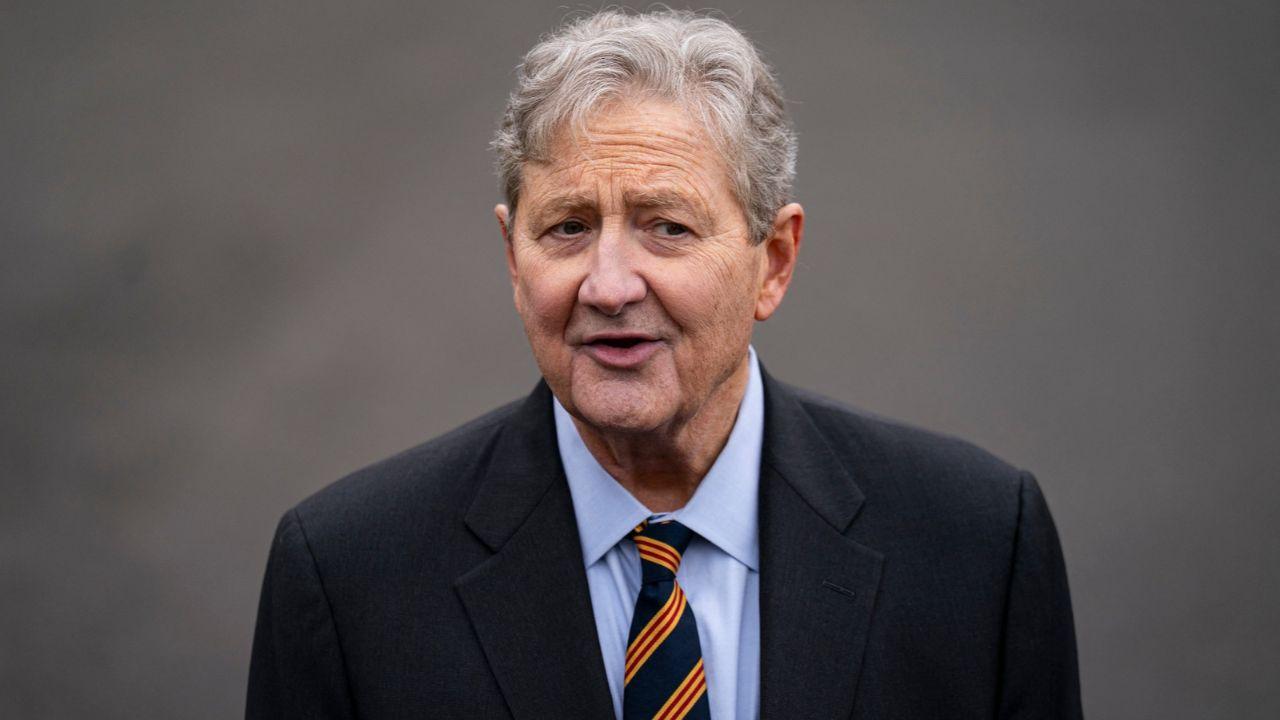
Kennedy said Trump need not be rude in meetings, but should make clear that the United States means business.
Kennedy acknowledged the importance of maintaining communication between the three nuclear powers, despite their competing interests.
"I think it's a good thing that the presidents of the three most powerful countries in the world are meeting, so long as America uses the opportunity to show its resolve," he said.
His comments underscored the distinction between maintaining diplomatic relationships and allowing personal rapport to overshadow difficult foreign policy discussions.
