


EXCLUSIVE: Radar Reveals the One Mealtime Rule 'Usually Ultra-Strict' Queen Elizabeth Broke for Guests

The late queen is believed to have done away with a key dinner rule.
March 1 2026, Published 12:00 p.m. ET


Queen Elizabeth may have been famed for her adherence to royal protocol, but RadarOnline.com can reveal she quietly broke one of the monarchy's most rigid dining rules – slowing her famously brisk eating pace to ensure guests were not left with unfinished plates.
As sovereign for 70 years until she died in 2022 at the age of 96, Elizabeth presided over countless state banquets, diplomatic dinners, and private gatherings at Buckingham Palace, Windsor Castle, and Balmoral.
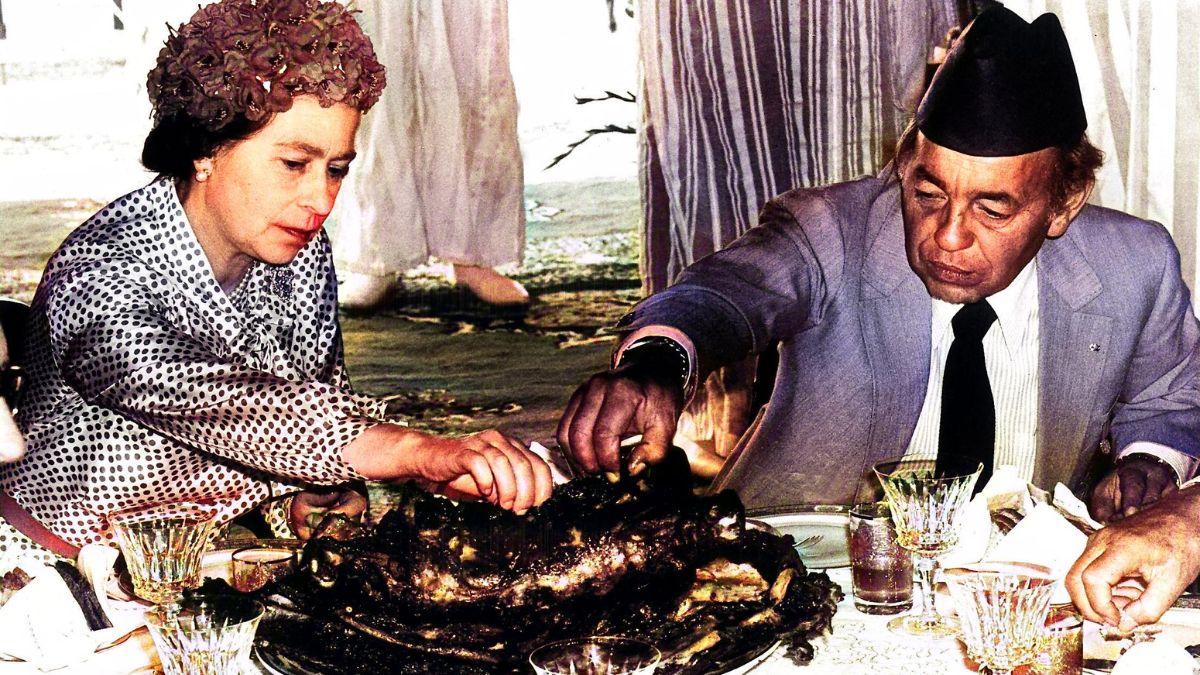
Queen Elizabeth II broke a rigid royal dining rule to accommodate her guests.

Royal etiquette traditionally dictates the monarch controls the rhythm of a meal, and once the reigning sovereign puts down their cutlery, the rest of the table must immediately follow. The rule is intended to maintain order and reinforce hierarchy at formal occasions.
However, according to etiquette experts, the late Queen was known to exercise discretion when entertaining.
One expert with intimate knowledge of Elizabeth's dining habits said, "Left to her own devices, the Queen had a habit of eating at quite a brisk pace. Meals were functional for her, she was not someone who lingered unnecessarily. However, the moment she was hosting or seated with guests, that tempo would noticeably change."
'An Intentional Adjustment' For Guest Comfort
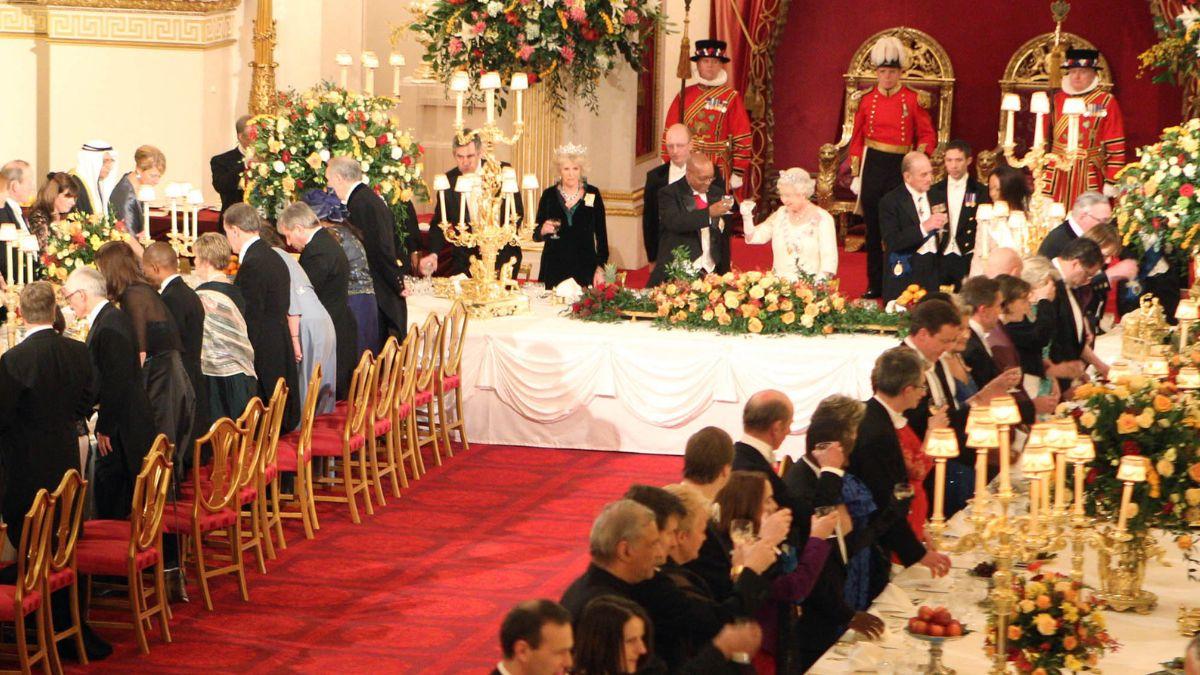
Queen Elizabeth deliberately slowed her eating pace to ensure guests finished their meals, according to a source.
The expert continued: "She was acutely conscious of the unspoken rule that once the sovereign stops eating, everyone else must follow. So rather than risk cutting short someone's meal, she would deliberately slow herself down, taking smaller bites, pausing between courses, allowing conversation to breathe. It was a subtle adjustment, but an intentional one.
"It demonstrated her awareness of the power dynamic at the table. She understood that her habits could dictate the experience of others. By moderating her speed, she ensured that protocol did not overshadow hospitality."
Another expert in royal protocol said, "The principle that the sovereign dictates the tempo of a meal is one of the oldest and most ingrained customs at the royal table. It reinforces hierarchy in a very visible way. For a monarch to consciously adjust that rhythm, even subtly, is significant.
"What it suggests is that Elizabeth was prepared to prioritize the comfort of her guests over the strict performance of tradition. Rather than allowing ceremony to dominate the occasion, she appears to have viewed etiquette as a framework, something to guide behavior, not to unsettle those invited to dine with her."
Discipline Balanced With Courtesy
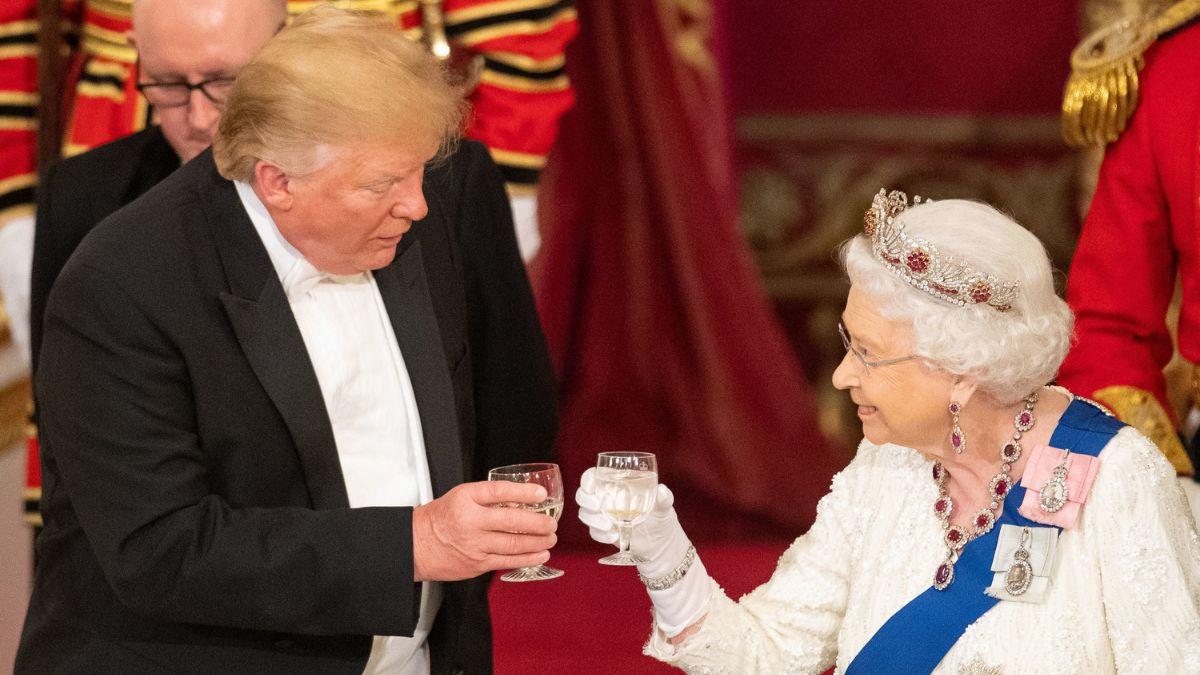
The Queen maintained simple tastes and preferred comfort foods like cottage pie.
"Her image has long been one of discipline and ultra-strict adherence to duty, and that is entirely accurate," the insider added. "But anecdotes like this reveal another dimension, a practical understanding that good manners are ultimately about putting people at ease. In that sense, she seems to have recognized that protocol should enhance hospitality, not overshadow it.
Whether King Charles III, 77, maintains the same approach remains unclear. Charles is known for his interest in organic produce and sustainability, while Queen Camilla, 78, has been described by her son, food critic Tom Parker-Bowles, as someone who often avoids chillies and garlic.
A palace source said: "In the careful choreography of royal life, even the placement of a fork carries meaning, yet behind the formality, Elizabeth's subtle adjustment of tempo shows a monarch who understood that true authority can also be expressed through quiet consideration."

Never Miss an

Daily updates from the heart of Hollywood, right to your inbox
By entering your email and clicking Sign Up, you’re agreeing to let us send you customized marketing messages about us and our advertising partners. You are also agreeing to our Terms of Service and Privacy Policy.
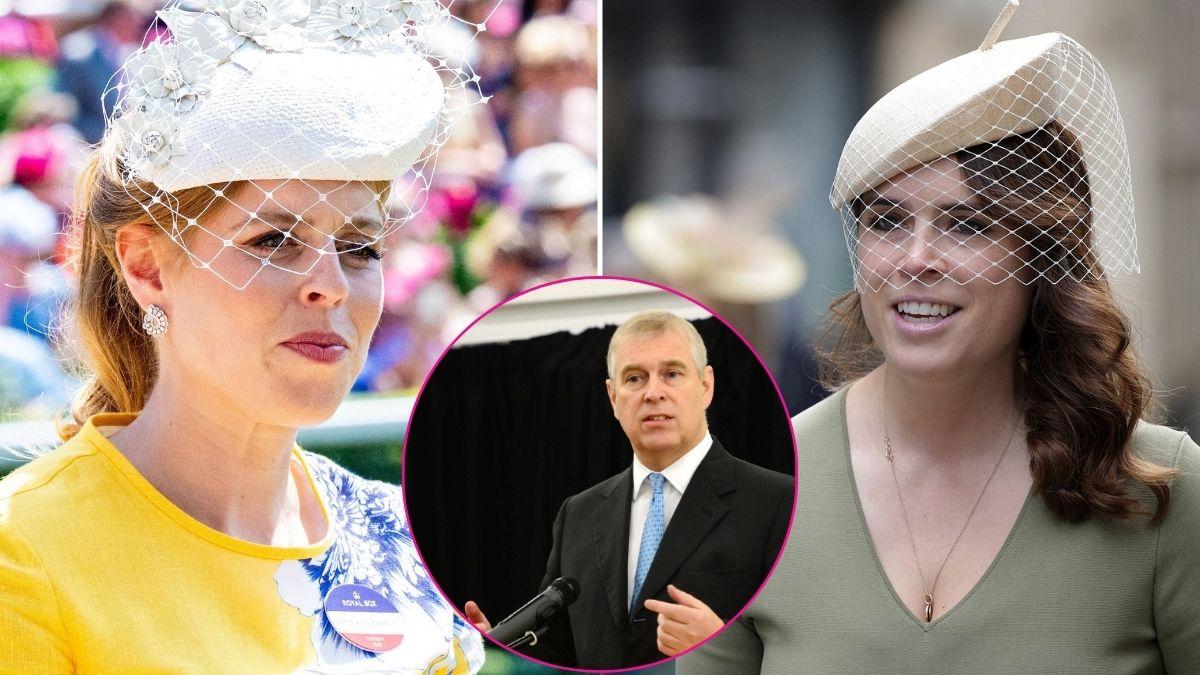
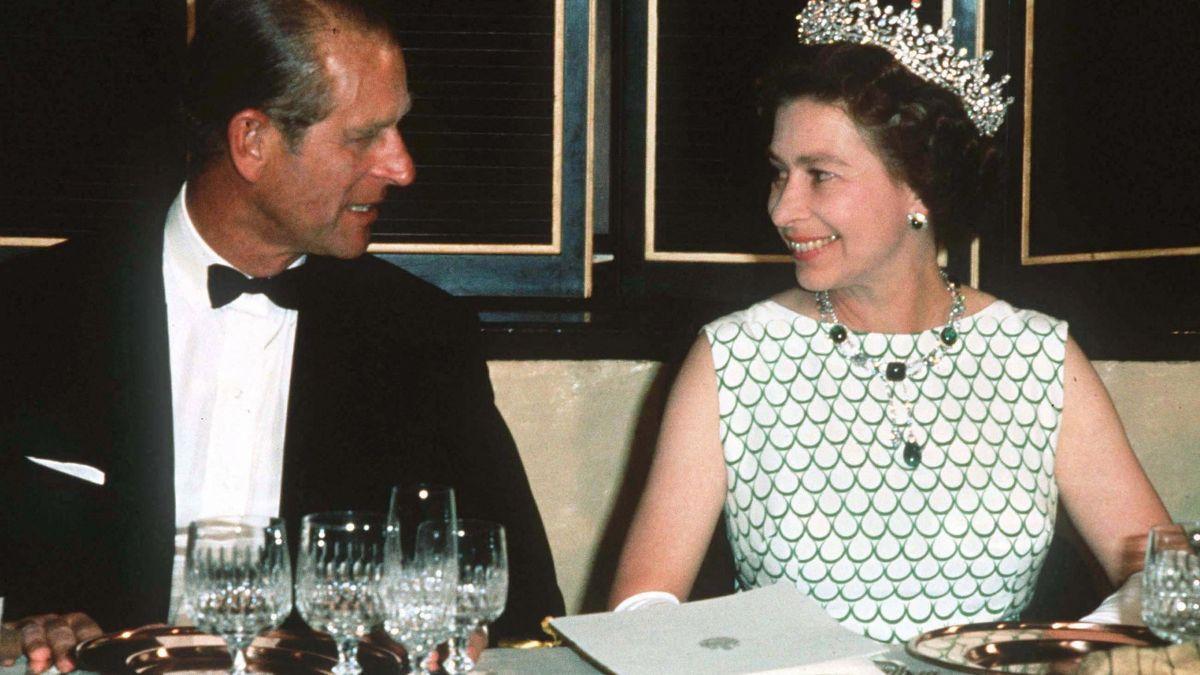
Prince Philip hosted dinner parties featuring the garlic-heavy dishes he loved.
The revelation offers a glimpse into the late monarch's hosting style, one that blended institutional tradition with personal courtesy. While the Queen was widely regarded as disciplined and exacting, former staff have often described her as acutely aware of the comfort of those around her.
That flexibility did not extend to all aspects of royal dining. Darren McGrady, 64, who served as a chef to the royal household for 15 years, said Elizabeth maintained relatively simple tastes.
He added, "The Queen was very frugal, likely due to her wartime upbringing. Ingredients like lobster, caviar, and foie gras were reserved for state banquets. On normal days, she was perfectly happy with comfort food, so we cooked meals like cottage pie."
McGrady also said: "There weren't banned foods, but the Queen didn't like garlic or strong onions, viewing them as antisocial. Prince Philip, who died in 2021 aged 99, however, loved garlic and would have it at his dinner parties."
