


EXCLUSIVE: Queen Elizabeth's 'Brutal' Dietary Requirements Revealed Four Years on From Her Death Aged 96

Queen Elizabeth had a particular diet requirement while alive.
June 27 2026, Published 1:00 p.m. ET


Queen Elizabeth II maintained a surprisingly strict approach to food throughout her record 70-year reign, with former palace staff revealing one of the world's most recognizable monarchs steadfastly refused to eat pizza as younger members of the Royal Family embraced the popular dish.
As RadarOnline.com has reported, the late Queen, who died in 2022 aged 96, was known for her disciplined routines and meticulous attention to detail – qualities which extended far beyond matters of state and into her strict daily diet.
The Queen's Surprising Pizza Ban

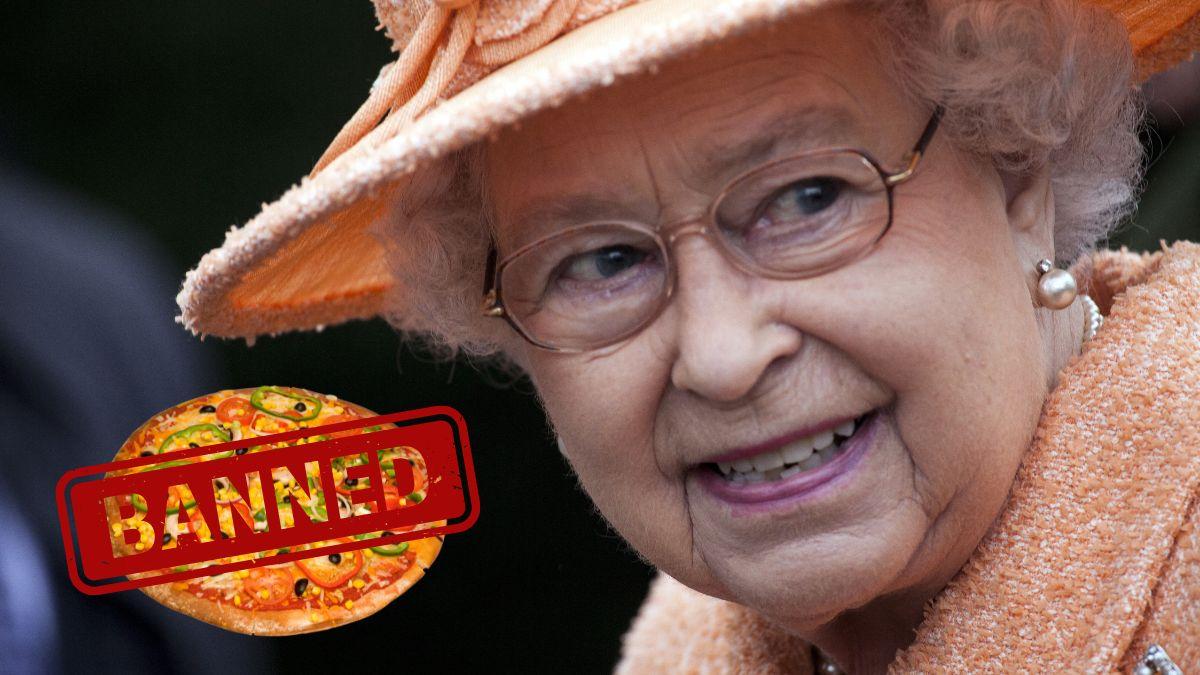
The late Queen steadfastly refused to eat pizza.
During her reign from 1952 until her death, Buckingham Palace kitchens operated according to her preferences, and among the foods notably absent from royal menus during her presence was pizza.
According to former royal chef Darren McGrady, 64, who worked for the monarch between 1982 and 1993 before moving to Kensington Palace, the Italian favorite was never served to Elizabeth while he cooked for her.
Reflecting on his years in the royal kitchens, McGrady said: "In the years that I cooked at (Buckingham Palace), the Queen never had pizza. I didn't start cooking pizza until I moved across to Kensington Palace."
The revelation has reignited fascination with the late monarch's famously disciplined eating habits.
A former palace staffer told us: "The Queen's approach to food was remarkably practical and consistent. She wasn't interested in culinary trends or indulgence for the sake of it. Meals were often viewed as fuel for a demanding workload rather than an opportunity for extravagance, and she generally preferred traditional dishes she knew and trusted.
"People are sometimes surprised to learn how restrained her tastes could be, and they may sound brutal to outsiders. But there was a simplicity to many of her preferences that reflected her broader character. She valued routine, reliability, and moderation, and those principles often extended to what appeared on her plate."
Prince William Loved Royal Pizza Nights

The chef made pizza all the time for Prince William.
While pizza never made its way onto the Queen's menu, other royals were considerably more enthusiastic about the dish.
After relocating to Kensington Palace, McGrady cooked for Princess Diana, who died in 1997 aged 36, as well as Prince William, now 43, and Prince Harry, 41.
According to the chef, pizza became a regular feature of family meals there.
He said: "I (made) pizza all the time for William. In my second cookbook, The Royal Chef at Home, there's a chicken tikka masala pizza (recipe) because he loves Indian food. The pizza combined the two."
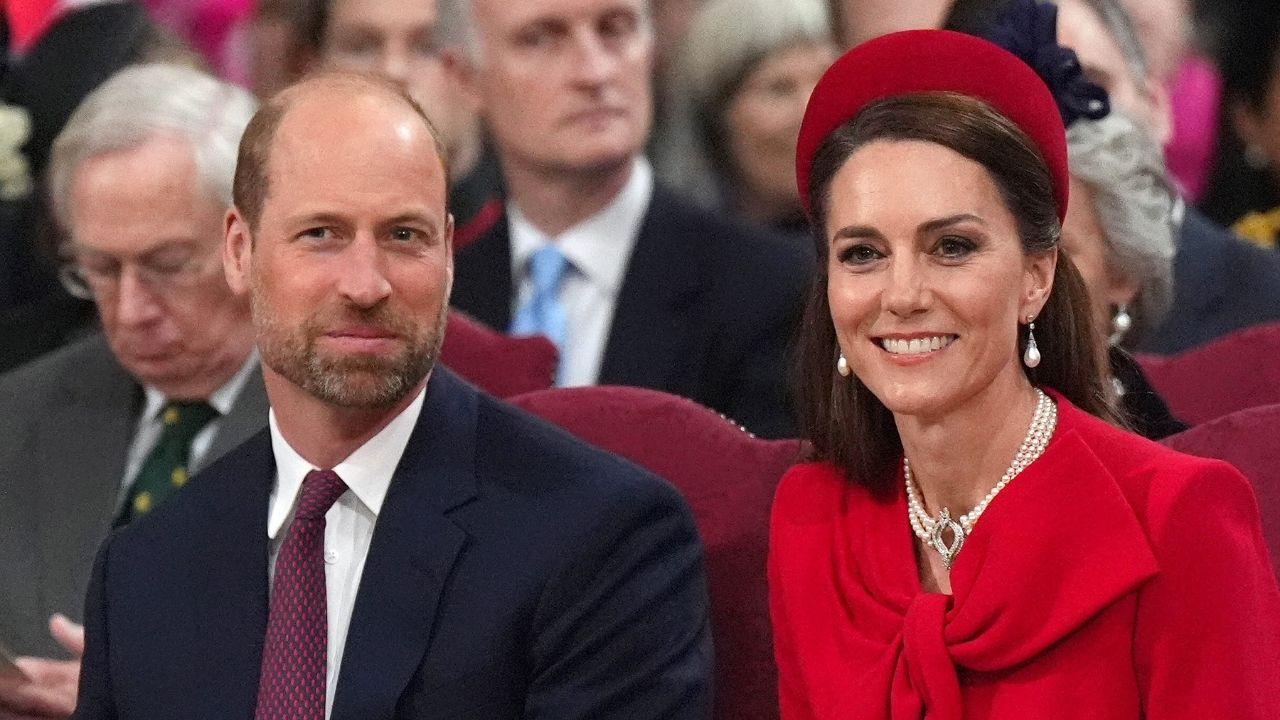
Princess Catherine, 44, also addressed the subject during a 2019 visit to King Henry's Walk Garden in Islington. During a pizza-making activity with local schoolchildren, one child asked whether the Queen had ever tried pizza.
Catherine replied: "You know, that's such a good question. I don't know. Maybe next time I see her – shall I ask?"
Inside The Queen's Diet Secrets
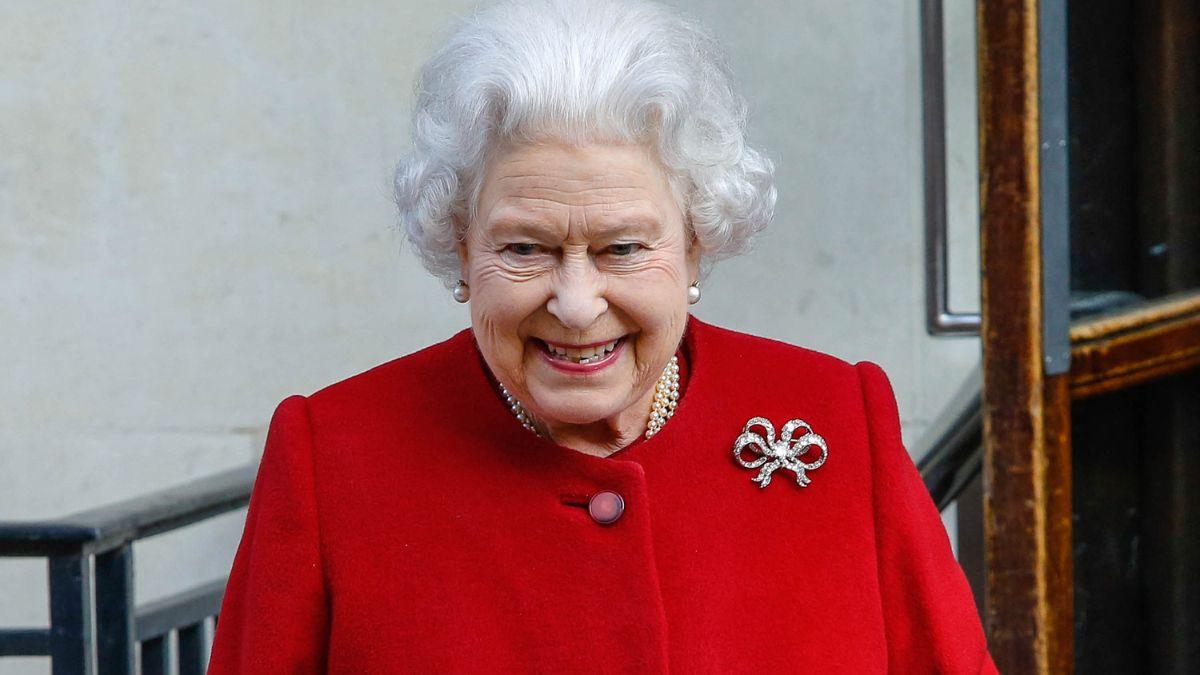
Queen Elizabeth enjoyed unconventional breakfast choices.
The Queen's culinary preferences extended beyond her aversion to pizza. McGrady also revealed she enjoyed unconventional breakfast choices, including kippers, and favored homemade burgers prepared from venison sourced from royal estates.
A royal household source said: "The Queen was never someone who followed food fashions. Her tastes were shaped by tradition and by a generation that viewed meals very differently from today. She appreciated quality ingredients, but she wasn't drawn to rich or overly elaborate dishes."
One of the more unusual meals served during McGrady's tenure involved veal burgers stuffed with cranberries and served without a bun.
According to nutrition experts, the choice offers several health advantages.

The Burger Behind Her Health

Never Miss an

Daily updates from the heart of Hollywood, right to your inbox
By entering your email and clicking Sign Up, you’re agreeing to let us send you customized marketing messages about us and our advertising partners. You are also agreeing to our Terms of Service and Privacy Policy.
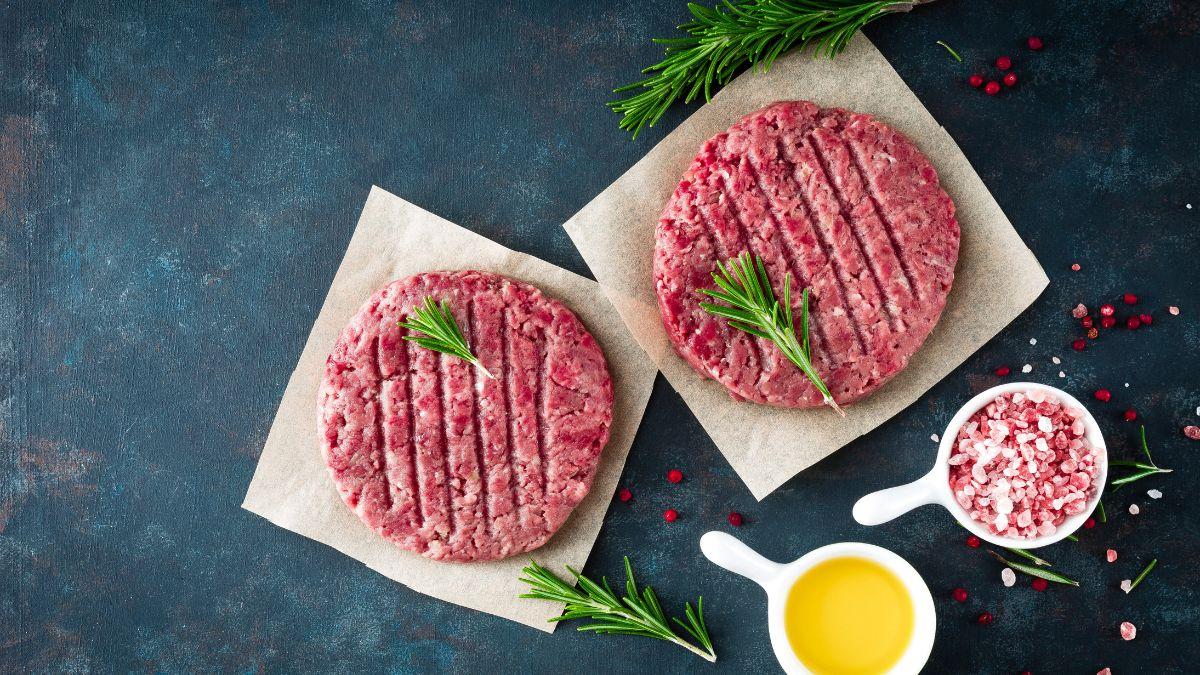
Kitchen staff served veal burgers without a bun.
One said, "From a nutritional standpoint, it's actually a very interesting way to serve a burger. Veal tends to be naturally leaner than many other cuts of red meat, meaning it can provide substantial amounts of high-quality protein while containing less fat than people might expect. It's also rich in key nutrients such as iron, zinc, and B vitamins, all of which play important roles in supporting energy production, immune function, and overall health.
"The decision to serve the burger without a bun is equally noteworthy. Traditional burger buns are typically made from refined carbohydrates, which are digested relatively quickly by the body. For some people, this can contribute to fluctuations in blood sugar levels and the feeling of sluggishness or reduced energy that occasionally follows a heavier meal.
They continued, "By removing the bun and focusing on the protein-rich meat and accompanying ingredients, the meal becomes lower in refined carbohydrates while remaining filling and nutrient-dense. It is a combination that may help promote steadier energy levels throughout the day and reduce the likelihood of experiencing a post-lunch energy slump."
"What's particularly striking is that the meal reflects a fairly modern nutritional philosophy despite being served years ago. Today, many people are increasingly looking for ways to prioritize protein intake while reducing highly processed carbohydrates, and this style of preparation aligns closely with that approach."
"Combined with ingredients such as cranberries, which contribute flavor and additional nutrients, the result is a meal that balances taste with practicality," the expert added.
"For someone with an exceptionally demanding schedule, like Queen Elizabeth had for much of her life, choosing foods that are satisfying without being overly heavy would have made a great deal of sense."
