


EXCLUSIVE: Why Royal Rebel Princess Diana's $500MILLION Wedding Tiara Smashed The Firm's Rules and Put Her on Collision Course With Monarchy

Princess Diana's tiara broke a major rule.
Feb. 11 2026, Published 7:00 p.m. ET


Princess Diana stunned the monarchy on her 1981 wedding day by choosing a $500million family tiara over a royal heirloom – a decision sources have told RadarOnline.com "smashed The Firm's rules" and quietly set her on a collision course with palace tradition.
When Diana Spencer, then 20, married Prince Charles, now 77, before an estimated global TV audience of 750 million, she stepped into St Paul's Cathedral in London wearing the Spencer Tiara – a diamond garland-style headpiece that had belonged to her family for generations.
Princess Diana Wedding Tiara Choice Broke Royal Tradition

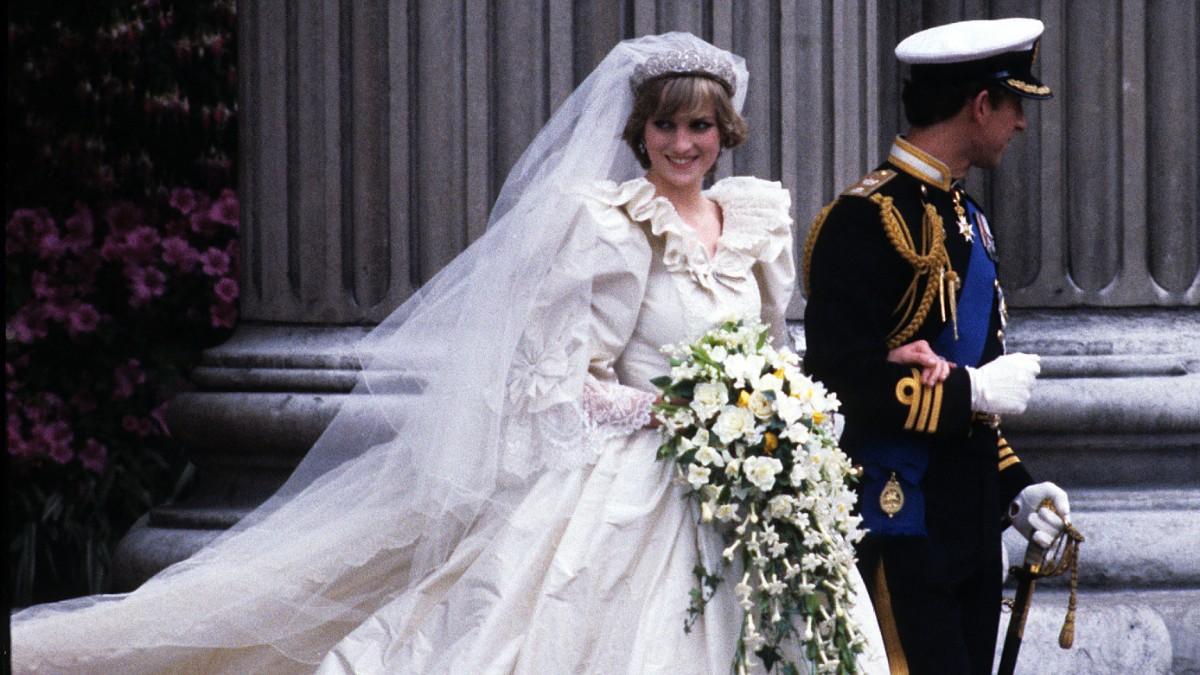
Princess Diana chose the Spencer Tiara for her 1981 royal wedding.
Royal brides traditionally borrow from the Crown's collection, yet Diana chose to honor her own lineage rather than adopt a piece from her husband's side.
A royal historian told us: "In choosing the Spencer Tiara, Diana made a quiet but unmistakable statement. There was no public defiance, no dramatic gesture – yet within royal circles it was understood as a break from convention.
"The expectation for a bride marrying into the family was to adopt its symbols, particularly on a day watched by hundreds of millions. By opting for her own ancestral heirloom, she gently but firmly disrupted that tradition."
The expert added: "It may have appeared like a purely sentimental decision, but it carried institutional weight. From the outset, Diana demonstrated that she would not dissolve entirely into the machinery of the monarchy.
"She was prepared to honor her birth family and assert her individuality, even within one of the most rigid ceremonial frameworks in the world. In many ways, that choice foreshadowed the independent path she would later carve out – balancing duty with a strong sense of self."
The History and Value of the Spencer Tiara
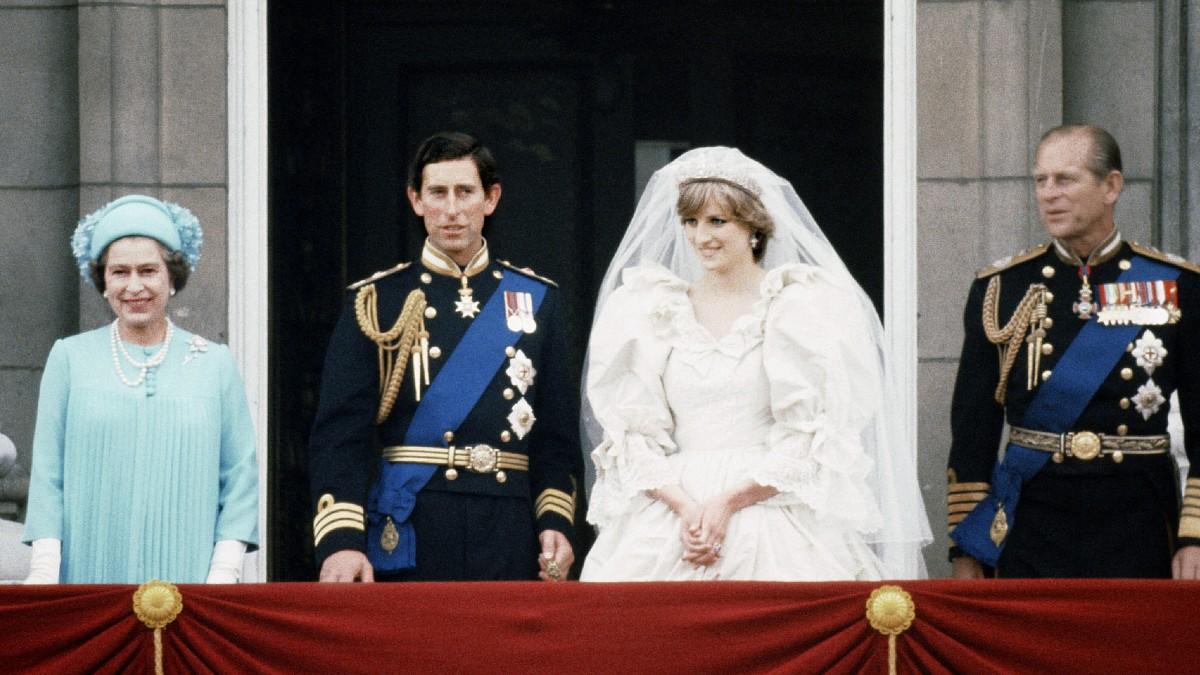
She honored her Spencer lineage before a global audience of millions.
The Spencer Tiara, estimated in 2024 to be worth more than $500million, dates in its modern form to the 1930s, though elements may trace back to the 18th century.
Its central section is thought to have been gifted in 1919 to Lady Cynthia Hamilton, Diana's grandmother, and later reconfigured by Garrard, the former court jeweler, in 1937.
Unlike the geometric precision of many royal tiaras, the Spencer piece features scrolling diamond garlands and floral motifs, with a heart-shaped centerpiece.
Diana wore the tiara on loan from her father, John Spencer, the 8th Earl Spencer. Her sisters, Lady Jane Fellowes and Lady Sarah McCorquodale, had also worn it at their own weddings. Today, it belongs to her brother, Charles Spencer, the 9th Earl Spencer.
A palace source said: "There was a long-established understanding that a bride entering the royal family would draw from the monarch's collection – it's part of the symbolism of joining the institution. That was the precedent, and many assumed she would follow it without question.
"Instead, Diana chose a piece rooted in her own family's history. It wasn't an act of rebellion in a loud or confrontational sense, but it was deeply personal. She was signaling that, even as she stepped into her new role, she intended to hold on to where she came from.
"Looking back, that decision feels emblematic of the way she would approach royal life. She respected the structure, but she wasn't prepared to surrender her individuality. The tiara choice was an early glimpse of the independent spirit that would come to define her public identity."
Why Diana Continued Wearing the Spencer Tiara
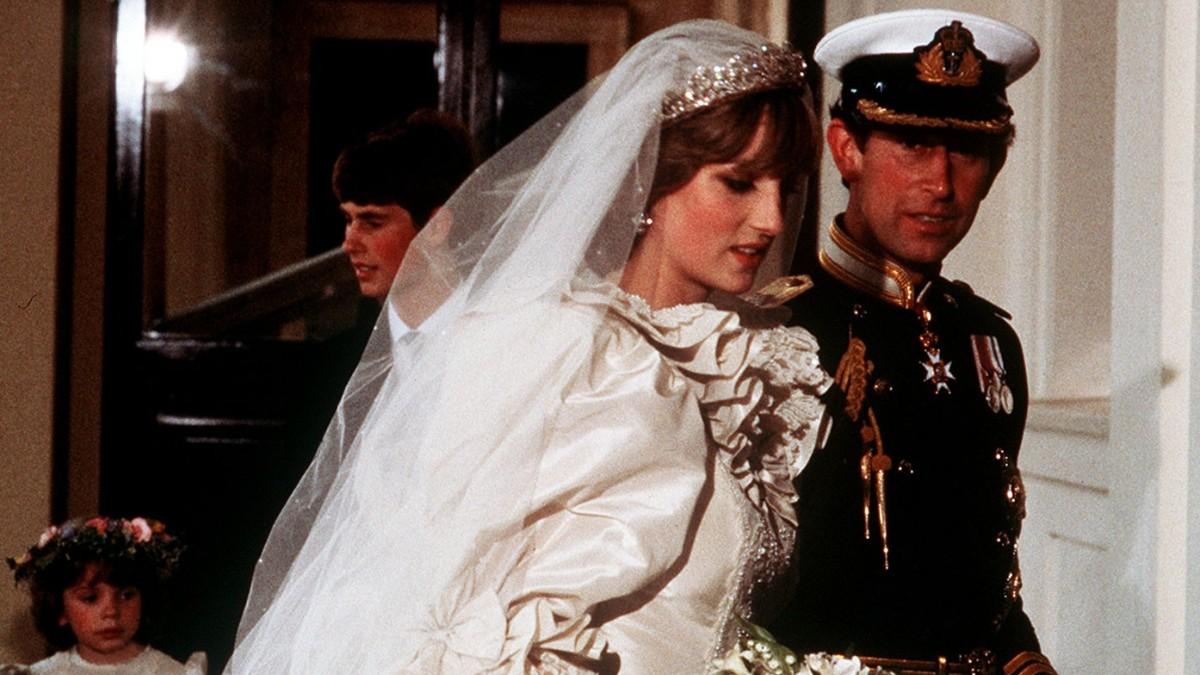
Princess Diana continued to wear the Spencer Tiara at state banquets and diplomatic events.

Never Miss an

Daily updates from the heart of Hollywood, right to your inbox
By entering your email and clicking Sign Up, you’re agreeing to let us send you customized marketing messages about us and our advertising partners. You are also agreeing to our Terms of Service and Privacy Policy.
After the wedding, Diana continued to favor the Spencer Tiara during her 15 years as Princess of Wales. She wore it at state banquets, diplomatic receptions, and overseas tours.
Only Queen Mary's Lover's Knot – now associated with Catherine, Princess of Wales, 44 – rivaled it as her most frequently worn headpiece.
A source said, "Diana gravitated back to the Spencer Tiara time and again because it anchored her. Amid the grandeur and strict protocol of royal life, it connected her to her childhood, her upbringing, and the family identity she had long before she became Princess of Wales."
"Wearing it wasn't simply about aesthetics or preference – it carried emotional weight. Each time she placed it on her head, it was a quiet acknowledgment of her origins. It served as a reminder that her story did not begin at the palace gates," the insider continued.
"Before the titles, before the scrutiny, Diana was a Spencer – and that lineage remained central to how she saw herself."
The tiara was last worn publicly by Diana in 1993 at a Malaysian state banquet at London's Dorchester Hotel.
Following her death at 36 in 1997, it was displayed in the traveling exhibition, "Diana: A Celebration," before disappearing from public view.
It was not worn again until 2018, when her niece Celia McCorquodale chose it for her own wedding.
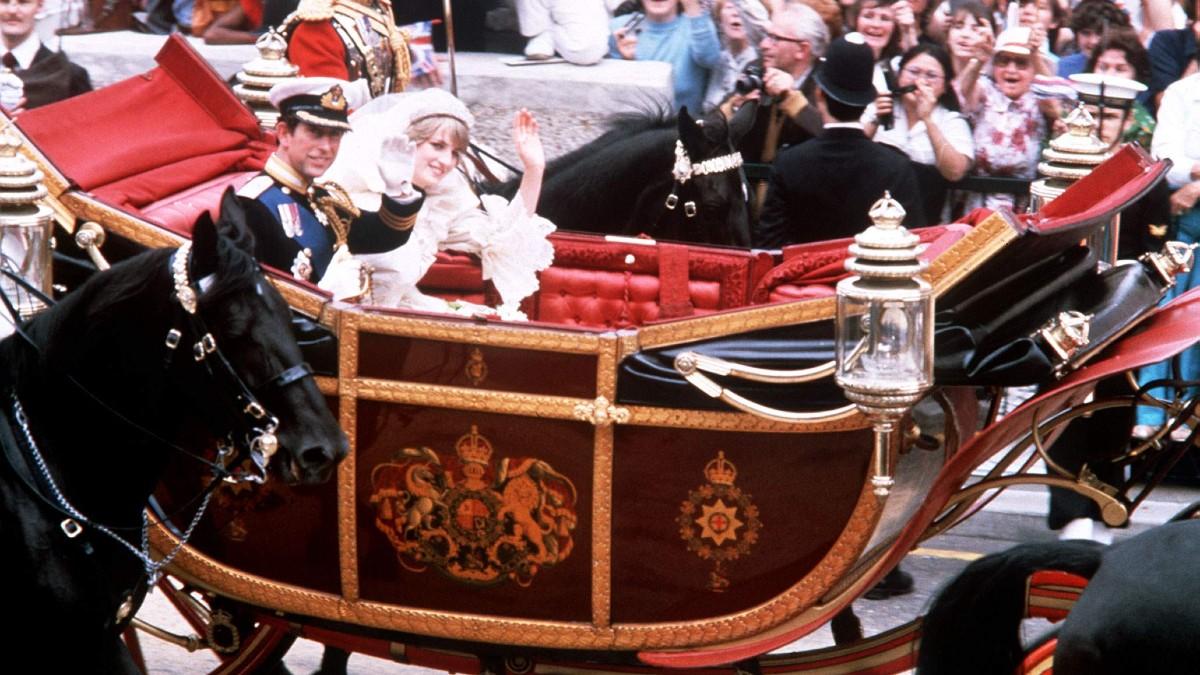
Princess Diana’s choice signaled her independent spirit from the very beginning.
Neither Princess Catherine nor Meghan Markle, 44, wore the Spencer Tiara at their weddings, as it remains a Spencer family heirloom. It is expected eventually to pass to Charles Spencer's son.
A former palace aide said: "To the outside world, Diana's choice to wear that treasure at her wedding may have looked like a simple stylistic decision – just another element of a spectacular day.
"But in palace circles, symbols matter enormously. The choice of tiara was interpreted as a quiet declaration of intent.
"From the very beginning, there was a sense that Diana was not going to move entirely in lockstep with tradition. She respected the pageantry, but she was not inclined to follow every unwritten rule without question. That independent current was visible even on her wedding day."
The insider added: "And in retrospect, that moment feels telling. "It hinted at the tension that would later surface between her personal instincts and the expectations of the institution.
"The tiara was small in scale compared to the larger dramas that followed, but it was an early indication that she would chart her own course – even if that put her at odds with the system she had married into."
