


EXCLUSIVE: Why 'Title-Stripped' Andy Windsor is STILL Technically the Duke of York — And How He is Set to Flaunt Title in Middle East

Shamed Andrew Windsor may have been publicly stripped of his royal title, but he is still technically Duke Of York.
Jan. 30 2026, Published 5:43 p.m. ET


Shamed Andrew Windsor may have been publicly disgraced, ceremonially stripped of his royal title and pushed out of the inner circle by his brother King Charles – but RadarOnline.com can reveal one of the monarchy's most stubborn legal quirks means he remains, in strict constitutional terms, the Duke of York.
The point has resurfaced following 77-year-old Charles' dramatic intervention last November, when Buckingham Palace announced Andrew Mountbatten-Windsor, 65, would no longer be entitled to use the title of Royal Highness or the title of Prince.
Prince Andrew Removed from Official Roll of the Peerage

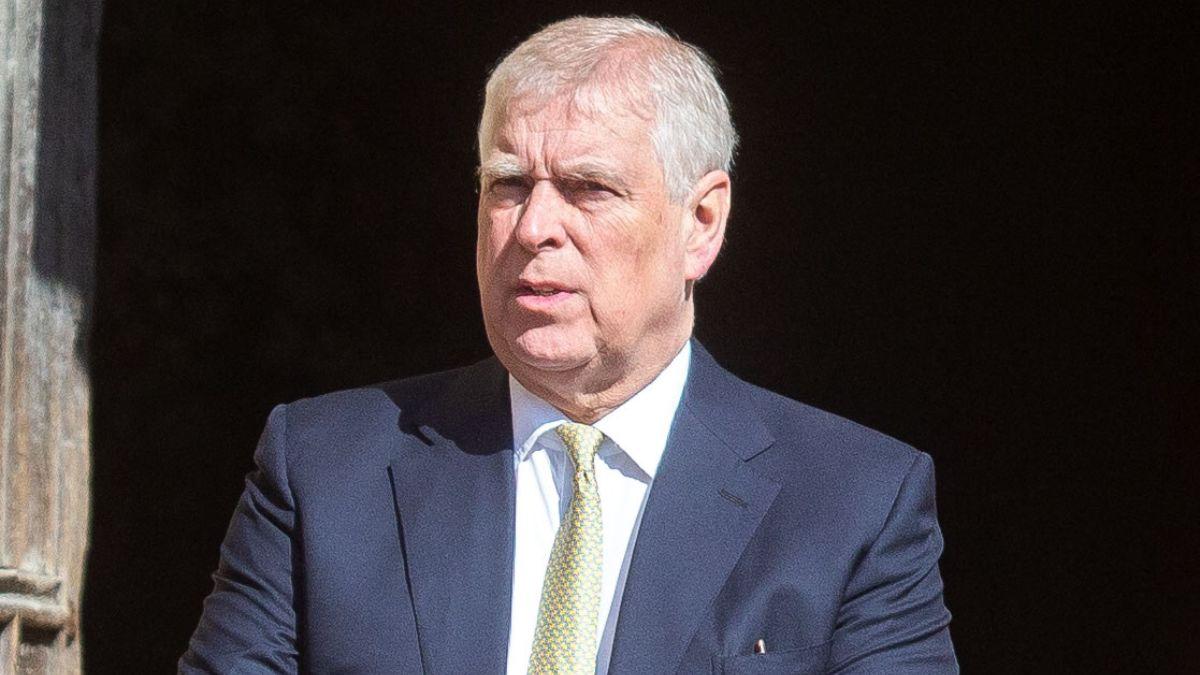
Andrew relinquished the use of his 'Duke of York' title and GCVO knighthood.
The move followed years of controversy linked to Andrew's association with the late convicted s-- offender Jeffrey Epstein and a prolonged dispute over his occupation of Royal Lodge, his Windsor home of more than two decades.
The palace statement appeared decisive.
Andrew's princely rank was gone, his Knight of the Garter honor removed, and his remaining military titles gradually withdrawn.
He was also struck off the official Roll of the Peerage, a move widely interpreted as ending his status as Duke of York, Earl of Inverness and Baron Killyleagh.
Yet experts said that assumption is legally flawed.
Legal Experts Question the Removal of Andrew's Peerages
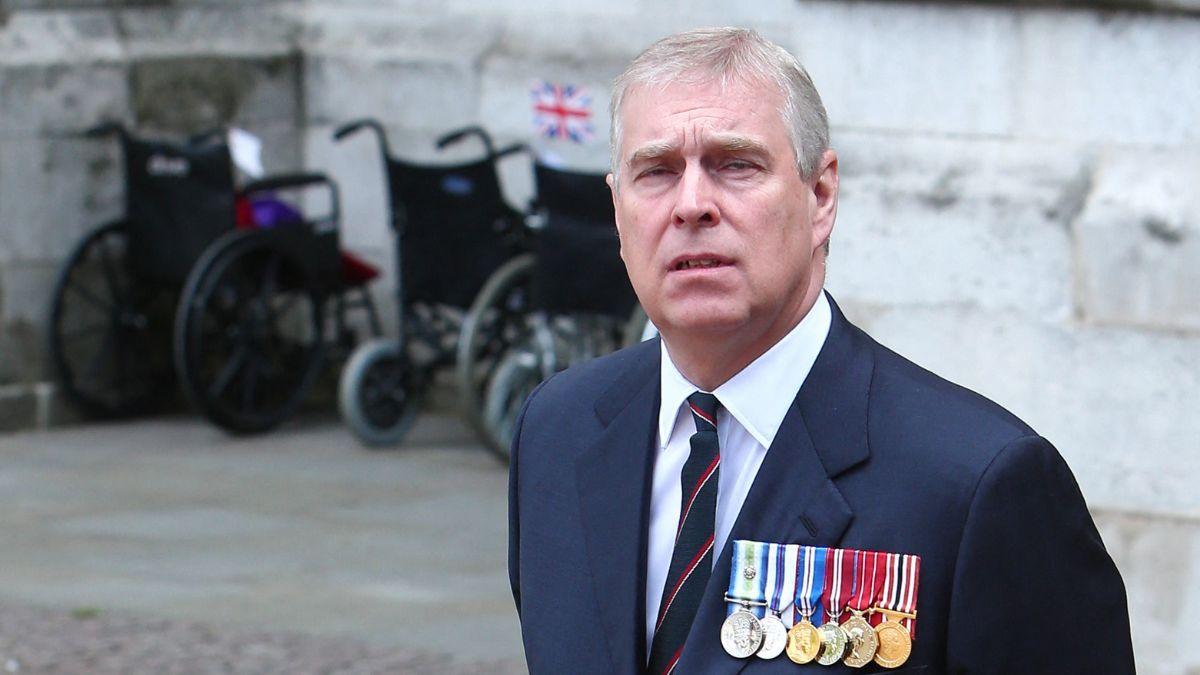
Legal experts argued the monarch lacks the authority to unilaterally strip a peerage.
One royal and legal analyst told us the removal created a misleading impression.
They said: "The way this has been framed gives the strong impression that Andrew's peerages have been wiped away entirely. In reality, the law does not work like that. A duke cannot be stripped of his title by royal announcement alone – only Parliament has that power. Without legislation, Andrew retains the Duke of York title for life."
The expert stressed how an absence from the Roll of the Peerage does not automatically extinguish a title.
They said: "Being absent from the Roll of the Peerage does not equate to losing a title. There are hundreds of peers whose names do not appear there and who nonetheless continue to use their titles entirely lawfully."
Status of the Duke of York Title in the Middle East
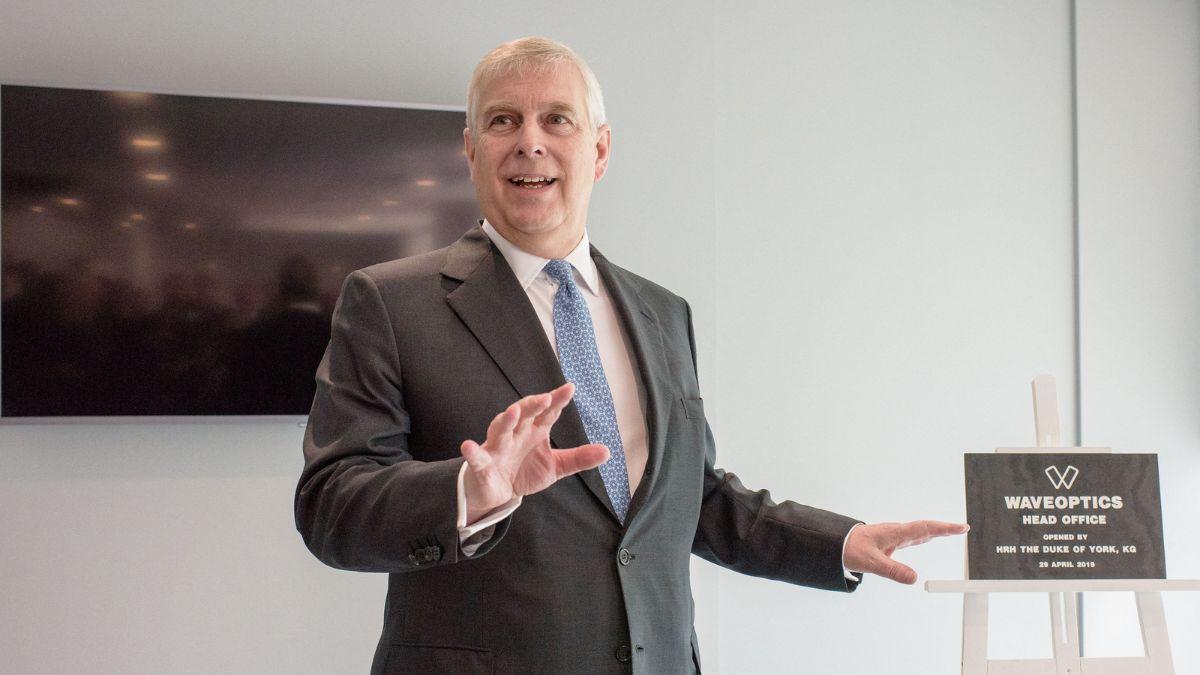
Insiders suggested the 'Duke of York' title still carries social currency in the Middle East.
The distinction may seem academic in Britain, where the title has become politically toxic.
But sources said Andrew's "technical retention" of the right to use his Duke of York title could still carry real currency overseas, particularly in the Middle East, where royal status is often accorded respect regardless of scandal – and where insiders said the royal pariah may move to escape the glare of the U.K. media and his armies of critics.
One source familiar with Andrew's position said: "Within Britain, the Duke of York title has become deeply toxic and carries little practical value. In contrast, in parts of the Middle East, the association with royalty still commands respect and can create opportunities that no longer exist for him at home."
Potential Relocation and the Future of the York Scandal

Never Miss an

Daily updates from the heart of Hollywood, right to your inbox
By entering your email and clicking Sign Up, you’re agreeing to let us send you customized marketing messages about us and our advertising partners. You are also agreeing to our Terms of Service and Privacy Policy.
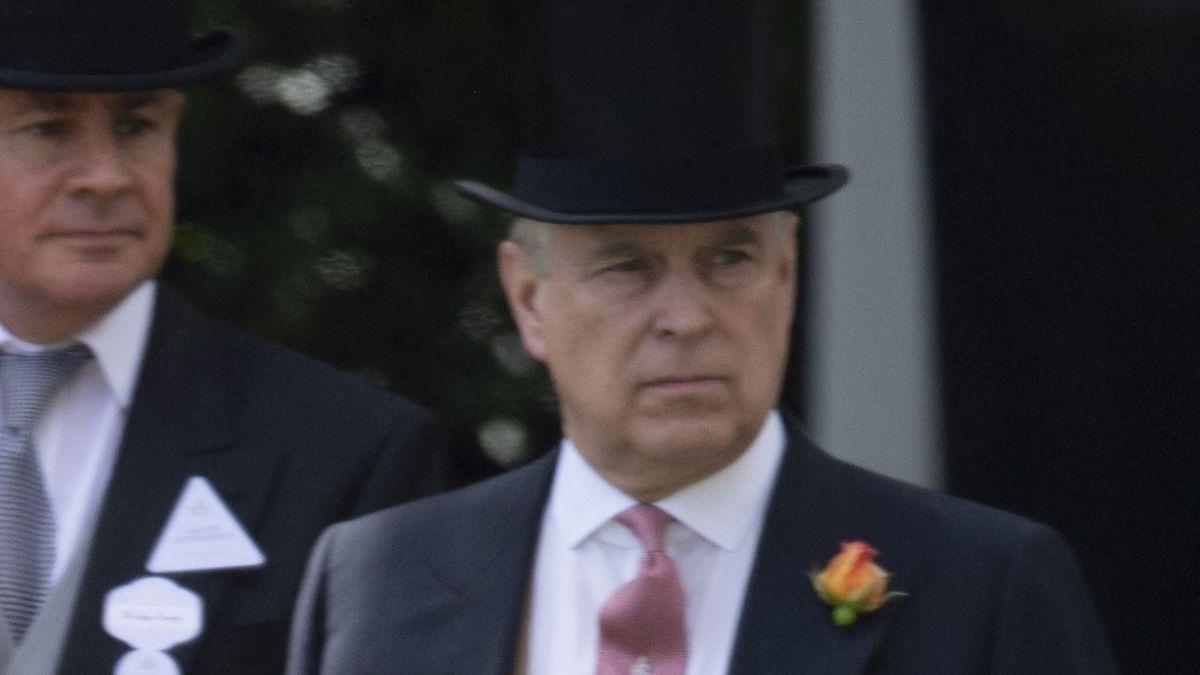
Prince Andrew lost his Knight of the Garter honor following a decisive palace statement.
At the height of the Epstein controversy, Andrew and his former wife Sarah Ferguson, 66, were reported to have access to a mansion in Abu Dhabi, allegedly offered by Sheikh Mohamed bin Zayed Al Nahyan.
Another source said: "There is an increasing feeling that remaining in Britain is simply no longer sustainable for Andrew. In contrast, in parts of the Middle East, royal titles retain social currency, and the Duke of York designation still confers a level of status that has evaporated at home."
Charles is understood to have resisted seeking parliamentary legislation to strip Andrew of his peerage entirely.
Such a move would open debate about the royal family in the Commons and Lords, a prospect the palace is keen to avoid.
The last comparable intervention came in 1917, when King George V stripped German-aligned relatives of their British titles during the first world war.
