


EXCLUSIVE: Pete Hegseth's Pentagon Sued Over Alleged Secret Blacklist of Journalists

Pete Hegseth's Pentagon faces a federal lawsuit over an alleged secret blacklist of journalists.
Nov. 25 2026, Published 6:20 p.m. ET


Defense Secretary Pete Hegseth's Pentagon has been slapped with a federal lawsuit over allegations military officials maintain a secret blacklist of journalists whose questions they refuse to answer, RadarOnline.com can reveal.
According to a federal complaint obtained by Radar in Washington, D.C., the Freedom of the Press Foundation and Intercept Media accused the Department of Defense of unlawfully withholding government records concerning an alleged internal list of reporters military officials have been instructed to ignore.
Reporter's Alleged Blacklist Threat

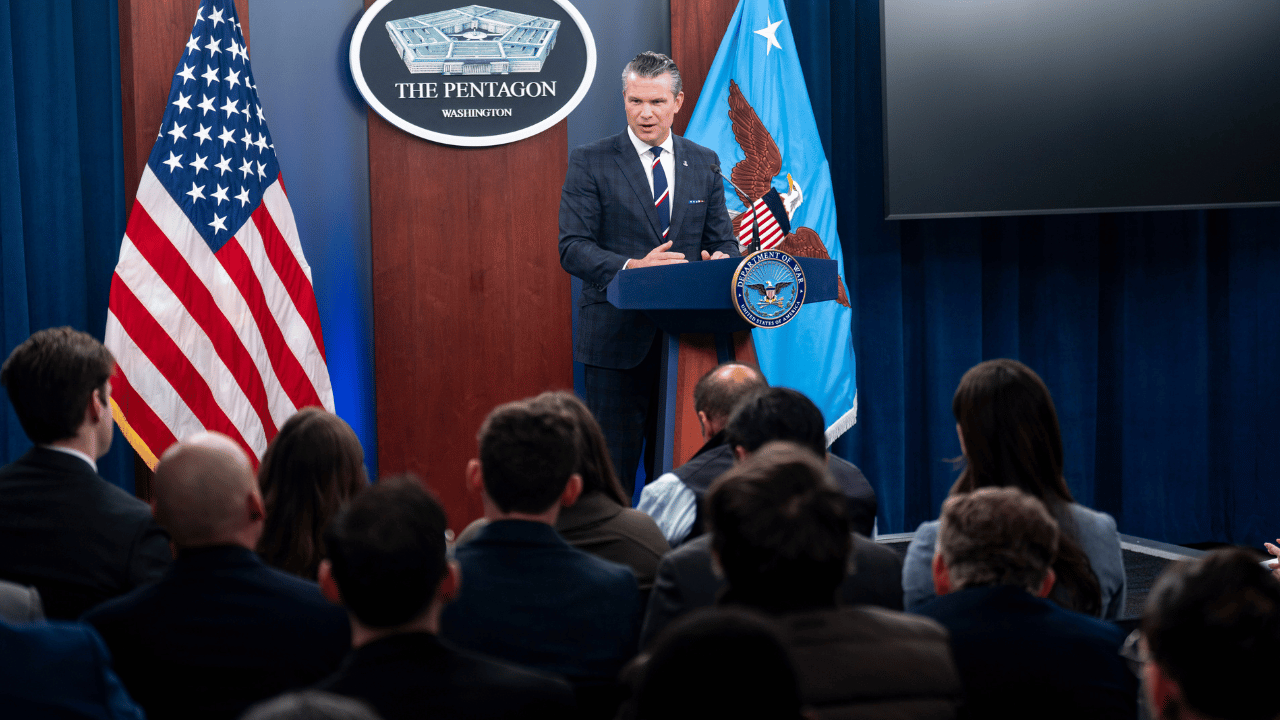
A military official allegedly threatened to place a journalist on an internal blacklist.
The legal battle stems from a series of exchanges between investigative journalist Nick Turse and officials at U.S. Central Command (CENTCOM), which oversees American military operations across the Middle East. In July, Turse reportedly contacted military officials seeking information about Iranian attacks on American military bases.
However, instead of receiving the answers Turse was seeking, the reporter was allegedly threatened with being placed on an internal list if he continued making inquiries.
Richard Allee, who worked with CENTCOM's public affairs office, allegedly warned Turse he could be placed on a "list of people to disregard."
When the journalist questioned whether such a list actually existed, Allee reportedly confirmed its existence but refused to disclose the identities of other reporters allegedly included on it.
The controversy deepened after an unnamed U.S. official reportedly informed Turse that Hegseth's office had issued instructions not to communicate with him.
Pentagon Accused of Withholding Records
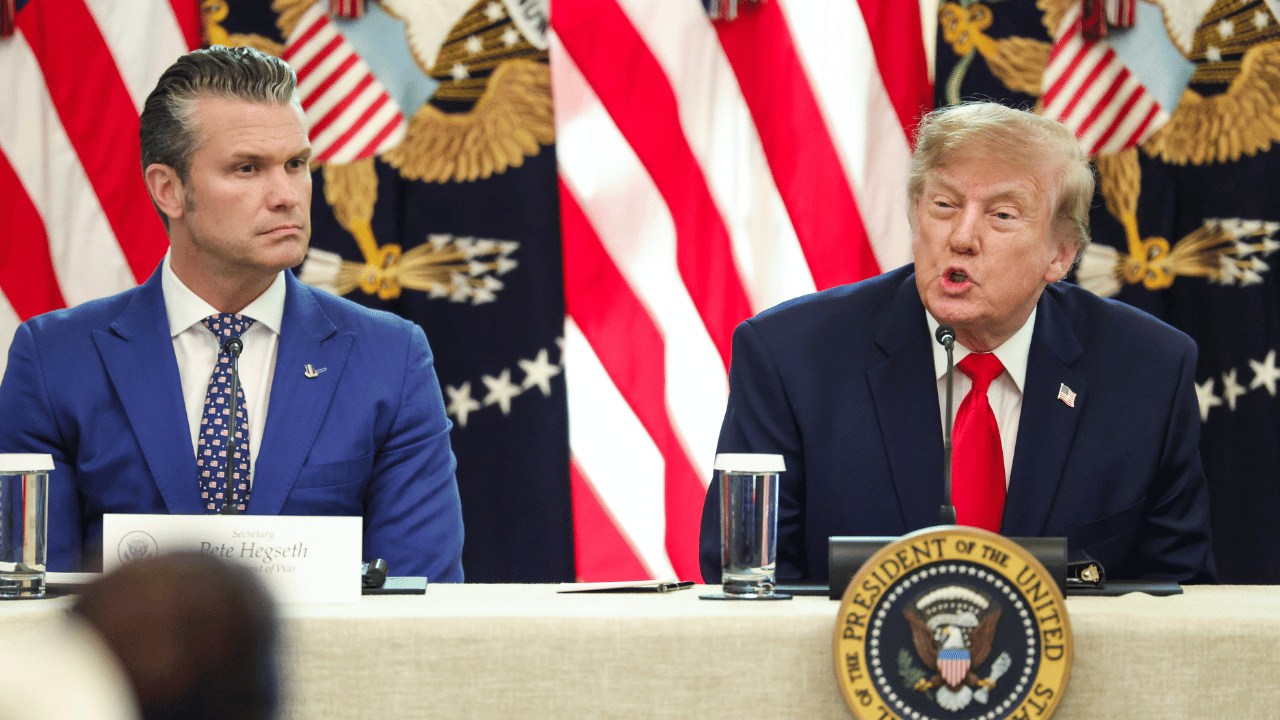
Military officials under the Trump administration have denied the existence of a journalist blacklist.
CENTCOM, however, disputed the allegations, denying the existence of a media blacklist and accusing Turse of repeatedly harassing its personnel. The allegations prompted both The Intercept and the Freedom of the Press Foundation to submit separate Freedom of Information Act (FOIA) requests in August, seeking documentation surrounding the purported blacklist.
Among the materials sought were internal communications, lists identifying affected journalists and instructions directing military personnel on how to respond to their inquiries.
The plaintiffs alleged the Defense Department failed to turn over the requested records or issue final determinations within the legally required timeframe.
Turse condemned the alleged practice in a statement accompanying the lawsuit, declaring: "A journalist blacklist is fundamentally un-American."
Pentagon's Press Restrictions Under Fire
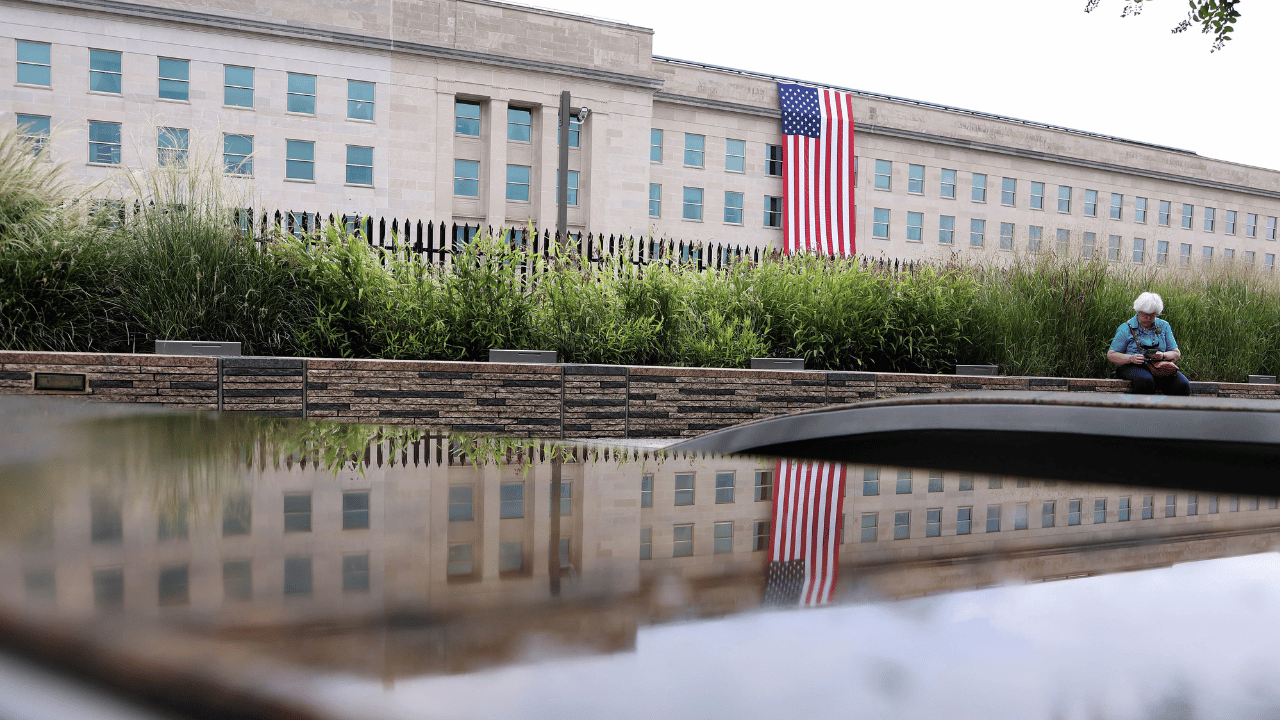
Several major publications surrendered their Pentagon press credentials in 2025.
Lauren Harper, the Freedom of the Press Foundation's chair on government secrecy, also raised concerns about the public's ability to obtain information concerning military operations funded by American taxpayers.
The lawsuit comes amid mounting legal scrutiny surrounding Hegseth's handling of media access under President Donald Trump's second administration.
In 2025, several major news organizations surrendered their Pentagon press credentials rather than agree to newly imposed reporting restrictions.
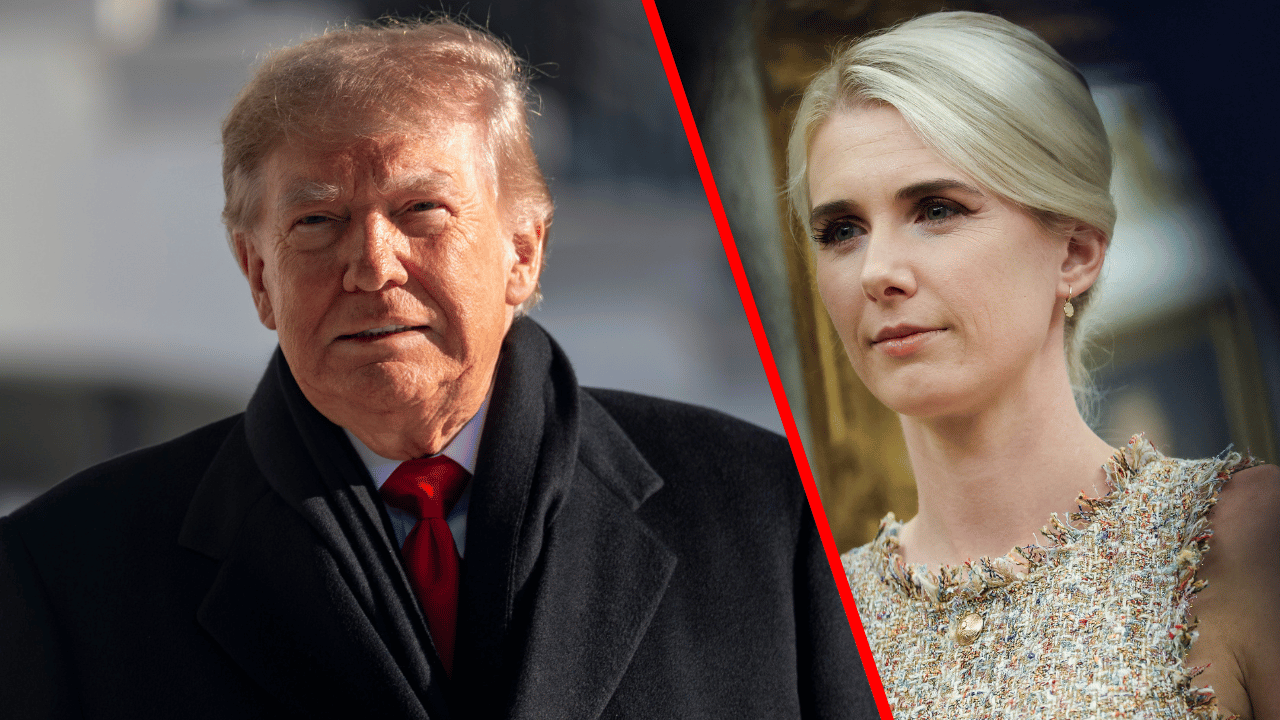
Federal Judge Urged to Unseal Records

Never Miss an

Daily updates from the heart of Hollywood, right to your inbox
By entering your email and clicking Sign Up, you’re agreeing to let us send you customized marketing messages about us and our advertising partners. You are also agreeing to our Terms of Service and Privacy Policy.
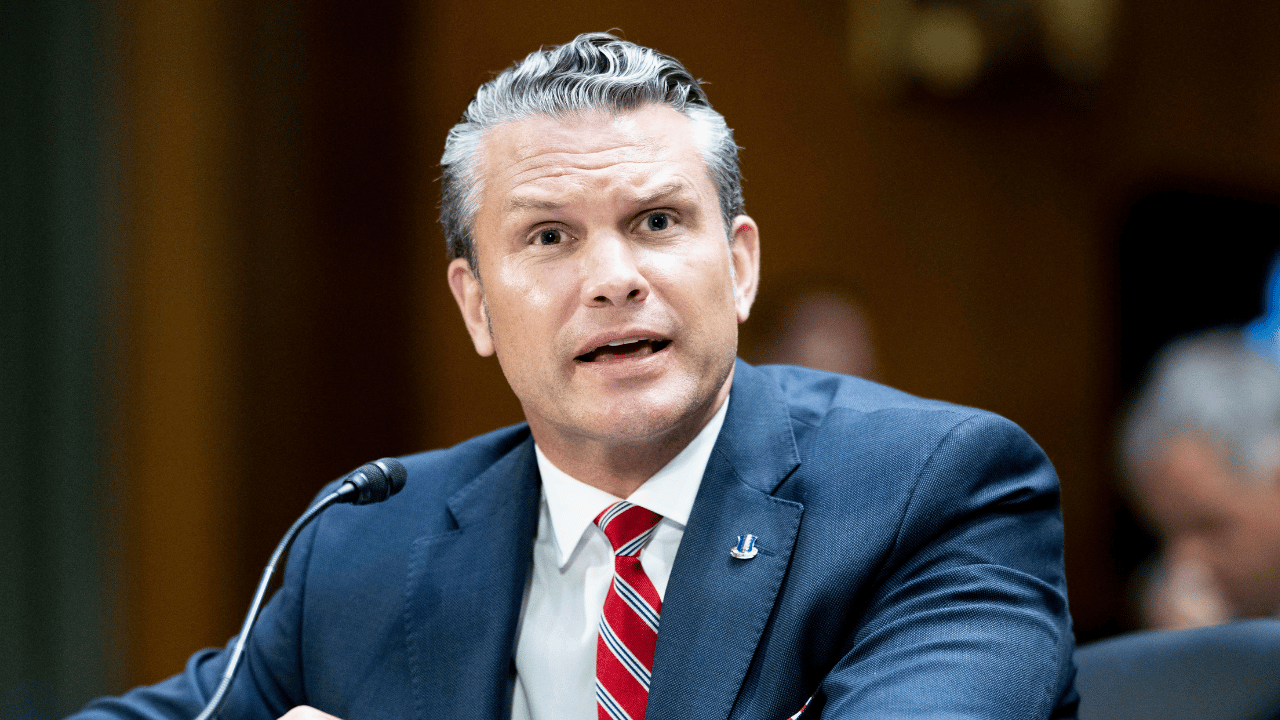
The lawsuit seeks the release of records surrounding the alleged blacklist.
The New York Times subsequently filed a separate federal lawsuit challenging those restrictions, arguing the policy violated constitutional protections afforded to journalists. Pentagon officials have defended their media policies as necessary to protect sensitive government information.
In the latest legal challenge, the plaintiffs are asking a federal judge to compel the Defense Department to release the requested records and declare that the agency unlawfully withheld information.
The lawsuit could shed light on whether military officials established formal procedures for refusing to engage with certain journalists and whether those procedures extended beyond CENTCOM.
Hegseth is not personally named as a defendant in the complaint, which targets the Department of Defense. The existence of the alleged blacklist has not been established by a court.
