


EXCLUSIVE: Patrick Stewart's Childhood Torments and Inner Demons Revealed

Patrick Stewart's childhood trauma and inner demons were revealed.
Oct. 30 2026, Published 8:00 p.m. ET


Patrick Stewart spent decades battling the emotional scars of a childhood overshadowed by domestic violence – and revealed how the terrifying behavior of his father haunted him long after he became one of Hollywood's most celebrated actors, RadarOnline.com can reveal.
The Star Trek and X-Men star, who died at age 86 on Wednesday, October 28, following a battle with Alzheimer's disease and Lewy body dementia, grew up in poverty in Mirfield, Yorkshire.
'My Childish Instinct Was to Protect my Mother'

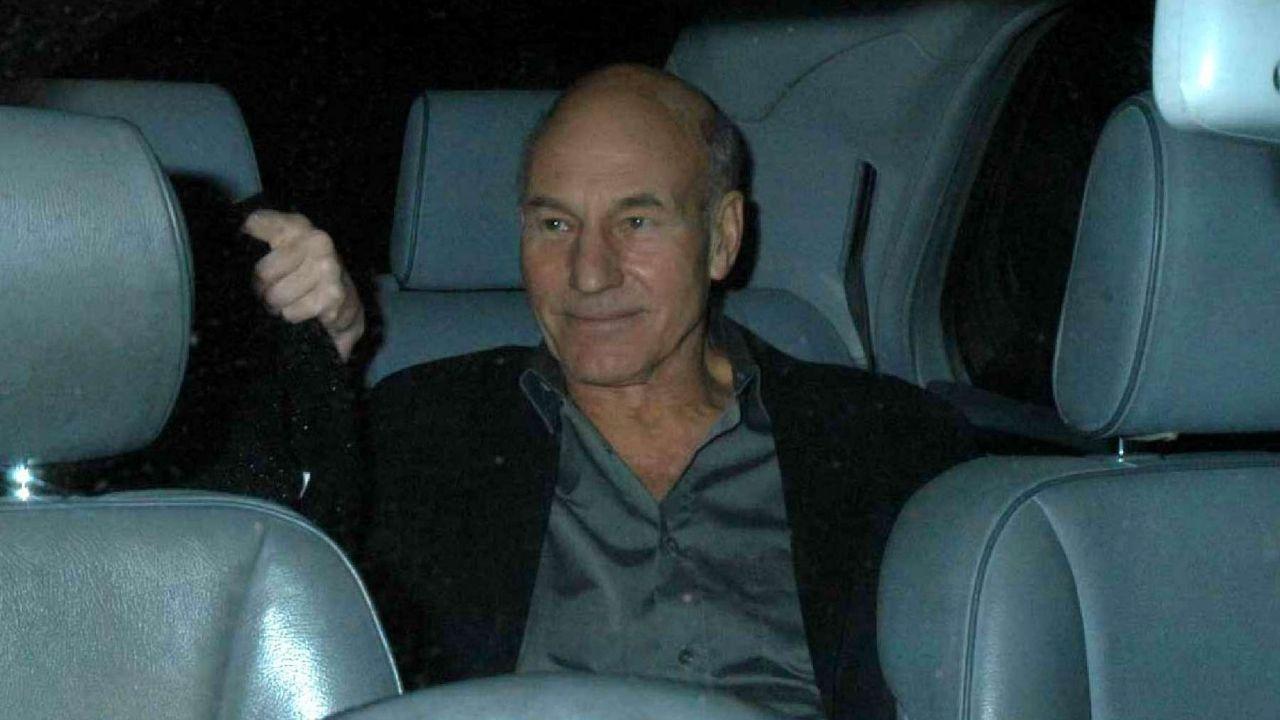
The 'Star Trek' actor witnessed his combat-veteran father violently attack his mother.
Born in July 1940, Stewart witnessed his father Alfred's violent attacks on his mother Gladys after the former soldier returned from the Second World War, experiences that shaped his life and eventually led him to seek therapy.
Reflecting on the abuse, Stewart said: "As a child I witnessed his repeated violence against my mother, and the terror and misery he caused was such that, if I felt I could have succeeded, I would have killed him."
He added: "My childish instinct was to protect my mother, but the man hurting her was my father, whom I respected, admired and feared."
Alfred had survived the Dunkirk evacuation and fought at Monte Cassino before returning home psychologically scarred by his wartime experiences.
The family lived in cramped accommodation without a bathroom or hot running water, with Stewart and his older brother Trevor sleeping behind a partition in their parents' bedroom.
Patrick Stewart Admitted He Didn't 'Like Himself Very Much'
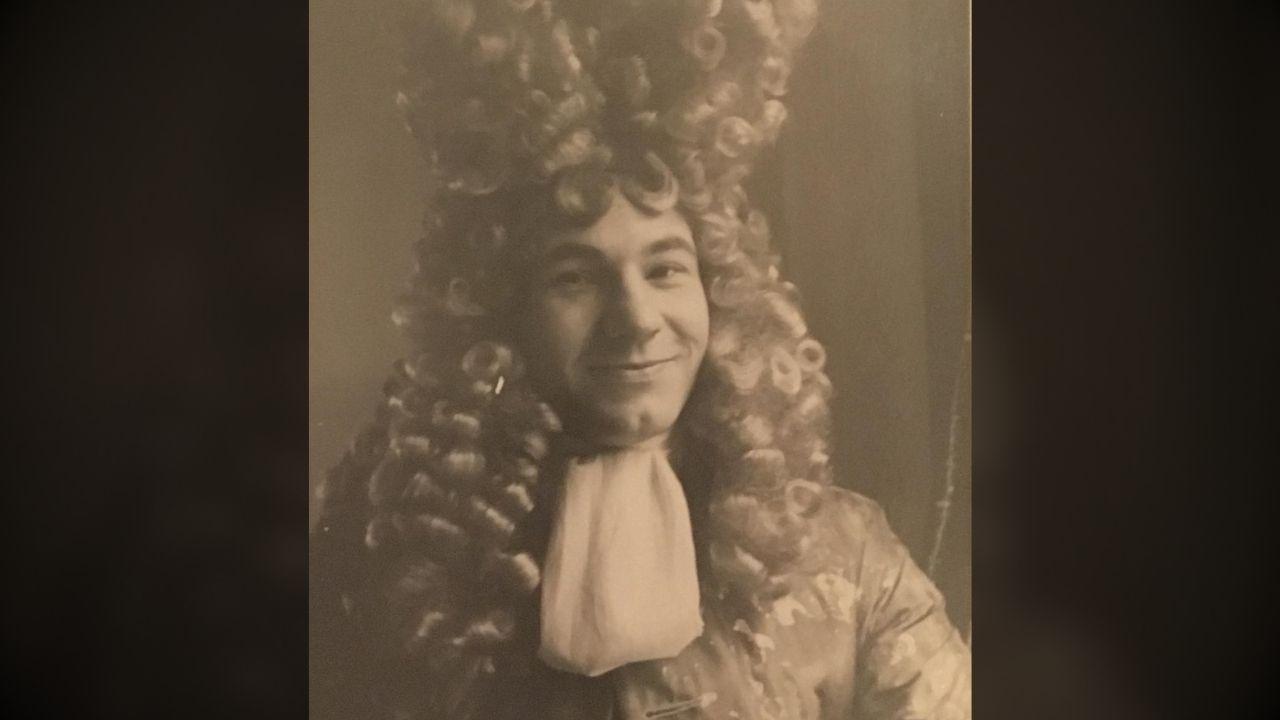
A schoolteacher introduced Stewart to Shakespeare and encouraged his talent.
Stewart later acknowledged the violence in his family home surrounding him also influenced his own struggles with anger.
Recalling being caned at school at age 14, he said about his reaction to the teacher who dealt out the punishment: "It was one of the hardest moments ever, because I wanted to attack him. I would have killed him."
His escape came through acting, encouraged by a teacher called Cecil Dormand, who introduced him to Shakespeare and helped nurture his talent.
Stewart said: "The first moment that I walked onto the school stage I felt safe – it was the safest place I'd ever been."
He added: "For one thing I wasn't Patrick Stewart, because I didn't like Patrick Stewart very much."
After leaving school at 15, Stewart briefly worked as a newspaper reporter before winning a scholarship to Bristol Old Vic Theatre School.
Therapy Journey and Domestic Violence Advocacy
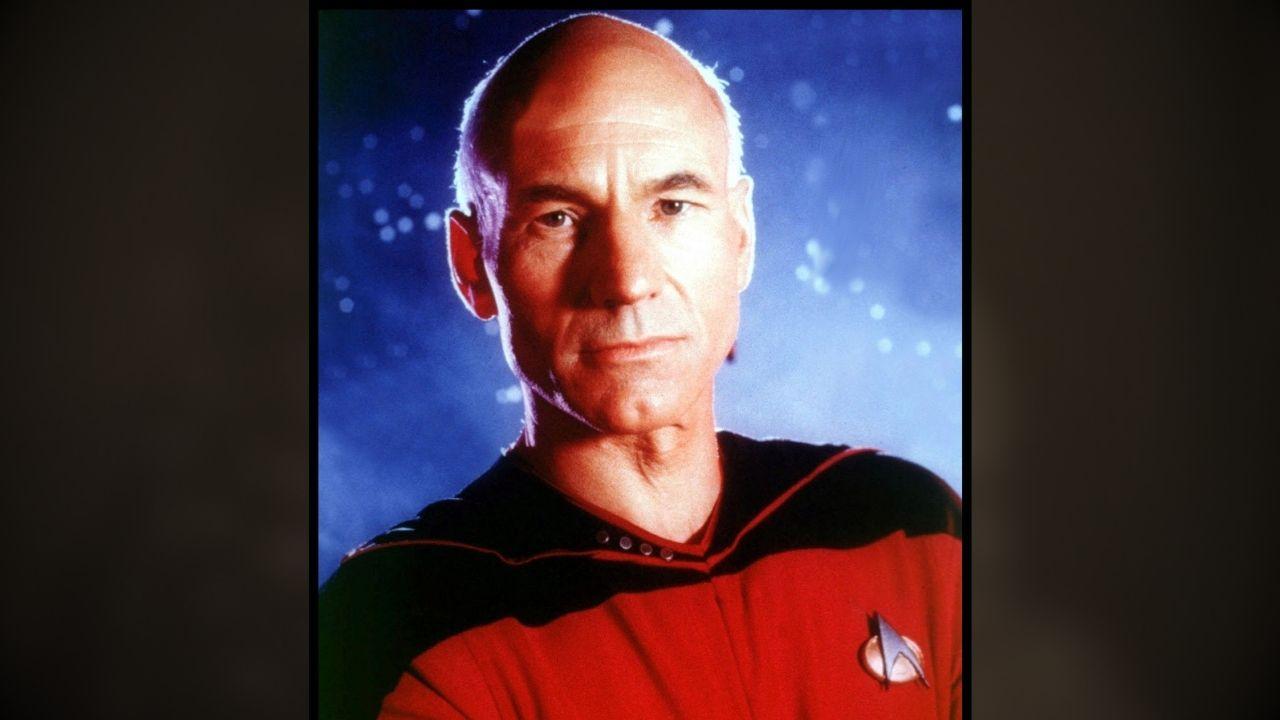
Stewart achieved global fame as Captain Picard in 'Star Trek.'
He joined the Royal Shakespeare Company in 1966, eventually becoming internationally famous as Captain Jean-Luc Picard in Star Trek: The Next Generation.
Despite his success, Stewart later sought professional help to confront the trauma of his upbringing.
He said: "I was introduced to a brilliant woman with whom I did therapy weekly for about six years... It was thanks to her that all this stuff came out and I realised that acting was an escape for me."
The actor subsequently became an outspoken advocate for survivors of domestic abuse, drawing on his own experiences to challenge violence against women.

Marriages, Family Life And Personal Health

Never Miss an

Daily updates from the heart of Hollywood, right to your inbox
By entering your email and clicking Sign Up, you’re agreeing to let us send you customized marketing messages about us and our advertising partners. You are also agreeing to our Terms of Service and Privacy Policy.
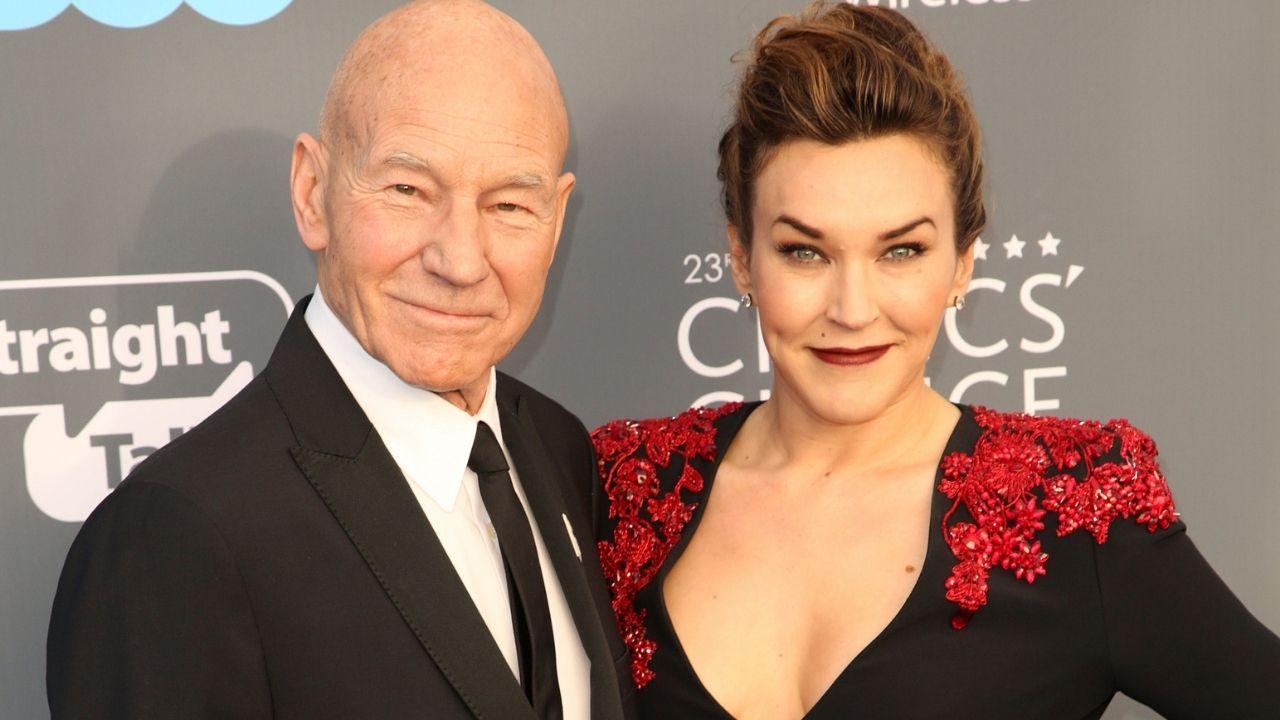
He is survived by his third wife, Sunny Ozell, and his two children.
His personal life included three marriages, most recently to singer-songwriter Sunny Ozell, whom he married in 2013. He also had two children, Daniel, 59, and Sophie, 54, from his marriage to Sheila Falconer.
In 2006, Stewart underwent emergency treatment after doctors discovered an 85% blockage in a coronary artery.
The star later reflected on his vulnerability during the coronavirus pandemic, when he began considering his mortality more closely.
"I was already older than both my parents when they died, but I think it was the coronavirus. It did something to me," he noted.
Stewart added: "It made me feel so vulnerable."
