


Mike Johnson Reveals Why He Quickly Stepped Aside as House GOP Leader After Midterm Defeat

Johnson said he decided soon after Election Night, following prayer and reflection with his wife, Kelly.
Nov. 15 2026, Published 11:37 a.m. ET


House Speaker Mike Johnson has explained why he decided to step away from Republican leadership so soon after the party's crushing midterm defeat, saying he believes leaders must accept responsibility when things go wrong.
During a Saturday, November 14, appearance on Fox News' Saturday in America with Kayleigh McEnany, Johnson revealed that he made the decision shortly after Election Night, following prayer and reflection with his wife, Kelly.
"I've always believed you lead from the front, and leaders have to take responsibility when things go wrong, whether it's individually deserved or not," Johnson said.
The Louisiana Republican will remain in Congress but will not seek the House minority leader position when Democrats take control of the chamber in January 2027.
Johnson Says Decision Came Quickly After Election Night

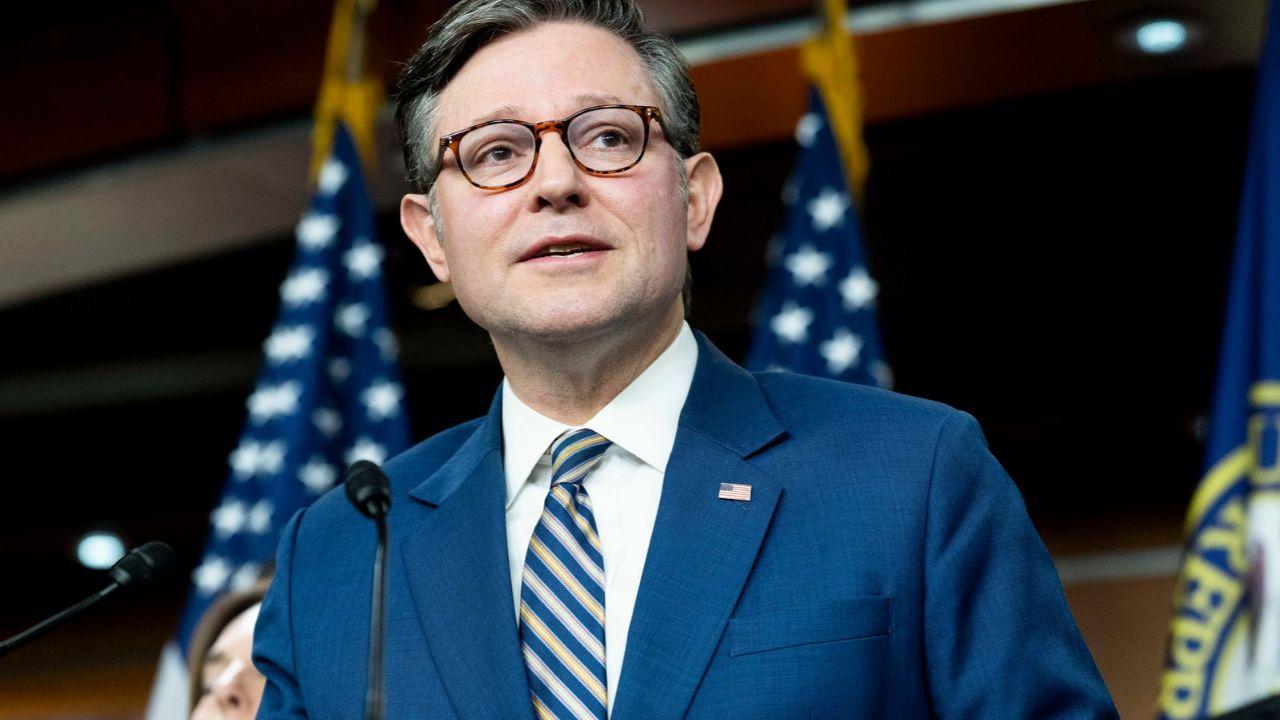
He said leaders must take responsibility when things go wrong, even when they may not deserve the blame.
Johnson told McEnany that he reached his decision relatively quickly after Republicans lost their House majority in the November 3 elections.
"We had to make a decision pretty quick," he explained, adding that he wanted to continue fighting for his party but in a different capacity.
The speaker also said he had peace of mind knowing he had done everything possible to prevent the Republican defeat.
Johnson's departure comes after Democrats secured control of both the House and Senate, delivering a major setback to President Donald Trump's party.
Despite the election outcome, Johnson won reelection to his Louisiana congressional district for a sixth term. He plans to take his oath of office on January 3, 2027, and serve as a rank-and-file lawmaker rather than pursue another leadership position.
Scalise Released From Waiting
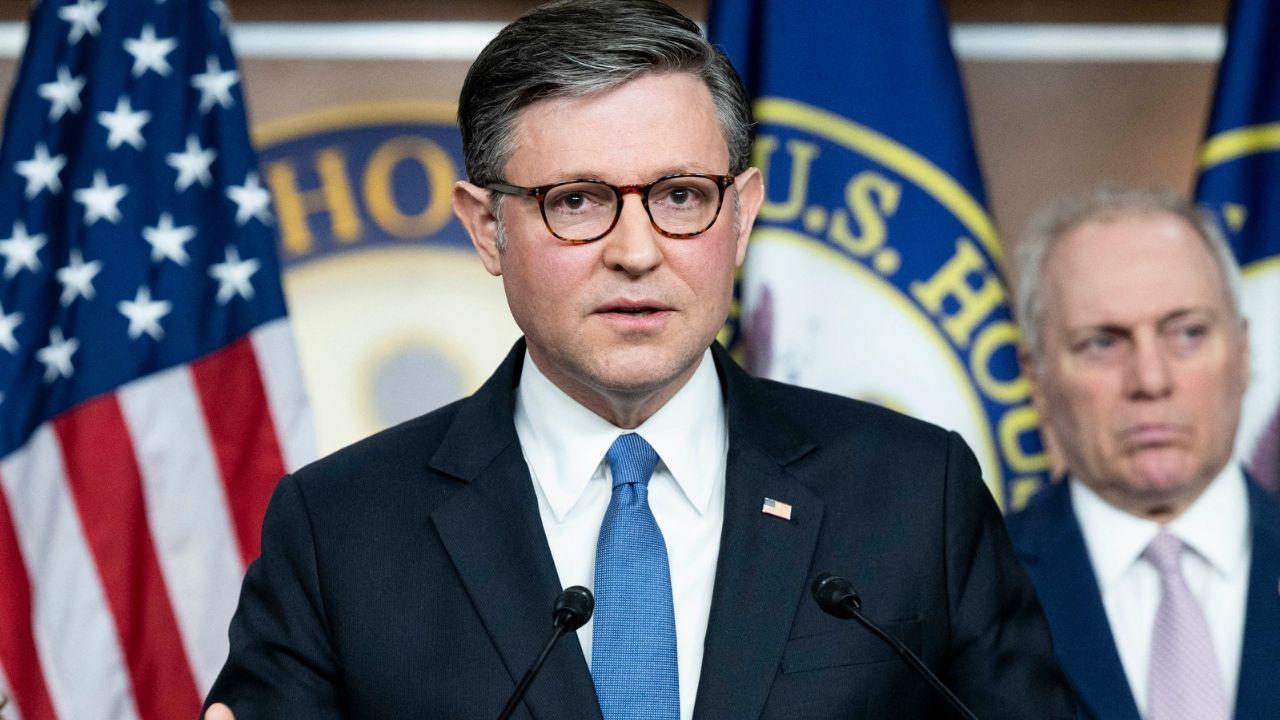
Johnson told Fox News’ Kayleigh McEnany that the decision came “pretty quickly” after the election.
Johnson also revealed that he gave fellow Louisiana Republican Steve Scalise permission to explore his own leadership ambitions before making a final decision.
According to Bloomberg Government, Scalise contacted Johnson on Election Night to find out whether he intended to seek another leadership term.
Johnson recalled telling him he was free to contact colleagues and gauge support for a potential bid.
"I'm releasing you," Johnson recalled saying. "If you need to make calls to friends and tell them that you're interested in doing that, no harm, no foul, because I can't make this decision yet."
Johnson informed his staff the following morning that he would not pursue the minority leadership position.
Scalise subsequently launched his bid alongside Ohio Rep. Jim Jordan. Jordan ultimately defeated Scalise in the November 10 Republican leadership election and was selected to lead House Republicans in the next Congress.
A Different Path From Pelosi
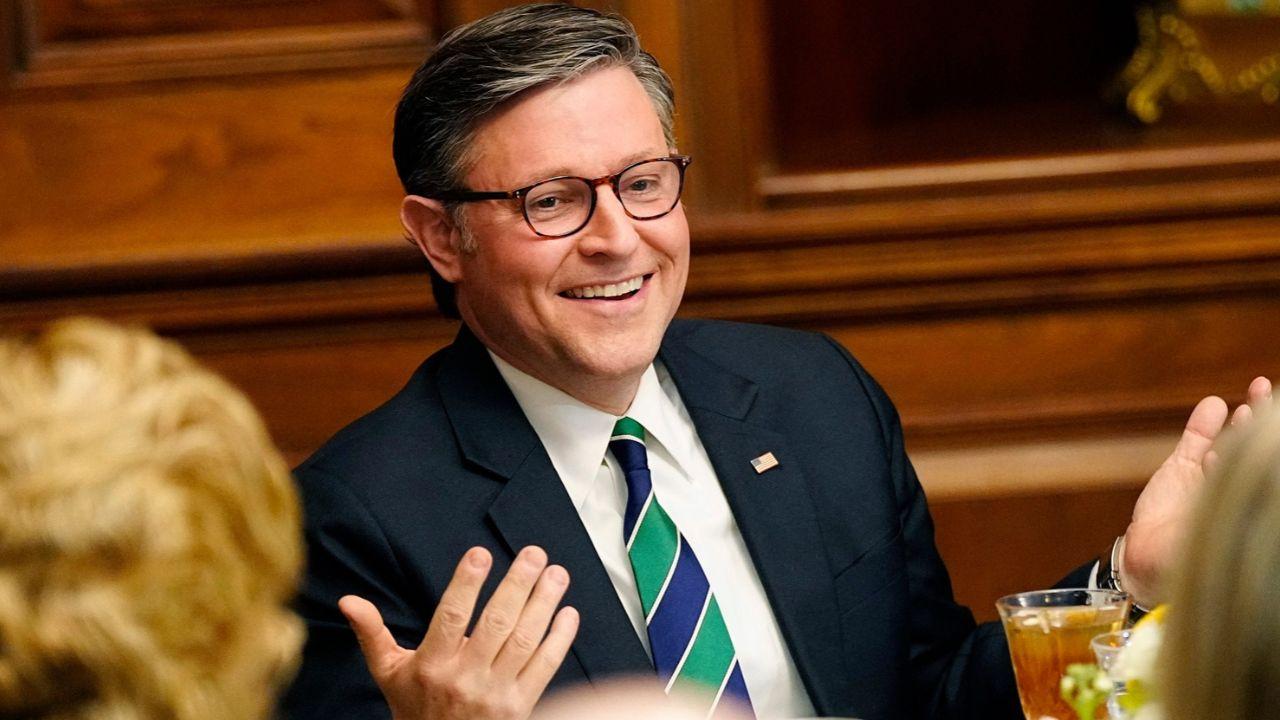
He released fellow Louisiana Republican Steve Scalise from any obligation to wait while Johnson considered his plans.
Johnson's decision also contrasts with former House Speaker Nancy Pelosi's response to Democrats losing their House majority in the 2010 midterm elections.
Rather than leave party leadership, Pelosi continued serving as House minority leader after Republicans took control of the chamber.
Johnson, however, has chosen to relinquish his leadership responsibilities while remaining in Congress.
He has also indicated that he does not intend to return to committee assignments. Instead, he expects to help fellow lawmakers in other ways.
The change will allow him to remain involved in congressional affairs without having the responsibilities of leading the Republican conference.
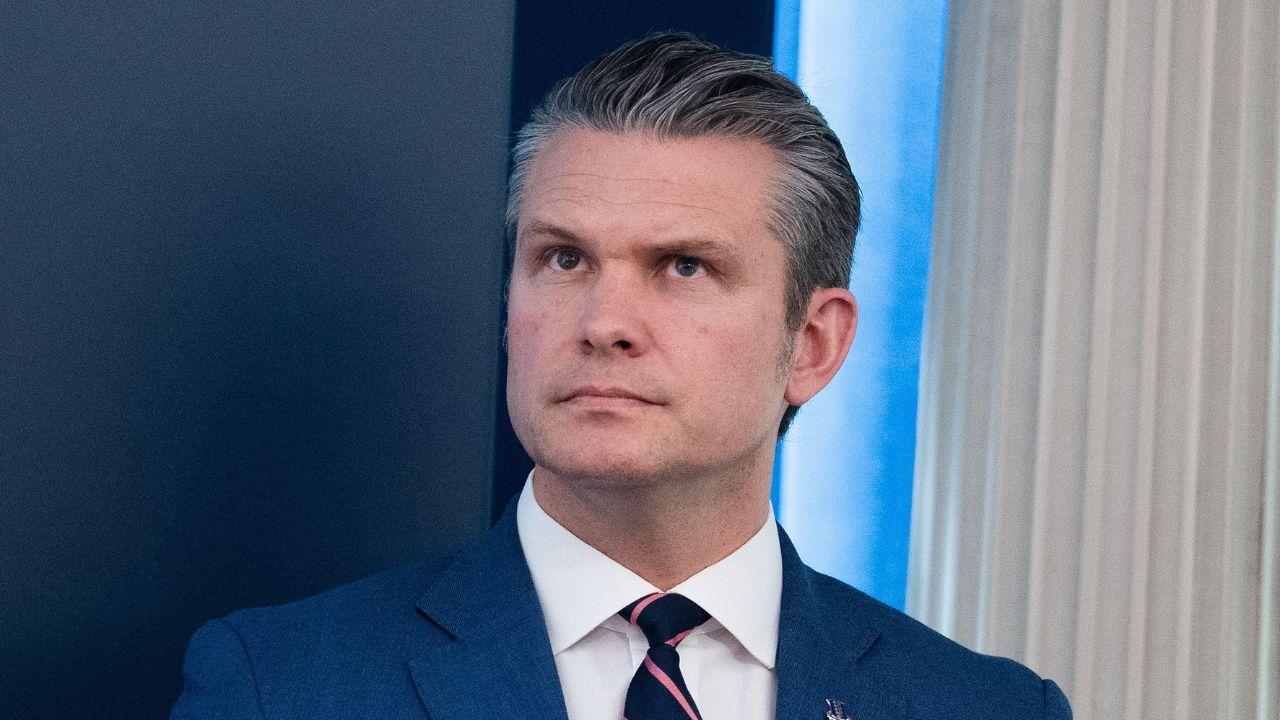
Johnson's Tenure Shaped By Narrow Majority

Never Miss an

Daily updates from the heart of Hollywood, right to your inbox
By entering your email and clicking Sign Up, you’re agreeing to let us send you customized marketing messages about us and our advertising partners. You are also agreeing to our Terms of Service and Privacy Policy.

Johnson plans to remain in the House and represent his Louisiana district as a rank-and-file member.
Johnson became House speaker in October 2023 after Republicans removed former Speaker Kevin McCarthy from the position following an internal party revolt.
His time in leadership was marked by a slim Republican majority, disagreements within his conference and difficult legislative negotiations.
He also maintained a close relationship with Trump, helping advance the president's legislative priorities during the Republican-controlled Congress.
However, the November midterm results ended his run as the party's leader in the House. Democrats are preparing to take control of the chamber, with Hakeem Jeffries expected to become speaker when the new Congress convenes.
For Johnson, stepping away from leadership does not mean leaving Washington politics behind. He intends to continue representing his Louisiana constituents while allowing a new generation of Republican leaders to take charge.
