


EXCLUSIVE: Seedy Truth of Michael Jackson's Neverland and 'Fixation' on Children Resurfaces — And Why It's All More Revolting Than Ever

The gutsy songbird also filed another petition seeking to withhold payments to the estate's legal eagles.
Feb. 12 2026, Published 3:00 p.m. ET


Michael Jackson's apparent fixation on children and the murky realities of life inside Neverland have resurfaced in stomach-churning detail with the broadcast of Michael Jackson: The Trial – a four-part documentary that revisits the singer's 2005 criminal case and exposes audio recordings many viewers are only now hearing.
RadarOnline.com can reveal the shocking series, which aired this week in the UK, revisits the 2005 California trial in which Michael Jackson, who died in 2009 aged 50 from a drug overdose, faced charges of alleged child molestation, supplying a minor with alcohol, and false imprisonment.

Authorities raided Neverland Ranch during the investigation.

Jackson was acquitted on all counts. The program arrives just weeks before the theatrical release of Michael, a $155million biopic about the late pop star, co-produced by John Branca, Jackson's longtime attorney, who has predicted the film could rival the success of Bohemian Rhapsody.
But Channel 4's new documentary on his tormented star client focuses squarely on the allegations and the culture surrounding Jackson's infamous Neverland Ranch.
'I Have Nothing to Live For'
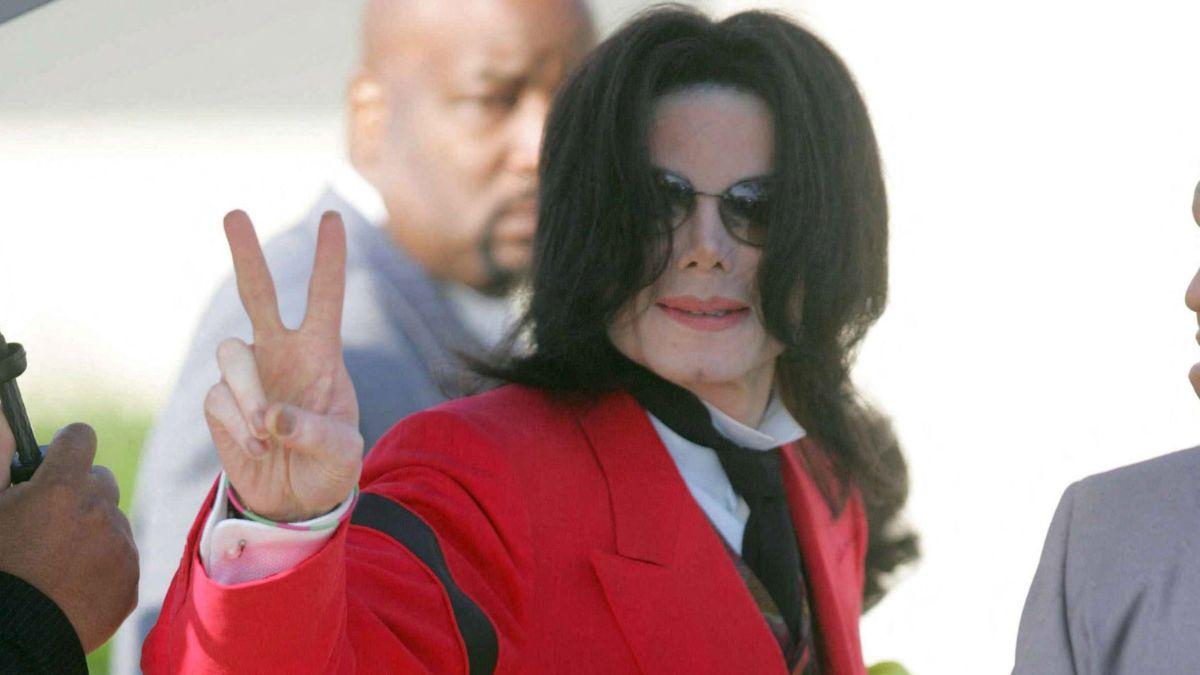
Channel 4 aired the four part documentary 'Michael Jackson: The Trial' in the UK.
Central to the documentary are audio recordings of conversations between Jackson and his self-described spiritual adviser, Rabbi Shmuley Boteach, taped between 2000 and 2001.
In one recording included in the series, Jackson says: "If you told me right now, 'Michael, you can never see another child,' I would kill myself... I have nothing else to live for."
A source said, "Hearing those words in Michael's own voice in 2026 now hits very hard. It underscores the depth of his emotional dependency on children and why so many people still find this story so disturbing."
The insider added: "The documentary does not retry the Jackson case, but it forces viewers to confront the atmosphere and the behavior described at the time."
A World of Extreme Infantilization
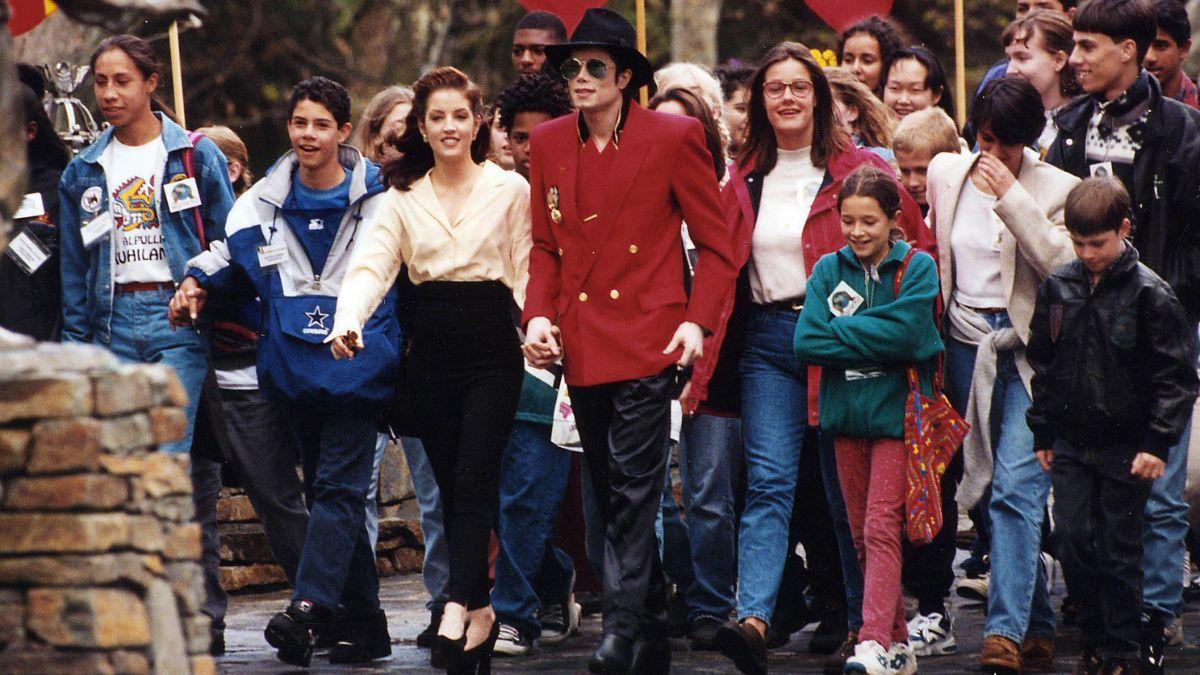
In one recording, the superstar said he could not live without seeing children.
The episodes track Jackson's relationship with Gavin Arvizo, now 32, who first met the singer as a 10-year-old cancer patient visiting Neverland.
Two years after appearing alongside Jackson in a 2003 television documentary in which the singer admitted hosting sleepovers with children, Arvizo became the prosecution's key witness.
Prosecutors alleged inappropriate conduct, while Jackson denied wrongdoing and was acquitted. Archival footage revisits the so-called "trial of the century," which unfolded in Santa Maria, California, amid a frenzy of media and fans.
Former sheriff's deputies and trial attorneys also describe raids on Neverland, including the discovery of adult material in Jackson's bedroom.
The documentary revisits claims of locked rooms, mannequins scattered across the ranch, and a theme park-like environment that blurred fantasy and reality.
Vincent Amen, Jackson's former publicist, has now declared: "I absolutely believe that Michael Jackson is guilty of child abuse."
Others interviewed in the series describe a world of extreme infantilization.
Christian Robinson, Jackson's former personal videographer, says in archive footage: "The only time I've seen Michael happy was playing, when he was surrounded by kids."
Documentary Details and What's Included

Never Miss an

Daily updates from the heart of Hollywood, right to your inbox
By entering your email and clicking Sign Up, you’re agreeing to let us send you customized marketing messages about us and our advertising partners. You are also agreeing to our Terms of Service and Privacy Policy.

Former associates described a culture of extreme infantilization around the singer.
Another source close to the production said: "What continues to unsettle people is the glaring disconnect between the persona Michael Jackson carefully cultivated – this fragile, childlike figure who claimed he was simply reclaiming a stolen youth – and the immense influence and authority he actually possessed as one of the most powerful entertainers on the planet.
"He was not just an eccentric pop star; he was a global brand with vast wealth, devoted followers, and unparalleled access. "
The insider added, "That tension between vulnerability and dominance is what makes revisiting this period so deeply uncomfortable. It forces audiences to grapple with how someone who presented himself as emotionally stunted and innocent could simultaneously command such extraordinary control over his environment and the people within it. That contradiction sits at the heart of why his legacy remains so profoundly troubling."
The series includes footage from March 2009, when Jackson announced his planned 50-date London residency, weeks before his death from a prescription drug overdose.
In a later audio clip played in the documentary, his speech appears slurred, underscoring his fragile state in the final months of his life.
The series also highlights the reality of Neverland, and how Jackson had a reproduction of Leonardo da Vinci's Last Supper hanging above his bed, in which he was cast as Jesus surveying a jumble of toys, clothes, TVs, and, bizarrely, pepperoni sausages.
