


MAGA Firebrand Steve Bannon Turns Up Heat on Trump Administration and Former Nvidia Boss Jensen Huang Amid Espionage Scandal

Steve Bannon and other China hawks criticized Nvidia’s chip sales to China and the administration’s export policy.
Nov. 15 2026, Published 4:48 p.m. ET


Steve Bannon is escalating his criticism of President Donald Trump’s administration over its handling of the national security controversy surrounding former Nvidia CEO Jensen Huang and his reported relationship with a Chinese businesswoman suspected of having ties to Beijing’s intelligence services.
Huang resigned on November 11, 2026, after admitting he had been unfaithful to his wife.
His departure followed mounting scrutiny over his relationship with Alice Huang, a former executive at Singapore-based technology company Megaspeed International, and concerns about the company's dealings with Chinese businesses.
Nvidia appointed Chief Financial Officer Colette Kress interim CEO and named longtime board member Harvey C. Jones as its first-ever board chair. The company's board also launched an independent investigation into the national security concerns.
Bannon Attacks Lutnick

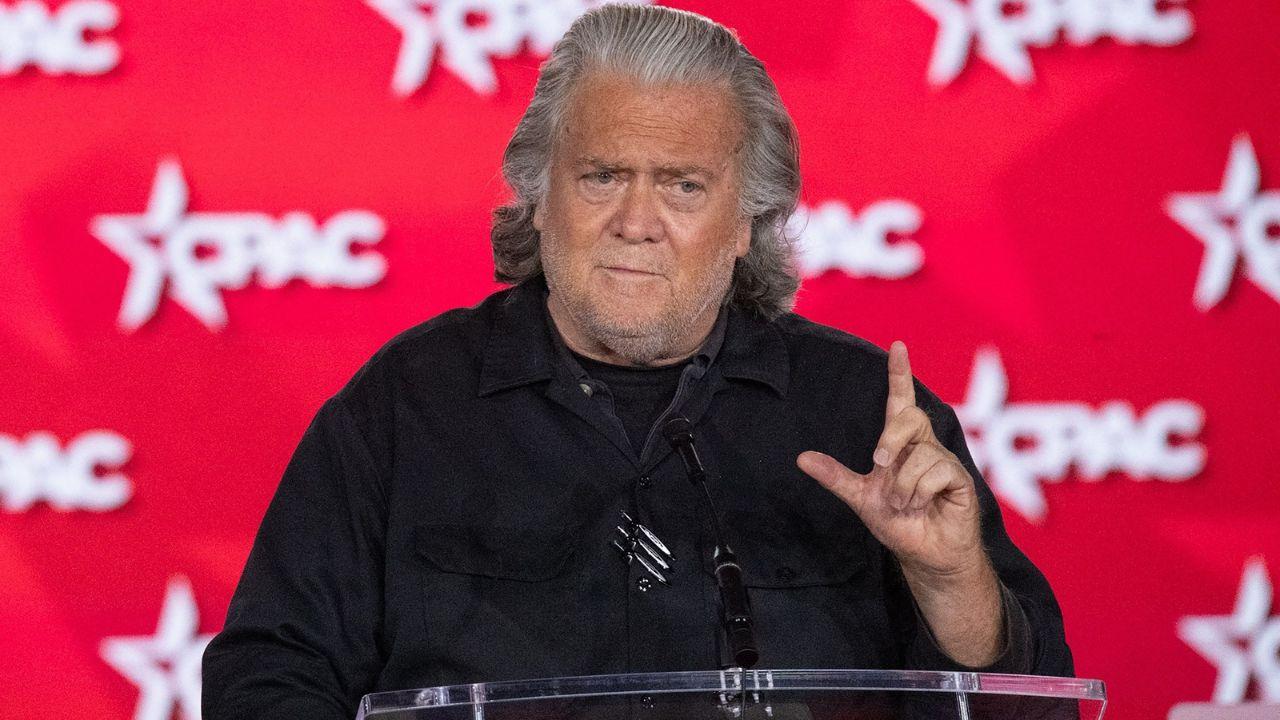
Jensen Huang resigned as Nvidia CEO and board member on Nov. 11, following revelations about his personal relationships.
Bannon has questioned the Trump administration's handling of semiconductor exports to China, particularly the tensions between Treasury Secretary Scott Bessent and Commerce Secretary Howard Lutnick.
"When you saw [Treasury] Secretary [Scott] Bessent blowing up at Lutnick in the Situation Room, you can rest assured the working level at Treasury was all over Commerce about chip sales for over a year," Bannon told in his "War Room" podcast.
"Now the issue becomes: Does Lutnick start inventing excuses to save himself?"
The former Trump adviser has repeatedly opposed policies allowing advanced American AI technology to reach Chinese companies, arguing against concessions that could benefit Beijing.
The administration previously approved Nvidia and AMD chip sales to China under an arrangement requiring the companies to pay the U.S. government 15% of revenue from certain sales. The unusual agreement attracted criticism over its national security and legal implications.
Bannon Calls For A Wider Investigation
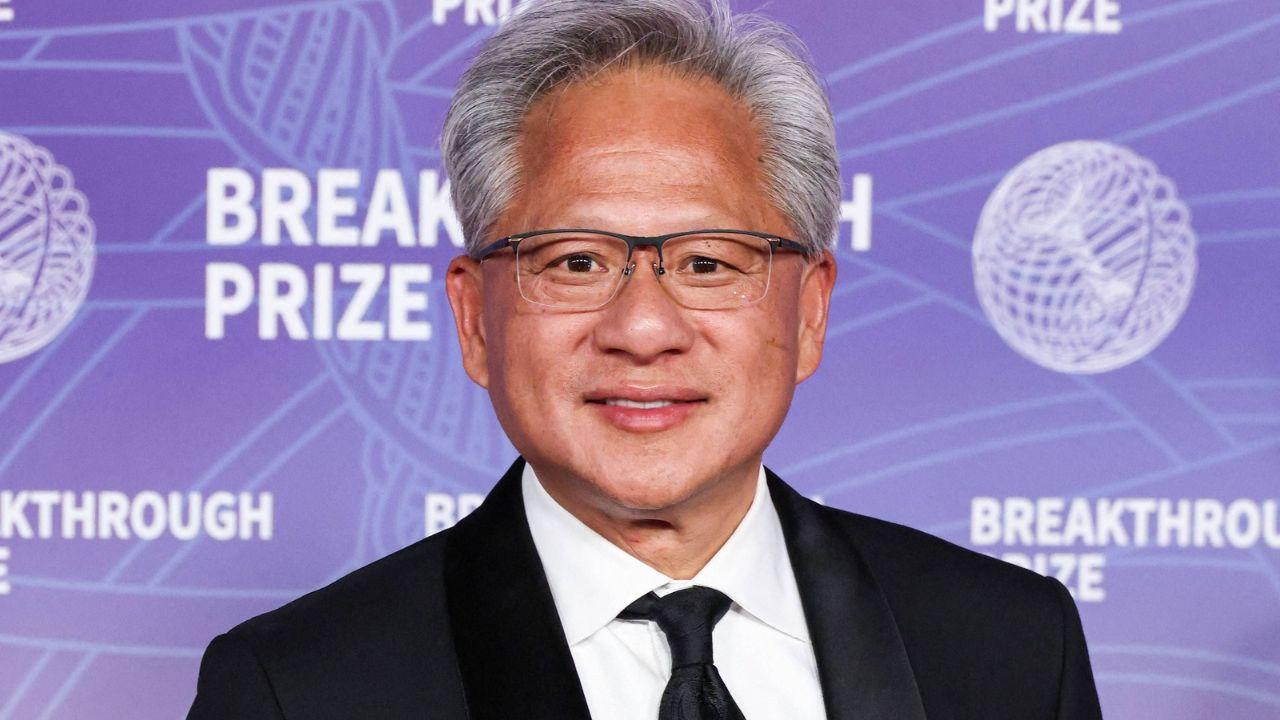
Investigators are examining whether Megaspeed helped divert restricted Nvidia chips to Chinese companies.
Bannon has also targeted Huang personally, previously calling the former executive a "liar" and describing him as an "agent of influence" for the Chinese Communist Party. Those accusations remain Bannon's claims, not established findings.
He has called for a formal investigation into Huang's dealings and Nvidia's export practices. Republican committee leaders in the House have also requested a closed-door congressional briefing with Huang, originally seeking his appearance on November 18.
Megaspeed has come under scrutiny over allegations that restricted Nvidia processors were diverted to Chinese customers. The company reportedly purchased more than $4.8 billion in Nvidia chips over two years.
However, Megaspeed has denied evidence of illegal transfers and says it complies with export restrictions. Singaporean authorities previously investigated the company and Alice Huang but found insufficient evidence of criminal offenses.
U.S. intelligence has not publicly established that she was a Chinese spy, while Beijing has rejected the allegations.
Trump Was Warned Before Beijing Trip
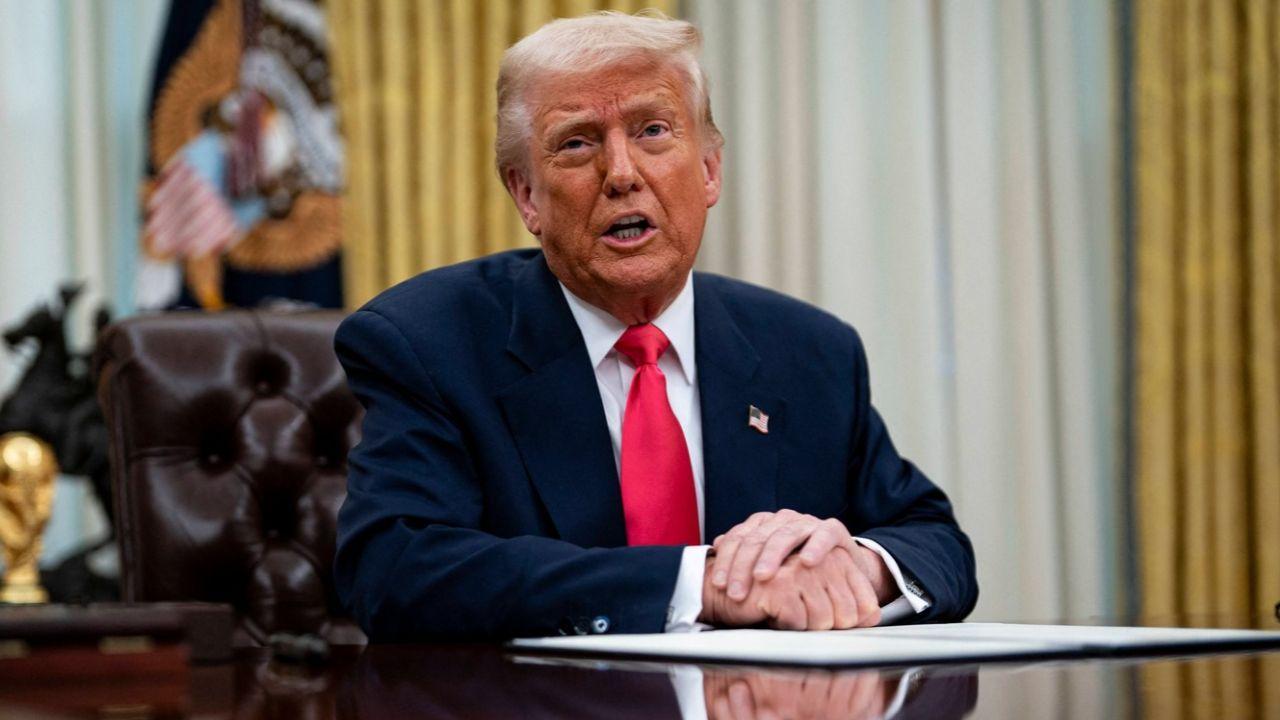
Nvidia said its internal review found no evidence that company secrets or U.S. national security were compromised.
Trump's own knowledge of the controversy has also become a major point of scrutiny.
According to CNN, Secretary of State Marco Rubio briefed the president aboard Air Force One in May 2026 about intelligence concerns involving Huang's relationship with Alice Huang.
The discussion reportedly happened before the Nvidia executive joined Trump's delegation on its journey to Beijing.
Trump publicly denied knowing about the allegations at the time. However, CNN subsequently reported that Rubio had briefed him about the intelligence concerns.
The president later defended Huang, saying he believed the former CEO when he claimed he had no idea Alice Huang might be a spy.
The New York Times also reported that Trump called Huang on November 10 and encouraged him to fight to retain his position, citing two people briefed on the conversation. Huang resigned the following day.
Huang's Influence Drew Earlier Concern
Never Miss an

Daily updates from the heart of Hollywood, right to your inbox
By entering your email and clicking Sign Up, you’re agreeing to let us send you customized marketing messages about us and our advertising partners. You are also agreeing to our Terms of Service and Privacy Policy.
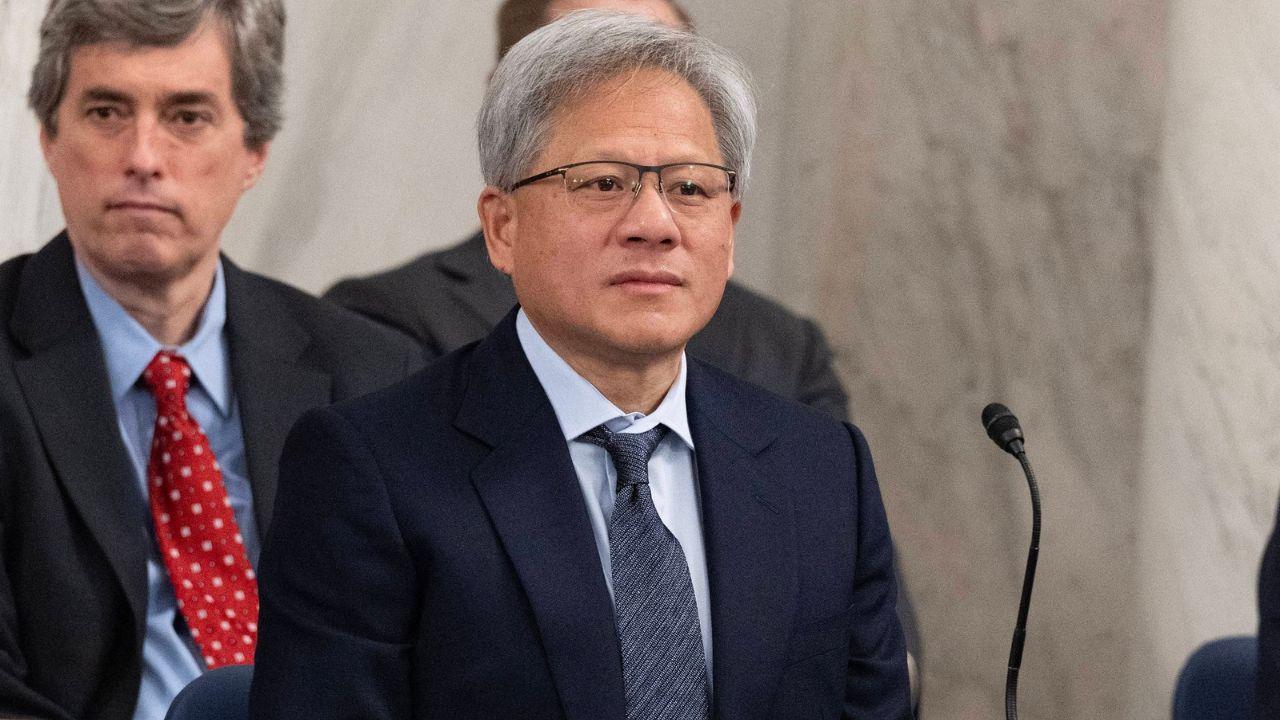
Lawmakers from both parties are seeking briefings and preparing inquiries into the allegations.
Huang had developed a close relationship with Trump as artificial intelligence became a major economic and national security priority for the administration.
The Nvidia co-founder had consistently advocated allowing American chipmakers to compete in China, arguing that restricting exports could undermine U.S. influence in the global AI industry. His position put him at odds with China hawks who favored tighter controls on advanced semiconductor technology.
Before his departure, Huang acknowledged his personal conduct in a message to Nvidia employees, apologizing to his family and colleagues. He also said he supported the board's independent investigation and would cooperate fully.
Nvidia's board previously said it had no reason to believe company secrets or U.S. national security had been compromised.
