


EXCLUSIVE: The Truth About Judy Garland — Radar Debunks 10 Myths About Child Star From 'Altered Looks' to 'Alcoholism'

Radar debunks myths about Judy Garland, examining altered looks, alcoholism claims, and early stardom.

April 17 2026, Published 7:00 a.m. ET


For decades, Judy Garland's life and her iconic performance as Dorothy in The Wizard of Oz have been clouded by rumor, embellishment and outright invention, RadarOnline.com can reveal.
The myths surrounding the 1939 classic have been repeated so often, they've hardened into supposed fact. But John Fricke, the foremost historian of Oz and an archivist of Garland's legacy, is setting the record straight.
Through decades of research, interviews and personal relationships with those who worked alongside Garland – including 20 members of the Munchkin cast – Fricke has dedicated his career to separating truth from folklore.

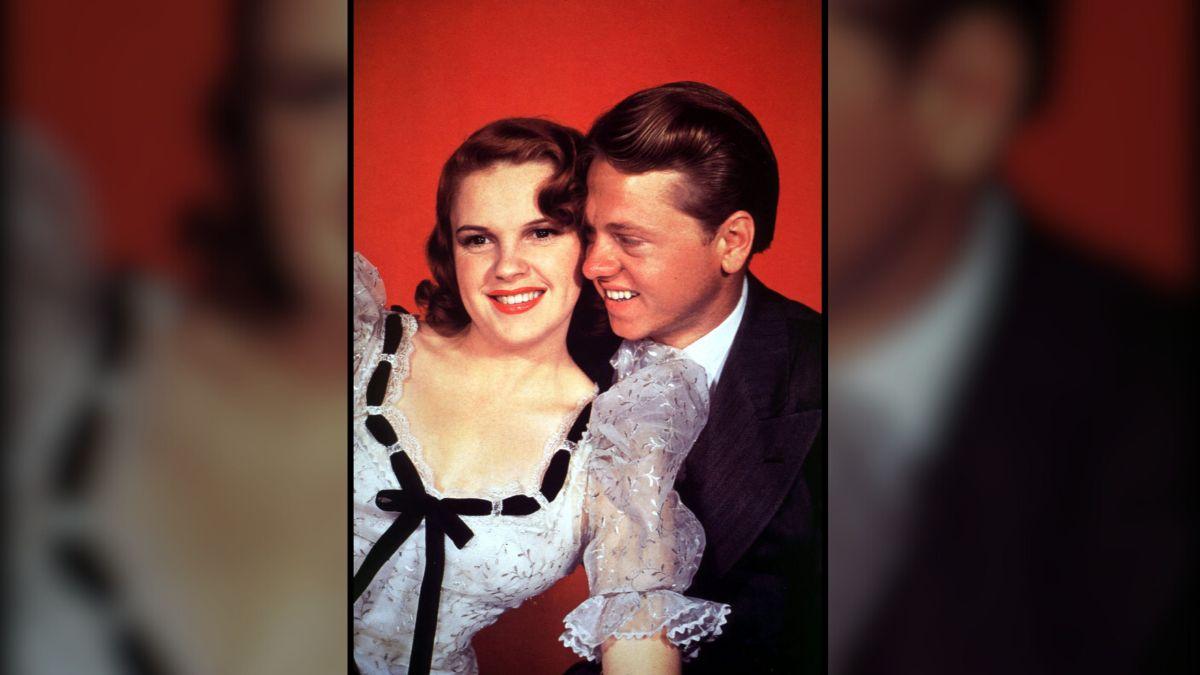
John Fricke said Judy Garland remained close to her 'Oz' costars despite long-running rumors.
Myth #1: Garland Resented Her Oz Costars
TRUTH: She remained close to them throughout her life. Claims of lingering resentment toward Jack Haley (Tin Man), Ray Bolger (Scarecrow) and Bert Lahr (Cowardly Lion) are, Fricke said, later distortions.
Garland reunited with Bolger on her TV series and greeted Margaret Hamilton (Wicked Witch of the West) with open affection during a surprise appearance on The Merv Griffin Show.
Myth #2: MGM Altered Garland's Nose to Make Her Less Attractive
TRUTH: Makeup tests were brief and never appeared on-screen. Garland later joked about the studio experimenting with cosmetic putty – describing the results with her trademark humor.
MYTH #3: Garland Disliked Singing 'Over The Rainbow'
TRUTH: She regarded it as essential. Even when her voice faltered, Garland insisted on performing the song. Fricke recalled concerts where she spoke much of the lyric, saving her strength for the final notes – and delivering them flawlessly.
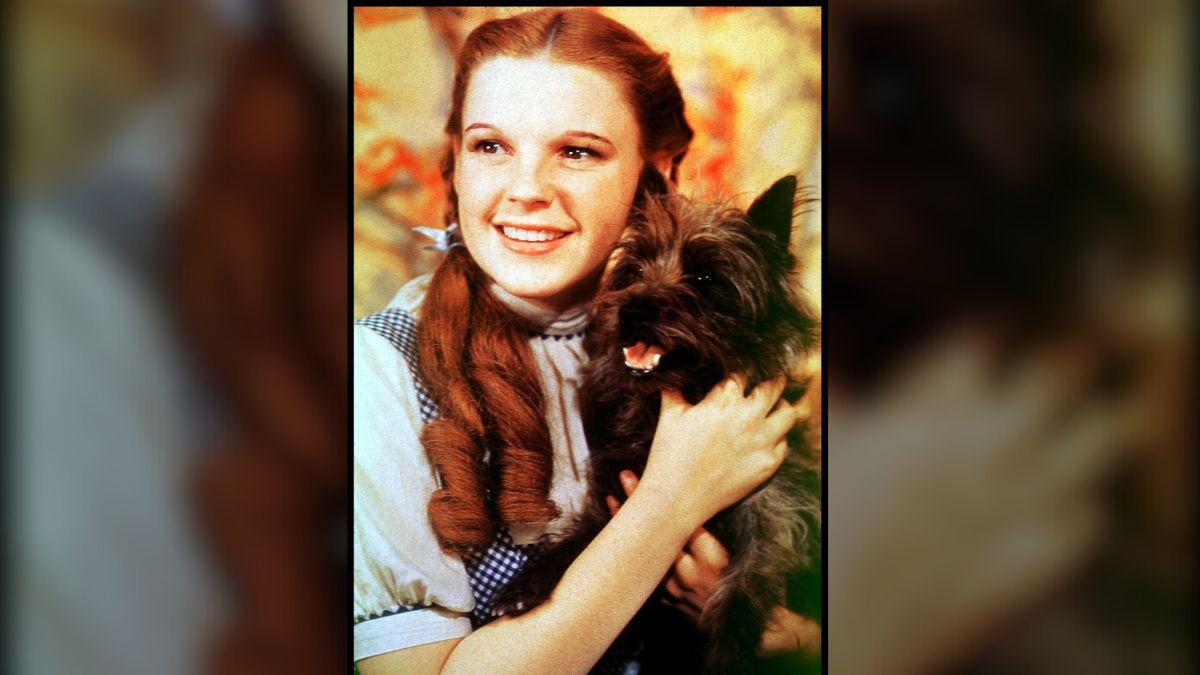
Fricke stated Garland's struggles with medication began years after 'The Wizard of Oz.'
MYTH #4: Garland Was Addicted to Pills During 'The Wizard of Oz'
TRUTH: Her dependency developed years later. Fricke is unequivocal that Garland's struggles with medication did not begin during the making of Oz, but emerged in the 1940s.
MYTH #5: Garland Hated Talking About 'The Wizard of Oz'
TRUTH: She frequently shared Oz stories with warmth and humor. Fricke pointed to Garland's appearances on The Jack Paar Show, where she fondly recalled moments from the set, often turning exaggerated rumors into punch lines. Her anecdotes were playful, not bitter.
MYTH #6: Judy Garland Died From Alcoholism
TRUTH: There was no alcohol in her system when she died in 1969 at 47. The coroner's report found no signs of alcoholism or cirrhosis. Garland died accidentally from an overdose of prescription sleeping pills.
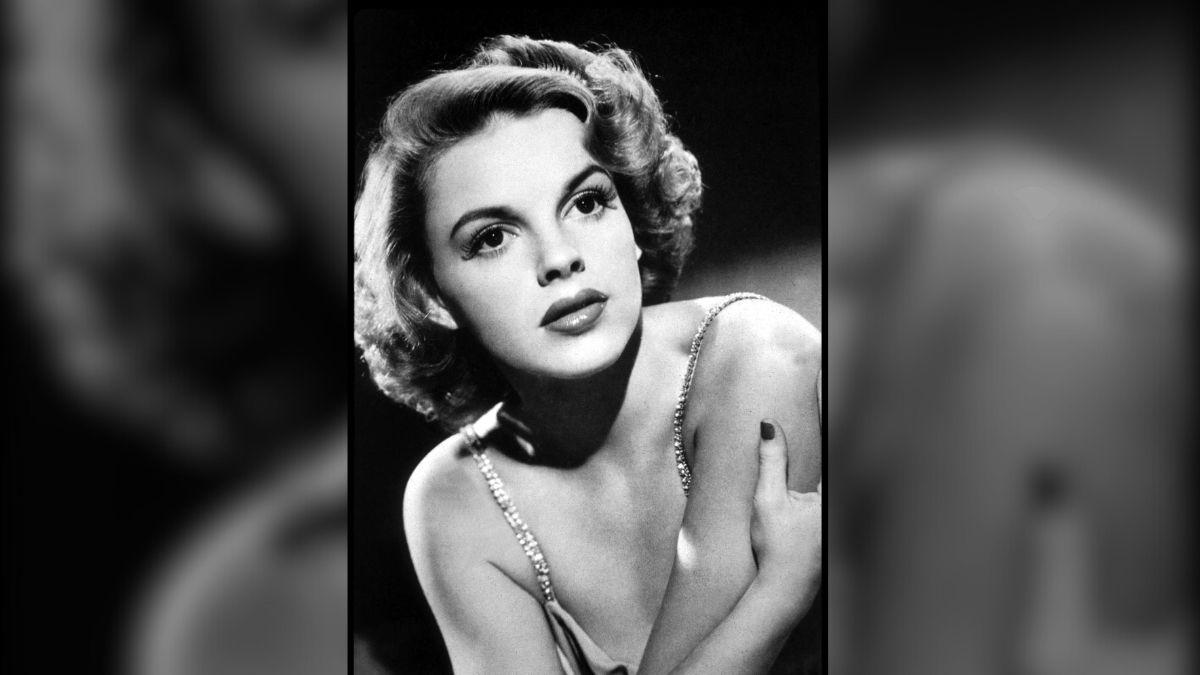
Fricke recalled late-career concerts showed Garland could still deliver powerful performances.

Never Miss an

Daily updates from the heart of Hollywood, right to your inbox
By entering your email and clicking Sign Up, you’re agreeing to let us send you customized marketing messages about us and our advertising partners. You are also agreeing to our Terms of Service and Privacy Policy.


MYTH #7: Garland was Unreliable in Her Later Performances
TRUTH: She could still deliver extraordinary moments. Fricke personally witnessed concerts where Garland struggled – then summoned astonishing power when it mattered most, often leaving audiences stunned.
MYTH #8: The Munchkins Were Wildly Out of Control on Set
TRUTH: A few caused problems – and were removed. Garland's joking remarks about drunken Munchkins were exaggerated over time. Fricke noted the vast majority were disciplined professionals, unfairly smeared by the repetition of lies.
MYTH #9: Audiences Pitied Her Near the End
TRUTH: She was deeply loved. More than 22,000 people lined up to pay their respects after her death, underscoring the devotion she inspired until the very end.
MYTH #10: Garland's Career Declined After Oz
TRUTH: Her later work defined her greatness. Fricke cited a review from her final complete concert performance in 1969, which described her performance as a "great triumph" – a phrase he believes captures the arc of her life: resilience, brilliance and an unbreakable bond with her audience.
