


EXCLUSIVE: Judge Warns of 'Vengefulness' Behind Democrat's ICE Prosecution — as Court Allows Criminal Case to Move Forward

Rep. LaMonica McIver faces criminal charges stemming from a confrontation with federal immigration officers during an oversight visit to Delaney Hall.
Aug. 27 2026, Published 7:00 p.m. ET


A federal appeals judge has raised concerns about possible political retaliation behind the prosecution of Democratic Congresswoman LaMonica McIver as her criminal case over a confrontation with immigration officers moves forward, RadarOnline.com can reveal.
According to a newly filed 49-page opinion obtained by Radar, the Third Circuit Court of Appeals largely rejected the New Jersey lawmaker's attempt to have the charges tossed over the May 2025 clash at Delaney Hall, an Immigration and Customs Enforcement detention facility in Newark.
McIver was at the facility with two other members of Congress for an unannounced oversight inspection when a chaotic confrontation erupted involving Newark Mayor Ras Baraka and federal officers.
Case Moves Forward

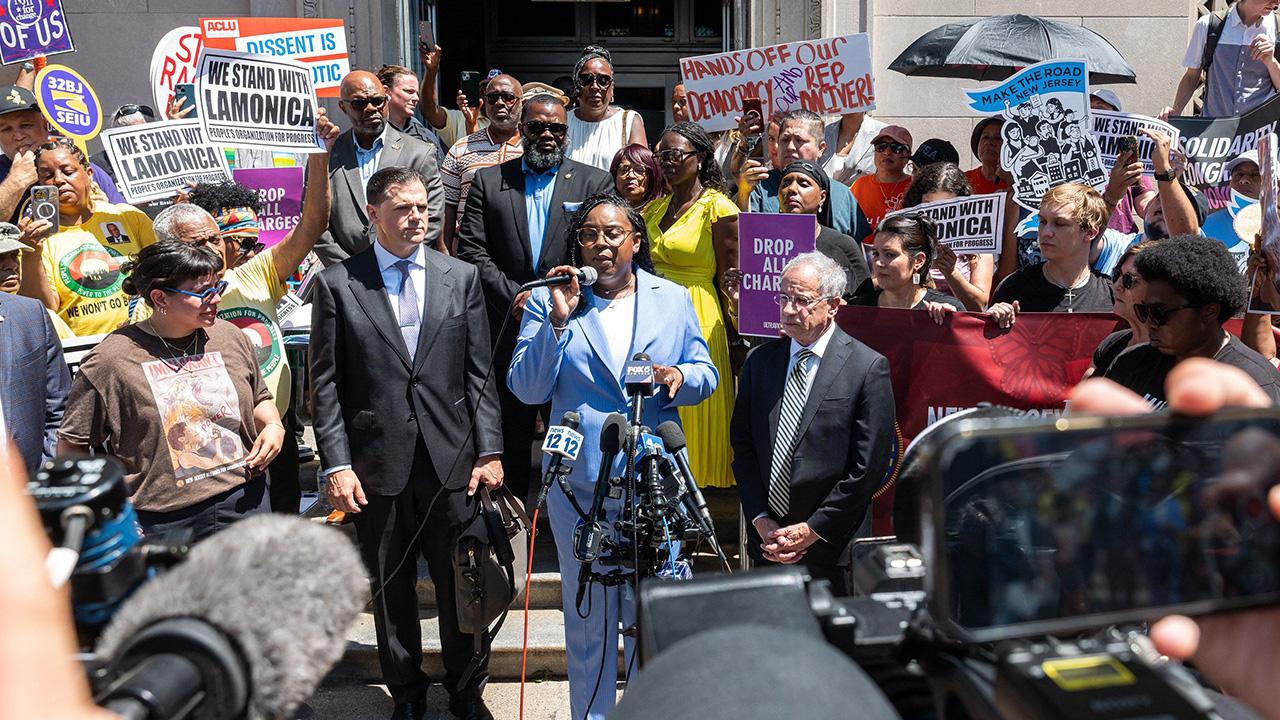
Congresswoman LaMonica McIver has maintained the federal prosecution against her is politically motivated.
Prosecutors accused McIver of assaulting, resisting, and interfering with federal officers during the incident. She has pleaded not guilty and maintained the prosecution was politically motivated.
While the appeals court allowed two counts against McIver to proceed, Circuit Judge Thomas Ambro sounded the alarm in a partial dissent over her claims of vindictive prosecution.
Judge Thomas Ambro wrote McIver had presented evidence of alleged government animus and "claims a story of vengefulness behind her prosecution," adding: "I believe she has the right to find out whether it is true."
The judge said the government's position is that McIver physically assaulted Department of Homeland Security agents.
Retaliation Against LaMonica McIver?

The New Jersey Democrat argued her actions were tied to congressional oversight of ICE and DHS.
McIver, however, contends that explanation is a pretext and claims the real objective was to retaliate against her for exercising congressional oversight over DHS – and potentially discourage lawmakers from carrying out similar oversight in the future.
Judge Thomas Ambro noted the government had not identified another prosecution under the same statute involving "comparably minimal physical contact."
He also pointed to evidence McIver presented concerning DHS's handling of congressional oversight, including an alleged "inexplicable delay" of her Delaney Hall inspection and later policies restricting lawmakers' access to immigration detention facilities.
ICE Accused of Making False Claims About Confrontation

McIver's criminal case stems from a confrontation with federal immigration officers at Delaney Hall.
In his dissent, Judge Thomas Ambro also accused DHS of disseminating false claims about the Delaney Hall confrontation, including assertions that members of Congress and protesters had "stormed the gate" and "broke into the detention facility."
The majority, however, did not reach the merits of McIver's selective and vindictive prosecution claims, dismissing that portion of her appeal for lack of appellate jurisdiction at this stage.
McIver also invoked the Supreme Court's landmark ruling in Trump v. United States, arguing its reasoning on presidential immunity should apply with "equal, if not greater, force" to legislators carrying out their official responsibilities.

Trump Immunity Rejected

Never Miss an

Daily updates from the heart of Hollywood, right to your inbox
By entering your email and clicking Sign Up, you’re agreeing to let us send you customized marketing messages about us and our advertising partners. You are also agreeing to our Terms of Service and Privacy Policy.
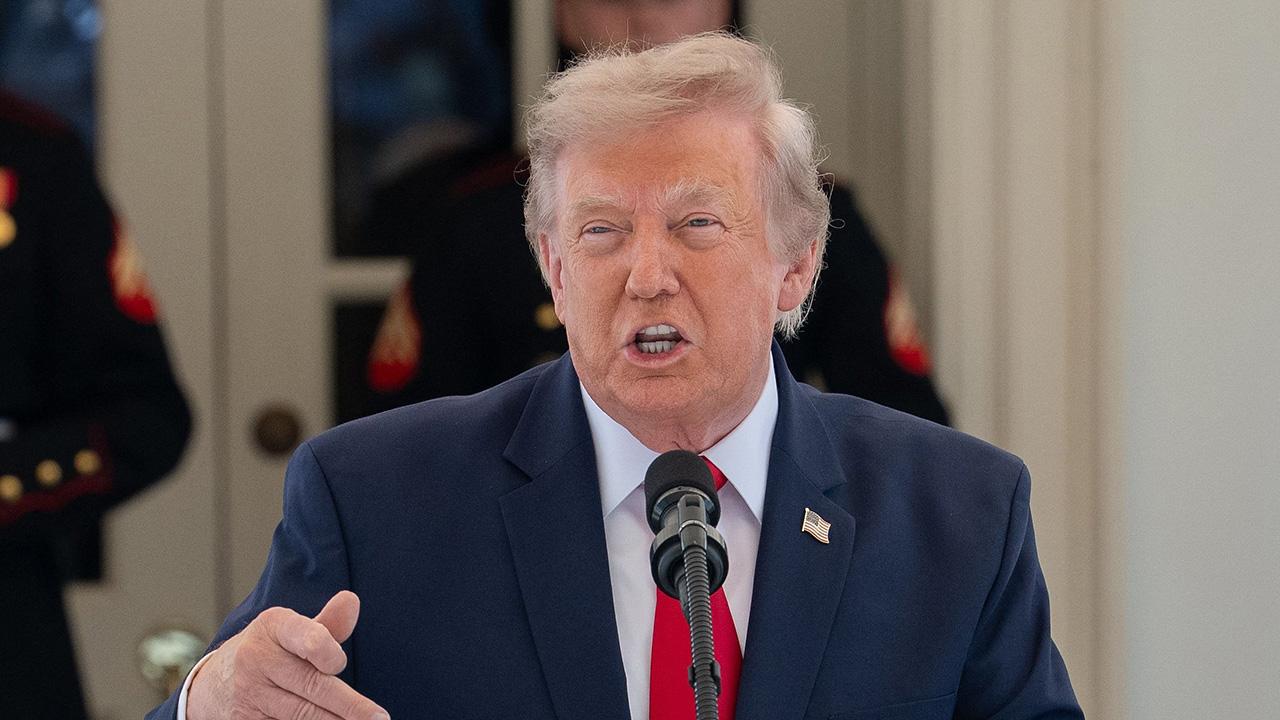
McIver invoked the Supreme Court's Trump immunity ruling in her bid for broader protection from prosecution.
The appeals court rejected that argument, ruling that the Constitution's Speech or Debate Clause already establishes the protection afforded to lawmakers and does not provide broader immunity for non-legislative conduct.
The decision was not a complete defeat for McIver.
The court upheld the denial of immunity on Counts One and Two, but sent Count Three back to the district court for another look at whether the broad charge sweeps in constitutionally protected legislative acts.
