


EXCLUSIVE: Judge Orders Trump DOJ to Hand Over FBI Notes From Interviews With Woman Who Claimed She Had ‘Sexual Contact With Prez When She Was a Minor’

President Donald Trump's Justice Department has been ordered to provide a federal judge with FBI interview notes tied to allegations made by a woman who said she had sexual contact with Trump while she was a minor.
Sept. 18 2026, Published 7:04 p.m. ET


A federal judge has ordered President Donald Trump's Justice Department to surrender handwritten FBI notes from interviews with a woman who alleged she had sexual contact with Trump while she was underage, RadarOnline.com can exclusively reveal.
According to court documents obtained by Radar, U.S. District Judge Emmet Sullivan directed Attorney General Todd Blanche to provide the court with redacted and unredacted copies of the underlying FBI interview notes for four separate reports involving the woman.
The materials are due September 24 at 11 a.m. for private, in camera review.
FBI Reports Document Woman’s Trump Allegations

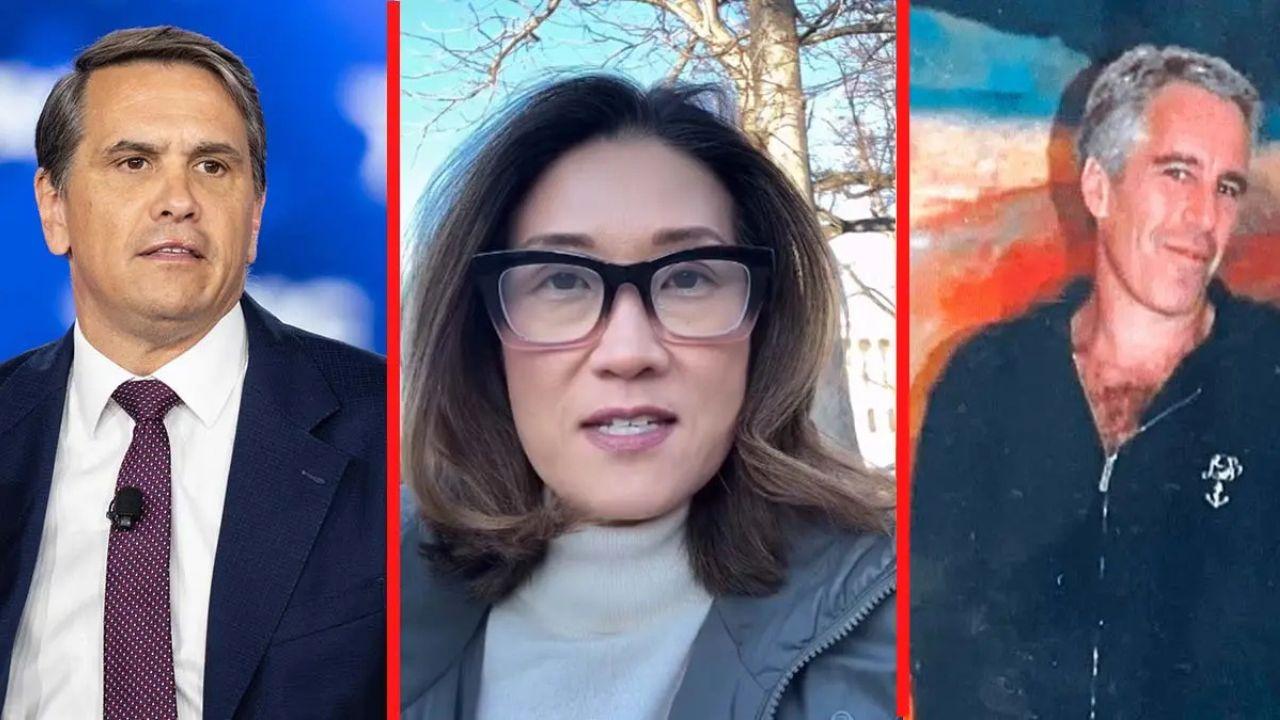
The legal battle centers on a lawsuit seeking greater access to government records tied to the Jeffrey Epstein files.
The explosive order comes in attorney and journalist Katie Phang's ongoing lawsuit against Blanche, seeking greater access to records released from the government's Jeffrey Epstein files.
One of those reports documented investigators asking the woman for additional details about an alleged encounter with Trump when she was approximately 13 to 15 years old and in the company of Epstein.
Another FBI report stated the woman had previously told investigators she had sexual contact with Trump while she was a minor and alleged the contact was facilitated through her association with Epstein.
The reports recorded allegations and do not constitute findings by the FBI or the court that the alleged conduct occurred.
Judge Rejects DOJ’s Argument for Withholding Notes
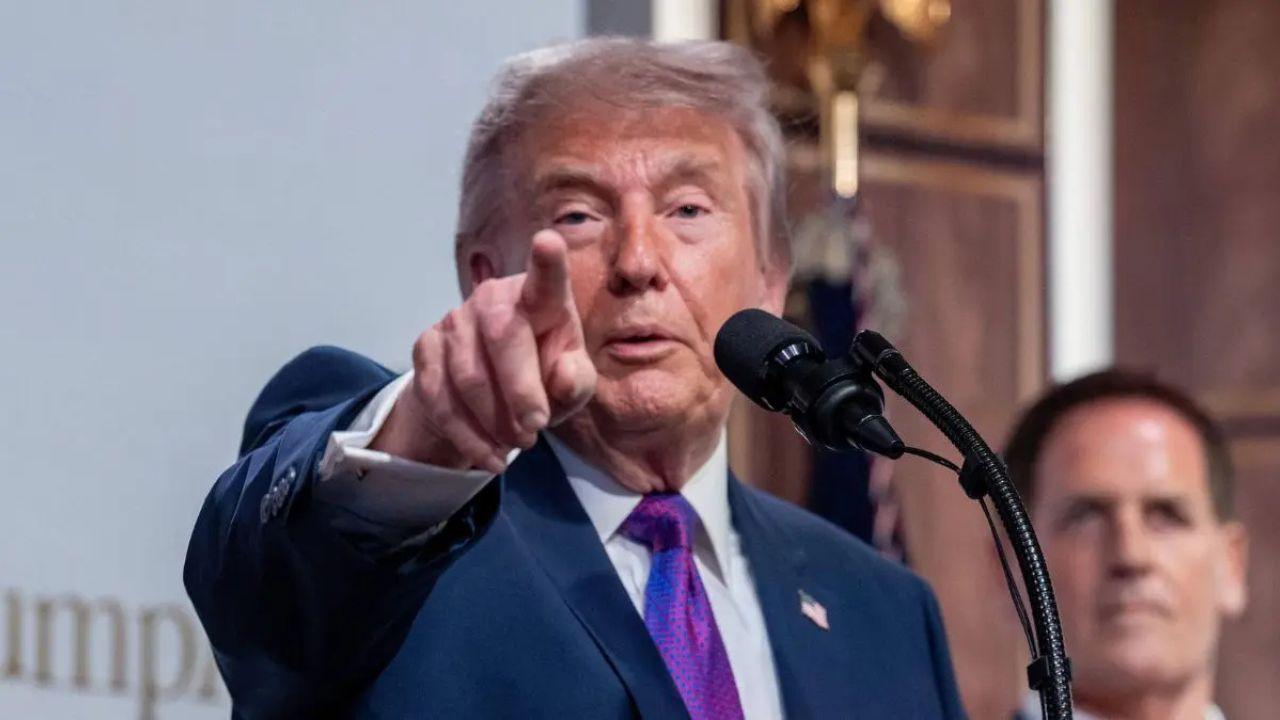
Another FBI report stated the woman had previously told investigators she had sexual contact with Trump while she was a minor.
Sullivan had previously ordered the Justice Department to either release the underlying handwritten notes with appropriate victim-protection redactions or explain why they should remain withheld.
The DOJ argued the handwritten material did not need to be produced because the notes were "substantially similar" to and duplicative of the typewritten FBI reports already released, while also raising concerns about inadvertently exposing information identifying victims.
But Sullivan rejected the department's reasoning, finding the government's review protocol did not authorize documents to be withheld merely because they were substantially similar or duplicative.
Judge to Review FBI Notes Himself
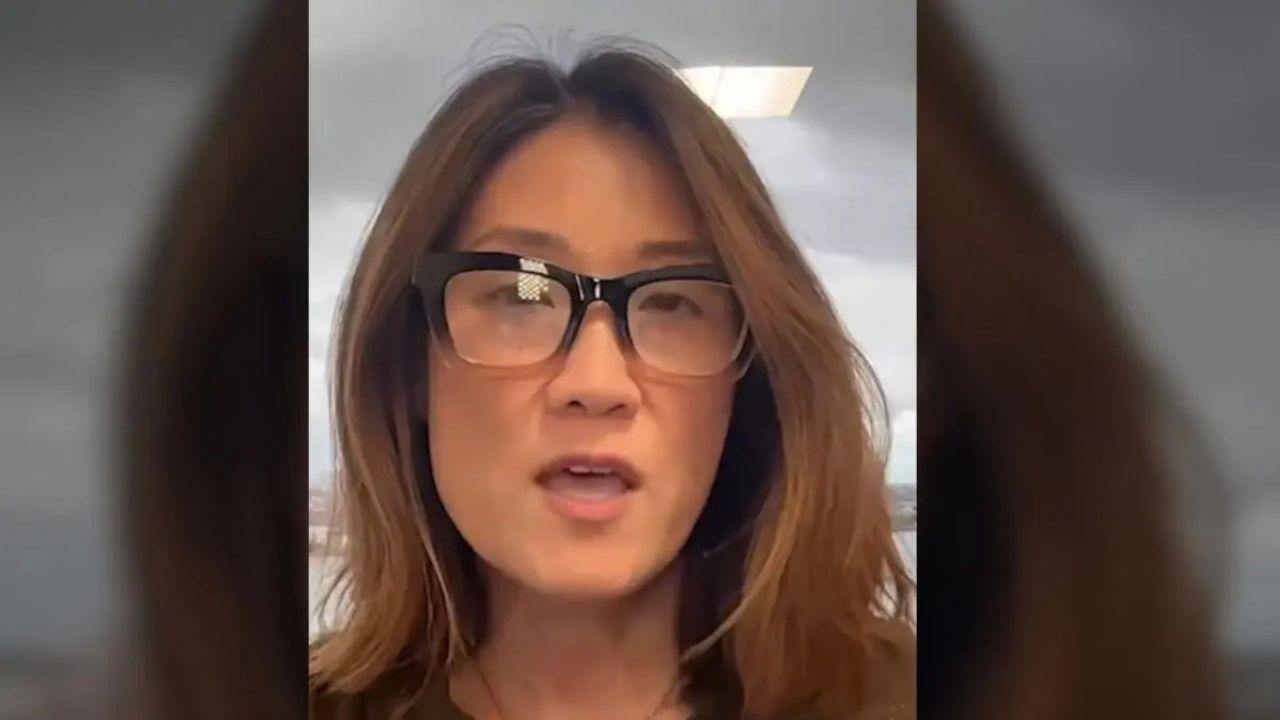
Attorney and journalist Katie Phang challenged the Justice Department's handling of handwritten FBI interview records in the ongoing court fight.
The dispute intensified after Phang challenged the government's handling of handwritten FBI records.
At an August status hearing, a DOJ attorney indicated that, to his knowledge, handwritten notes connected to other FBI 302 reports had not been produced.
Phang subsequently filed a notice disputing that representation and pointed the court toward numerous examples she said showed other handwritten interview notes had in fact been released.
Sullivan's September 16 ruling now gives the judge an opportunity to compare the material himself before deciding what, if anything, must ultimately be disclosed publicly.
Handwritten Notes Won't Go Public

Never Miss an

Daily updates from the heart of Hollywood, right to your inbox
By entering your email and clicking Sign Up, you’re agreeing to let us send you customized marketing messages about us and our advertising partners. You are also agreeing to our Terms of Service and Privacy Policy.
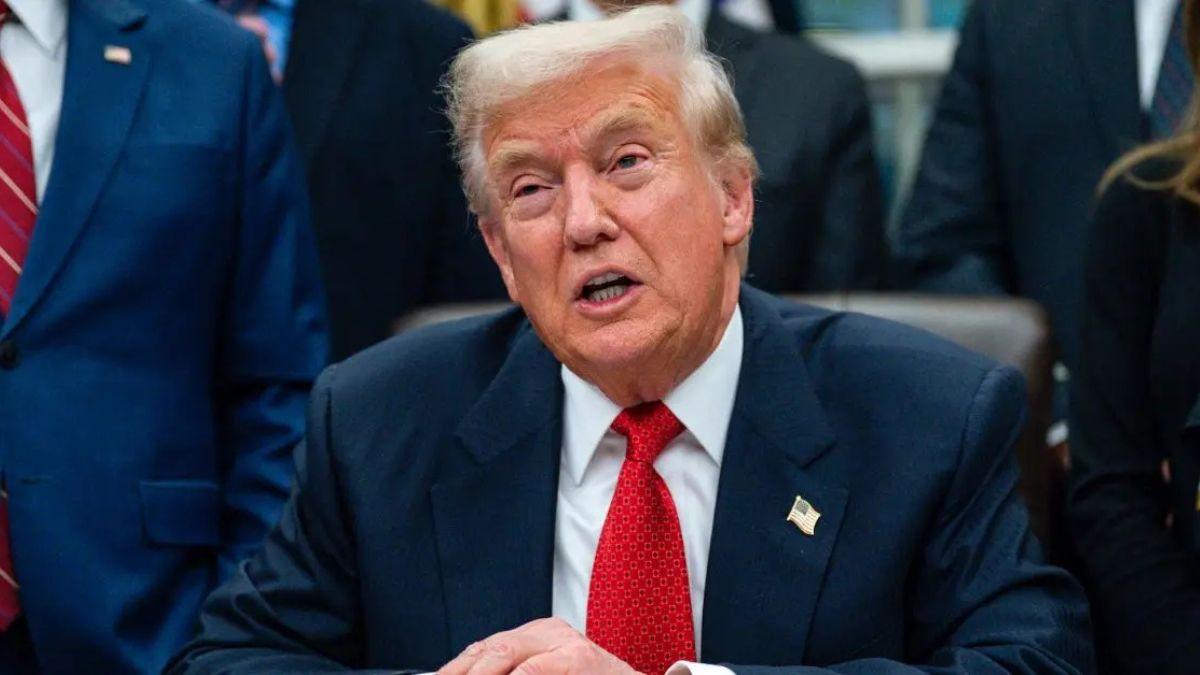
A woman who alleged Epstein introduced her to Trump when she was about 13 years old.
The handwritten notes will therefore not automatically become public on September 24.
Instead, Judge Sullivan will privately examine both versions while the broader legal battle over the government's handling of the Epstein records continues.
The fight now puts Trump back at the center of the Epstein records battle, with Sullivan set to privately review the FBI notes tied to allegations involving the president.
The Justice Department has appealed Sullivan's earlier preliminary-injunction ruling to the U.S. Court of Appeals for the D.C. Circuit.
