


Inside Donald Trump's White House Shake-Up — as Prez Fires Susie Wiles and Names Stephen Miller New Chief of Staff After Midterm Bloodbath

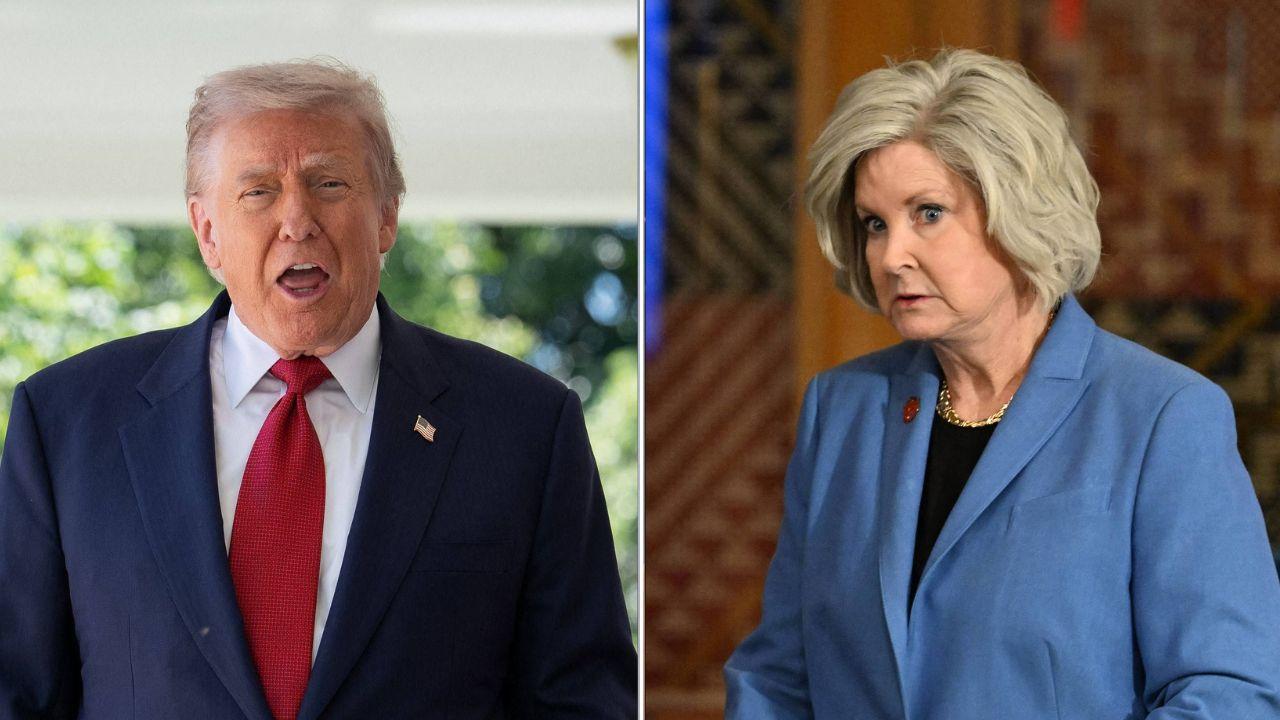
Trump announced Friday that Stephen Miller is replacing Susie Wiles as White House chief of staff starting Monday
Nov. 6 2026, Published 4:58 p.m. ET


Donald Trump has named longtime adviser Stephen Miller as his new White House chief of staff, replacing Susie Wiles following Republicans' sweeping losses in the 2026 midterm elections.
The president announced the appointment on Friday, November 6, confirming that Miller will take over the position on November 9.
Wiles, who resigned from the role on Thursday night, is expected to move to Trump's political operation.
Her departure comes as the president prepares to face Democratic majorities in both chambers of Congress, creating a tougher political environment for the remainder of his term.
Trump Names Stephen Miller as Susie Wiles' Replacement

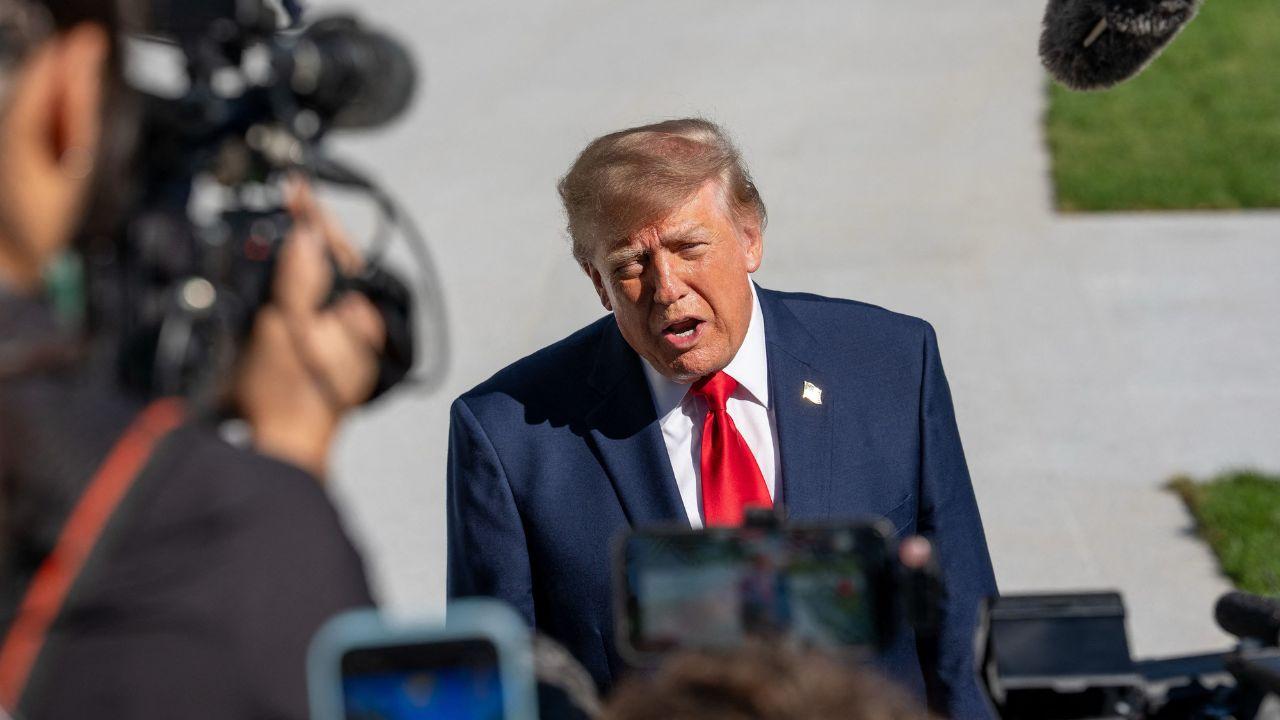
Wiles submitted her resignation Thursday night, just days after Republicans lost control of the House and Senate in the midterms
Trump announced the appointment on Truth Social, praising Miller as one of his most trusted advisers.
"I am pleased to announce that Mr. Stephen Miller, the current Deputy Chief of Staff of the Trump Administration, and one of my most trusted advisors, will become the Chief of Staff starting Monday, November 9, 2026," the president wrote.
He also thanked Wiles for her service, adding that she would be joining his political operation.
Wiles addressed her departure in a statement on X, confirming, "Today is my last day as White House Chief of Staff." She described the position as "the honor of a lifetime" and said her "commitment to the President and the mission" would remain unchanged.
According to reports, the departure was a mutual decision following the Republicans' election losses.
Sources told the outlet that Trump held Wiles responsible for the disappointing results, although he did not directly ask her to resign. Other reports described her exit as a move orchestrated by the president.
Inside the White House Power Struggle Before Wiles' Exit
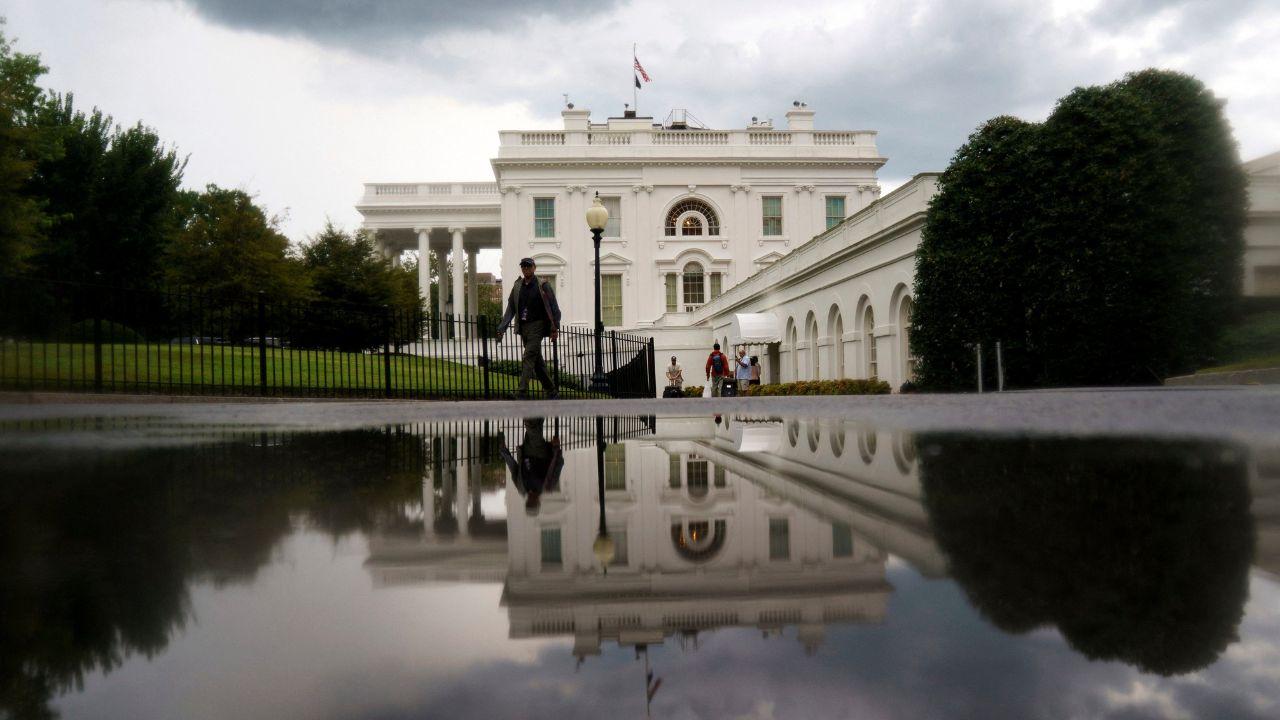
Trump said Wiles did an outstanding job and will move over to his political operation
Wiles' departure follows months of reported competition for influence within the administration.
A Washington Post investigation published October 16, drawing on interviews with 20 administration staffers, advisers and people close to Trump, described growing tensions among senior officials.
Miller, housing official Bill Pulte and EPA Administrator Lee Zeldin were reportedly positioning themselves for the chief of staff position in anticipation of Wiles' possible departure.
The report also detailed an incident involving Katie Zacharia, whom Trump selected for the White House press secretary position without initially consulting Wiles. The decision reportedly raised questions about the chief of staff's influence over personnel decisions.
Wiles had previously attracted attention for her candid December 2025 interviews with Vanity Fair. She described Trump as having "an alcoholic's personality," despite his not drinking, and called Vice President JD Vance "a conspiracy theorist for a decade."
She also criticized Attorney General Pam Bondi's handling of the Jeffrey Epstein files, saying Bondi had "completely whiffed" on the issue.
Wiles subsequently accused the magazine of publishing a "disingenuously framed hit piece" that disregarded significant context.
Why Trump's Midterm Losses Have Triggered a Shake-Up
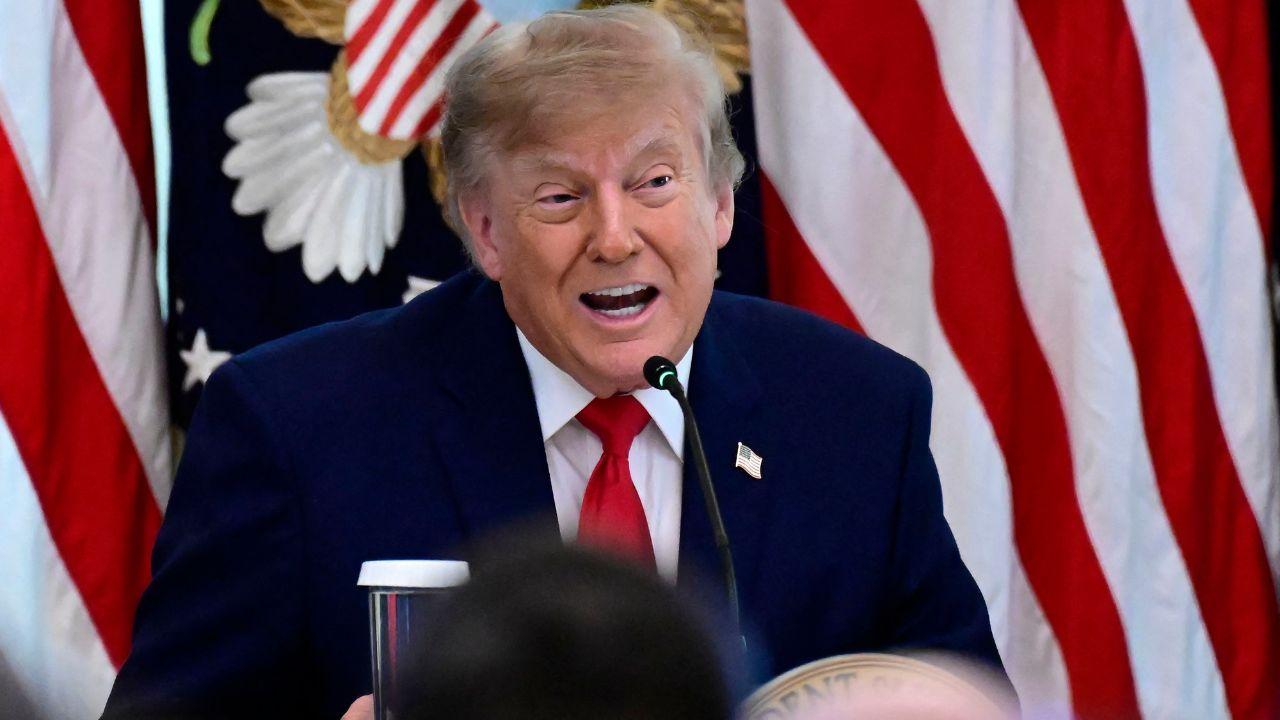
Miller has been deputy chief of staff and the main architect of Trump’s hardline immigration policies
The November 3 election dealt Republicans a major setback, with Democrats winning control of both the House and Senate. The Associated Press called the Senate for Democrats on election night and projected the House for the party early Wednesday morning.
The results mean Trump will face a Democratic-controlled Congress when the new lawmakers take office in January 2027.
The shift is expected to make it harder for the administration to advance its legislative priorities while giving Democrats greater power to investigate the president and his administration.
Voter concerns about the cost of living, inflation, the administration's handling of the economy, and the war with Iran contributed to the Republican losses, according to AP's election coverage. Democrats also made significant gains in several traditionally Republican areas.
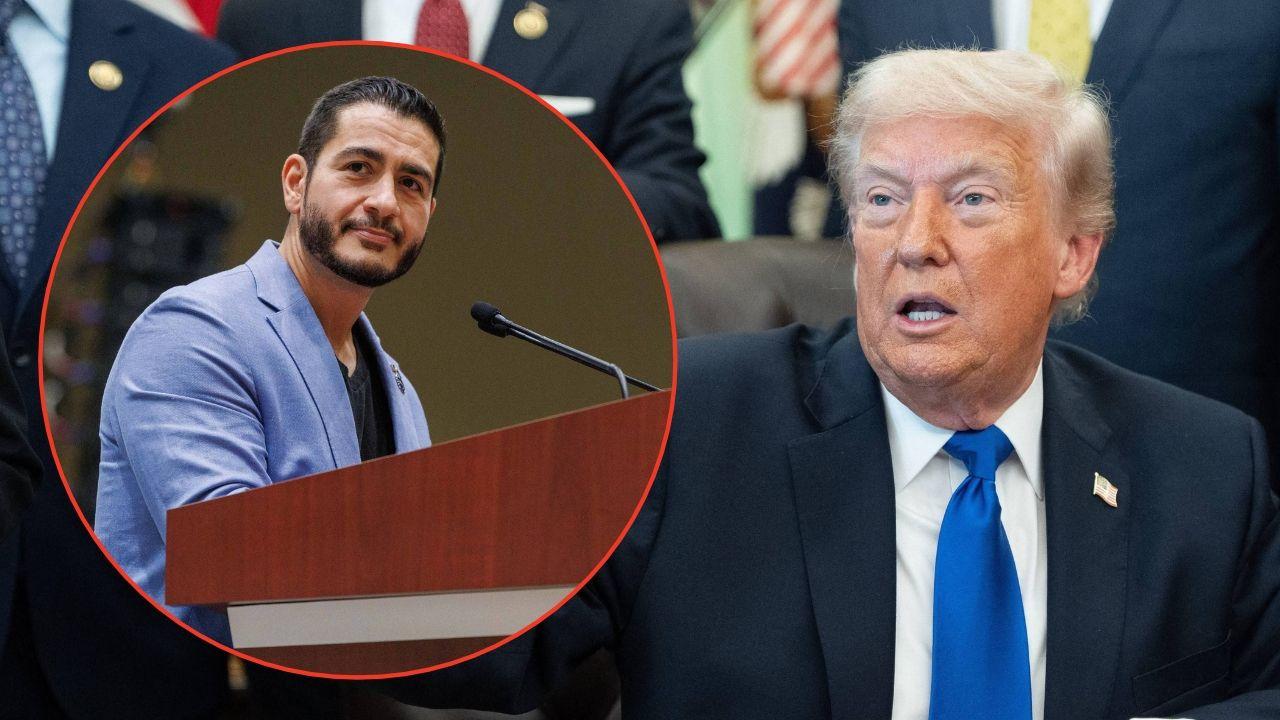
Who Is Stephen Miller and What His Appointment Means

Never Miss an

Daily updates from the heart of Hollywood, right to your inbox
By entering your email and clicking Sign Up, you’re agreeing to let us send you customized marketing messages about us and our advertising partners. You are also agreeing to our Terms of Service and Privacy Policy.
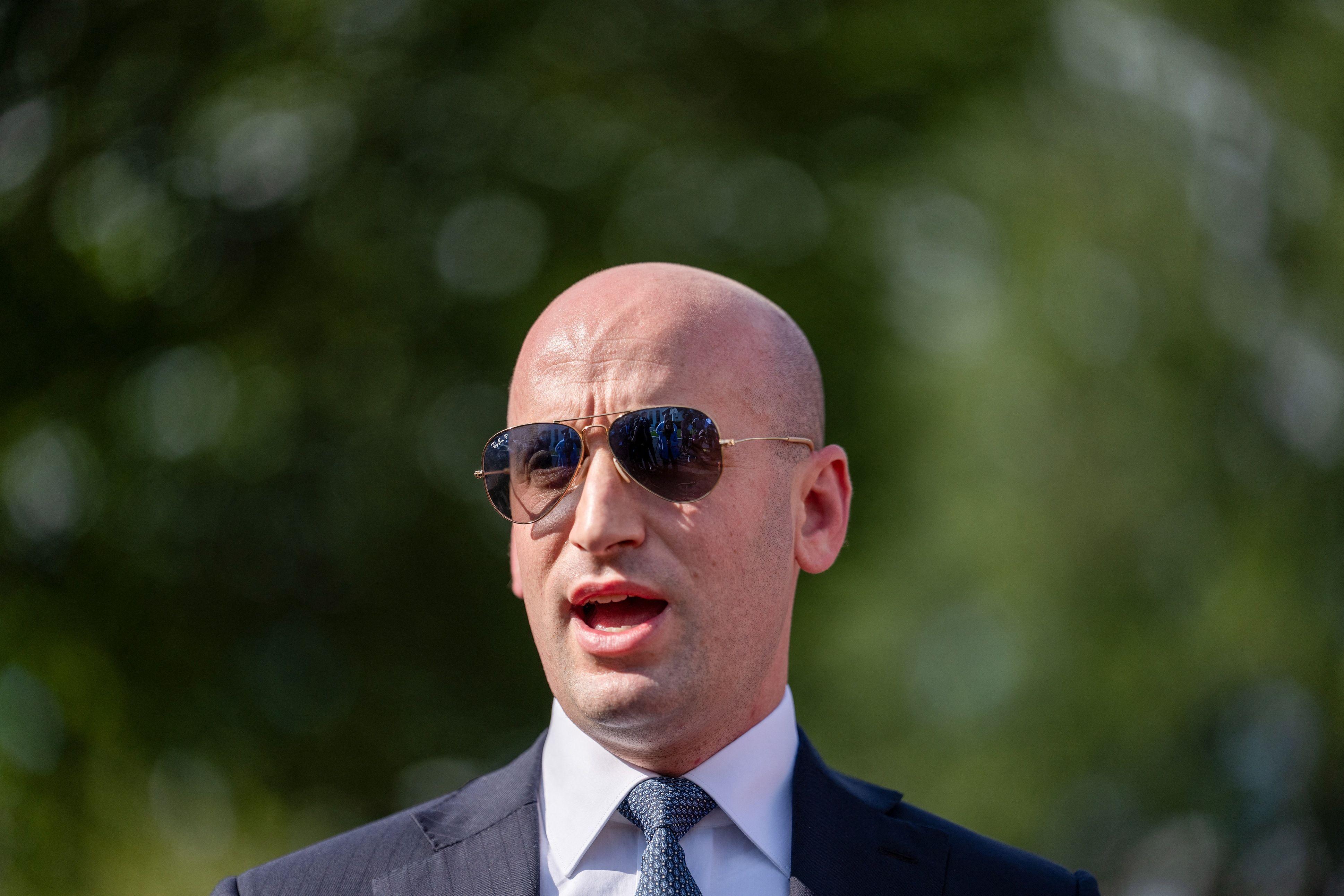
Trump called Miller one of his most trusted advisors and said sometimes you just have to make a change
Miller has been closely associated with Trump since the 2016 presidential campaign, when he worked as a speechwriter. During Trump's first administration, he served as a senior adviser and played a major role in shaping immigration policy.
He returned to the White House in January 2025 as deputy chief of staff for policy and homeland security adviser. His promotion places one of the administration's strongest advocates of stricter immigration enforcement in its most senior staff position.
The appointment also comes amid additional departures from the Justice Department.
Civil Rights Division chief Harmeet Dhillon resigned Thursday, followed by National Security Division head John Eisenberg and Southern District of Florida U.S. Attorney Jason Reding Quiñones on Friday.
Reuters reported that the reasons for the latter two departures were not immediately clear. Their exits nevertheless add to the senior personnel changes following the Republicans' midterm defeat.
