


Donald Trump's 'Art of the Deal' Strategy Backfires as Vladimir Putin Rejects Lucrative Oil Proposals and Forces Ukraine Peace U-Turn

U.S. envoys Steve Witkoff and Jared Kushner informed European officials of the strategy shift.
Nov. 25 2026, Updated 10:56 a.m. ET


The Trump administration has reportedly abandoned plans to use lucrative business partnerships to persuade Russian President Vladimir Putin to end the war in Ukraine after Moscow showed little interest in the proposed economic incentives.
According to the Financial Times, five officials familiar with the discussions said Russian negotiators were more interested in securing territorial concessions than pursuing commercial opportunities with Washington.
U.S. envoys Steve Witkoff and Jared Kushner have reportedly informed European officials that corporate partnerships are no longer a central part of the administration's negotiating strategy.
However, a U.S. official disputed the reporting when contacted by The Independent, saying Washington was still organizing its negotiating tracks and that economic cooperation remained part of the discussions.
Russia Shows Little Interest in Trump's Business Proposals

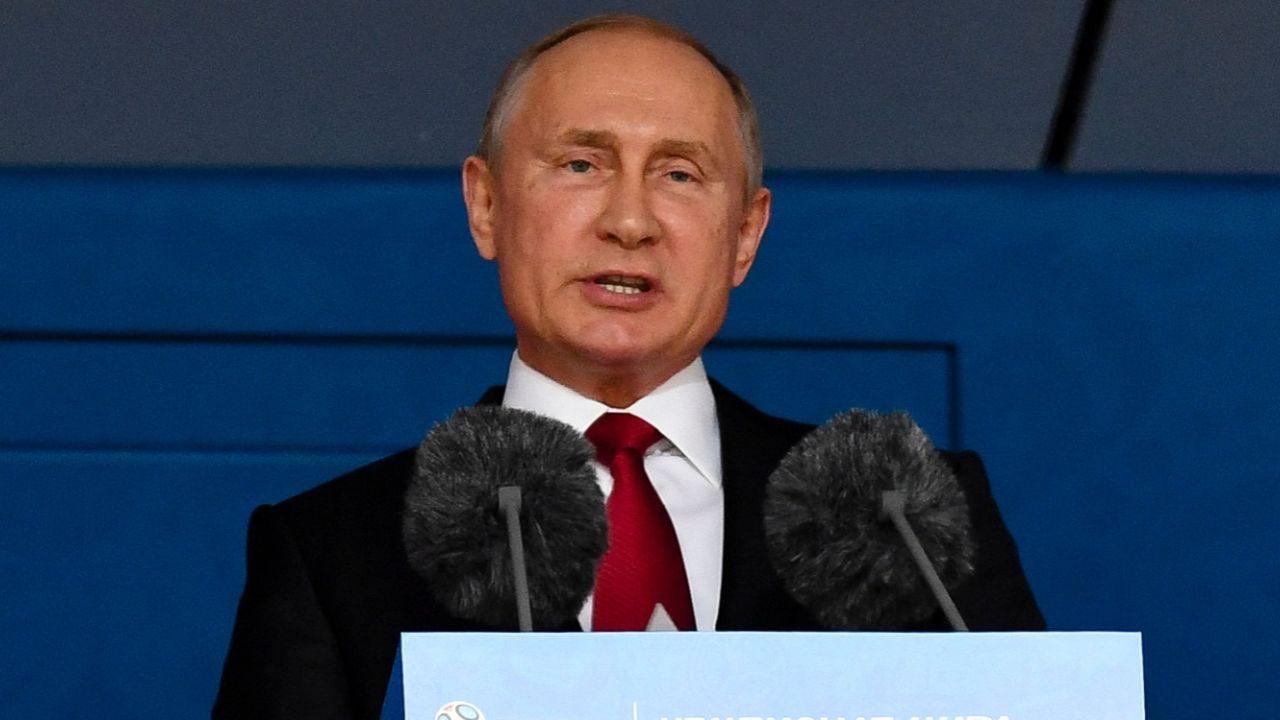
Moscow showed little interest in trading peace for commercial opportunities.
The proposed partnerships were intended to give Moscow an economic incentive to reach a peace agreement with Kyiv.
Russian officials initially appeared receptive to the ideas, according to the Financial Times. However, their position reportedly changed during negotiations in Abu Dhabi earlier in November, when Moscow showed little interest in business arrangements.
One official familiar with the discussions told the newspaper, "It was made pretty clear that the Russians were not in the market for this kind of thing."
The report suggested Russian officials believed potential commercial agreements could help maintain Trump's interest in negotiations.
However, Moscow appeared increasingly confident that broader sanctions relief and renewed business opportunities could follow a peace agreement anyway.
Energy and Aviation Deals Were Among the Proposals
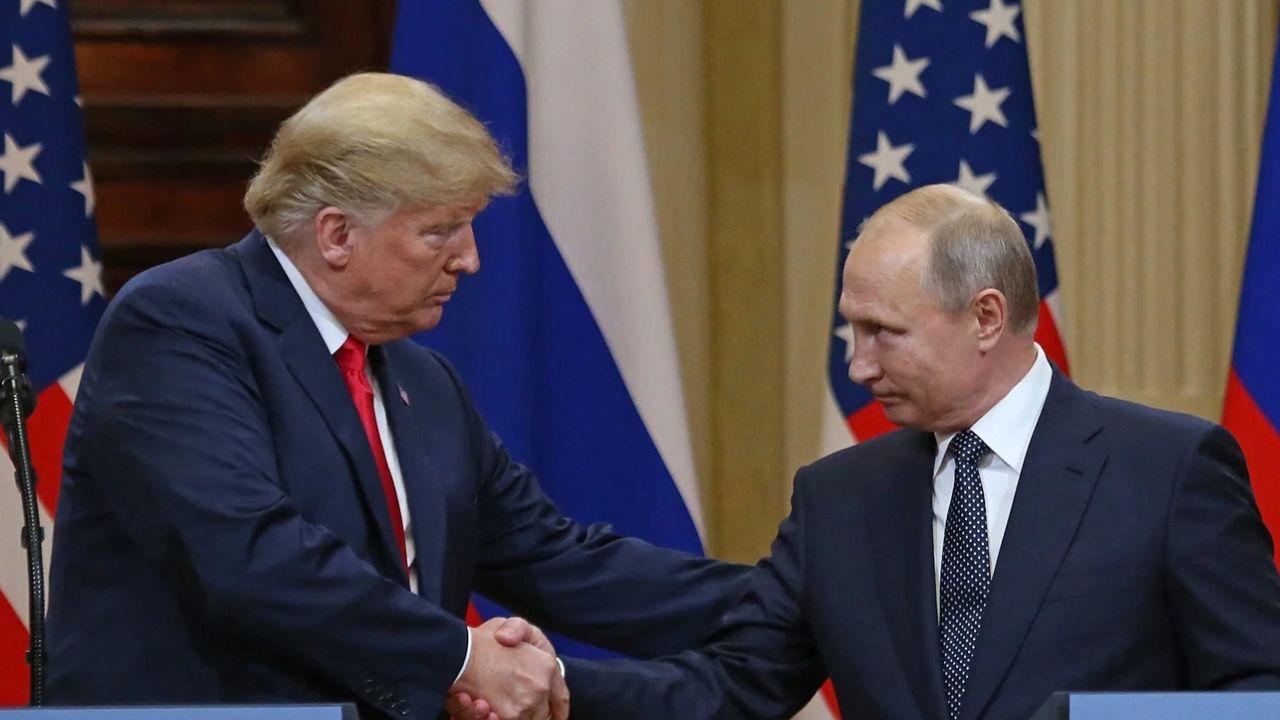
Russia continues to demand Ukraine surrender the entire eastern Donbas region.
Washington had discussed several possible commercial arrangements as part of its effort to improve relations with Russia after the war.
According to the Financial Times, the proposals included U.S. investment in Russian oil projects, cooperation on titanium production and restoring pipeline gas supplies to Europe.
Other ideas reportedly involved bringing an American investor into the Nord Stream pipeline network and allowing U.S. airlines to use Russian airspace again.
The discussions also included restarting Russian oil deliveries to Europe through the Druzhba pipeline and reviving joint energy projects.
Although the initiatives were considered potential incentives for Putin, they are no longer a central feature of Washington's negotiating approach, according to the report.
Territorial Demands Continue to Complicate Peace Talks
Proposed deals included oil ventures, pipeline flows, titanium cooperation and U.S. access to Russian airspace.
Moscow's demands over Ukrainian territory remain a major obstacle to reaching an agreement.
Russia continues to insist that Ukraine surrender the entire eastern Donbas region, a condition Kyiv has repeatedly rejected.
The latest shift in Washington's approach suggests negotiations are increasingly centered on territorial questions and security arrangements rather than economic opportunities.
Russia has also expressed interest in a broader discussion about Europe's postwar security structure, according to The Independent.
However, Ukraine and its Western partners have raised concerns about involving Moscow in discussions that could affect NATO's security arrangements. Kyiv wants guarantees that Russia will not launch another invasion if a settlement is reached.
The administration has yet to publicly explain how it intends to move forward with the proposed security discussions.
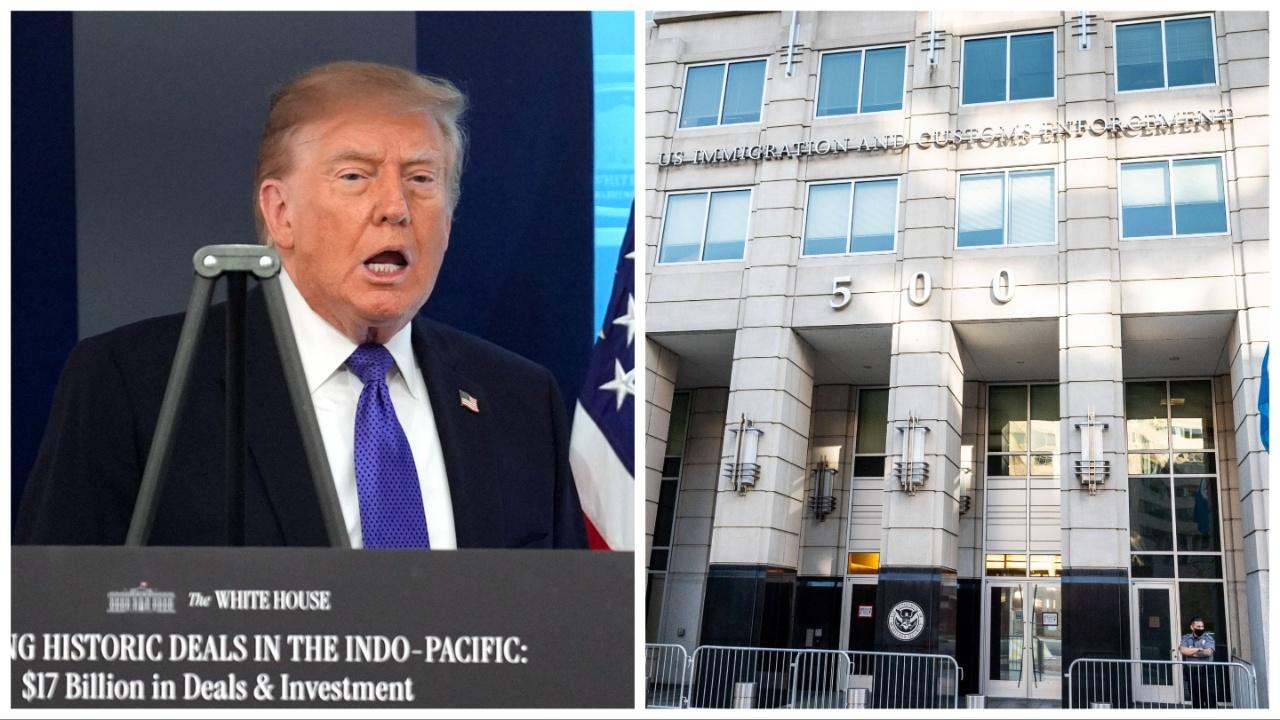
Trump's Previous Russian Diesel Deal Also Raised Questions

Never Miss an

Daily updates from the heart of Hollywood, right to your inbox
By entering your email and clicking Sign Up, you’re agreeing to let us send you customized marketing messages about us and our advertising partners. You are also agreeing to our Terms of Service and Privacy Policy.
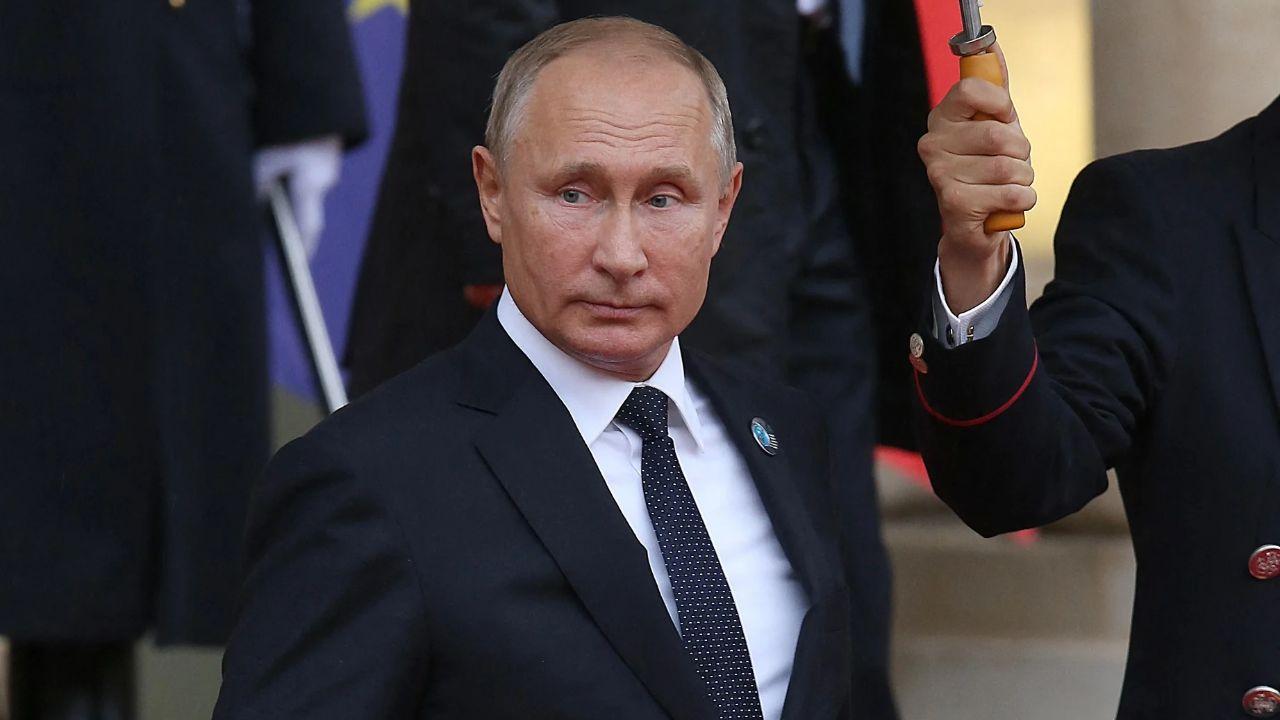
President Donald Trump’s 2026 diesel arrangement with Russia has sparked significant legal, geopolitical, and market questions.
The latest development follows Trump's October agreement with Putin to let more Russian diesel into global markets.
On October 9, Trump announced that Russia would immediately supply more than 300,000 tons of diesel, followed by additional shipments in November and subsequent months. Washington temporarily eased sanctions restrictions to facilitate the transactions.
The arrangement was presented as an effort to help ease elevated fuel prices amid the conflict with Iran.
However, energy analysts questioned how much difference the additional supplies would make. There were reports that limited Russian export capacity and existing supply shortages were likely to prevent the arrangement from significantly lowering global diesel prices.
