


Donald Trump Says 'I'm Glad He’s Dead' After Ex-FBI Chief Robert Mueller Dies at 81

Robert Mueller dies at 81.

March 21 2026, Published 1:54 p.m. ET


President Donald Trump sparked outrage after reacting to the death of former FBI Director Robert Mueller with a blunt and controversial statement, RadarOnline.com can reveal.
Mueller, 81, died on March 20, his family confirmed in a statement to The New York Times.
'Deep Sadness'

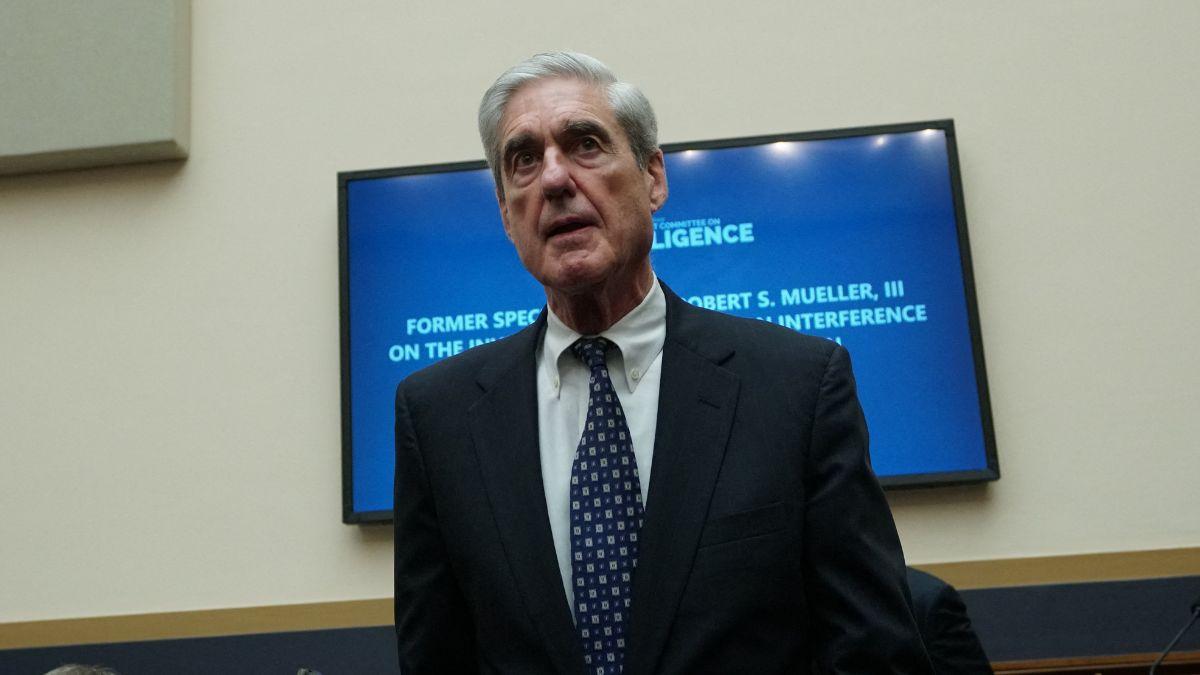
He died on Friday night.
"With deep sadness, we are sharing the news that Bob passed away last night. His family asks that their privacy be respected," they said.
No cause of death has been disclosed yet.
Just hours after the news broke, Trump took to Truth Social with a striking response: "Good, I'm glad he's dead. He can no longer hurt innocent people!"
Earlier Diagnosis
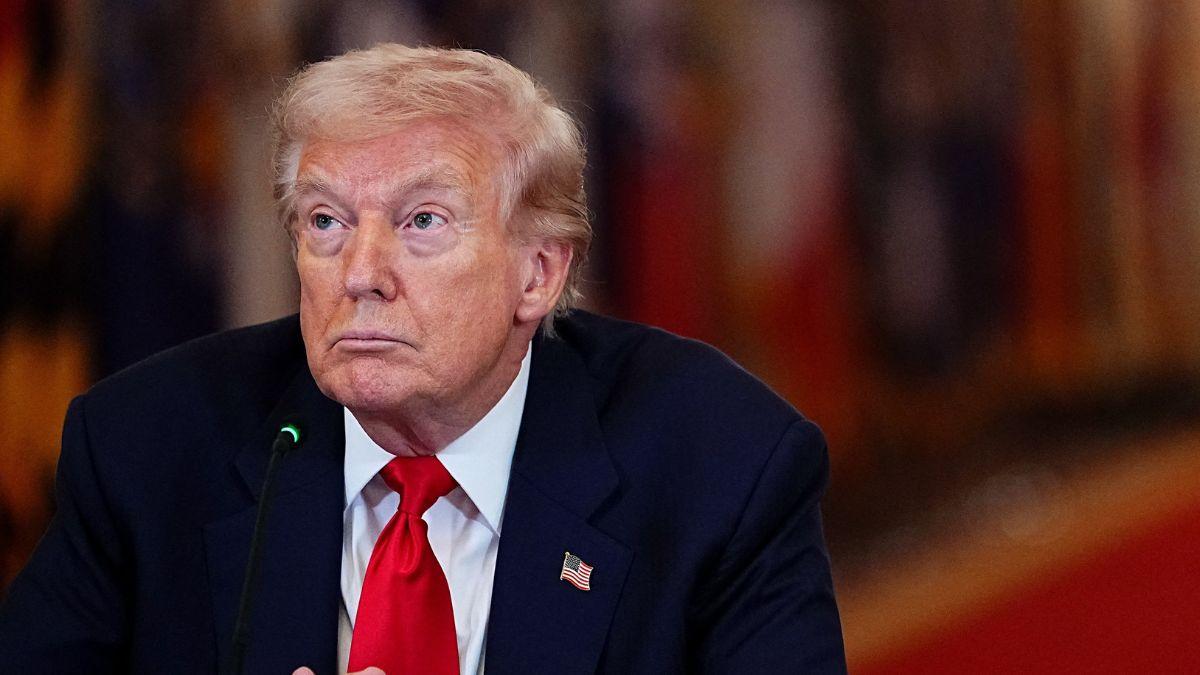
Donald Trump said he was 'glad' Mueller was dead.
Mueller, who previously led the FBI and later served as special counsel in the investigation into Russian interference in the 2016 election, had been in declining health.
His family revealed last year that he had been diagnosed with Parkinson's disease, and he was reportedly unable to testify before Congress in connection with the Jeffrey Epstein investigation due to his condition.
"Bob was diagnosed with Parkinson's disease in the summer of 2021. He retired from the practice of law at the end of that year. He taught at his law school alma mater during the fall of both 2021 and 2022, and he retired at the end of 2022. His family asks that his privacy be respected," a statement at the time said.
Before his death, Mueller had been living in a memory care facility.
Robert Mueller's Russia Probe
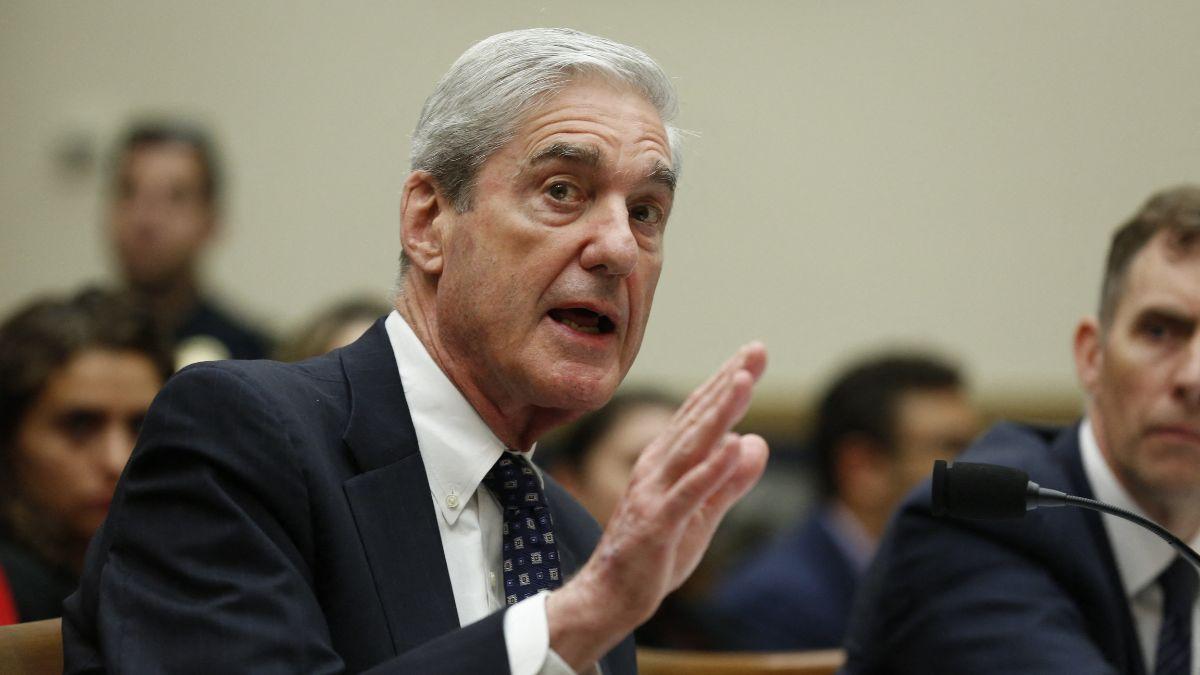
His family previously revealed he had Parkinson's disease.
Mueller led the FBI for more than a decade, serving as director from 2001 to 2013, before later taking on the role of special counsel to examine Russian interference in the 2016 presidential election.
As special counsel, Mueller led a nearly two-year probe examining Moscow's efforts to influence the race that ultimately saw Trump win the presidency.
The investigation found that Russia did intervene in the election to boost Trump's campaign.
While Mueller's team did not bring charges accusing Trump of criminal coordination with Russia, the report stopped short of fully clearing him, stating it could not definitively exonerate the president.
Trump repeatedly dismissed the inquiry as politically motivated, branding it a "witch hunt" and lashing out at Mueller throughout the process.
After the report was released, he continued to attack its findings, calling it "total bull----" and insisting there had been no wrongdoing on his part.
Early Life and Military History

Never Miss an

Daily updates from the heart of Hollywood, right to your inbox
By entering your email and clicking Sign Up, you’re agreeing to let us send you customized marketing messages about us and our advertising partners. You are also agreeing to our Terms of Service and Privacy Policy.
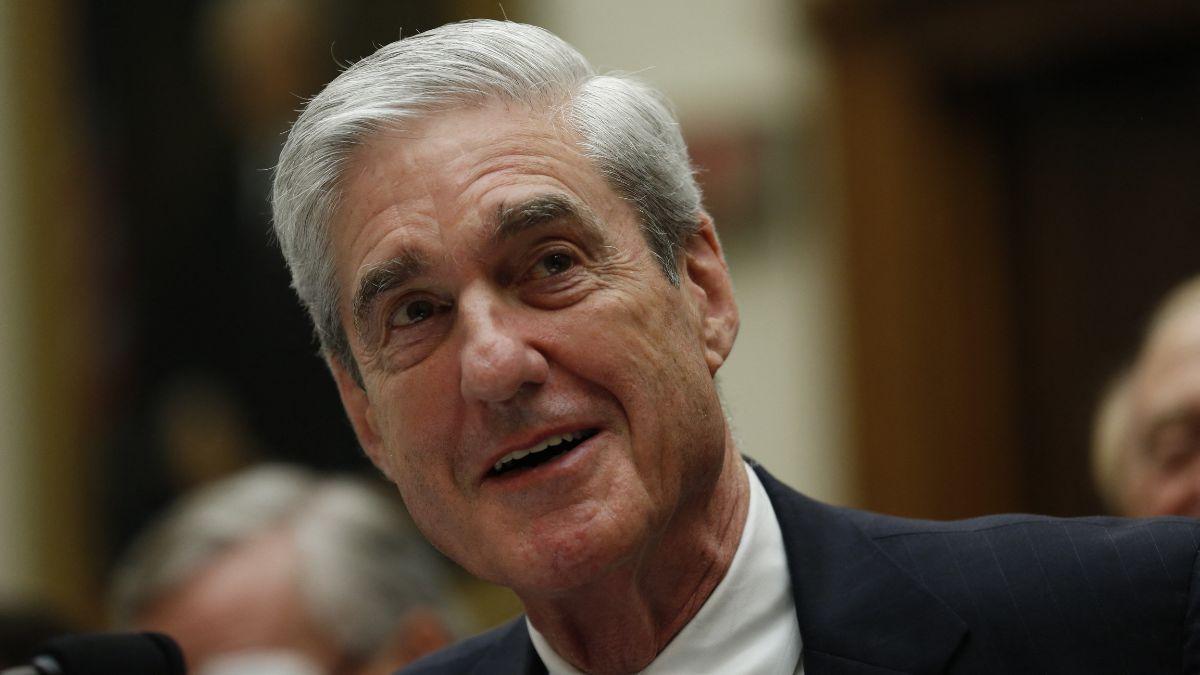
Mueller led the FBI from 2001 to 2013.
Mueller was born in New York City and raised in an affluent suburb outside Philadelphia.
He went on to earn his undergraduate degree from Princeton University before completing a master's in international relations at New York University.
After his studies, Mueller enlisted in the U.S. Marine Corps, where he served as an officer during the Vietnam War.
He led a rifle platoon in combat and was decorated with several honors, including a Bronze Star, a Purple Heart, and two Navy Commendation Medals.
When his military service ended, he pursued a law degree at the University of Virginia, launching a legal career that would take him into federal prosecution.
He built a reputation handling criminal cases and steadily advanced through U.S. Attorney’s offices in both San Francisco and Boston between the mid-1970s and late 1980s.
