


EXCLUSIVE: Dick Cavett Facing Final Curtain — How Late-Night Trailblazer's Skeletal Figure is Sparking Death Fears

Dick Cavett's skeletal figure has sparked growing death fears as concern mounts over his health.

June 9 2026, Published 6:15 a.m. ET


Late-night trailblazer Dick Cavett's skeletal figure and bewildered appearance following the final episode of The Late Show has triggered fears that the once-sharp-witted funnyman is sadly heading for his final sign-off, RadarOnline.com can reveal.
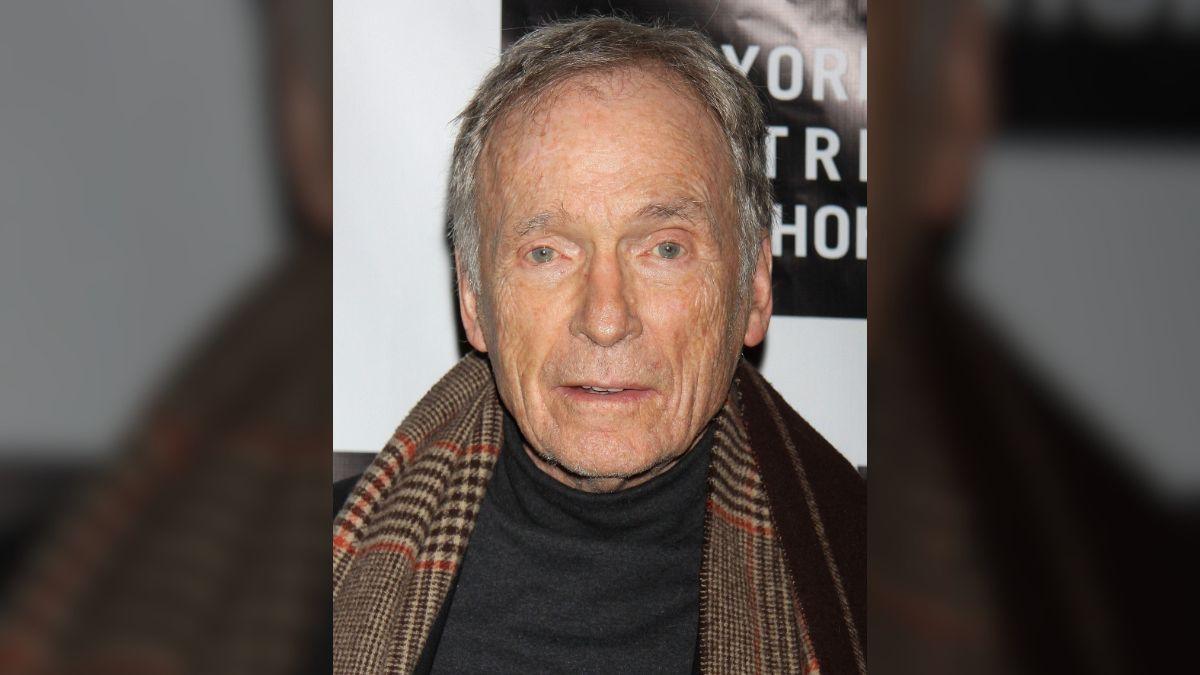
As this image shows, the 89-year-old retired talk show host, who once offered a brainy alternative to Johnny Carson's Tonight Show during the early 1970s, appeared lost and, tragically, physically diminished on the streets of New York City.

Frail Appearance Sparks Health Concerns
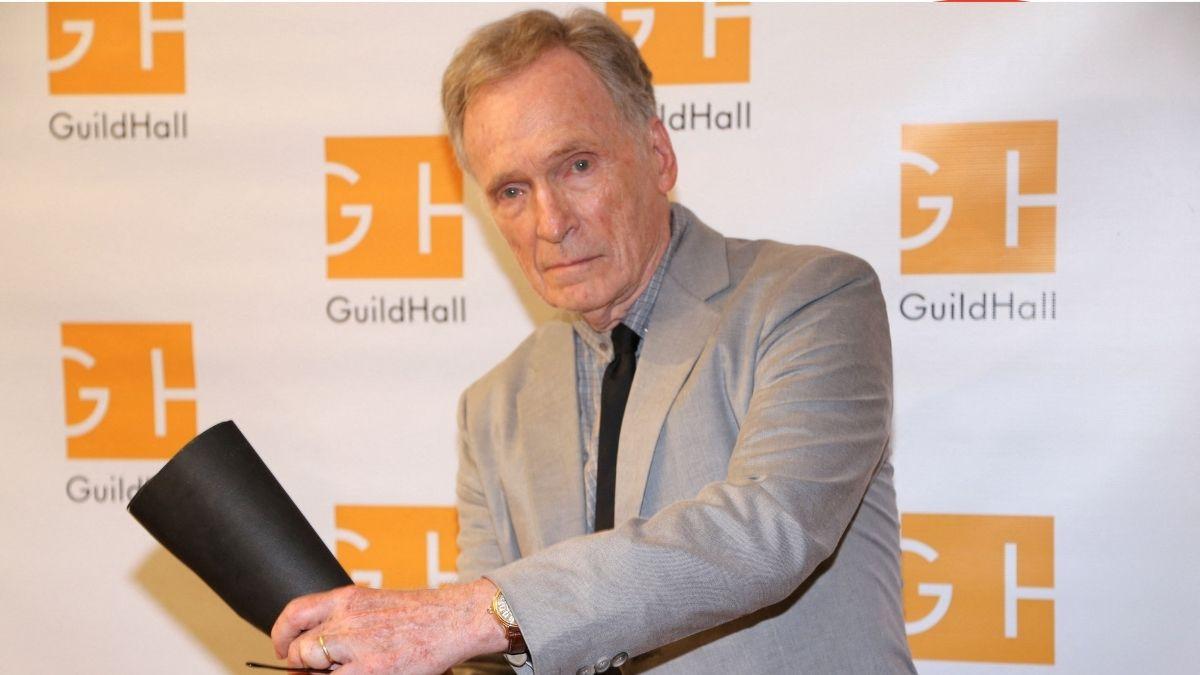
Dick Cavett appeared physically diminished in New York City as he attended an after-party following Stephen Colbert's final 'The Late Show' episode.
The head-turning photo of Cavett was taken May 21, only hours after Late Show host Stephen Colbert's final episode and as the Ivy League-educated intellectual arrived at an after-party.
Cavett, who has been candid about his battle with depression and undergoing electroconvulsive therapy treatments, is only about six years removed from a devastating stroke that left him reliant on a walker to get around, a health crisis he described as "a wicked, wicked thing."
"I don't feel permanently dramatically scarred or wounded by it," he said last year. "A lot of people cannot say that."
But after seeing recent photos of Cavett, one doctor told RadarOnline.com he "never would have expected (the star) to look so frail" – even at the very senior age of 89.
Doctor Warns Of Lingering Risks
Dr. Stuart Fischer said stroke survivors like Cavett can face ongoing risks, including falls, balance issues and underlying heart problems.

Never Miss an

Daily updates from the heart of Hollywood, right to your inbox
By entering your email and clicking Sign Up, you’re agreeing to let us send you customized marketing messages about us and our advertising partners. You are also agreeing to our Terms of Service and Privacy Policy.
"Sometimes, people who have strokes suffer lingering bouts of depression, and they don't eat enough and, as we know, Cavett has a long history of depressive disorder," said Dr. Stuart Fischer, who hasn't treated the star.
"The thing you really have to worry about with stroke victims is balance," he noted. "They are particularly susceptible to falls, head injuries, and hip fractures.
"Also, a stroke can be a sign of underlying heart disease. About 10 percent of strokes are caused by rhythmic disturbances of the heart."
