


The Black Dahlia and Zodiac Killer 'Were the Same Person,' Cold Case Consultant Claims — As Monster Murderer Left 'Clues Linking Himself to Both' Investigations

The unknown suspect who killed Elizabeth Short may have been the Zodiac killer, according to a new theory.

May 1 2026, Published 6:45 p.m. ET


It has been nearly 80 years since Elizabeth Short, known as the Black Dahlia, was found dead in a vicious, gruesome homicide, which remains unsolved, but RadarOnline.com can reveal one particular infamous killer could have been behind the murder.
Smart, who was jobless and homeless, was only 22 years old at the time of her death and was savaged by authorities at the time, with lead detective Harry Hansen labeling the young woman a "tease," and claiming she probably "set some guy off into a blind, berserk rage."
Black Dahlia Killer... Was Also the Zodiac?

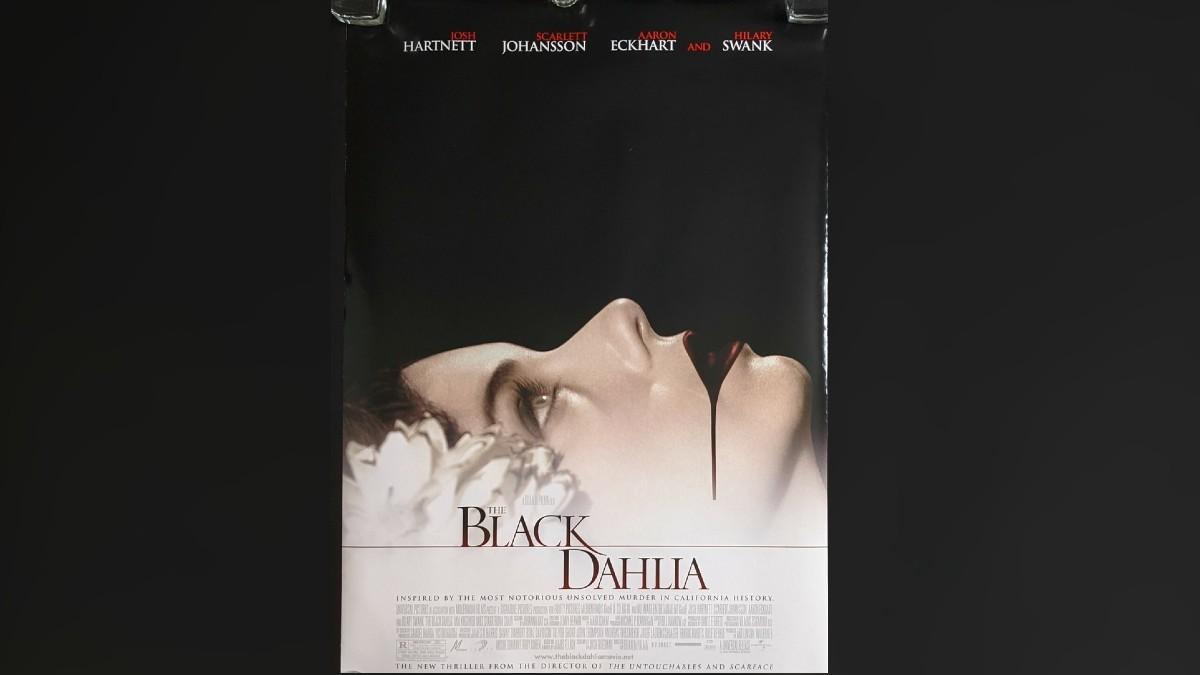
The story of the unsolved murder of Elizabeth Short, known as the Black Dahlia, has been used by Hollywood countless times.
Other cruel critics, including actor and director Jack Webb, called Short "lazy" and "irresponsible" in his popular 1958 account of the case, and said she was "already obsolescent" when she was slaughtered.
"Right from the beginning, people were blaming her for her own death," historian William J. Mann noted, who is behind the book on the case, titled Black Dahlia: Murder, Monsters, and Madness in Midcentury Hollywood.
According to Mann, he wrote the book to restore Short to "the fullness of her humanity," as he also lays out a case for who might have killed her: Marvin Margolis, the same man who cold-case consultant Alex Baber also put up with the endorsement of two former LAPD detectives.
While they both agree on the suspect, Baber has one bombshell suggestion: The Black Dahlia killer was also the Zodiac killer. The unidentified killer terrorized San Francisco from 1968 to 1969, with five confirmed victims.
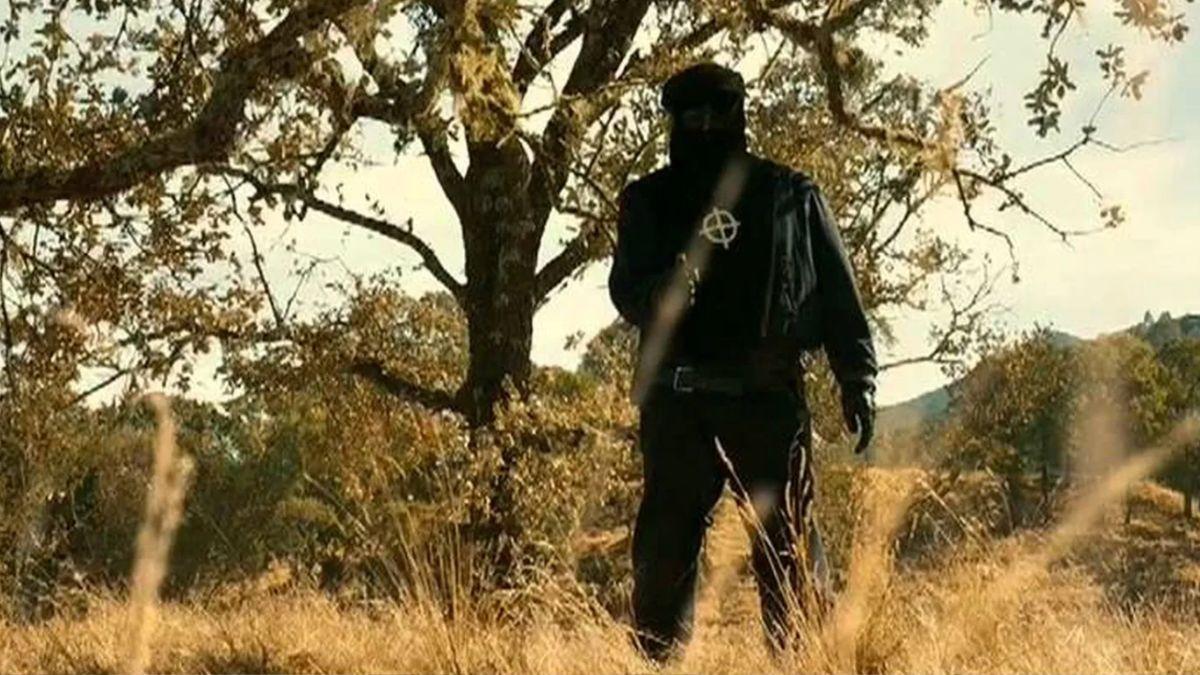
The identity of the Zodiac killer has never been officially confirmed.
Baber claimed that Margolis, a psychologically disturbed World War II veteran and USC student who had lived with Short for a little while, left a network of clues linking himself to both iconic cases.
The cold case expert claimed he found one of Margolis' aliases in a Zodiac cipher, and that the suspected killer, who died in 1993, also had a drawing of a topless woman titled "Elizabeth," which featured the word "Zodiac" in the shading.
Baber even takes a bigger swing, claiming that Margolis, then 21 years old, tore apart Short at a motel called the Zodiac, which inspired the moniker the killer would use in his San Francisco spree to taunt police and the media.
Wild Theory Shot Down By FBI Profiler
Cold-case consultant Alex Baber claimed both cases link back to the same killer.
One cipher he sent, cracked by a couple, read, "I like killing people because it is so much fun. It is more fun than killing wild game in the forest because man is the most dangerous animal of all to kill."
However, Mann wants to pump the brakes on both killers possibly being the same person, noting, "One of the things we have to be careful about is confirmation bias.
"So if you already think that your killer is also the Zodiac killer, and then you find, 'Oh look, here’s the Zodiac Hotel,' you know, that’s confirmation bias and that’s something we have to be careful about."
Former FBI profiler, Julia Cowley, is also in Mann's corner, claiming the differences between Short's murder and the Zodiac's crimes are major.


Will the Two Infamous Cases Ever Be Solved?

Never Miss an

Daily updates from the heart of Hollywood, right to your inbox
By entering your email and clicking Sign Up, you’re agreeing to let us send you customized marketing messages about us and our advertising partners. You are also agreeing to our Terms of Service and Privacy Policy.

Former FBI profiler, Julia Cowley, doesn't believe the cases are linked.
According to Cowley, the brutal attack on Short was "an intensely personal, hands-on type of crime... The body itself is the focus, not the public, not the police, not the media … the primary source of gratification was the time he spent with her body mutilating her."
However, with the Zodiac, his attacks were more focused on the media.
"He demanded publication; he corrected the police," Cowley explained. "When they didn't get it right, he kept score. He used the media as a way to torture and instill fear in the public."
Cowley, however, hopes both cases will finally have an answer one day: "I hope that forensic evidence does, and these cases can be finally closed for good."
