


EXCLUSIVE: How Andrew Windsor 'Should Have Learned' King Charles' Technique of Controlling Media With 'Kim Jong-Un Style Iron Fist'

Andrew Windsor was criticized for failing to control media like King Charles.
March 28 2026, Published 1:00 p.m. ET


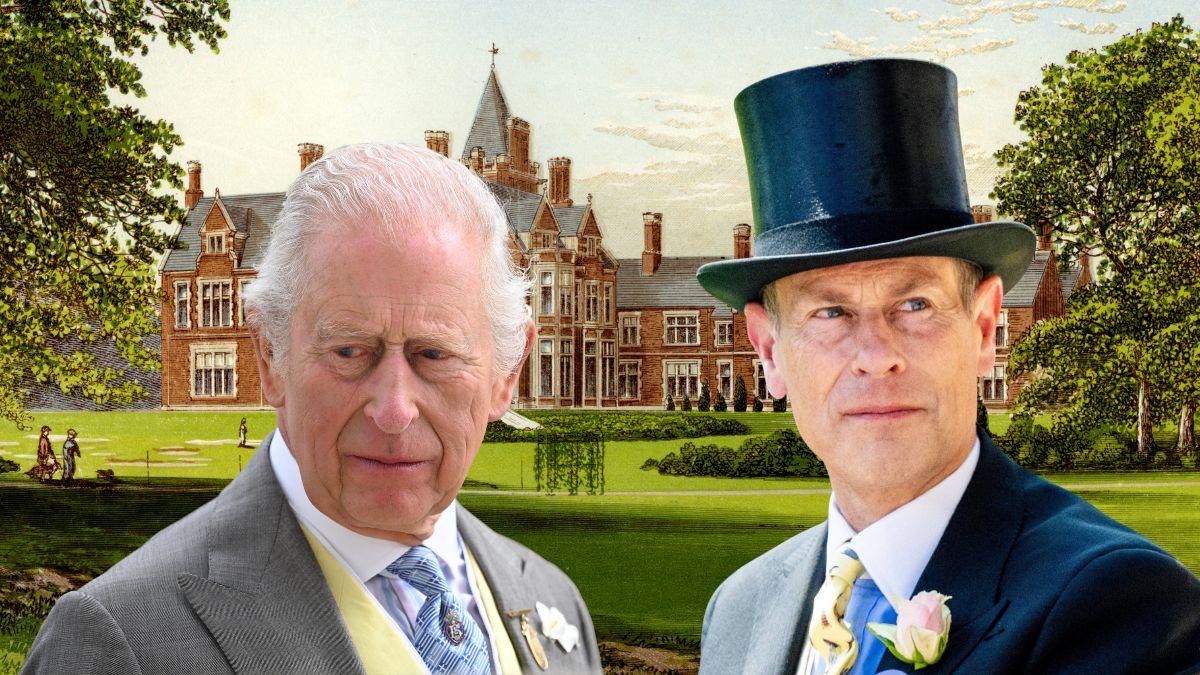
Andrew Windsor is "kicking himself" he doesn't have the same iron grip over the media as King Charles. It comes years after Charles imposed what critics described as a "Kim Jong-Un style iron fist" on media access during his time as Prince of Wales.
His approach was revealed in resurfaced documents revealing strict pre-interview contracts that allowed his household to control questions, edits and even whether footage could be broadcast.
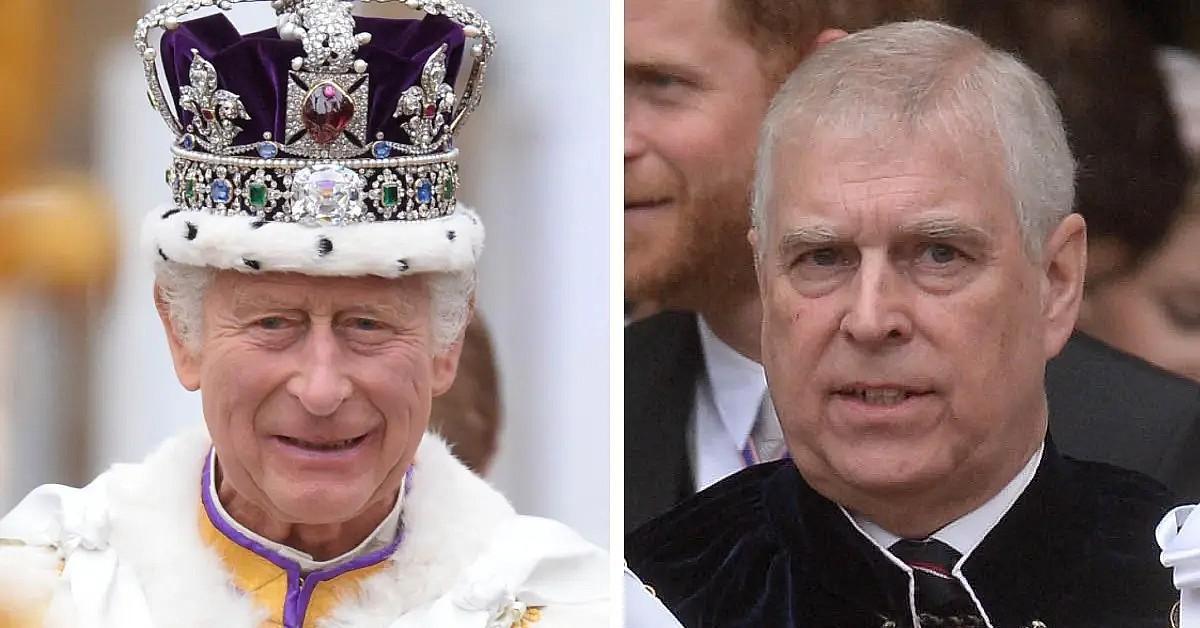
Andrew Windsor regretted his past approach to media interviews.

The arrangements date back to 2015, when Charles, now 77, required broadcasters to sign detailed 15-page agreements before securing interviews.
The contracts, issued via Clarence House, set out conditions including prior approval of every question, oversight of both rough and final edits, and the right to remove his contribution entirely if dissatisfied.
The measures have re-emerged amid wider scrutiny of Charles' influence over the royal family's public relations in the wake of him trying to control the Andrew Windsor scandal by stripping his younger brother of his royal titles due to his links to pedophile Jeffrey Epstein.
Insiders Compare Controls to 'Iron Fist' Media Strategy
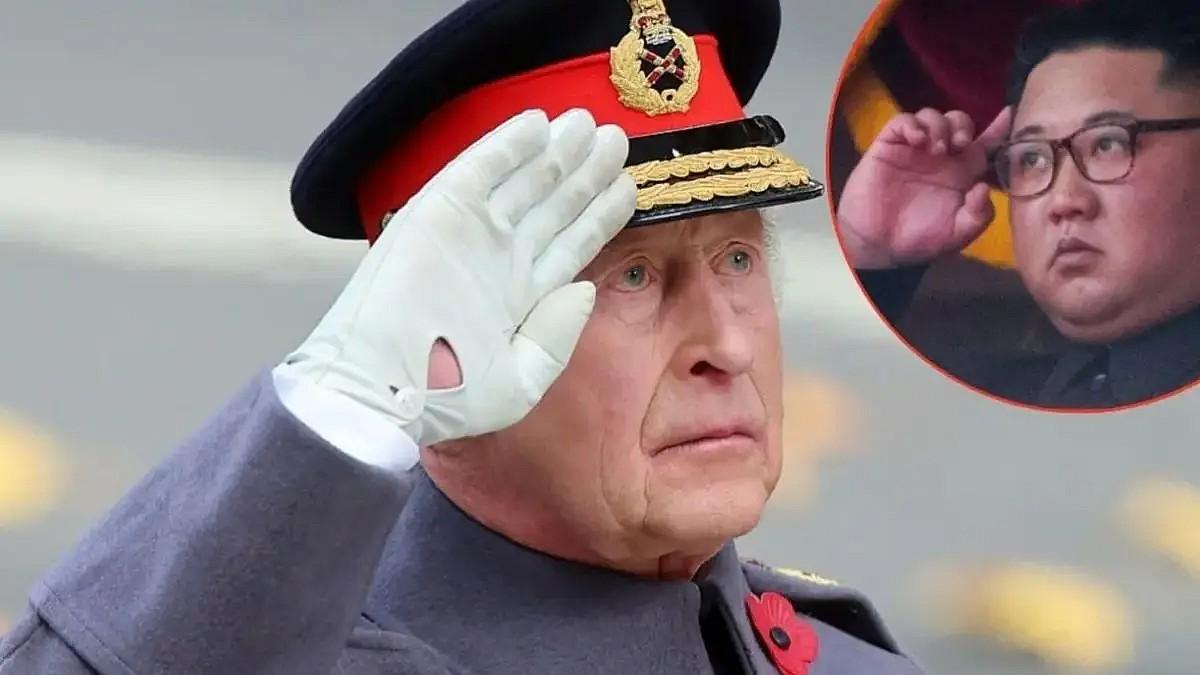
King Charles enforced strict media contracts during interviews.
Media insiders said the scale of control outlined in Charles' contracts was highly unusual. One senior broadcast source said: "This was described internally as a Kim Jong-Un style iron fist approach to media control - the level of oversight being demanded went far beyond normal access agreements."
Another journalist familiar with negotiations said: "What was being proposed went well beyond standard access arrangements - it amounted to handing over meaningful editorial control before an interview had even begun.
"The requirement that every question be submitted in advance, drafted in full and signed off line by line, fundamentally alters the dynamic of any journalistic exchange.
"That is not a condition most broadcasters would tolerate when dealing with senior elected officials who are accountable to the public, so applying it in this context, where there is no democratic mandate, raised even deeper concerns about independence and scrutiny."
Royal aides maintained the right to halt filming or block footage if journalists deviated from the script.
The contracts stipulated interviewers could "solely ask questions" agreed in advance, with Clarence House retaining the power to halt filming if any deviation occurred. In such cases, broadcasters would have "no right to use or exploit" the footage.
Representatives of the royal household were also permitted to attend editing sessions and raise concerns about "fairness, balance, confidentiality or security" – with the ability to demand changes or withdraw the material entirely.
Critics argued the contracts risked undermining journalistic standards.
Andrew Windsor Regrets Not Following Same Strategy

Never Miss an

Daily updates from the heart of Hollywood, right to your inbox
By entering your email and clicking Sign Up, you’re agreeing to let us send you customized marketing messages about us and our advertising partners. You are also agreeing to our Terms of Service and Privacy Policy.
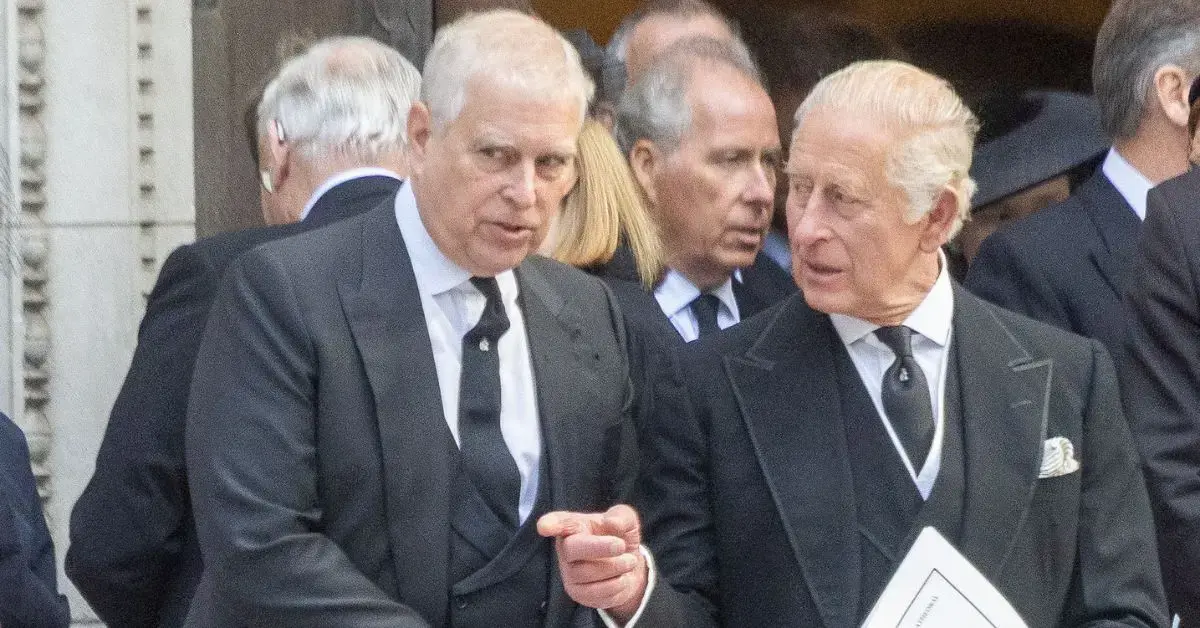
Andrew reportedly believed that Charles’ early grasp of image control protected the monarch's reputation.
But a source close to Windsor – who subjected himself to a car-crash interview with the BBC in 2019 over his Epstein links - said: "Andrew is now kicking himself that he never adopted the same kind of tightly controlled media strategy when he had the chance. He feels he allowed far too much access at the wrong moments, which only made his situation worse."
The insider added: "There is a sense that he believes Charles understood early on that controlling the terms of engagement with the press was key to protecting his image, whereas Andrew was far more reactive. He thinks if he had imposed stricter conditions, limited what could be asked and how it was presented, he might have avoided some of the damage to his reputation. Andrew looks at how Charles managed his public image over the years and thinks he should have learned from that playbook – even if it meant being far more forceful with journalists than he was comfortable with at the time."
In his November 2019 Newsnight interview, the then-Prince Andrew attempted to address his association with convicted sex offender Epstein and respond to allegations of sexual assault by Virginia Giuffre.
The interview, conducted by Emily Maitlis at Buckingham Palace, is widely described as a "car crash" that fundamentally damaged Windsor's reputation and led to his withdrawal from public life.
