


EXCLUSIVE: How Andrew Windsor Could Spend Life in Prison After Latest Epstein Files Spark 'Spy' Allegations Against Disgraced Ex-Duke

There is a possibility Andrew Windsor never rots behind bars.
Feb. 28 2026, Published 12:00 p.m. ET


The former Prince Andrew could theoretically face life in prison if allegations he shared classified trade information with Jeffrey Epstein are proven in court – a scenario legal experts describe as a worst-case outcome following the latest scrutiny of the disgraced royal's conduct, RadarOnline.com can reveal.
Thames Valley Police has confirmed it is assessing claims Andrew, 65, passed confidential material obtained during his tenure as the U.K.'s special representative for international trade and investment to Epstein, the convicted s-- offender who died in 2019.
On Thursday, February 19, Andrew was arrested on suspicion of misconduct in public office due to his connections to the vile pedo.
Life Behind Bars?

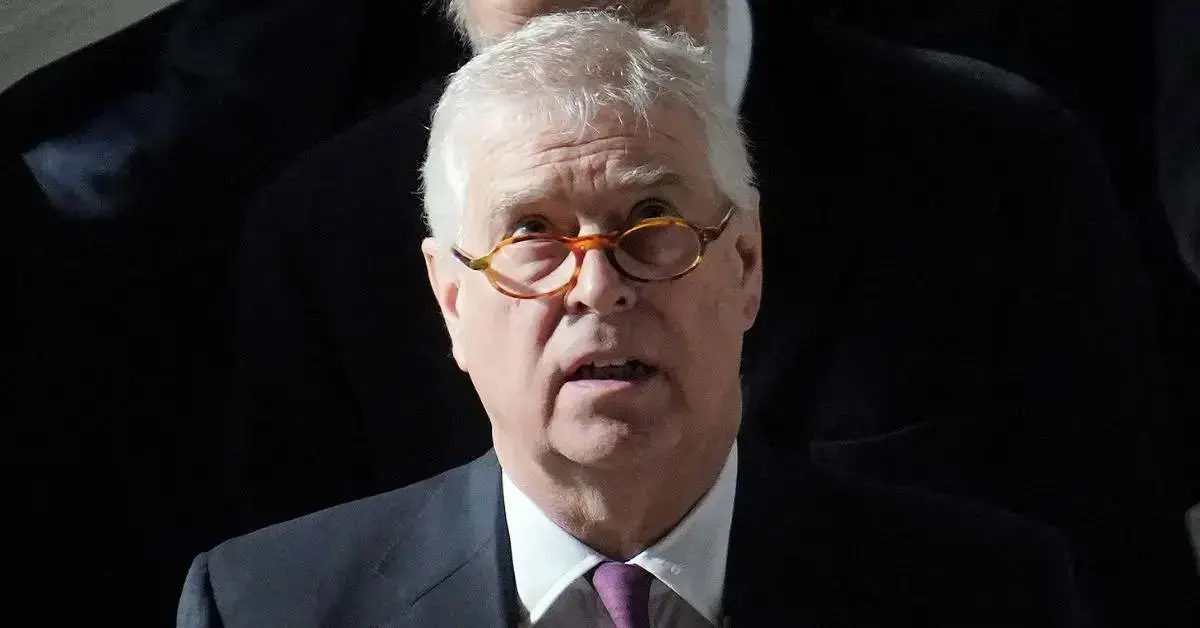
Thames Valley Police are assessing claims Andrew Windsor passed confidential trade reports to the convicted s-- offender.
King Charles, 77, has indicated he would support any investigation.
Unlike the monarch, Andrew does not benefit from sovereign immunity and can be criminally prosecuted.
One legal source said: "If these allegations – which some are already characterizing as 'spy' claims – were proven and demonstrated a deliberate abuse of Andrew's position or the unlawful disclosure of sensitive state material, the consequences could be extraordinarily serious. We are not talking about a minor procedural lapse. If prosecutors concluded that classified or strategically important information had been shared in a way that endangered national interests, the sentencing framework allows for the most severe punishments available under English law."
In the most extreme and aggravated scenario, it could extend to life imprisonment.
"Now, that represents the absolute ceiling and would depend on the scale of the breach, the intent behind it, and the measurable harm caused. But the fact that such a sentence is even within the realm of possibility highlights how grave these accusations are. It reflects the level of trust placed in someone occupying that role – and the potential fallout if that trust were fundamentally violated."
Legal Experts Outline Misconduct in Public Office Threshold
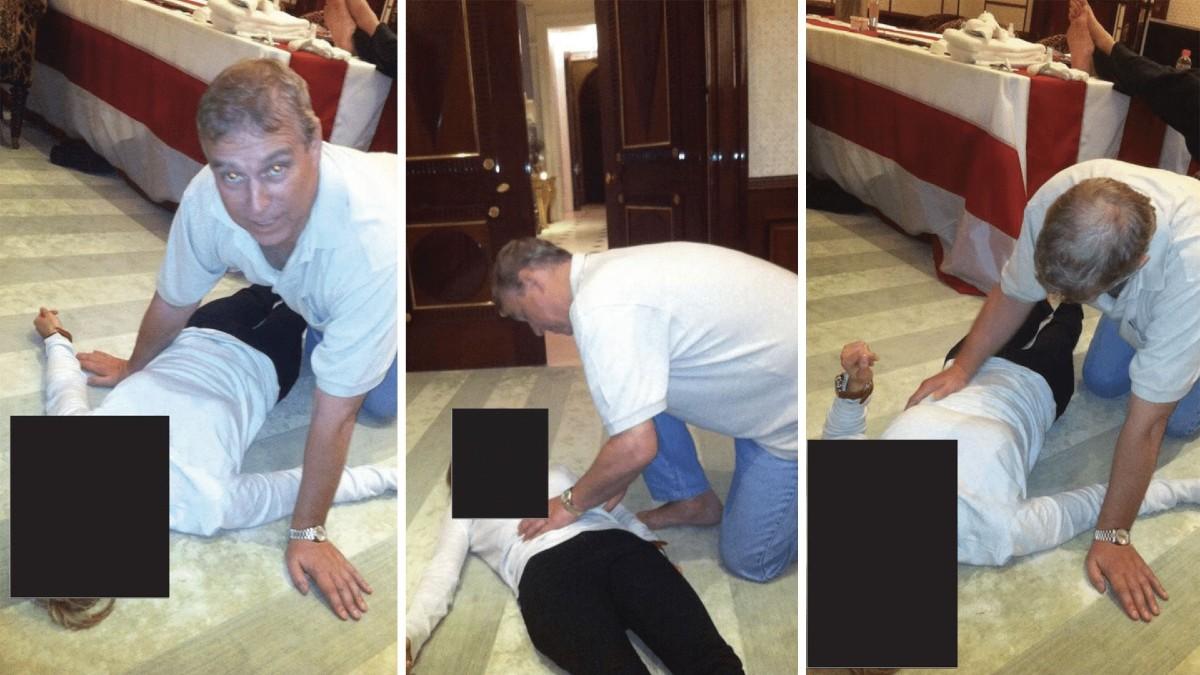
The allegations center on whether Andrew Windsor deliberately abused his position as a U.K. trade envoy between 2001 and 2011.
Andrew served as Britain's trade envoy from 2001 until 2011.
The role gave him unrivaled access to members of royal families, heads of state, government ministers, and chief executives of companies.
The fresh allegations over his conduct in the post center on whether any privileged information was shared improperly.
Before Andrew's arrest, another legal expert said: "If Thames Valley Police were to approach Andrew, it would signal that investigators want to formally question him as part of their inquiries – but it would not, in itself, indicate that charges are imminent. Being asked to attend an interview is a procedural step in many complex investigations and does not equate to guilt, arrest, or prosecution."
In most circumstances, the initial move would be to invite him to a voluntary interview under caution.
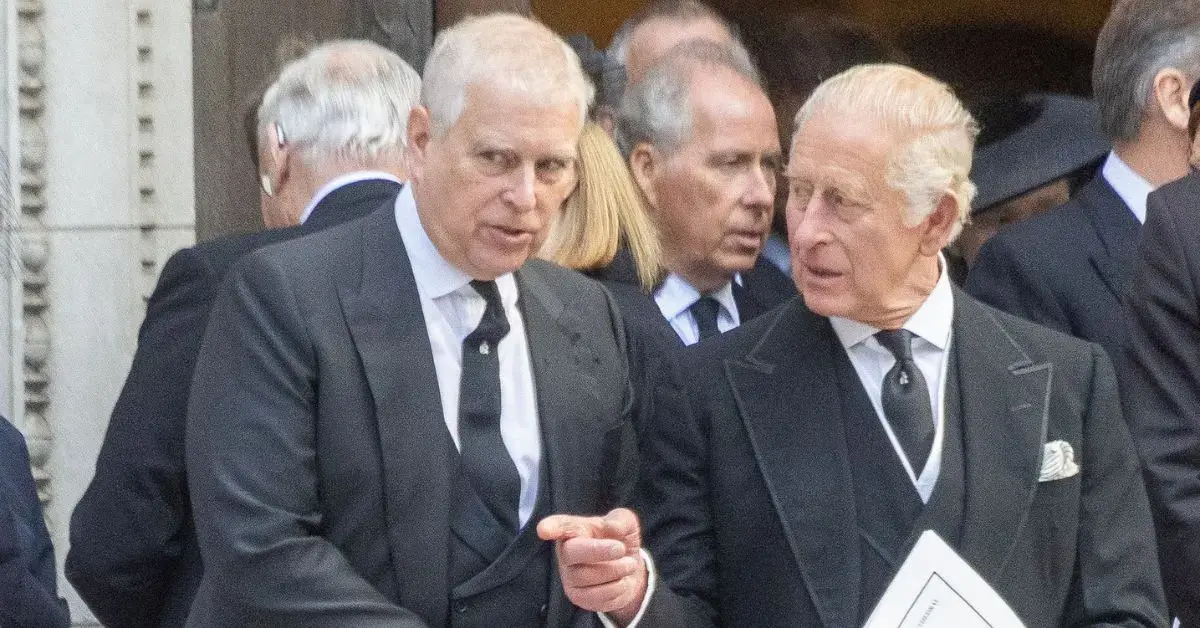
King Charles III appears to have indicated he would support any police investigation into his brother's conduct.
The source stressed complex investigations can take months and even years.
They added: "For any charge of misconduct in public office to succeed, prosecutors would need to demonstrate not just poor judgment, but a deliberate or reckless abuse of the authority entrusted to him. It has to rise to the level of wilful neglect or intentional wrongdoing that fundamentally breaches the public trust placed in someone holding that role."
In practical terms, that would mean showing that sensitive or privileged information was disclosed in a way that could undermine the U.K.'s interests – whether diplomatically, economically, or in terms of security.
"The threshold is high, and the Crown would need to establish both intent and seriousness," the source noted. "Crucially, the nature of the evidence would be pivotal. Documentary trails – such as emails, briefing papers, or written communications – carry far more weight in court than second-hand accounts or hearsay. If there is a clear paper trail linking the alleged disclosure to the accused, the prosecution's case becomes significantly stronger."
'The Evidential Basis Is Critical'

Never Miss an

Daily updates from the heart of Hollywood, right to your inbox
By entering your email and clicking Sign Up, you’re agreeing to let us send you customized marketing messages about us and our advertising partners. You are also agreeing to our Terms of Service and Privacy Policy.

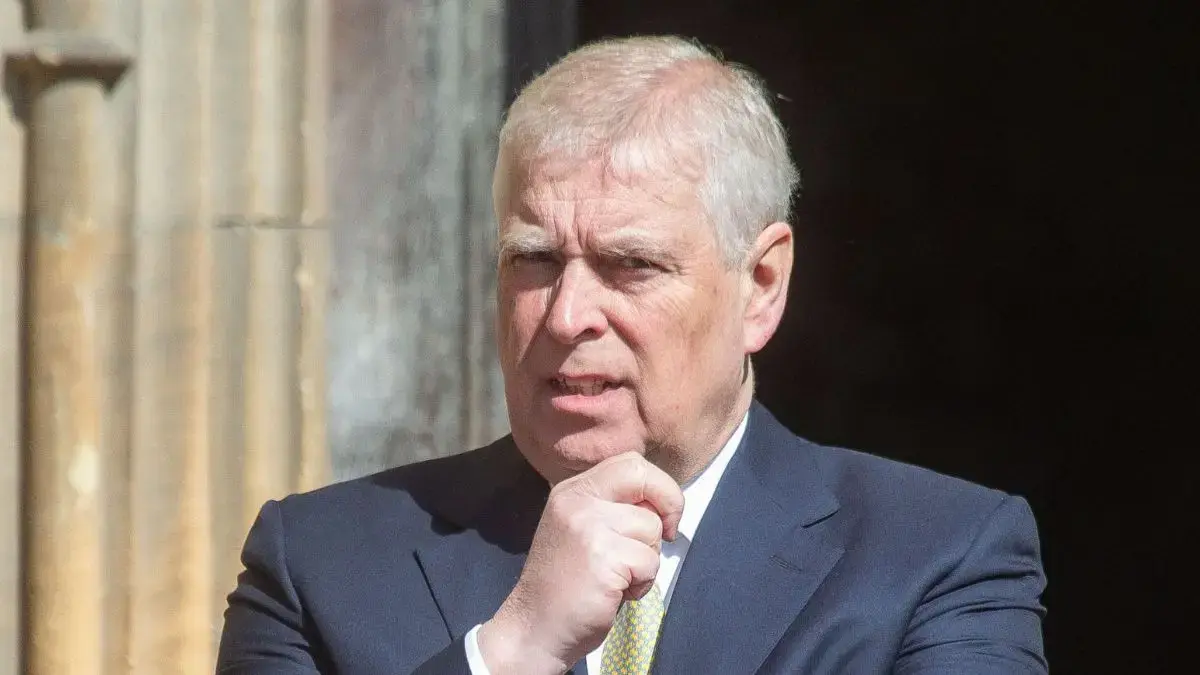
Experts emphasize that while a full life term is unlikely, the threshold for misconduct in public office is high.
The maximum penalty for misconduct in public office can be life imprisonment, though experts said a full life term would be unlikely.
Andrew has consistently denied wrongdoing in relation to Epstein.
A senior legal observer added, "The bar for prosecution in a case like this is exceptionally high. It would not be enough to suggest poor discretion or questionable judgment. Prosecutors would have to establish that there was a conscious and serious misuse of the position he held – something amounting to a clear abuse of public office.
"That means proving that any disclosure of information was not accidental or trivial, but sufficiently grave to undermine confidence in the office itself. The court would look closely at whether the material shared had the potential to harm national interests or compromise sensitive state matters. And as ever, the evidential basis is critical."
