


EXCLUSIVE: The One Reason Andrew Windsor Kept Going Back to Jeffrey Epstein Revealed — And It's All About Cash

Andrew WIndsor needed Jeffrey Epstein's help... and it was all about money.
Feb. 6 2026, Published 6:00 p.m. ET


Andrew Windsor repeatedly and desperately kept returning to Jeffrey Epstein because of money, newly released Justice Department files show, revealing how a bid to settle his ex-wife's debts pulled the now-shamed royal back into the orbit of a disgraced pedophile and set the stage for his eventual downfall.
RadarOnline.com can reveal ex-Duke of York Andrew became entangled again with Epstein, who died aged 66 in 2019, during the financial collapse of his ex-wife, Sarah Ferguson, 66, around 2010.
Andrew and Ferguson's Money Woes Details

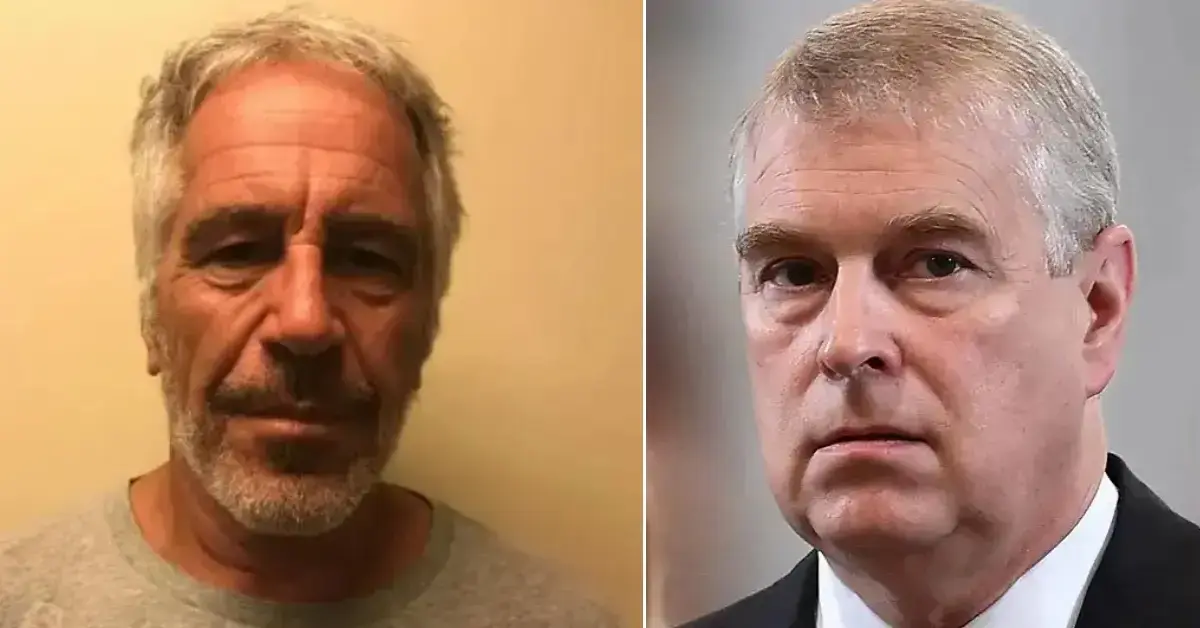
Then-Prince Andrew is believed to have returned to Epstein for financial help.
The newly released Epstein Files lay out how Andrew traveled to New York to ask Epstein to cover unpaid bills linked to Ferguson as creditors closed in and the risk of public embarrassment mounted.
At the center of the crisis was Johnny O'Sullivan, Ferguson's personal assistant of 18 years, who was owed $126,721 in wages and education fees after the then-duchess went bankrupt in the United States.
Part of the three million documents on Epstein released by the U.S. justice department last week show Andrew and advisers linked to Buckingham Palace concluded the simplest solution to the crisis was to have Epstein pay O'Sullivan off.
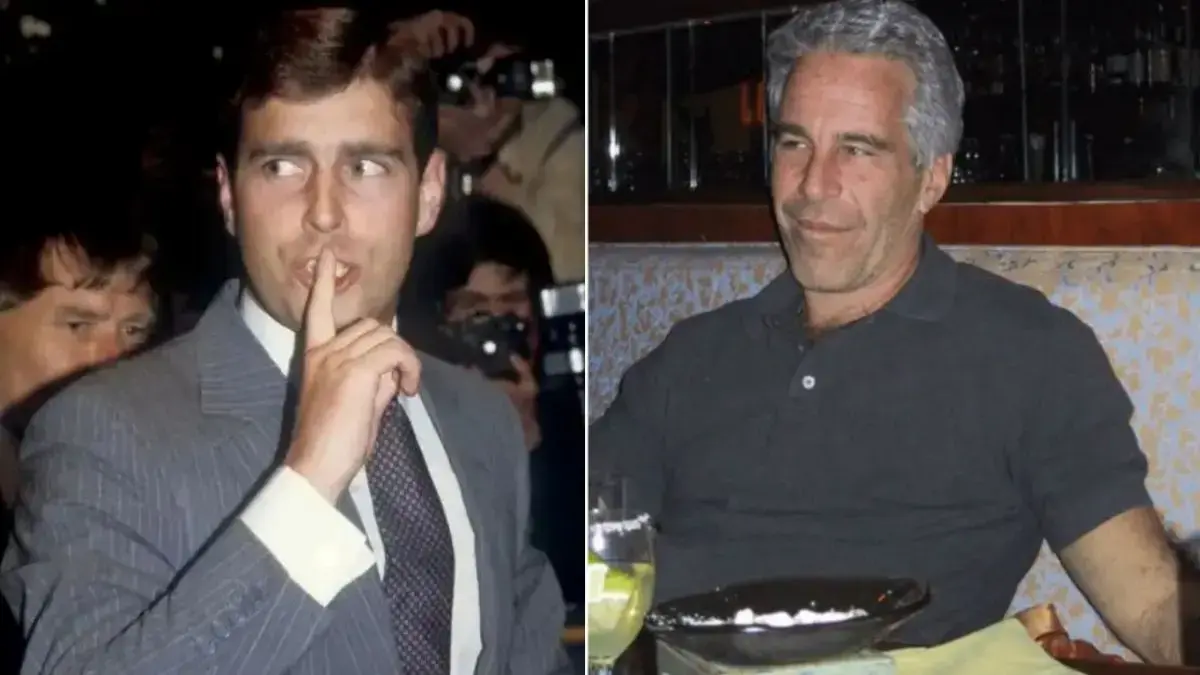
In December 2010, Andrew and Epstein were infamously photographed walking through Central Park, an image that later became emblematic of Andrew's awful judgment and murky associations.
Epstein Agrees to Pay
He apparently asked Epstein to cover unpaid bills linked to Sarah Ferguson.
Epstein agreed to intervene but made clear his contempt for O'Sullivan. According to the Epstein files, he described the assistant as a "little s---" for pursuing the money.
In an email to Andrew dated February 28, 2011, Epstein confirmed a deal had been struck, writing: "He said he would take 60k in wages, pay tax, and be done.. I don't trust him at all, and a payment from me at the moment if disclosed to the press would look like a payoff for the little s---."
A former palace aide said, "This shows Andrew's overriding concern was cash flow and damage control. Epstein was a means to an end."
And a royal historian added: "The files make clear that money, not friendship, was the reason Andrew kept going back to Epstein."
Ferguson’s Mounting Debts Exposed
Epstein agreed to help settle debts for Ferguson’s assistant.
The documents also reveal how dire Ferguson's finances had become. By late 2010, she owed nearly $7million to creditors, including U.S. legal fees, after years of lavish spending and failed business ventures.
Creditors were offered "25 pence in the pound" to settle claims, and O'Sullivan received a proposal of $31,680 "without prejudice and in full and final settlement" – far short of what he was owed.
Emails show Epstein had been alerted to the problem on November 23, 2010. One message forwarded to him stated: "Nearly all creditors have agreed to the Duke's informal settlement figure. However, there is a fly in the ointment in settling past issues."
It warned O'Sullivan was "highly likely to go public with a book or story of his 18 years or so of being a personal aide to the Duchess" if unpaid.
'I Still Remain Unpaid'

Never Miss an

Daily updates from the heart of Hollywood, right to your inbox
By entering your email and clicking Sign Up, you’re agreeing to let us send you customized marketing messages about us and our advertising partners. You are also agreeing to our Terms of Service and Privacy Policy.
The financial arrangement deepened the scandal surrounding Andrew.
O'Sullivan pressed for full payment, particularly his Columbia University MBA debt. On February 7, 2011, he wrote to one of Epstein's aides: "Please can you let me know what's happening re paying off my Columbia student debt. Both the Duke and Duchess have asked what's happening but I don't have any information to share with them."
Ten days later, he escalated the matter in an email to Amanda Thirsk, then Andrew's private secretary. He wrote: "Dear Amanda, I have expressed my concern to you that despite all our concerted efforts I still remain unpaid."
O'Sullivan continued: "This is completely unacceptable to me and in conflict with the spirit of good faith by which I thought agreement had been reached."
A legal source familiar with the case said, "The irony is brutal. Andrew's attempt to quietly solve a money problem by leaning on Epstein only deepened the scandal that would later cost him everything."
