


Utah Anti-ICE Leaders Caught 'Discussing Killing GOP Politicians and Their Children' in Disturbing Leaked Audio

People of Provo Against ICE have been accused of discussing political violence.
Oct. 26 2026, Published 5:10 p.m. ET


Members of a left-wing group in Utah were recorded discussing killing conservative politicians, billionaires, and their children during an October meeting, according to an audio recording published by The Cougar Chronicle, a conservative student-run publication unaffiliated with Brigham Young University.
The student publication reported that People of Provo Against ICE (POPAI), a far-left group with ties to a Utah Democratic political candidate, engaged in discussions about political violence against conservatives, RadarOnline.com can report.
'You Also Have to Kill Their Children'

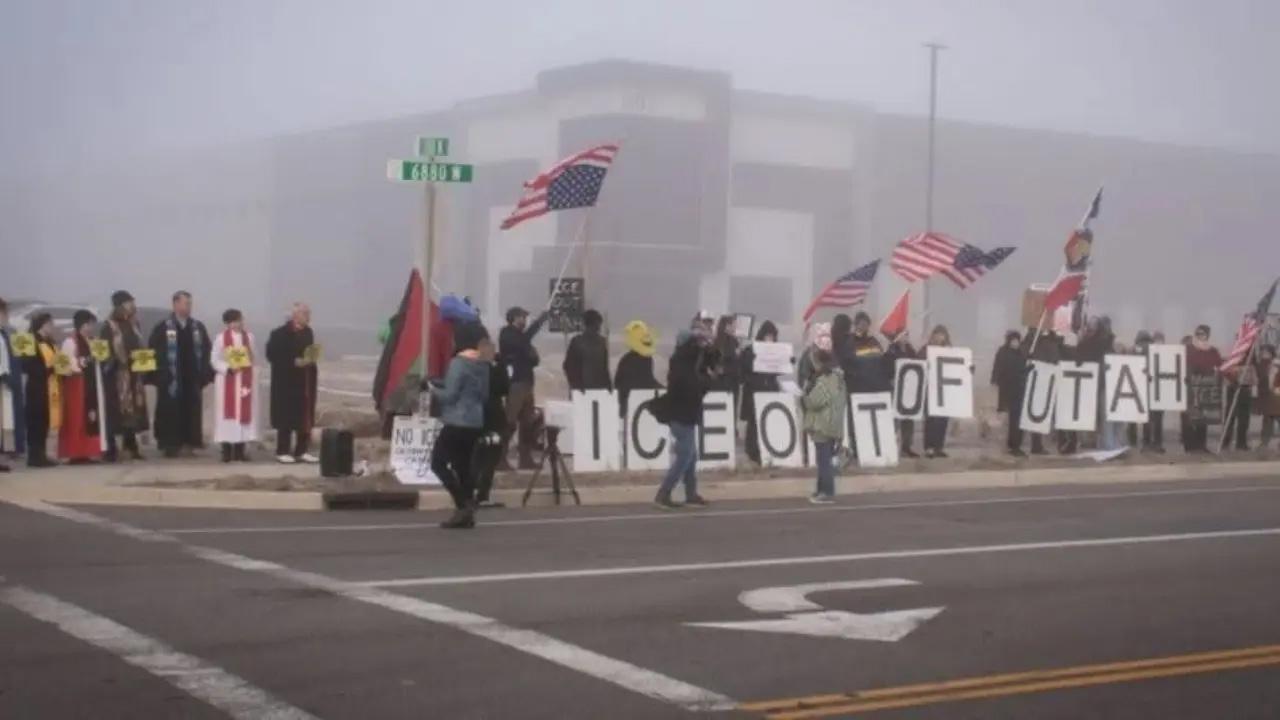
People of Provo Against ICE (POPAI) has been accused of discussing political violence.
People of Provo Against ICE (POPAI) members allegedly discussed capitalism and the "one percent" during the meeting. When one participant said, "You just can't get away from capitalism," a female participant replied, "Unless we kill everybody."
The conversation then turned to targeting the wealthy. One man estimated there were approximately "500 people" they "need" to kill.
The woman added, "You also have to kill their children," and continued, "We need to do that for all the evil people."
A male participant allegedly called for targeting politicians and billionaires, declaring, "Those f— gotta go."
He said ordinary conservatives, including MAGA supporters, should undergo "re-education" to allow for the "possibility of reintegration" into society.
'Kill Trump' Stickers
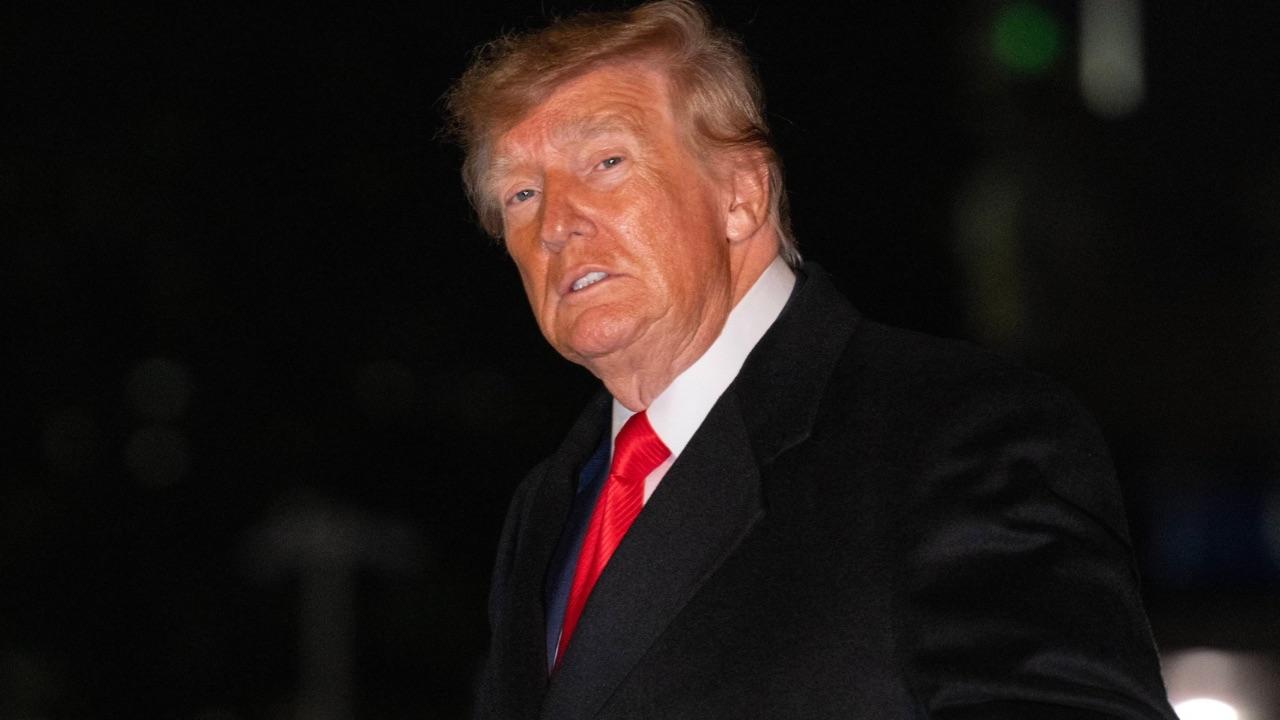
Stamps bearing the phrases 'kill Trump' and 'shoot Trump' appear to have been supported by the group.
The Cougar Chronicle has been tracking POPAI's anti-ICE rhetoric, including its August report that members praised USPS postage stamps bearing the phrases "kill Trump" and "shoot Trump," referring to President Trump. Members described the stickers as "sick af" and "cool."
The group's reach extends into Utah politics. David Chappell, the Democratic nominee for Utah House District 62, is a verified POPAI member who has regularly attended its meetings and protests.
The group organizes anti-ICE demonstrations in Utah and says it is committed to "working to stop ICE activity in Provo through any legal means."
Political Violence Increases
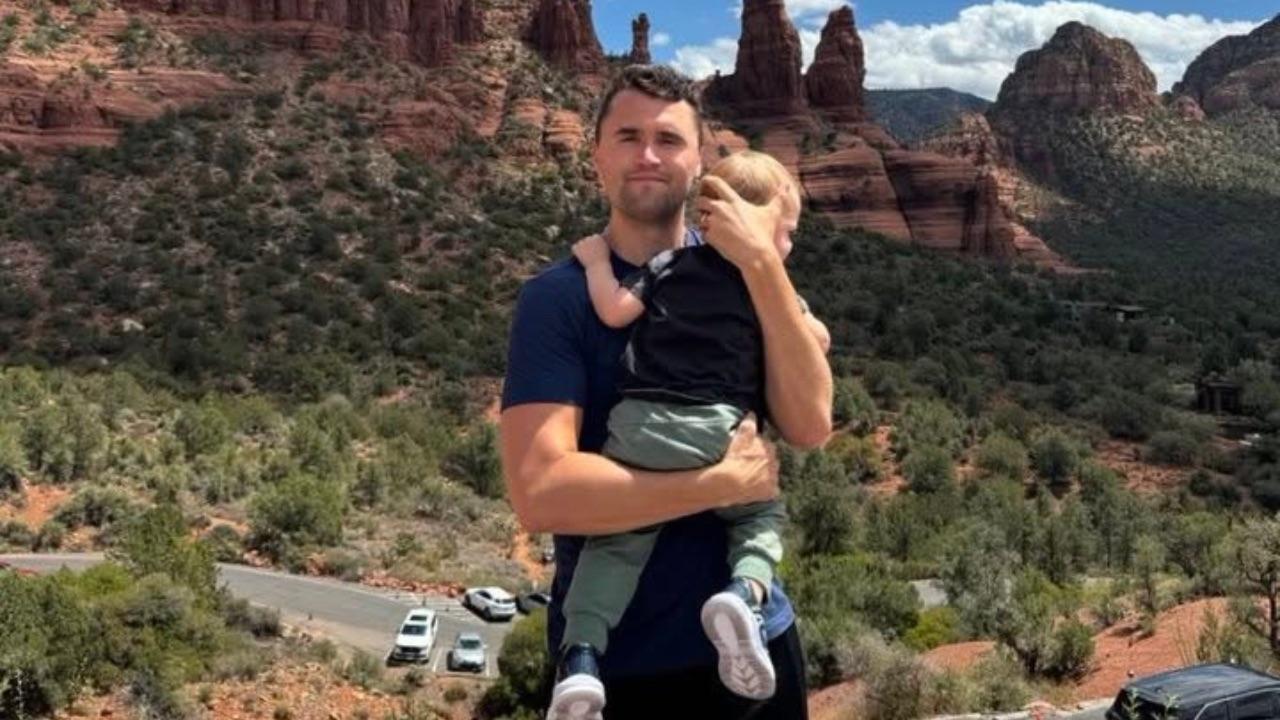
Charlie Kirk was killed in Utah allegedly from political violence.
Following the assassination of Turning Point USA founder Charlie Kirk at Utah Valley University last year, with Tyler Robinson, the alleged shooter, awaiting trial, discussions of political violence in the state have begun to take hold once again.
As Radar previously reported, data from the Bridging Divides Initiative at Princeton's School of Public and International Affairs shows political violence in the United States intensified in 2025 and has continued to worsen in 2026.
The yearly trend analysis points to high-profile attacks, aggressive federal immigration operations, and a spike in threats against officials. Demand for de-escalation support among community safety practitioners reached new heights.
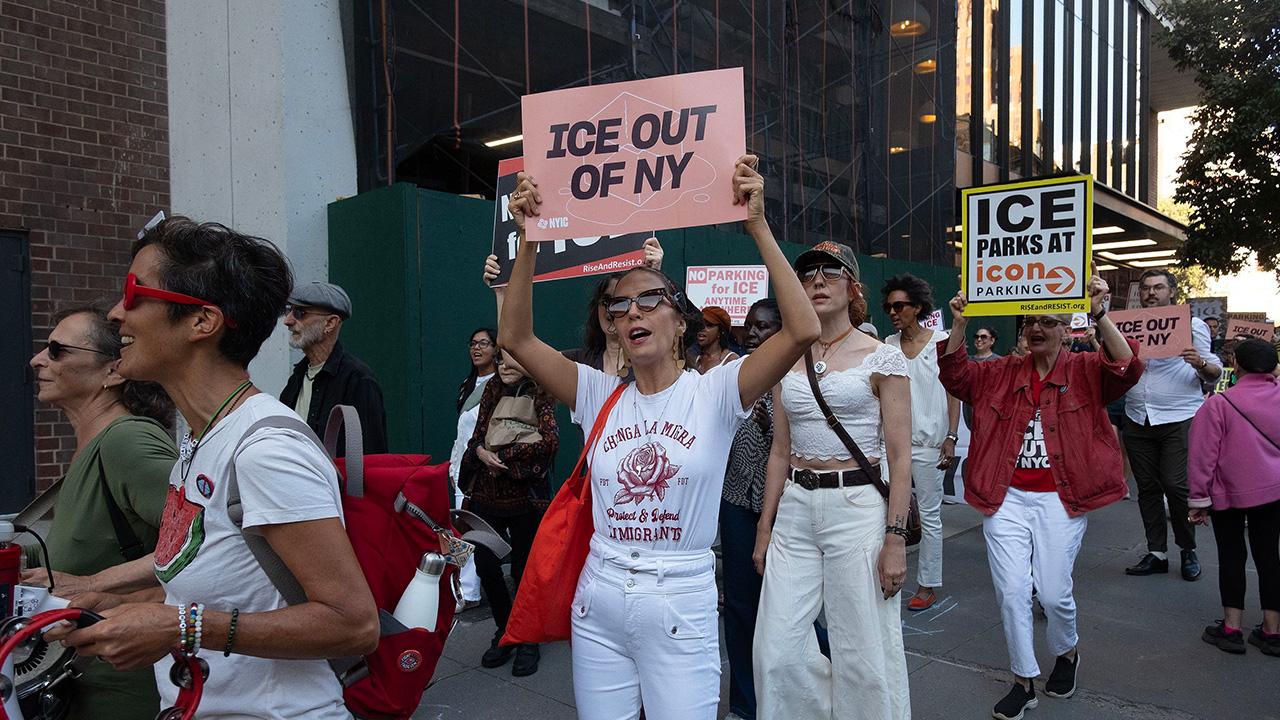
BYU Are Against ICE

Never Miss an

Daily updates from the heart of Hollywood, right to your inbox
By entering your email and clicking Sign Up, you’re agreeing to let us send you customized marketing messages about us and our advertising partners. You are also agreeing to our Terms of Service and Privacy Policy.
Political violence has increased the last two years.
The anti-ICE sentiment surrounding POPAI comes amid broader opposition to immigration enforcement at BYU, where scores of students protested U.S. Customs and Border Protection recruiters at a campus career fair on February 5, 2026.
Protesters argued that the agency's presence conflicted with BYU's international student community and Latter-day Saint principles of compassion toward immigrants.
"There are many immigrants here," student Annie Walker said, adding that "BYU prides itself on being an international school… And to have CBP there, it really discourages immigrants from actually coming to this campus."
International student Beryl Peña said the immigration crackdown had become personal for her. A couple was also reportedly removed from the recruitment event for wearing pro-immigrant T-shirts.
The protests point to a visible base of opposition to federal immigration enforcement in Provo, raising questions about how widely those views extend among BYU students and whether some of the same concerns driving the demonstrations overlap with the activism of POPAI.
