


EXCLUSIVE: Trump's Monumental Arch Hit With New Lawsuit as Officials Warn of 'Permanent and Irreparable' Damage

President Donald Trump's proposed 250-foot triumphal arch faces a new federal lawsuit.
Oct. 9 2026, Published 3:20 p.m. ET


President Trump's ambitious plan to build a massive triumphal arch near Arlington National Cemetery has sparked another legal showdown, with Virginia officials warning the project could unleash permanent damage on one of America's most historic landmarks, RadarOnline.com can reveal.
According to a federal lawsuit obtained by Radar, filed by Arlington County against the National Park Service, Trump's proposed monument threatens to disrupt emergency services, overwhelm nearby roads, and permanently alter the landscape surrounding Arlington National Cemetery.
Trump's Monument Sparks Legal Firestorm

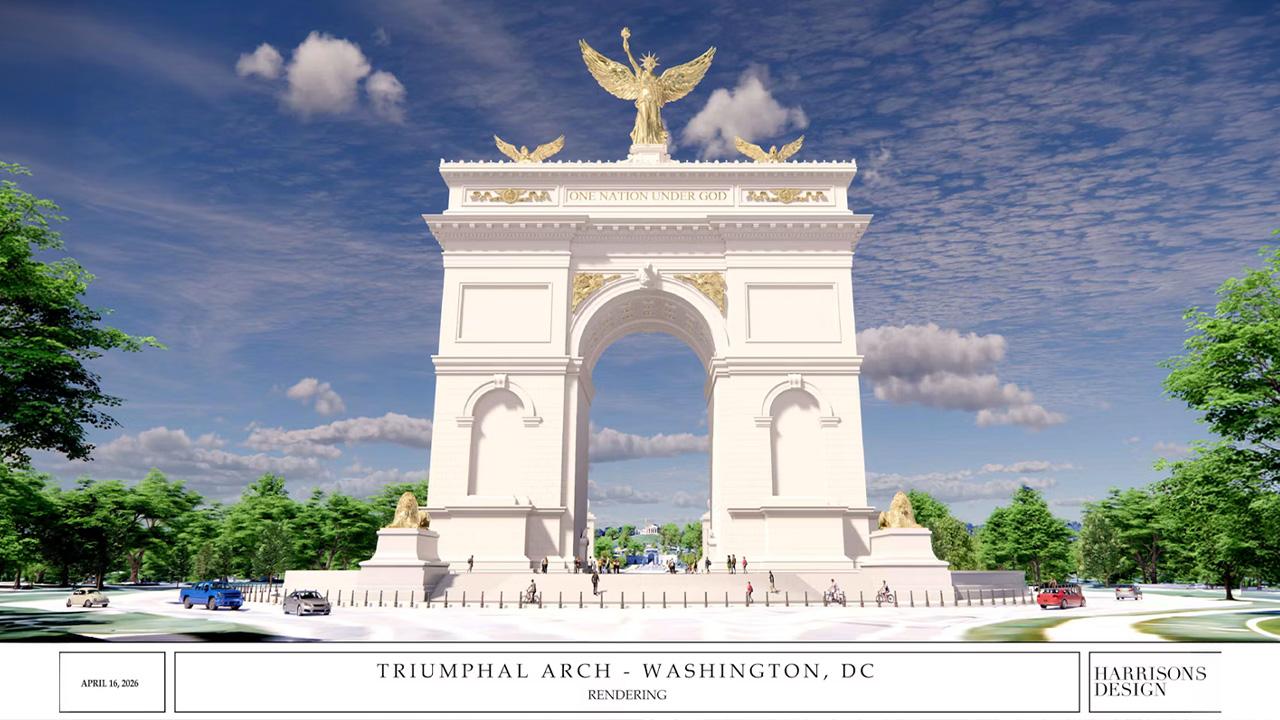
Trump's proposed 250-foot triumphal arch has found itself in legal troubles.
The lawsuit, filed Thursday, October 8, in the Eastern District of Virginia, seeks to stop the federal government from moving forward with the controversial construction project. The proposed 250-foot triumphal arch would rise near Memorial Circle, a major traffic hub connecting Arlington Memorial Bridge to Arlington National Cemetery.
County officials argue the enormous structure would occupy more than 15,000 square feet of ground space, dramatically transforming an area used by commuters, tourists and emergency responders. The lawsuit warns construction and operation could trigger a "cascade of concrete harms," many of which would allegedly be "permanent and irreparable."
Officials fear the project would interfere with traffic circulation and complicate access for fire trucks, ambulances, and other emergency vehicles.
Emergency Responders Face Major Concerns

Officials warn Trump's massive monument could permanently alter the historic landscape surrounding Arlington National Cemetery.
Arlington County argues the monument could place additional pressure on local fire and emergency medical services, potentially creating dangerous complications during emergencies. The county also raises concerns about the project's impact on nearby transportation infrastructure and public safety.
The monument's proposed location is particularly sensitive because it sits along a heavily traveled route leading to Arlington National Cemetery, where military funerals and commemorative ceremonies regularly take place.
Officials contend the project could permanently change the historic character of the surrounding landscape.
Inside Trump's Massive Monument Plans
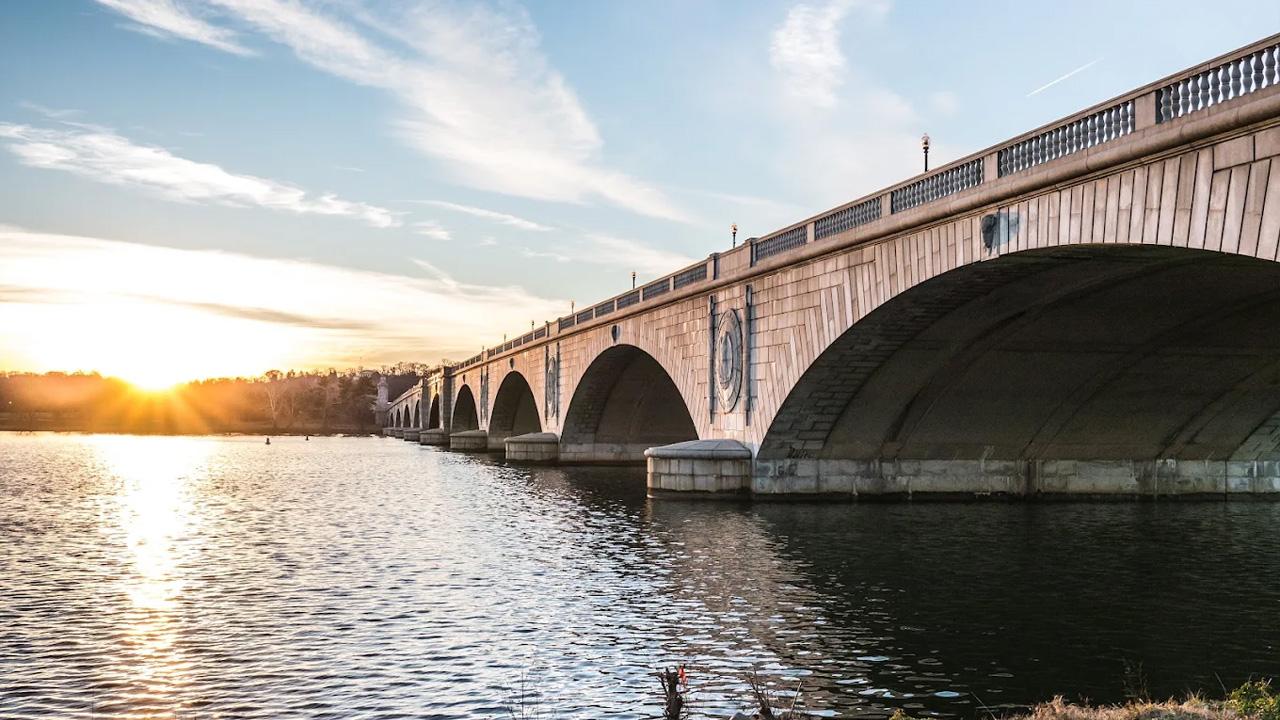
Arlington County claims construction could disrupt traffic and emergency access near Arlington Memorial Bridge
Beyond its towering exterior, the proposed arch would reportedly contain more than 70,000 square feet of interior space, including areas intended for visitors. The complaint also raises questions about security arrangements involving drones, snipers, and ammunition storage.
Those details add another layer of controversy to a project already facing scrutiny over its size, location and potential impact on federal parkland.
Arlington County argues the federal government must comply with applicable legal requirements before undertaking construction that could fundamentally transform the site. The lawsuit asks a federal judge to intervene before construction causes damage that officials believe could be impossible to reverse.


County Demands Court Intervention

Never Miss an

Daily updates from the heart of Hollywood, right to your inbox
By entering your email and clicking Sign Up, you’re agreeing to let us send you customized marketing messages about us and our advertising partners. You are also agreeing to our Terms of Service and Privacy Policy.
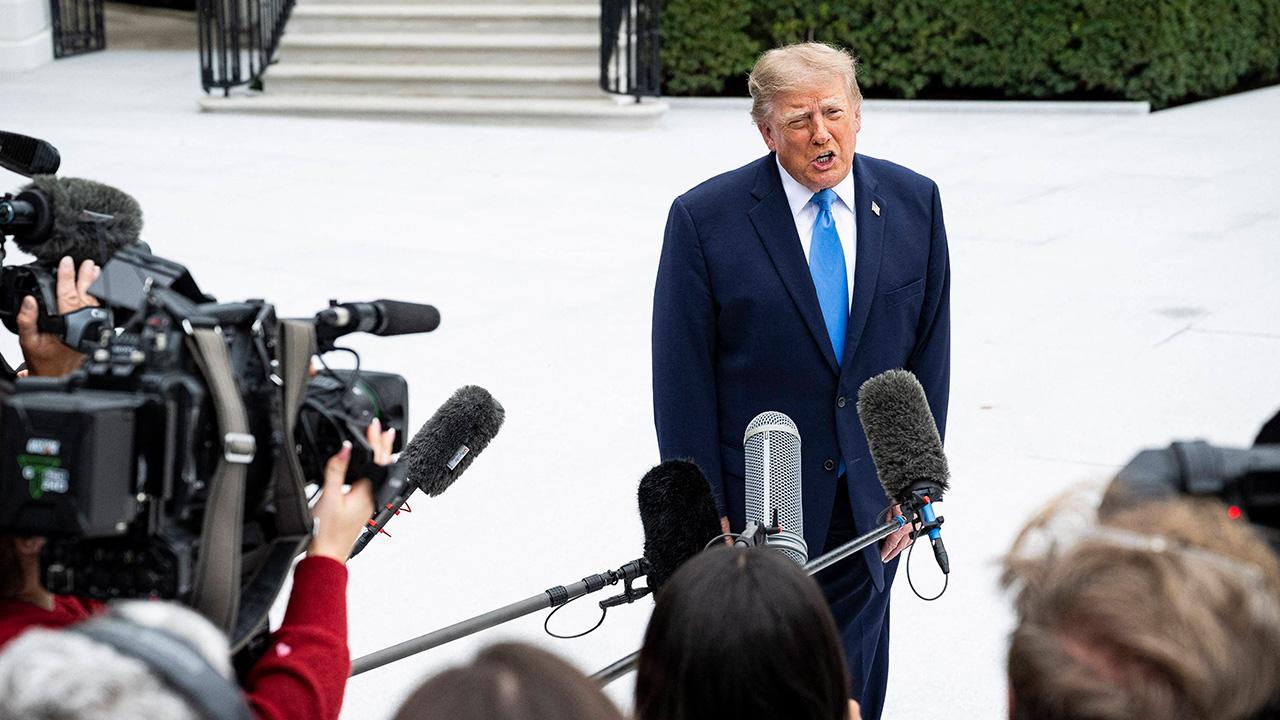
Trump's controversial monument plans face fresh legal scrutiny
The county's allegations represent another legal obstacle for Trump's broader effort to reshape prominent landmarks in Washington, D.C., and the surrounding region.
The dispute also raises questions about how much authority federal officials have to undertake major construction projects affecting neighboring communities. For Arlington officials, the stakes extend beyond the monument itself.
They argue that the project's consequences could affect public safety, emergency operations, and the historic landscape long after construction is complete. The allegations have not been adjudicated, and the filing does not establish that the predicted harms will occur.
