


Trump to Meet Families of Murder Victims Outraged by Gavin Newsom's Decision to Commute 548 California Death Sentences

Trump has been outraged by Gavin Newsom's decision to commute 548 death sentences
Nov. 21 2026, Published 4:11 p.m. ET


President Donald Trump is preparing to meet with families of murder victims who oppose California Gov. Gavin Newsom's plan to commute all 548 death sentences in the state.
The meeting is scheduled for Monday afternoon, November 23, at the Department of Justice, where Trump is expected to criticize Newsom's decision.
The president will be joined by Attorney General Todd Blanche and FBI Director Kash Patel, according to a report by the Washington Examiner.
A White House spokesperson also confirmed the event to the California Post. Relatives of people murdered by inmates on California's death row are expected to attend, alongside representatives from several federal law enforcement agencies.
White House Criticizes Gavin Newsom's Death Row Decision

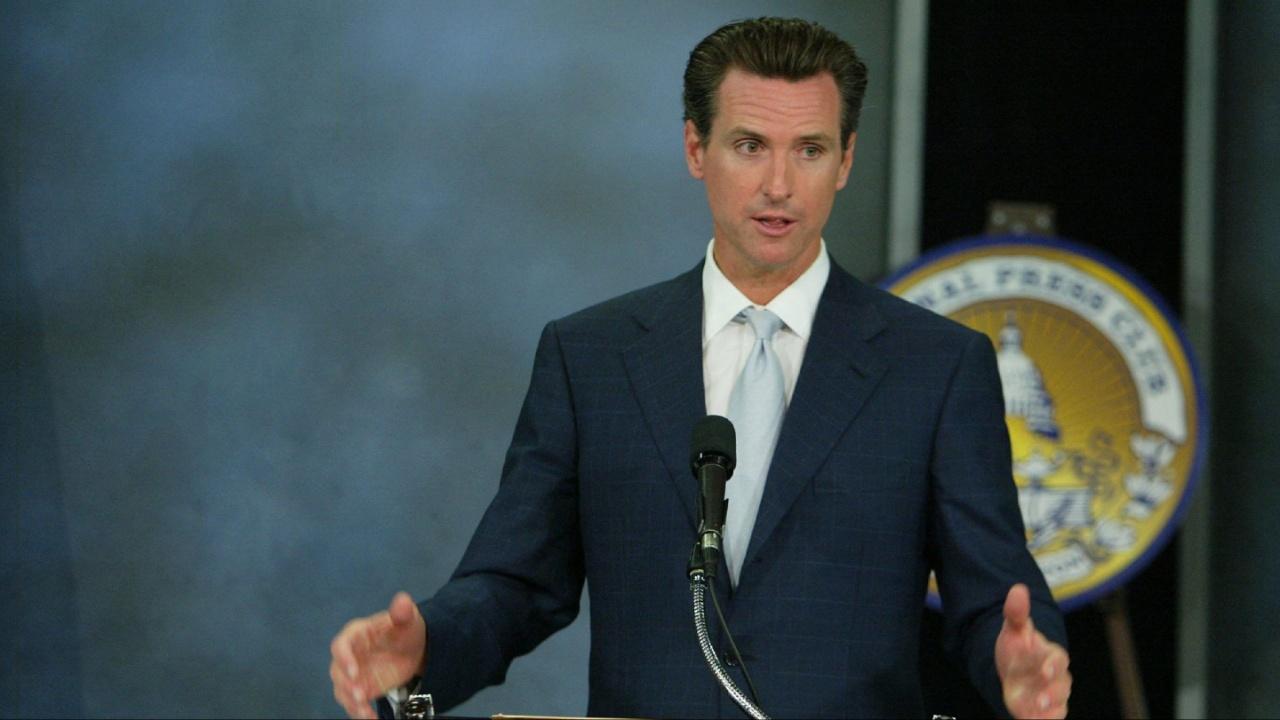
Gavin Newsom announced the commutations on November 5, 2026
The White House has accused Newsom of disregarding the suffering of crime victims and their families.
Spokeswoman Lauren Bis told the California Post that the governor was failing victims by refusing to pursue the punishment imposed on the convicted murderers.
"President Trump will always stand with innocent victims and will continue to restore law and order and deliver safer communities," Bis added.
Newsom announced his plan on November 5, proposing to replace every death sentence in California with life imprisonment without the possibility of parole.
The proposal would not free any prisoners or overturn their convictions. Instead, the inmates would remain incarcerated without the possibility of parole.
Polly Klaas' Family Expected at Trump's Meeting

Families of the victims are backing Trump's meeting
Among the families expected to participate is the family of Polly Klaas, a 12-year-old girl who was kidnapped from her Petaluma home and murdered by Richard Allen Davis in 1993.
Her father, Marc Klaas, has publicly criticized Newsom's decision and hopes Trump will use the meeting to speak out against it.
"The president has the world's largest bully pulpit. I hope he uses it to condemn Newsom's mass commutations," Marc said.
Polly's murder became a major turning point in California's debate over tougher criminal penalties. Her case helped build support for the state's Three Strikes law, which increases sentences for repeat offenders.
Other victims' relatives have also raised concerns about the proposed changes, arguing that reducing death sentences could undermine the punishment they believed the offenders would face.
California Supreme Court Faces Legal Challenge

A lawsuit argues that Newsom bypassed required notice to victims and exceeded his clemency powers
Newsom's proposal is also facing opposition in the courts.
On November 16, prosecutors from 30 California counties filed a challenge at the state Supreme Court, seeking to stop the proposed commutations. The Criminal Justice Legal Foundation is behind the legal effort, which argues that victims' families were not given the required opportunity to be heard.
The legal process is particularly important for 382 inmates with multiple felony convictions. Under California's Constitution, their commutations require a recommendation from at least four state Supreme Court justices.
The court has not yet issued those recommendations. Newsom's plan has therefore not taken effect, and the governor must complete the required legal steps before the sentences can be changed.
The Trump administration cannot independently overturn California's state-level clemency decisions, although federal officials can publicly oppose the proposal.

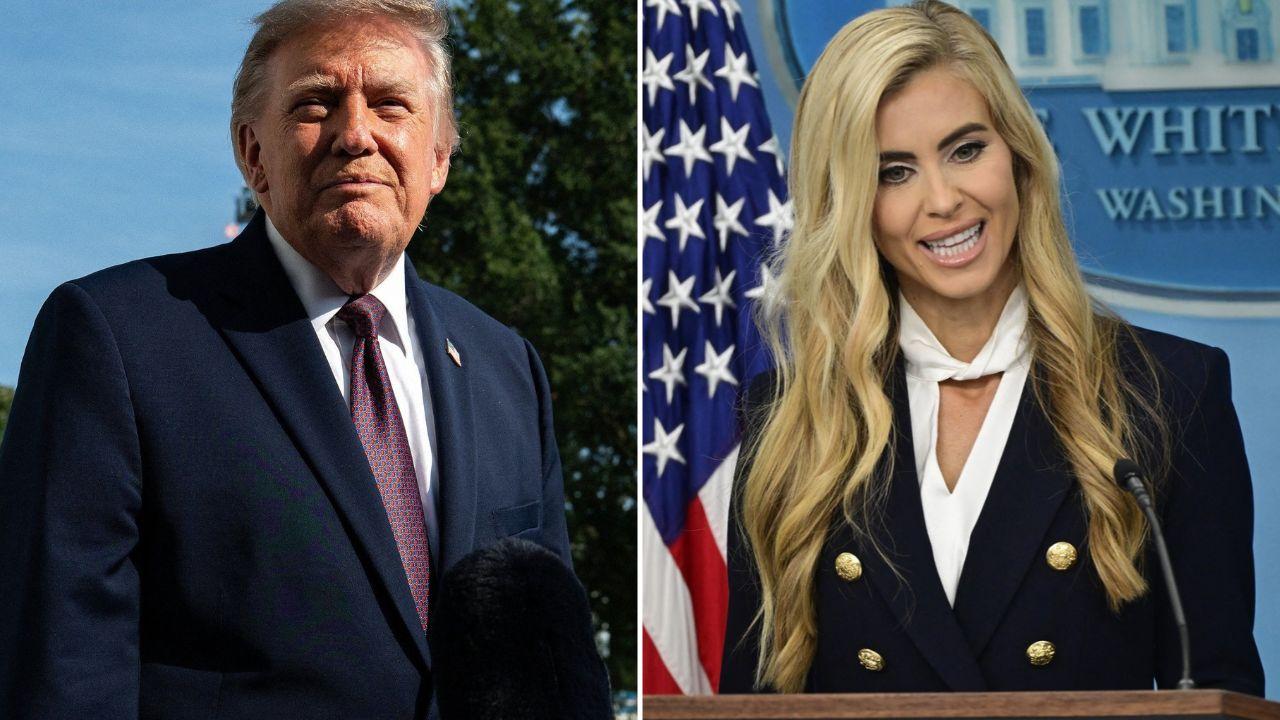
Gavin Newsom Defends Commutations as Moral Decision

Never Miss an

Daily updates from the heart of Hollywood, right to your inbox
By entering your email and clicking Sign Up, you’re agreeing to let us send you customized marketing messages about us and our advertising partners. You are also agreeing to our Terms of Service and Privacy Policy.
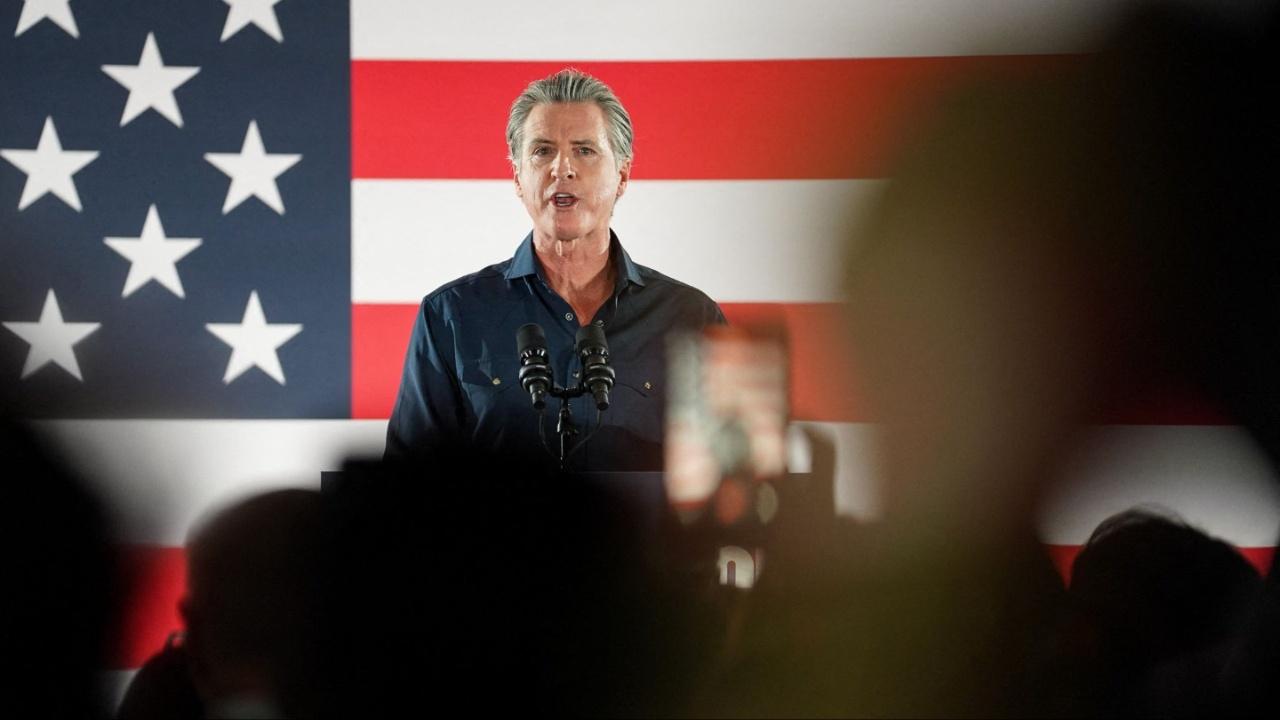
Gavin Newsom said that state-sanctioned killing conflicts with California values
Newsom has defended his position by arguing that capital punishment conflicts with the state's values and undermines its justice system.
In a November 5 letter explaining his decision, the governor wrote, "I firmly believe that state-sanctioned killing is incompatible with California's values, undermines the foundations of our legal system, and diminishes each of us."
California has not carried out an execution since January 17, 2006. Newsom imposed a moratorium on executions in 2019, effectively halting the practice during his governorship.
The state has the largest death row population in the country, with 548 people facing capital punishment when Newsom announced his proposed commutations.
