


EXCLUSIVE: Radar Reveals Exactly Who is Profiting From Trump's Iran Bombardment — And It's the Usual Two Suspects

Trump's Iran strikes triggered a profit windfall for oil and defense giants.
April 10 2026, Published 5:20 p.m. ET


Donald Trump's Iran bombardment is driving a surge in profits for oil giants and defense contractors, as Americans face rising gas prices and renewed fears over inflation – with industry insiders pointing to the same two sectors benefiting from war once again, RadarOnline.com can reveal.
The 79-year-old president has overseen escalating US involvement in a conflict with Iran that has now stretched into its fifth week, disrupting global energy markets and triggering sharp increases in fuel costs.

Trump’s five-week bombardment of Iran triggered a surge in oil and defense profits.

With Iran maintaining pressure on the Strait of Hormuz, a critical route for around a fifth of the world's oil supply, crude prices have soared from roughly $65 a barrel to more than $110 in just a month.
At the same time, the US defense department has expanded weapons production, bringing companies such as Boeing and Lockheed Martin into intensified manufacturing efforts, particularly around missile systems.
War Risk Ignites Profits in Defense and Energy
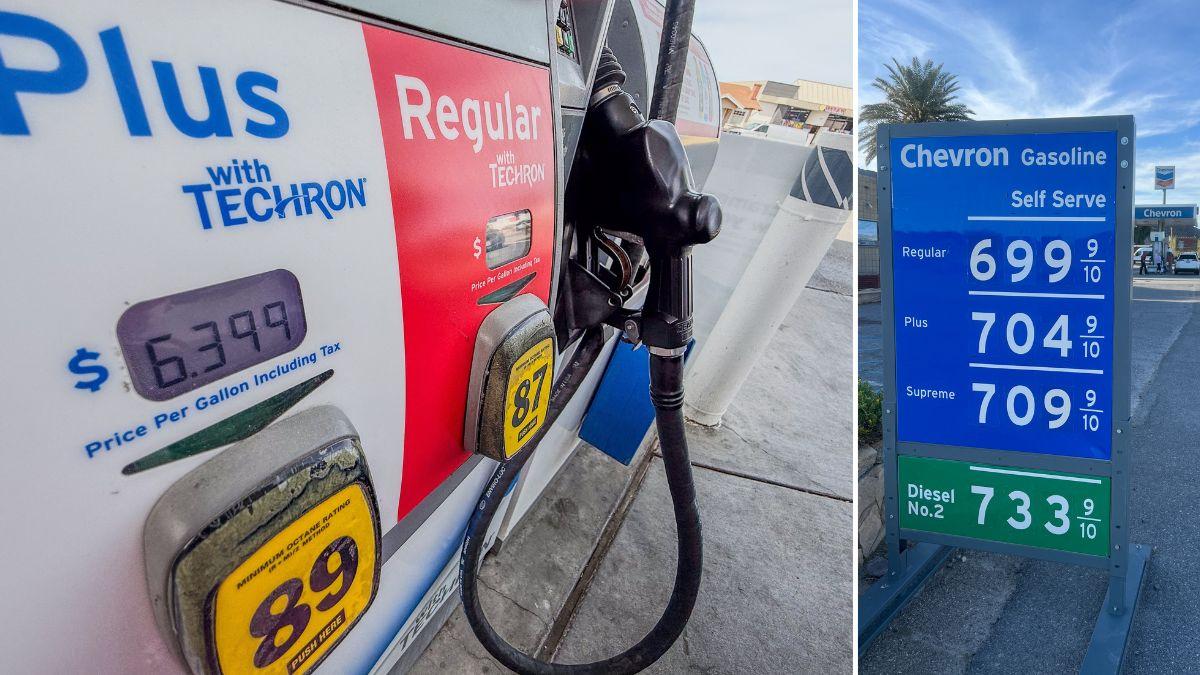
US gas prices climbed past $4 a gallon for the first time since 2022.
A defense industry source said: "There's a well-established cycle that tends to play out whenever global tensions escalate, and we're seeing it unfold again here. Periods of instability don't impact every sector equally; in fact, they consistently elevate a very specific group of players.
"Energy companies and defense manufacturers are almost structurally designed to benefit when uncertainty takes hold, because demand for their products rises at the exact moment supply chains become strained."
The insider added: "In that context, conflict isn't just a disruptive force - it becomes a catalyst for growth within those industries. Higher oil prices translate into immediate gains for producers, while increased military activity drives procurement, contracts, and investment for defense firms. The result is that what is broadly destabilizing for the global economy can simultaneously create highly favorable conditions for their balance sheets and share prices."
Lockheed Martin's share price has risen by around 25 percent since the start of the year, while oil companies including ExxonMobil, Shell, and Chevron have all recorded gains of more than 20 percent. Analysts estimate US oil producers alone could see an additional $63billion in profits as prices remain above $100 a barrel.
Corporate Profits Fly, Consumer Wallets Cry
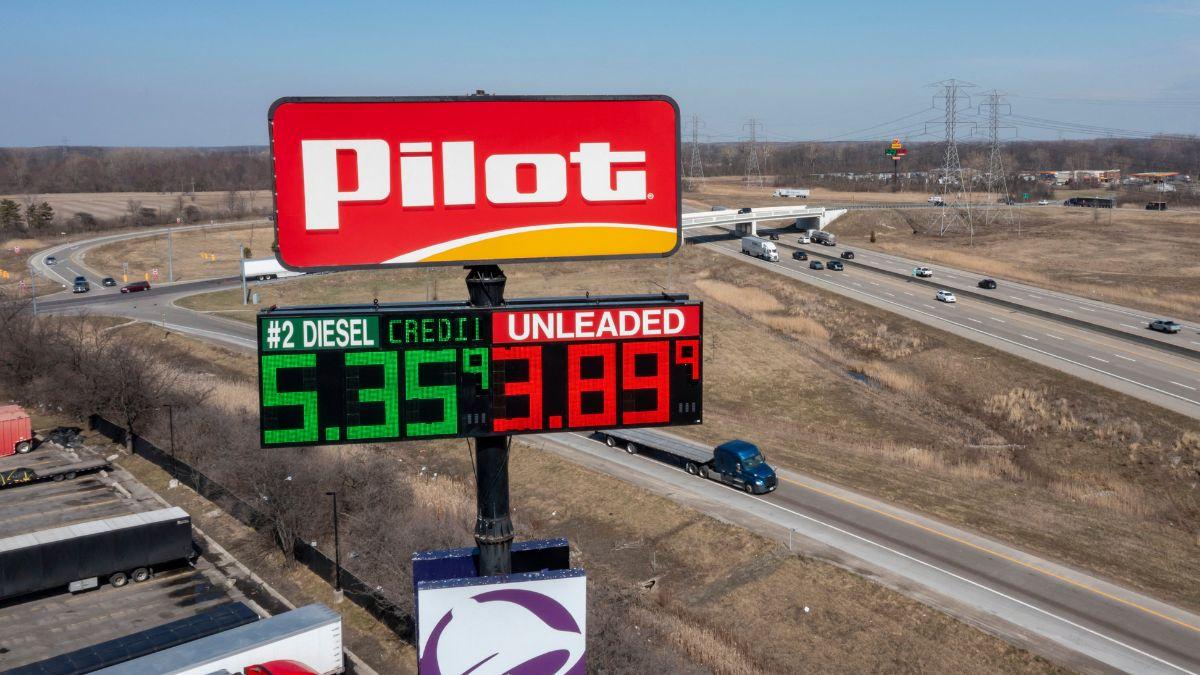
Diesel prices jumped 40 percent, raising costs for global transportation and logistics.
Gas prices at the pump have followed the upward trend, climbing past $4 a gallon for the first time since 2022, placing additional strain on households already grappling with higher living costs.
Another source said: "There's a widening gap between the reality facing ordinary consumers and the position certain industries now find themselves in. For most Americans, this translates into higher fuel prices and a knock-on effect across everyday expenses.
"But for oil companies, the same conditions represent a significant upside - prices rise sharply, yet their underlying costs don't increase at the same pace, which boosts margins considerably."
The insider added, "Defense contractors are benefiting from a similar dynamic. As geopolitical tensions escalate, governments move quickly to increase spending, which feeds directly into new orders, longer-term contracts, and expansion plans. That kind of demand signals stability and growth to investors, which in turn drives up share prices. So while the broader economy feels the strain, these sectors are seeing a surge in confidence and valuation."

Global Ripple Effects Hit Transport, Food and Markets

Never Miss an

Daily updates from the heart of Hollywood, right to your inbox
By entering your email and clicking Sign Up, you’re agreeing to let us send you customized marketing messages about us and our advertising partners. You are also agreeing to our Terms of Service and Privacy Policy.
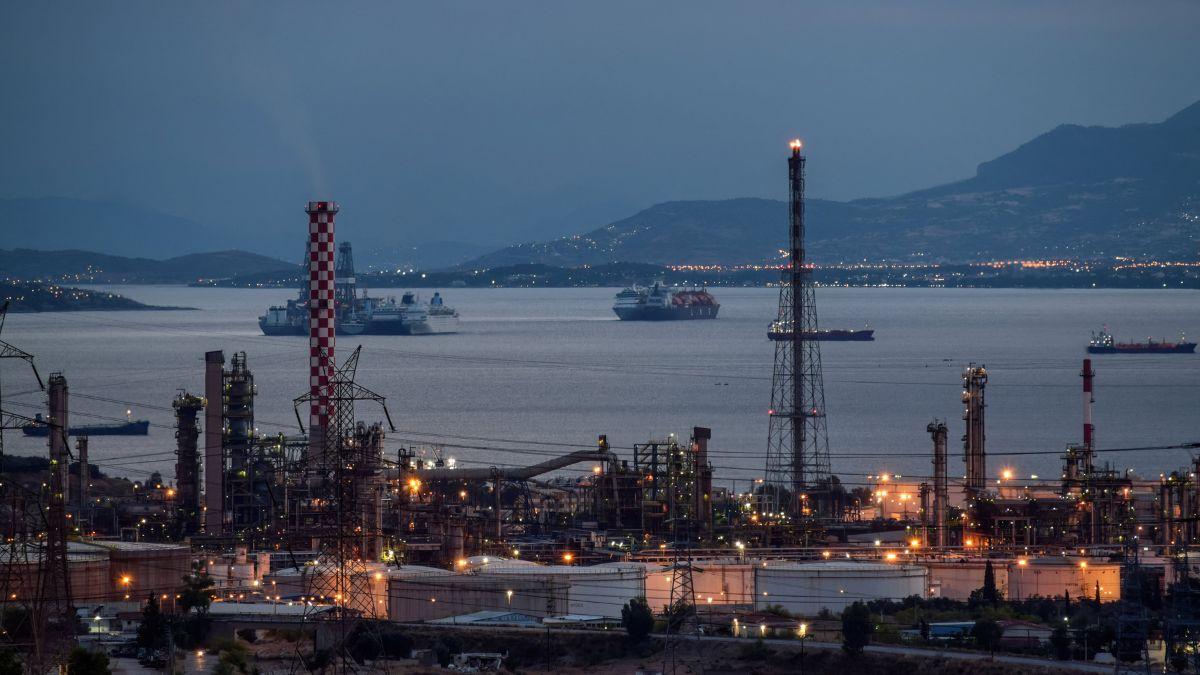
Economists have warned that rising fuel costs threaten to reduce consumer spending and fuel inflation.
The situation echoes the market dynamics seen in 2022 following Russia's invasion of Ukraine, when oil prices surged, and global energy companies recorded record profits. That year, publicly listed oil and gas firms made $916billion worldwide, with American companies accounting for $281billion.
Much of that profit was concentrated among the wealthiest investors, with research indicating that around half of the gains went to the top 1 percent of Americans.
Trump has sought to frame rising oil prices as a national advantage, arguing that the US benefits as a leading producer. However, economists warn prolonged price increases can have broader economic consequences, including reduced consumer spending and shifts away from oil-dependent industries.
The current conflict is also creating ripple effects across other sectors. Diesel prices have jumped by around 40 percent, increasing costs for transportation and logistics, while airline stocks have fallen sharply amid higher fuel expenses. Disruptions to liquefied natural gas production are raising concerns about fertilizer supply, with potential knock-on effects for global food production.
A further source said: "When disruption hits on this kind of scale, it doesn't stay contained; it ripples outward through the entire system. What begins as a supply shock in one region quickly feeds into pricing, production, and distribution across multiple industries. Some sectors can capitalize on that volatility, but many others are left absorbing the strain."
Ultimately, it's consumers who feel the cumulative impact. Rising fuel costs filter into everything from transport to food prices, while businesses face increasing pressure to manage those expenses.
At the same time, a relatively small group of companies is benefiting disproportionately. If the conflict drags on, that imbalance is only going to deepen, with the gap between those gaining and those losing becoming more and more stark.
