


EXCLUSIVE: Radar Reveals Exactly What Happens if Donald Trump Dies in Office as Health Fears Erupt Over 'Ailing' Prez

Trump is set to celebrate his 80th birthday while serving in office.
June 12 2026, Published 1:09 p.m. ET


Alleged dementia-addled president Donald Trump is at the center of renewed scrutiny over his health ahead of his 80th birthday – prompting fresh questions about what would happen if the US president were to die while serving in office.
RadarOnline.com can reveal as concerns swirl around the oldest person ever inaugurated as president, constitutional provisions governing presidential succession have now come under the spotlight before the Republican becomes an octogenarian on June 14.
What Happens If Trump Dies

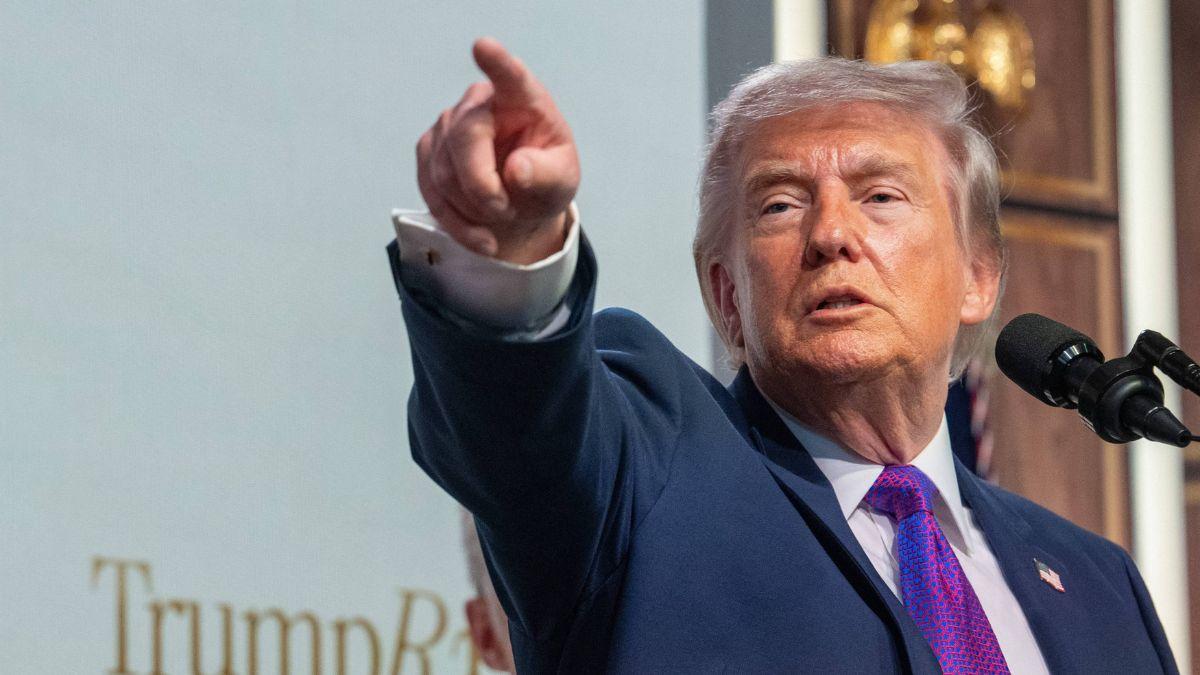
Trump became the oldest US president at his 2025 inauguration.
Trump became the oldest individual ever sworn in as US president when he began his second term in January 2025, surpassing the record previously held by Joe Biden, 83.
Amid heightened public discussion about the president's health, attention has turned to the procedures outlined in the US Constitution and the 25th Amendment, which dictate how power is transferred if a president dies, resigns, or is removed from office.
Under those rules, Vice President JD Vance, 41, would immediately assume the presidency and take on the full powers and responsibilities of the office.
"Let's talk about health again for the 25th time," Trump recently declared during an impromptu phone call conducted ahead of a report examining his health.
The president is then said to have expressed frustration with the ongoing public debate surrounding his physical condition – which has seen sources tell us the bruised, bumbling commander-in-chief has shown a string of signs he is hiding a shattering secret dementia diagnosis.
JD Vance Would Take Power
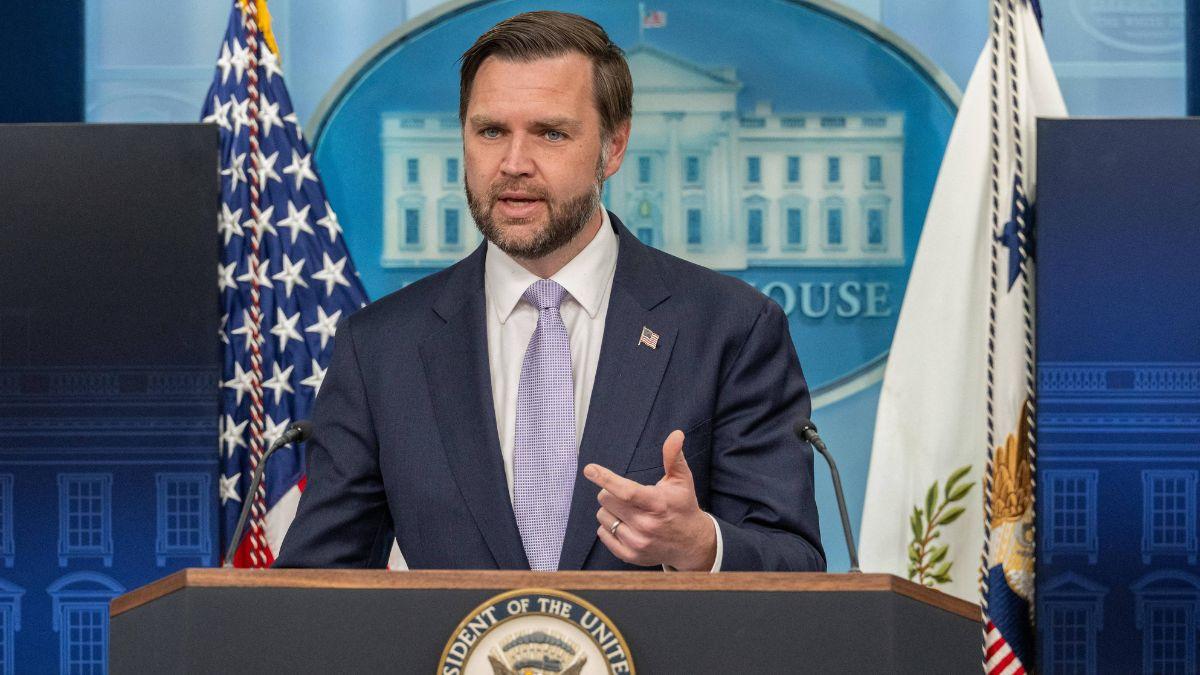
Vice President JD Vance automatically assumed the full presidency.
Should Trump die while in office, Vance would automatically become president and would be sworn in as soon as practical.
The process is not without precedent.
Eight US presidents have died while serving, including four who were assassinated and four who died of natural causes, with each succeeded by their vice president.
Once installed in office, the new president would have the authority to keep or replace members of the cabinet.
The vice presidency would then become vacant, requiring the president to nominate a successor under the terms of the 25th Amendment.
That nominee would need approval from both chambers of Congress, securing a majority vote in the House of Representatives and the Senate before taking office.
Historic Record Could Fall
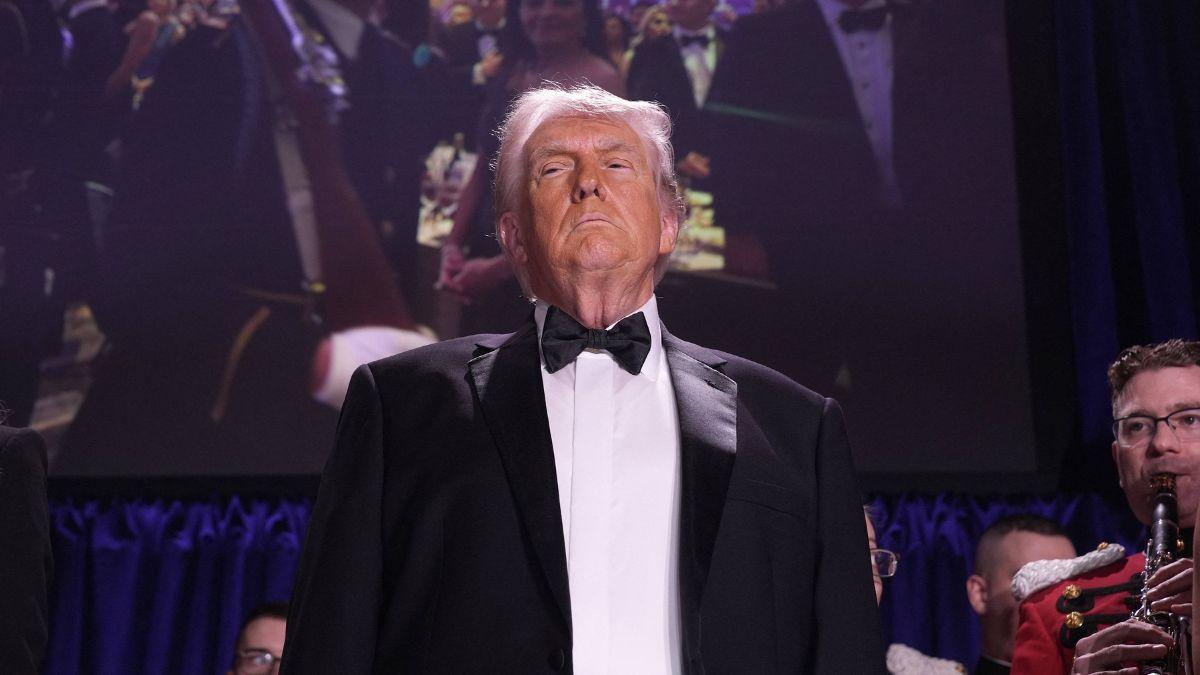
The president underwent a preventative CT scan back in October.
If Vance were to succeed Trump before turning 42, he would become the youngest person ever to assume the presidency through succession, eclipsing Theodore Roosevelt, who was 42 when he took office after the assassination of President William McKinley in 1901.
Roosevelt remains the youngest person to become president, while John F. Kennedy remains the youngest individual elected to the office.
Questions surrounding the US presidential succession system also intersect with presidential term limits.
The 22nd Amendment bars anyone from being elected president more than twice.
It also stipulates that a person who serves more than two years of a term originally won by another president may only be elected once thereafter.
In practical terms, it means a vice president who inherits the presidency and serves more than two years of the remaining term could seek election only once in their own right.
If they serve two years or less, they would remain eligible to run for and win the presidency twice.
Health Debate Intensifies Again

Never Miss an

Daily updates from the heart of Hollywood, right to your inbox
By entering your email and clicking Sign Up, you’re agreeing to let us send you customized marketing messages about us and our advertising partners. You are also agreeing to our Terms of Service and Privacy Policy.
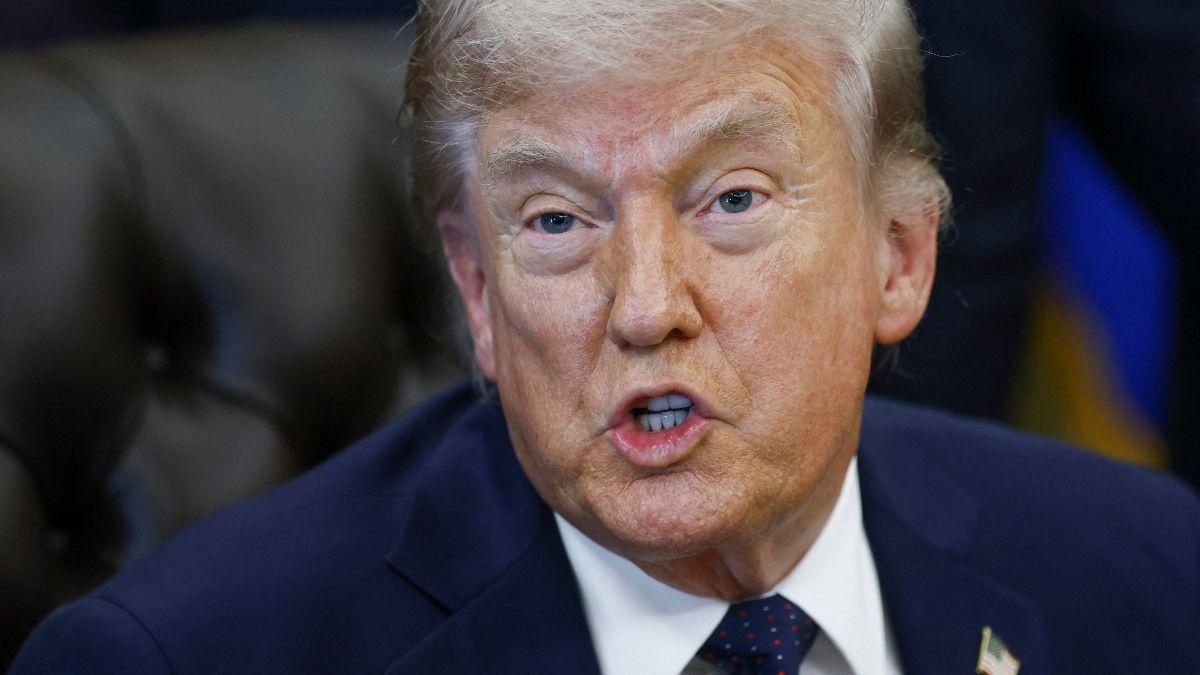
Trump became the oldest individual ever sworn in as US president.
The discussion has intensified following Trump's recent comments about his medical history.
Trump said he underwent a CT scan in October after previously telling reporters he had received an MRI scan.
He denied experiencing hearing problems or falling asleep during White House events.
Trump also revealed he has taken higher-than-recommended doses of aspirin for roughly 25 years.
"They say aspirin is good for thinning out the blood, and I don't want thick blood pouring through my heart," he said.
Navy Capt. Sean Barbabella, Trump's physician, says testing had been carried out "to definitively rule out any cardiovascular issues" with Trump, and added he found no abnormalities.
