


Trump Branded 'Compulsive Liar' By Critics as Inflation Rises Again Despite Prez Proudly Claiming He Had 'Defeated' Increases

Trump claimed inflation is no more.
Nov. 27 2026, Published 4:00 p.m. ET


Donald Trump is pressing ahead with another round of tariffs on major U.S. trading partners despite Republican losses in the midterm elections, as his administration seeks to rebuild parts of its sweeping trade agenda through a new legal strategy.
The president claimed that he has "defeated inflation," as his administration proposes new duties targeting 14 economies accused of supporting excess industrial capacity, RadarOnline.com can report.
New Tariffs Despite Midterm Losses

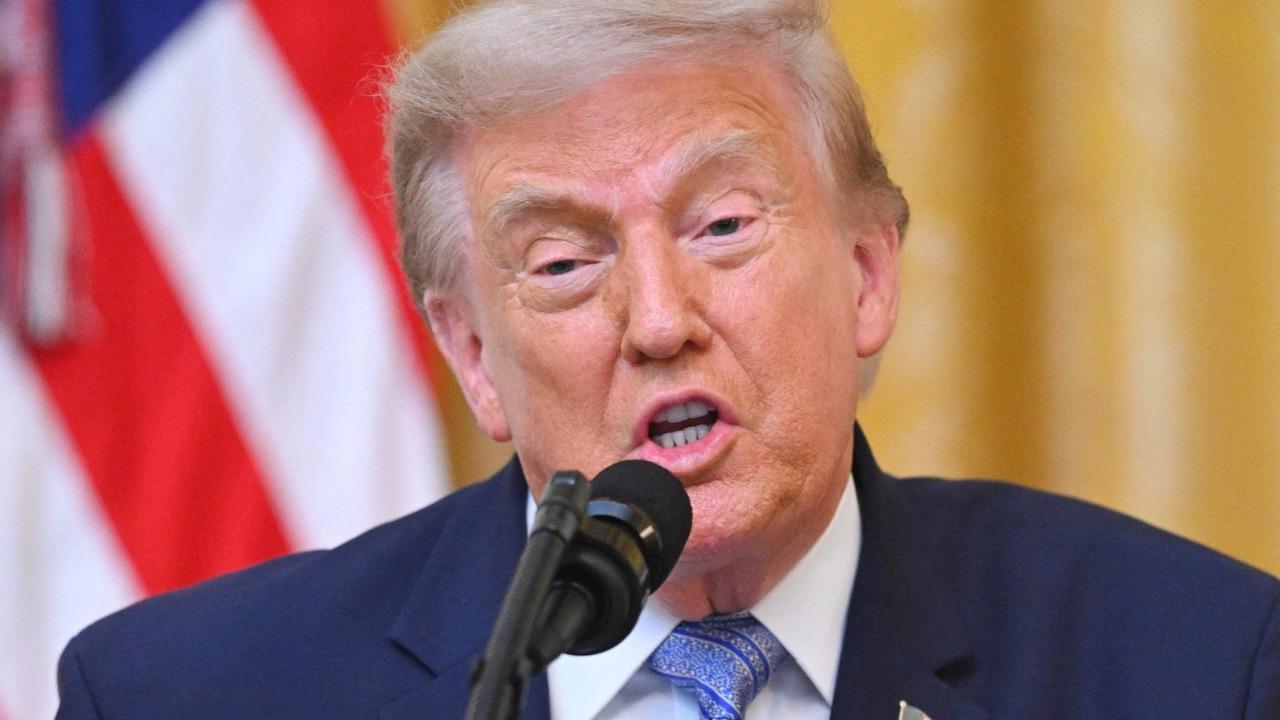
China's proposed tariff rate could rise from 20 percent to 40 percent if its trade truce with the United States expires.
The proposed tariffs on Chinese goods could reach 40 percent if the current trade truce between Washington D.C. and Beijing expires,
An X account, Republicans Against Trump, tweeted that "U.S. inflation rose to 3.8% in October, up from 3.6% in September. Core inflation also climbed to 3.3%, well above the Fed’s 2% target."
The post sparked outrage among critics, who took issue with Trump's declaration that he had "defeated inflation."
"Of course he said that; he's a compulsive liar living in some reality that different from the rest of us, one user wrote. "Trump has high inflation because of Trump (and he's making it worse)," another said. "Trump will still say it's Joe Biden's fault, And it's been 2 years of Trump's economy already," a commentator pointed out.
The criticism comes as the Trump administration moves forward with another round of proposed tariffs on imports from major U.S. trading partners, a policy that could add further pressure to prices for American businesses and consumers.
The U.S. Trade Representative's office announced the proposed duties on November 25, following an investigation launched in March under Section 301 of the Trade Act of 1974.
The initial investigation covered 16 economies, but USTR Jamieson Greer made formal determinations against 14: China, India, Japan, South Korea, Vietnam, Taiwan, Thailand, Malaysia, Indonesia, Switzerland, Singapore, Bangladesh, Cambodia and the European Union.
Mexico and Norway were excluded from the latest determinations because their investigations remain ongoing. The proposals are subject to public comment, with written submissions due Jan. 5, 2027.
China Faces Potential 40 Percent Rate
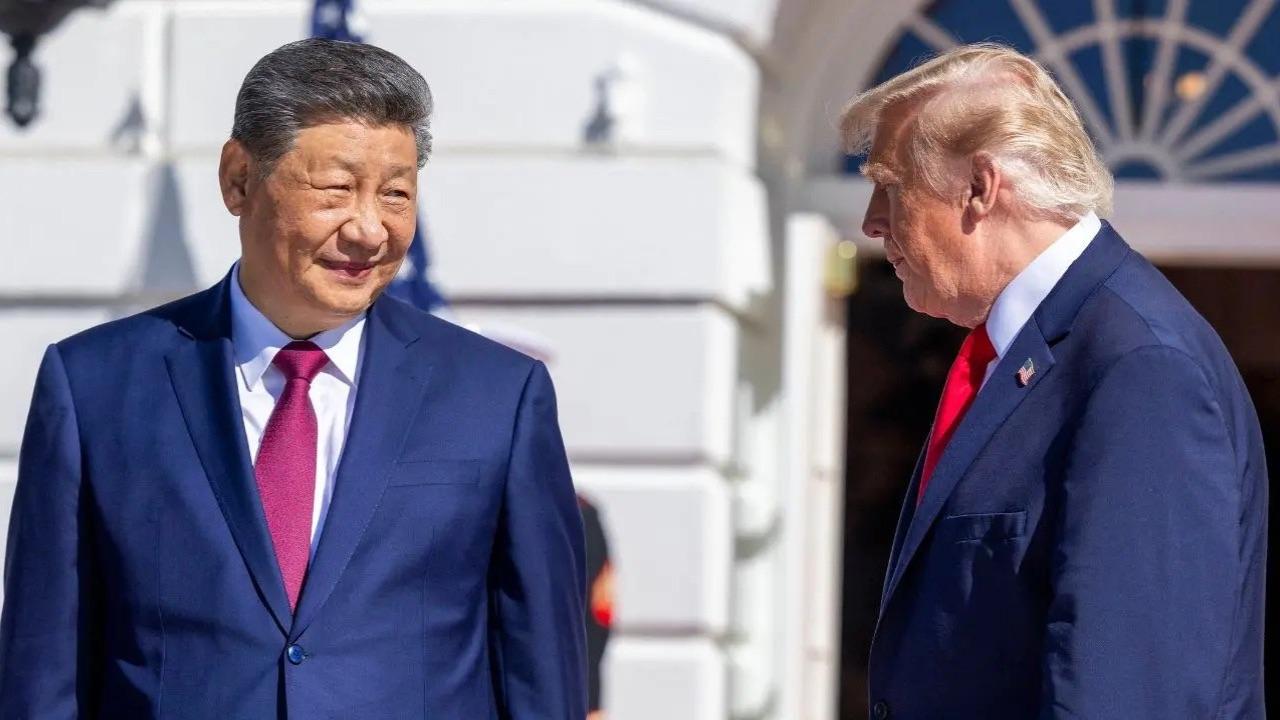
The administration is using Section 301 of the Trade Act of 1974 to pursue new duties after the Supreme Court struck down Trump's earlier emergency-based tariffs.
China remains a central focus of the administration's trade investigation as its trade surplus is expected to exceed $1 trillion in 2026, according to a report.
U.S. officials accuse Beijing of supporting industrial production that exceeds demand and contributes to global exports of steel, aluminum, electric vehicles, appliances, solar products and other manufactured goods.
Washington has also raised concerns about Chinese investment in Southeast Asian countries, including Vietnam, Indonesia and Cambodia, where companies manufacture goods for the U.S. market.
Beijing rejects the overcapacity allegations.
.Under the current U.S.-China trade truce, which is scheduled to expire January 10, the proposed tariff ceiling on Chinese goods is 20 percent, in addition to roughly 25 percent in duties imposed during Trump's first term.
If the agreement falls apart, the proposed rate would rise to 40 percent.
The administration also said the new duties would not stack on top of certain existing tariffs targeting imports from countries accused of failing to enforce anti-forced-labor laws.
Some Chinese imports worth approximately $30billion are also being considered for potential tariff reductions.
Trade Deals Shape Proposed Rates
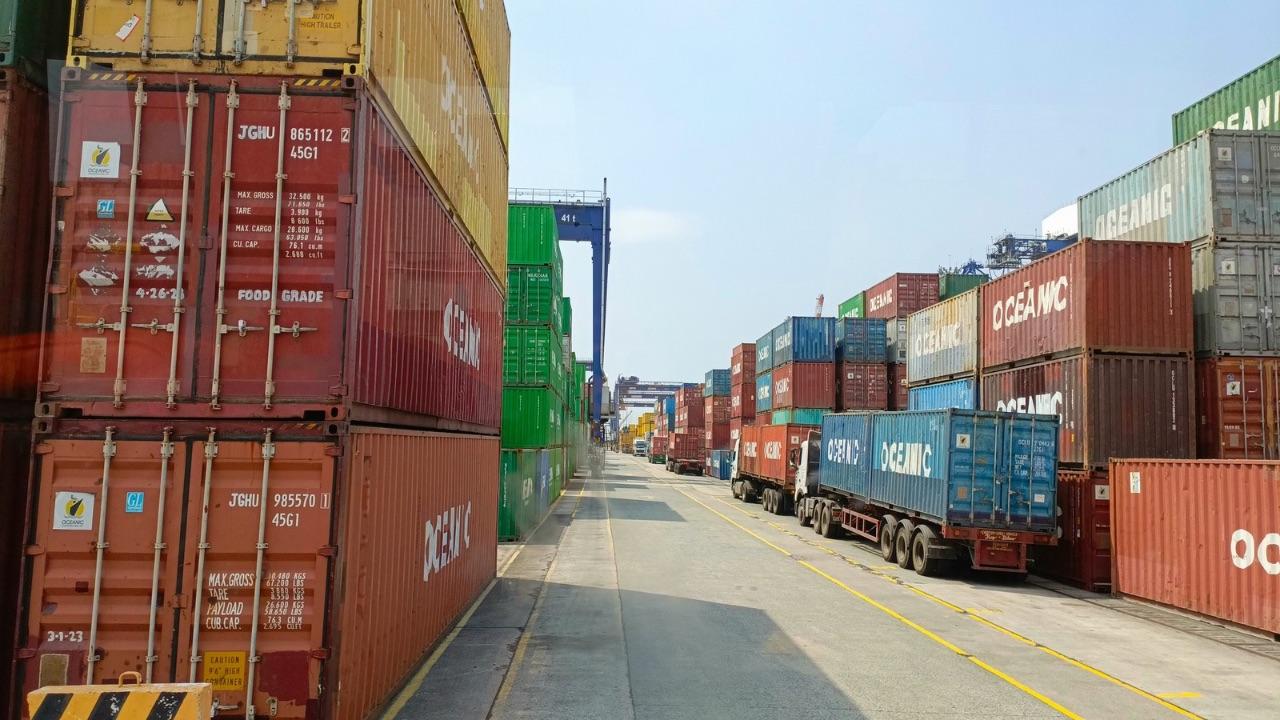
Democratic lawmakers have criticized Trump's tariff plans and called for Congress to reclaim authority over U.S. trade policy.
The proposed ceilings differ across the 14 economies.
The administration outlined rates of up to 15 percent for the European Union, Japan, South Korea, Taiwan and Switzerland, while Cambodia, Indonesia, Malaysia, Thailand and Bangladesh face proposed ceilings of 18 percent.
The administration is using Section 301 after the Supreme Court struck down Trump's broad global tariffs imposed under a national emergencies law in February.
The ruling did not invalidate every tariff imposed by the administration.

Democrats Challenge Trump's Trade Agenda

Never Miss an

Daily updates from the heart of Hollywood, right to your inbox
By entering your email and clicking Sign Up, you’re agreeing to let us send you customized marketing messages about us and our advertising partners. You are also agreeing to our Terms of Service and Privacy Policy.
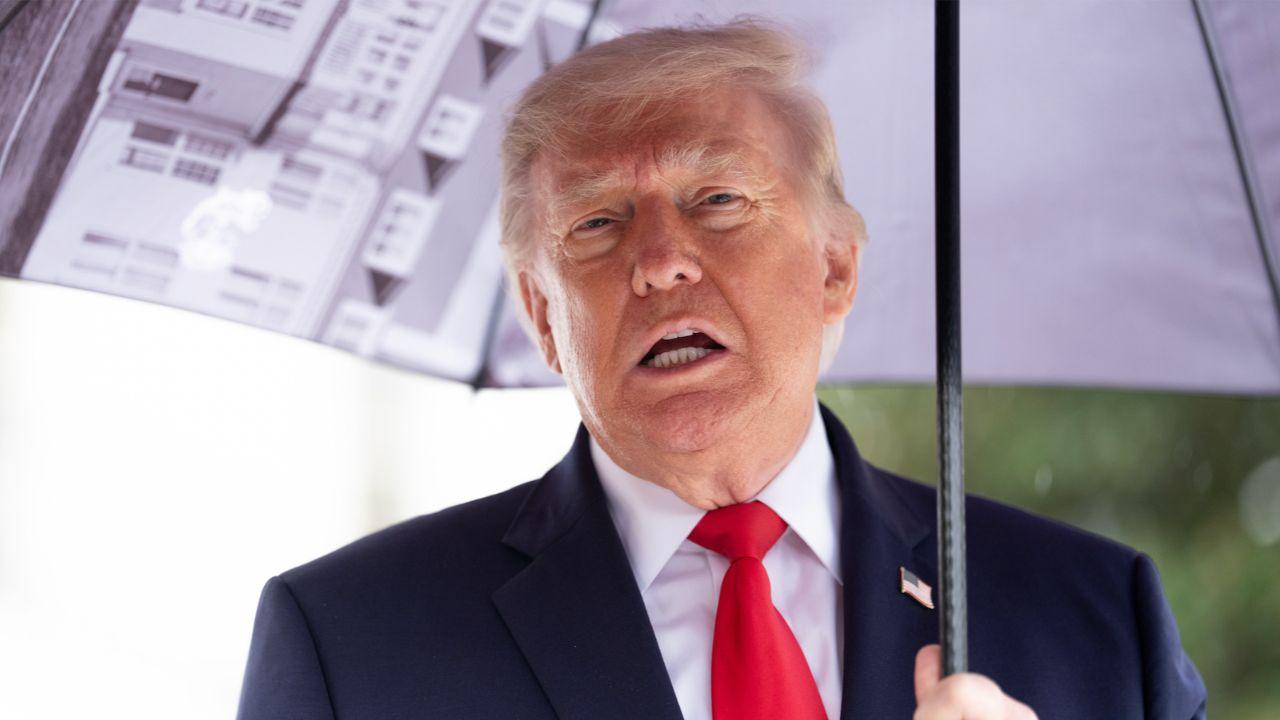
A Pew Research Center survey found that 56 percent of Americans expected Trump's tariff policies to have mostly negative effects on the country.
The new proposals come after Democrats won majorities in both chambers of Congress during the midterm elections, with tariffs and affordability among the issues facing voters.
Rep. Don Beyer criticized the administration's plans, arguing that Congress should have a greater role in trade policy. Sen. Ron Wyden, who is expected to chair the Senate Finance Committee next year, also vowed to challenge Trump's tariffs.
A Pew Research Center survey conducted September 28 through October 4 found that 56 percent of Americans believed Trump's tariff policies would have mostly negative effects on the country in the coming years.
The administration's latest proposal could face additional political and legal challenges, although Democrats would need sufficient congressional support to overcome a presidential veto.
