


Trump's California Ballot Fight Heads to Supreme Court Over Noncitizen Voting as Critics Warn of 'Chaos'

The Trump administration asked the U.S. Supreme Court to require California to set aside about 20,000 mail-in ballots.
Nov. 2 2026, Published 2:35 p.m. ET


The Trump administration has taken its fight over roughly 20,000 California mail ballots to the U.S. Supreme Court, asking the justices to intervene one day before the Nov. 3 midterm election.
Solicitor General D. John Sauer filed an emergency application Monday after federal courts rejected the administration's efforts to force California election officials to set aside ballots from voters the government says are likely noncitizens.
The Justice Department wants those ballots held until the voters' citizenship can be verified.
California officials have challenged the federal list's reliability and argued that changing ballot procedures this late could disrupt the election and disenfranchise eligible voters.
Dispute Centers On Federal Voter List

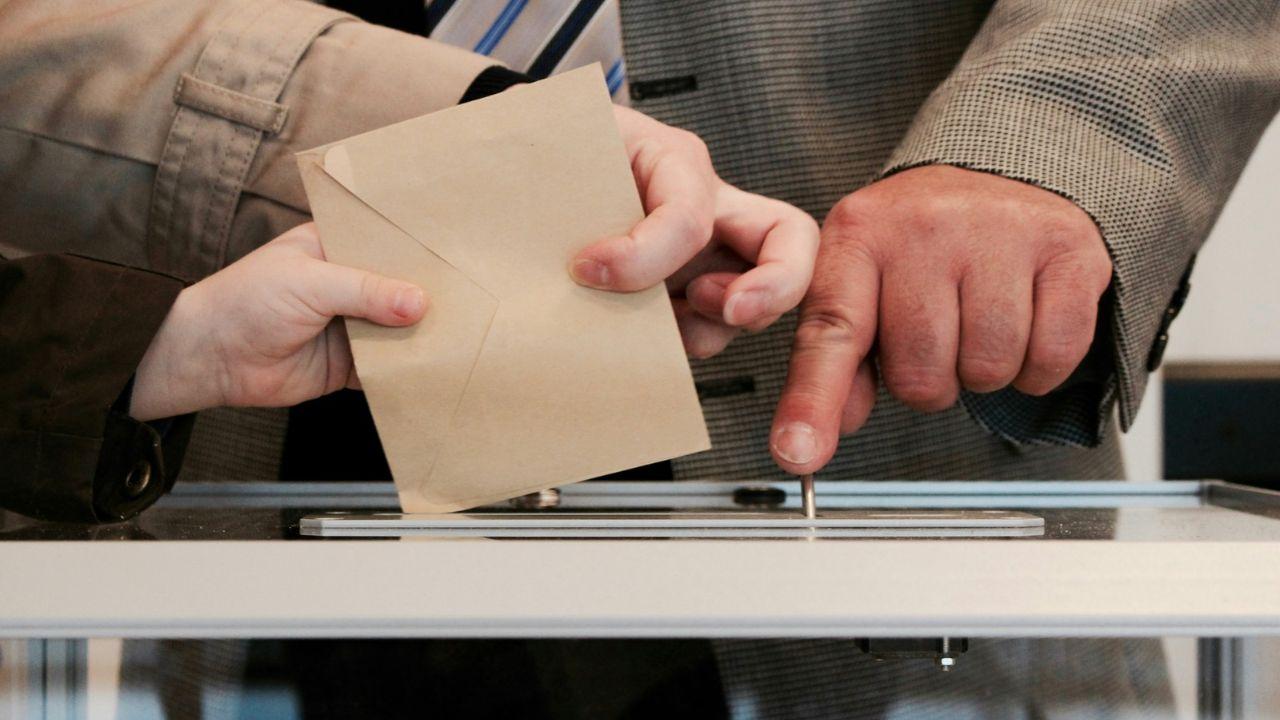
The Justice Department sued California and Los Angeles County on Oct. 15, seeking to delay counting the ballots.
The dispute began after the Department of Homeland Security and other federal agencies identified more than 20,000 California voters they considered likely noncitizens.
The Justice Department filed its lawsuit against California on Oct. 15, seeking an order requiring officials to separate ballots from people on the list and withhold them from counting until citizenship was confirmed.
Federal officials say they created the list by reviewing voter-registration information and federal immigration records. The administration argues that allowing potentially unlawful votes to be counted could dilute the votes of eligible citizens.
California, however, says the government has not established that the people on the list are actually ineligible voters.
Los Angeles County officials also raised questions about the data, saying a review of a sample found that some records belonged to inactive or canceled registrations and that some voters had reported being born in the United States.
The administration's request also came after California had already mailed ballots to its roughly 23 million registered voters beginning Oct. 1, as required under state law.
Lower Courts Reject Late Changes
A federal judge and a 2-1 Ninth Circuit panel rejected the administration’s request.
U.S. District Judge David O. Carter rejected the Justice Department's request for emergency relief on Oct. 28.
Carter questioned the government's methodology and warned that forcing California to change its established election procedures so close to Election Day could disenfranchise eligible voters and disrupt the process.
The 9th U.S. Circuit Court of Appeals then ruled 2-1 against the administration on Oct. 30. Judges Mark Bennett and Gabriel Sanchez rejected the request, while Judge Patrick Bumatay dissented and argued that federal law supported the administration's position.
The appeals court majority said the requested relief could disenfranchise eligible voters and put the state's ballot-counting process in jeopardy.
California officials have also argued that separating the ballots at this stage would be extremely difficult because ballots are separated from their identifying envelopes during processing.
Supreme Court Faces Urgent Decision
The Ninth Circuit majority warned that separating ballots during voting could have “potentially catastrophic effects.”
Sauer's Supreme Court filing now asks the justices to step into the dispute as California's election process nears its final stage.
The case puts the court in the position of considering whether to require a major change to ballot handling immediately before Election Day.
The application was directed to Justice Elena Kagan, who handles emergency matters arising from the 9th Circuit, although she could refer the matter to the full court.
The administration argues that immediate action is necessary because ballots cannot be retrieved once they are processed and mixed with other votes.
California and its supporters counter that the government's proposed remedy would likely cause significant disruption.
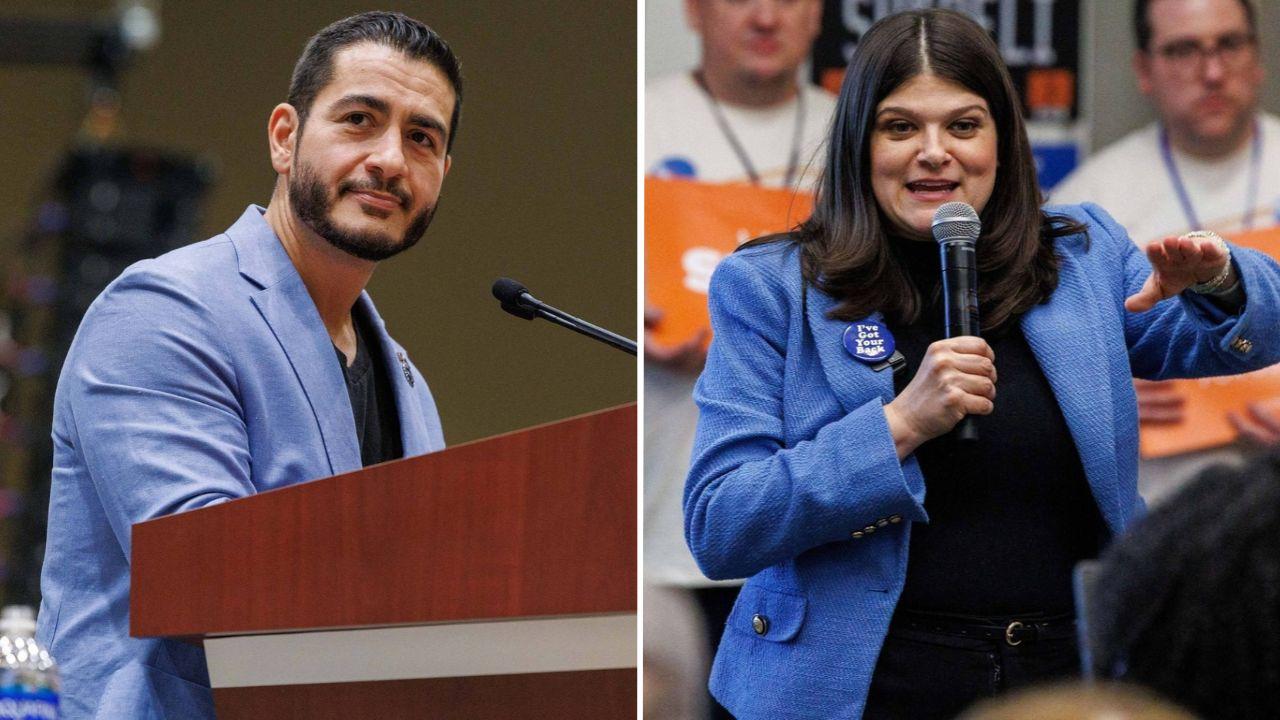
Ballot Handling and Timing At Issue

Never Miss an

Daily updates from the heart of Hollywood, right to your inbox
By entering your email and clicking Sign Up, you’re agreeing to let us send you customized marketing messages about us and our advertising partners. You are also agreeing to our Terms of Service and Privacy Policy.
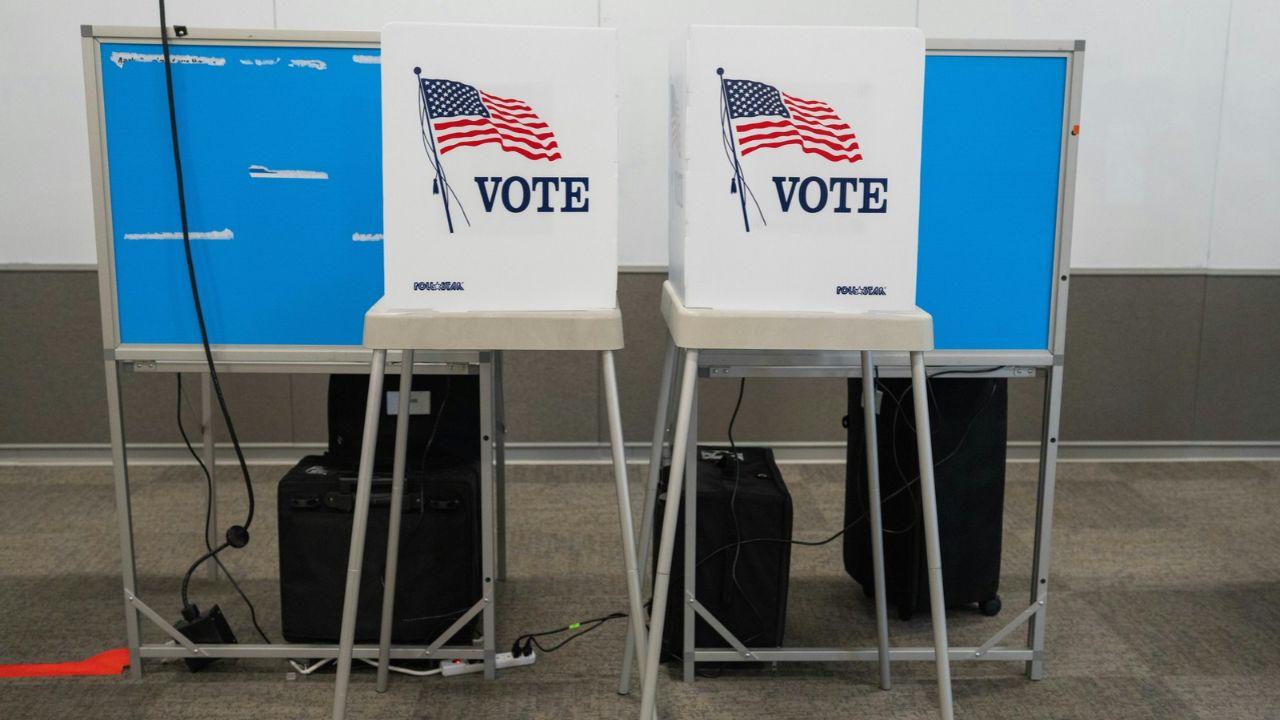
California says late citizenship checks are unfeasible and could disenfranchise eligible voters.
The central question is no longer simply whether noncitizens are prohibited from voting in federal elections.
They are. The dispute is over whether the federal government has identified ineligible voters accurately enough, and whether courts should require California to change its established procedures at the last minute.
Noncitizen voting is illegal but rare, according to available audits and investigations.
The accuracy of the administration's California list remains contested, with federal officials defending their methodology and state officials arguing that it could incorrectly flag eligible voters.
The Supreme Court's response could determine whether California must take extraordinary steps involving thousands of disputed ballots just as voters head to the polls.
