


EXCLUSIVE: Sandra Birchmore Death Twist — FBI Medical Examiner Found No Signs of Manual Strangulation, Defense Claims

Newly revealed FBI consultation notes have sparked a courtroom battle in the Sandra Birchmore murder case, as former cop Matthew Farwell challenges key medical testimony.
Nov. 2 2026, Published 7:34 p.m. ET


A stunning new development has emerged in the federal murder trial of former Massachusetts police officer Matthew Farwell, as his defense team battles prosecutors over medical evidence surrounding the death of Sandra Birchmore, RadarOnline.com can reveal.
According to court documents obtained by Radar, Farwell's attorneys filed a motion on November 2 seeking to prevent prosecutors from introducing undisclosed expert opinions from a medical examiner who previously reviewed evidence in Birchmore's death investigation.
Medical Examiner's Findings Spark New Courtroom Battle

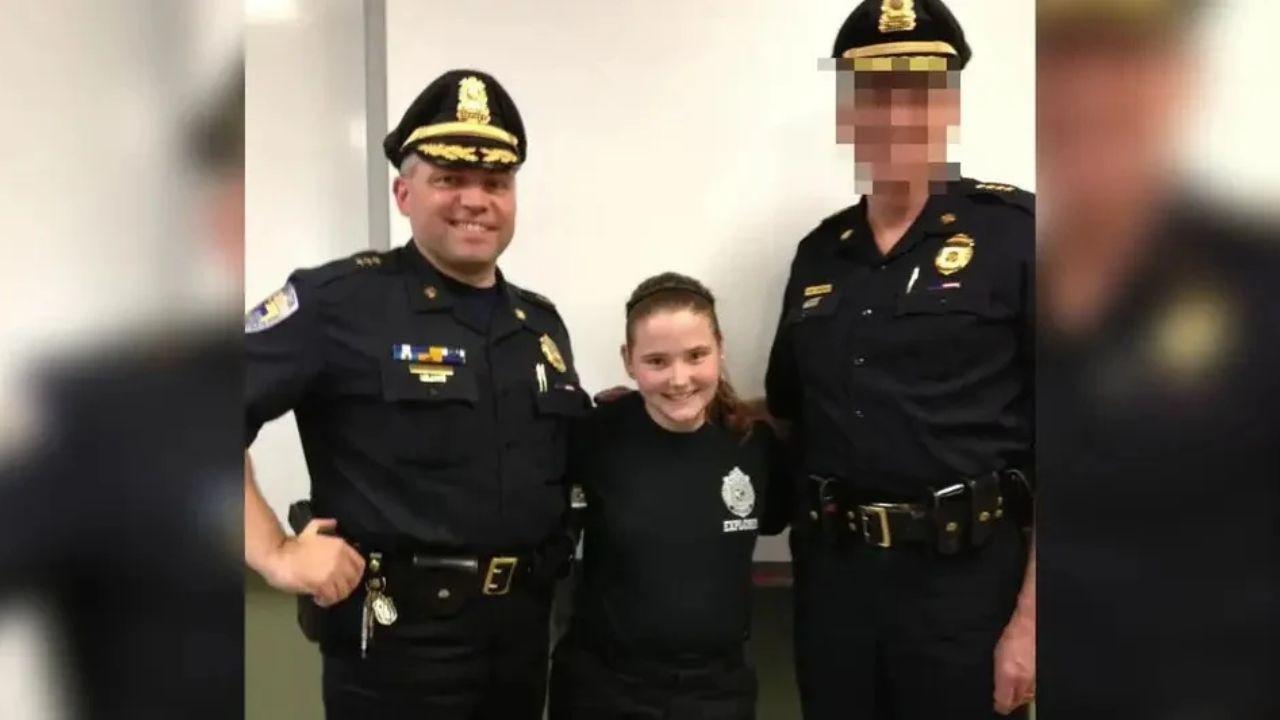
Sandra Birchmore's 2021 death is at the center of a federal murder trial involving former Massachusetts cop Matthew Farwell.
Birchmore was discovered dead inside her Canton, Massachusetts, apartment on February 4, 2021, in what authorities initially determined was a suicide.
Dr. Capo Martinez, who performed the autopsy for the Massachusetts Office of the Chief Medical Examiner, concluded that Birchmore died from asphyxia by hanging.
However, the investigation later drew federal scrutiny, prompting the FBI to request an independent medical consultation from the Armed Forces Medical Examiner System in April 2024.
Dr. Zoe Sundell, the system's chief medical examiner, subsequently reviewed autopsy materials, photographs and other evidence.
According to FBI notes cited in the newly filed motion, Sundell told investigators certain physical findings were consistent with hanging.
FBI Notes Reveal Crucial Medical Observations
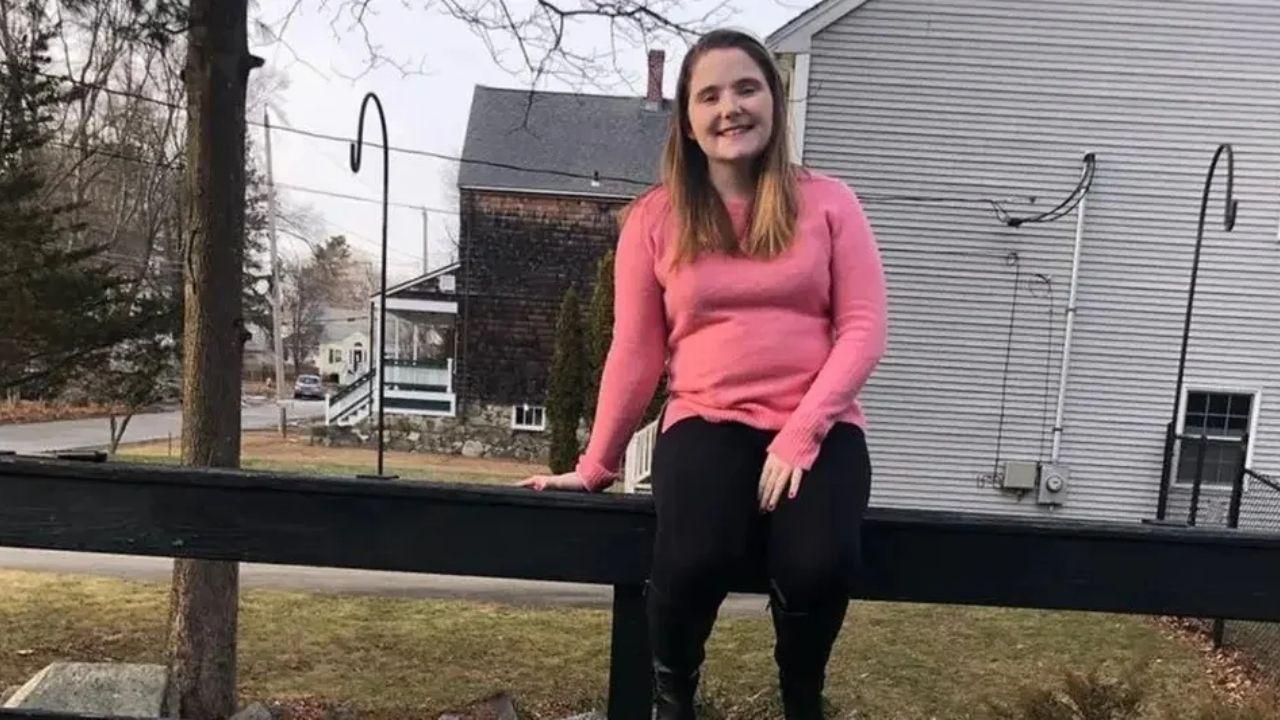
FBI consultation notes cited by the defense describe no apparent signs of manual strangulation in Birchmore's death.
During a June 6, 2024, consultation, Sundell reportedly discussed injuries to Birchmore's neck, including a fractured hyoid bone.
The notes indicate that such fractures can occur during traumatic hangings and are not necessarily evidence of manual strangulation.
Investigators also recorded Sundell's observation that there were no apparent injuries suggesting someone had strangled Birchmore with their hands.
The notes stated there was "nothing that looks like a manual strangulation."
Sundell also reportedly indicated nothing in her review contradicted the original medical examiner's findings.
Those observations could become significant as Farwell's defense challenges the prosecution's case.
Defense Challenges Prosecutors Over Expert Testimony
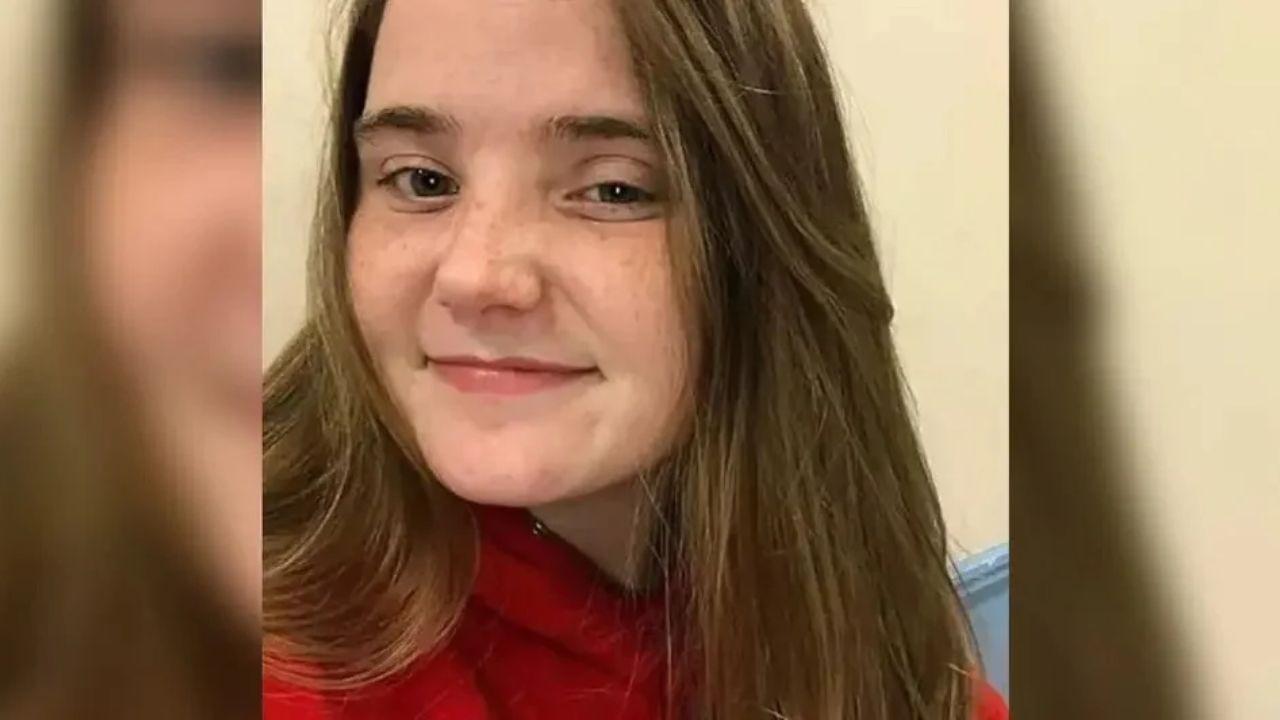
Farwell's defense claims prosecutors missed a key deadline to disclose expert testimony in the murder case.
Farwell's attorneys argue that prosecutors never formally designated Sundell as an expert witness, despite consulting her during the federal investigation.
The defense claims the government's deadline for disclosing expert testimony expired approximately six months ago.
Prosecutors instead retained Dr. William Smock, an emergency medicine physician, as their intended expert regarding Birchmore's cause and manner of death.
According to the filing, the government did not request a written report from Sundell following her consultations. Her observations were instead documented in FBI notes.
Key Witness Expected to Testify November 3

Never Miss an

Daily updates from the heart of Hollywood, right to your inbox
By entering your email and clicking Sign Up, you’re agreeing to let us send you customized marketing messages about us and our advertising partners. You are also agreeing to our Terms of Service and Privacy Policy.
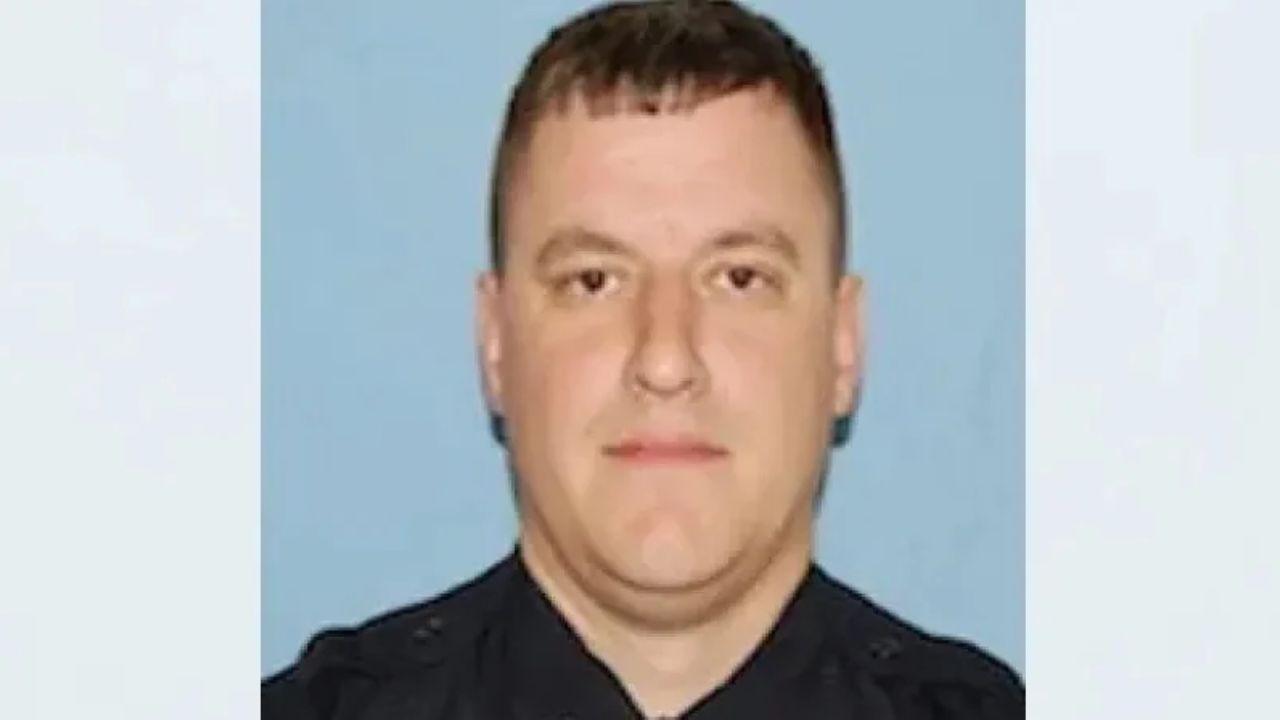
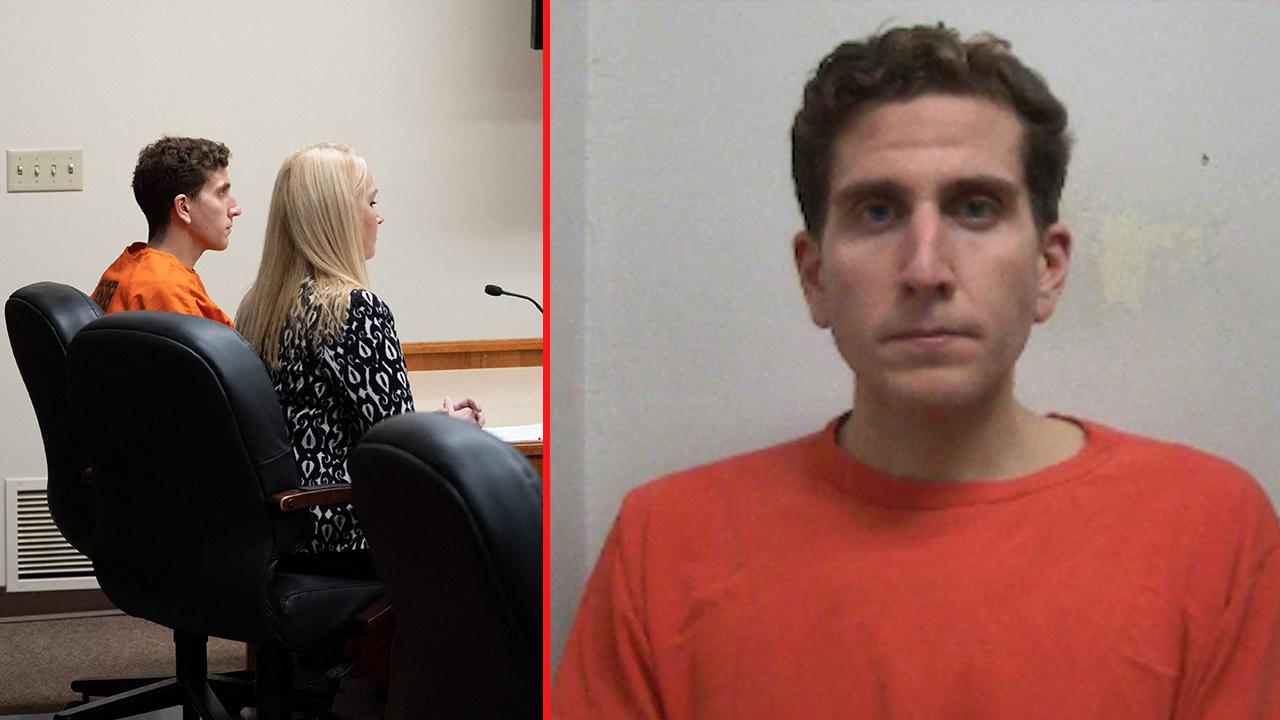
Dr. Zoe Sundell was subpoenaed by Farwell's defense as attorneys fight over what medical evidence jurors can hear.
The defense subpoenaed Sundell to appear as a fact witness on November 3.
Farwell's attorneys insist she should only describe her communications with federal investigators rather than offer new expert opinions.
The filing also reveals that prosecutors provided the defense with a report concerning another telephone conversation with Sundell on October 31.
Defense attorney Joanne Daley argues that allowing undisclosed expert opinions would violate federal disclosure requirements. The motion asks the judge to prohibit prosecutors from eliciting such testimony.
The filing does not establish that Sundell definitively ruled out homicide, and the judge's decision on the defense request remains unresolved in the document.
With Sundell's scheduled testimony approaching, the dispute places renewed attention on the medical evidence at the center of the closely watched murder trial.
