


EXCLUSIVE: Inside The Royal Family's Secret Panic Rooms and Hidden Escape Routes

Royal Family's secret panic rooms and hidden escape routes revealed.
Nov. 7 2026, Published 3:00 p.m. ET


Prince William and Princess Kate are said to have had a panic room installed at Kensington Palace – while sources told RadarOnline.com other royal residences contain concealed exits, underground passages and discreet routes designed to offer privacy and protection.
The royal family's homes are famous for their history, scale and elaborate interiors, but behind the public rooms lie features that have fueled fascination for decades.
Royal Palaces Hide Secret Entrances

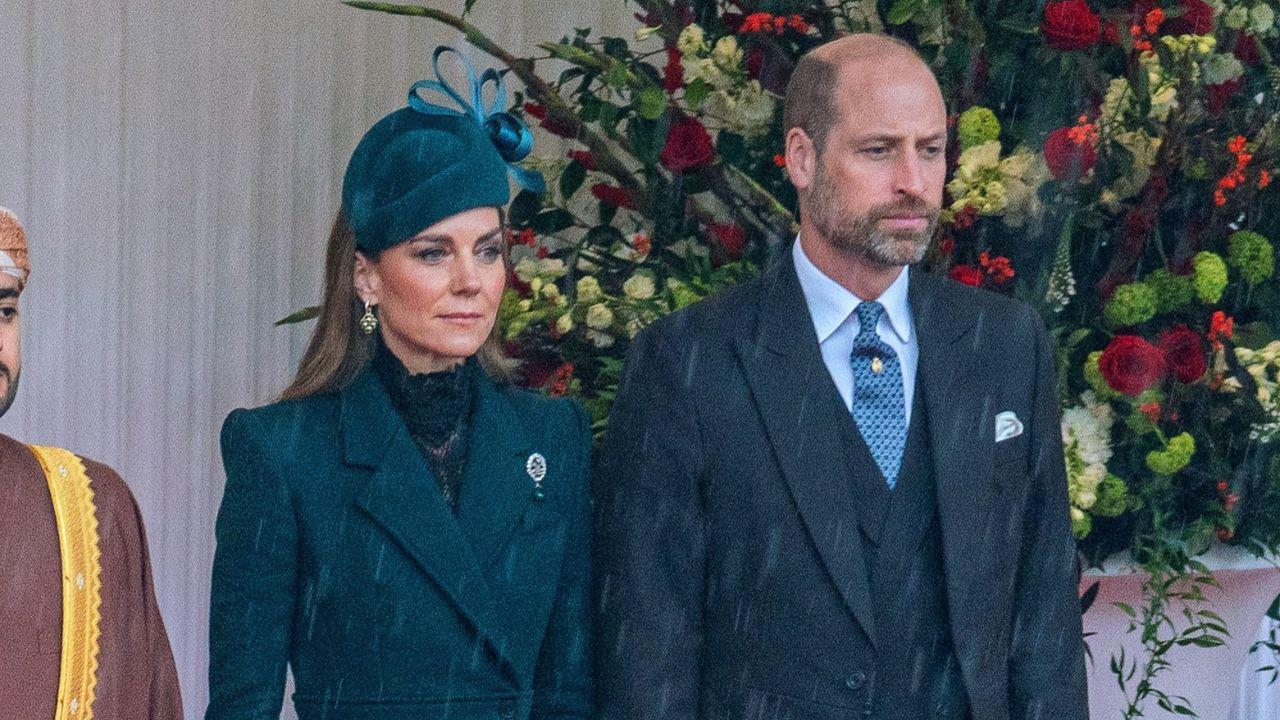
Prince William and Princess Kate installed a secure panic room at Kensington Palace.
Buckingham Palace, Windsor Castle, Kensington Palace and St James's Palace have all been linked to hidden doorways or passageways, with some details revealed during television programmes and royal interviews.
The claims range from documented architectural features to unconfirmed stories about underground tunnels.
At Buckingham Palace, one concealed doorway is hiding in plain sight.
A large gold-framed mirror and dresser in a State Room are said conceal an entrance to the King's private apartments.
ITV presenter Lorraine Kelly has highlighted the feature during a special programme filmed at the palace, explaining the disguised doorway allows King Charles, 77, to enter or leave the room discreetly.
Windsor Castle's Hidden Trapdoor
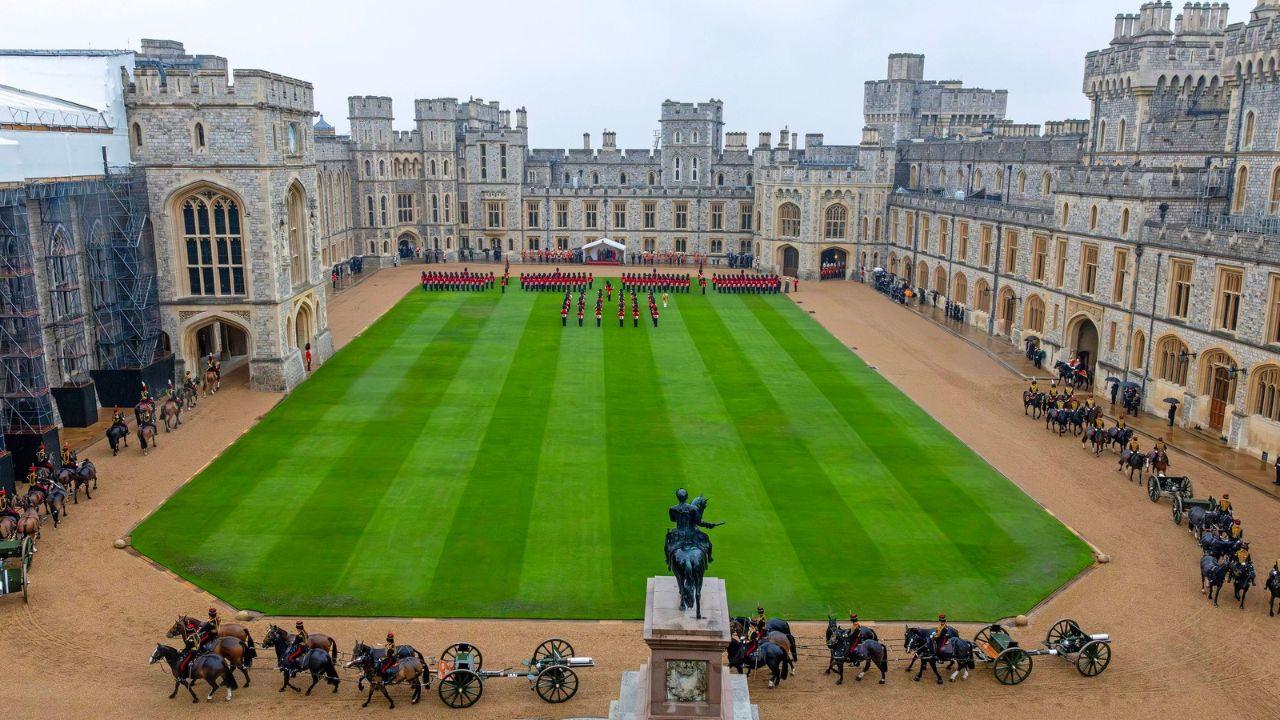
A trapdoor in Windsor Castle was revealed during a BBC documentary.
Windsor Castle, the 900-year-old royal residence that is now the King's main home, also has a reported underground passage.
In the BBC documentary The Queen's Palaces, presenter Fiona Bruce showed viewers an ordinary-looking office before lifting a carpet to reveal a wooden trapdoor.
"This is an office just tucked away in a corner of Windsor Castle. But look under here," she said.
After uncovering the entrance, Bruce added: "As if by magic, just lift these and the medieval castle emerges."
It remains unclear whether the royal family uses the passage today, but sources say they are all trained in using multiple escape routes around their homes.
There have also been longstanding rumours of tunnels beneath Buckingham Palace connecting the royal headquarters with Whitehall and the Houses of Parliament.
The speculation has partly drawn on the known tunnels built beneath Whitehall during the Second World War to protect communications infrastructure from bombing.
Kensington Palace Panic Room Claims
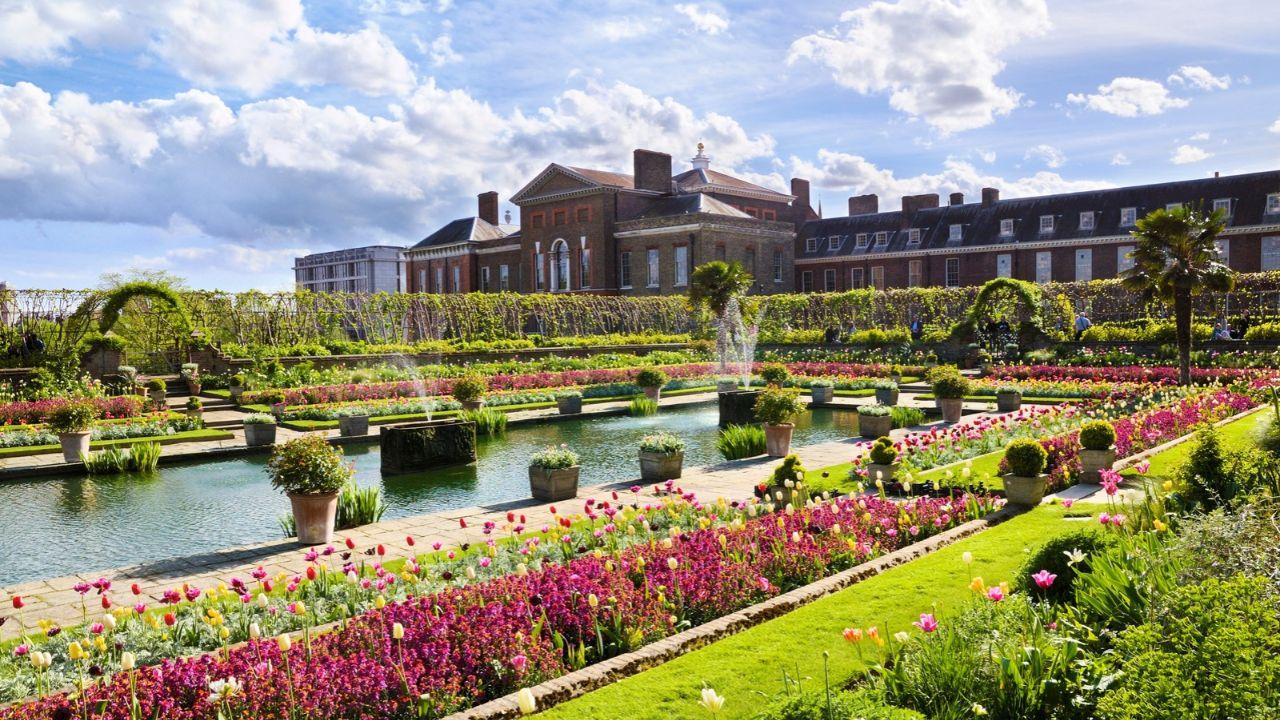
Kensington Palace reportedly features a panic room with air filtration and secure communications.
Kensington Palace has attracted particular attention because of reports the Prince and Princess of Wales had a secure panic room in their former London home, Apartment 1A.
William, 44, and Kate, 44, have since moved to Forest Lodge in Windsor with their children, Prince George, 13, Princess Charlotte, 11, and Prince Louis, eight.
It's been reported the Kensington Palace apartment included a panic room with an air-filtration system, an escape tunnel and equipment intended to protect the family in an emergency.
Facilities have been described including those designed to withstand threats including poison gas, bombs and terrorist attacks, with secure communications, beds, washing equipment and supplies of food and water.

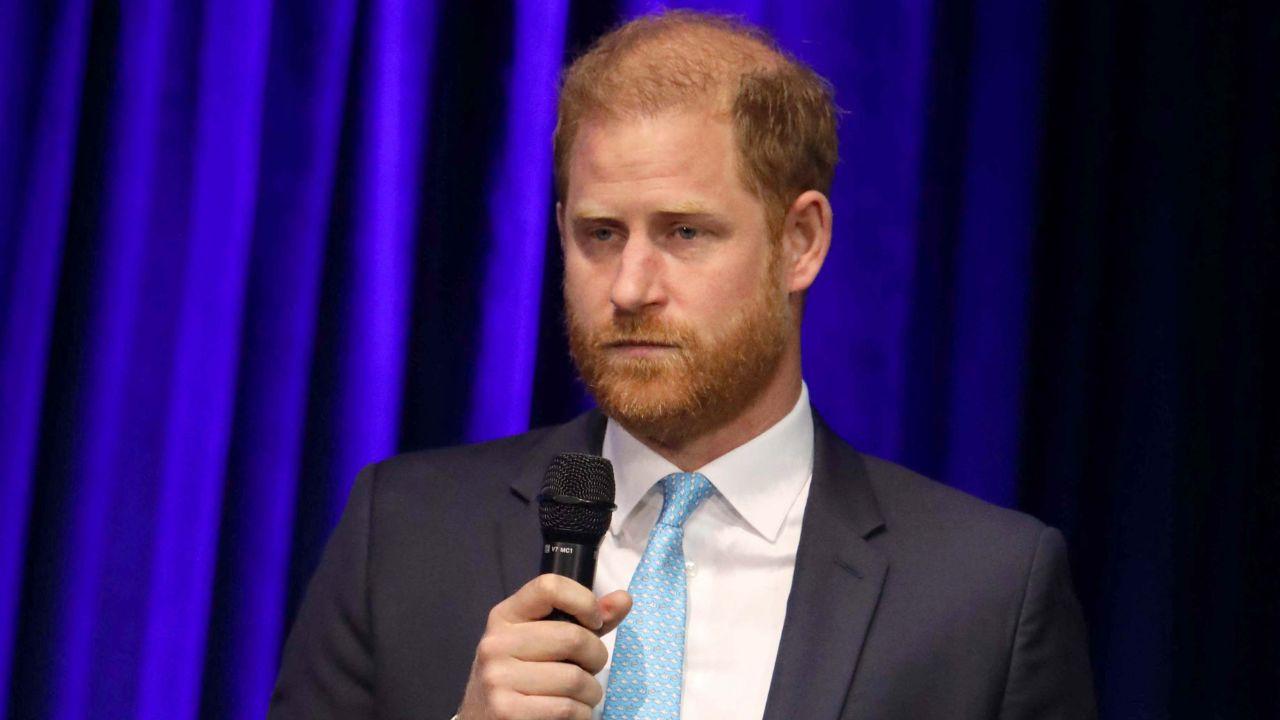
Royal Security Scares Behind Precautions

Never Miss an

Daily updates from the heart of Hollywood, right to your inbox
By entering your email and clicking Sign Up, you’re agreeing to let us send you customized marketing messages about us and our advertising partners. You are also agreeing to our Terms of Service and Privacy Policy.
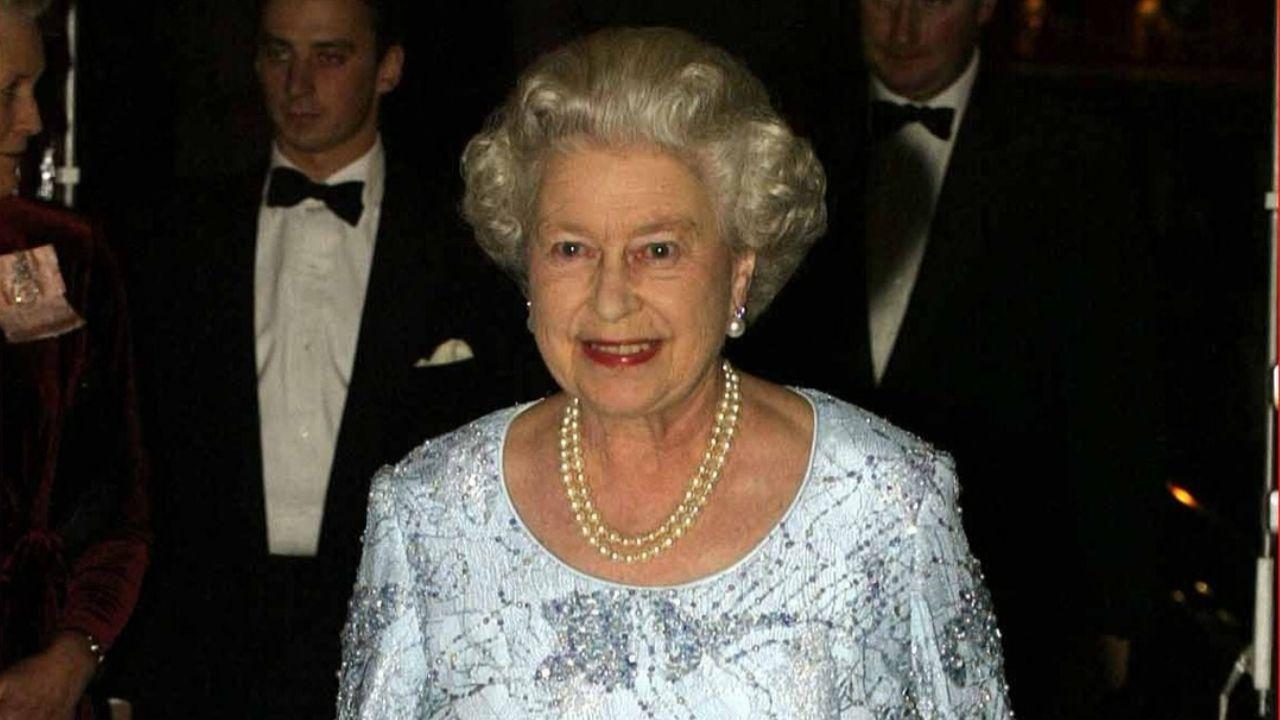
Intruder Michael Fagan breached the Queen's private bedroom in 1982
St James's Palace has also been linked to a more unusual private passage.
Jack Brooksbank, 40, Princess Eugenie's husband, reportedly told of a tunnel said to connect the palace with Dukes Bar in Mayfair.
"There is one to Dukes Bar from St James's Palace," Brooksbank has been quotes saying. "I haven't used it yet, but I'd love to check it out."
The royal family's history is full of security scares that help explain the precautions surrounding its residences.
In 1974, Princess Anne was threatened during an attempted kidnapping when a gunman stopped her car on The Mall, and her bodyguard and others were injured.
And in 1981, a teenager fired six blank shots at Queen Elizabeth II during Trooping the Colour.
A year later, intruder Michael Fagan entered the Queen's bedroom at Buckingham Palace, exposing serious security failures.
Then, in 1992, a devastating fire tore through Windsor Castle, damaging around 100 rooms and requiring a major restoration.
