


RFK Jr. Claims White House 'Pressured' Him to Add Oreo Ice Cream to Food Pyramid — as JD Vance Hints He Was Behind Demand

JD Vance's love of ice cream may have altered the food pyramid.
Oct. 1 2026, Published 7:50 p.m. ET


Robert F. Kennedy Jr. has claimed he felt "pressured" by the White House while constructing his food pyramid, RadarOnline.com can reveal.
Speaking to JD Vance at the MAHA Summit, the Health and Human Services (HHS) Secretary said that he faced "one of the biggest pressure campaigns" to add Oreo ice cream to the top of his food pyramid.
Pressure from JD Vance?

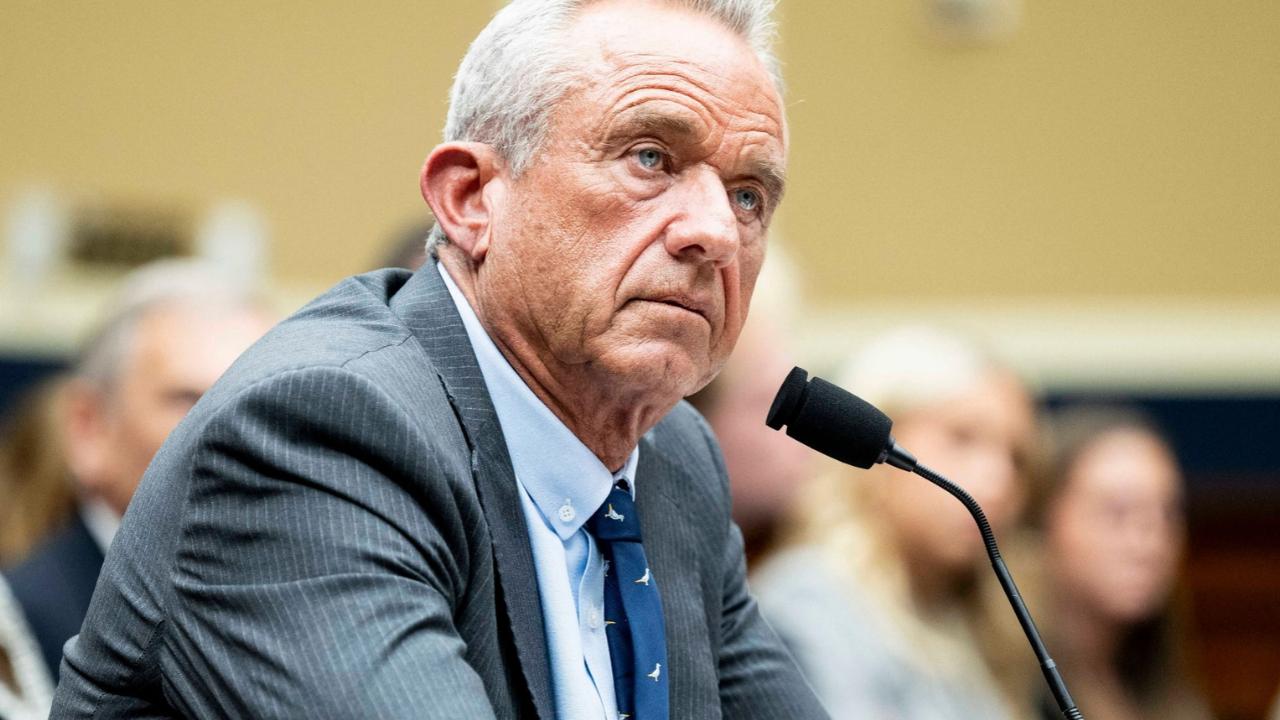
RFK Jr. claimed he felt 'pressured' by the White House over the food pyramid.
RFK Jr. told Vance he was told the pressure came from the Vice President and asked if that was accurate.
Seemingly validating the accusation, Vance discussed his love for ice cream, calling himself "the Brett Kavanaugh" of the dessert. During his September 2018 testimony before the Senate Judiciary Committee regarding sexual assault allegations, the Supreme Court Justice declared, "I liked beer. I still like beer," comments that went viral.
Vance also recalled a phone call he had with the HHS Secretary where he asked him to explain the "health benefits" of getting rid of sugar.
RFK Jr.’s New Food Pyramid
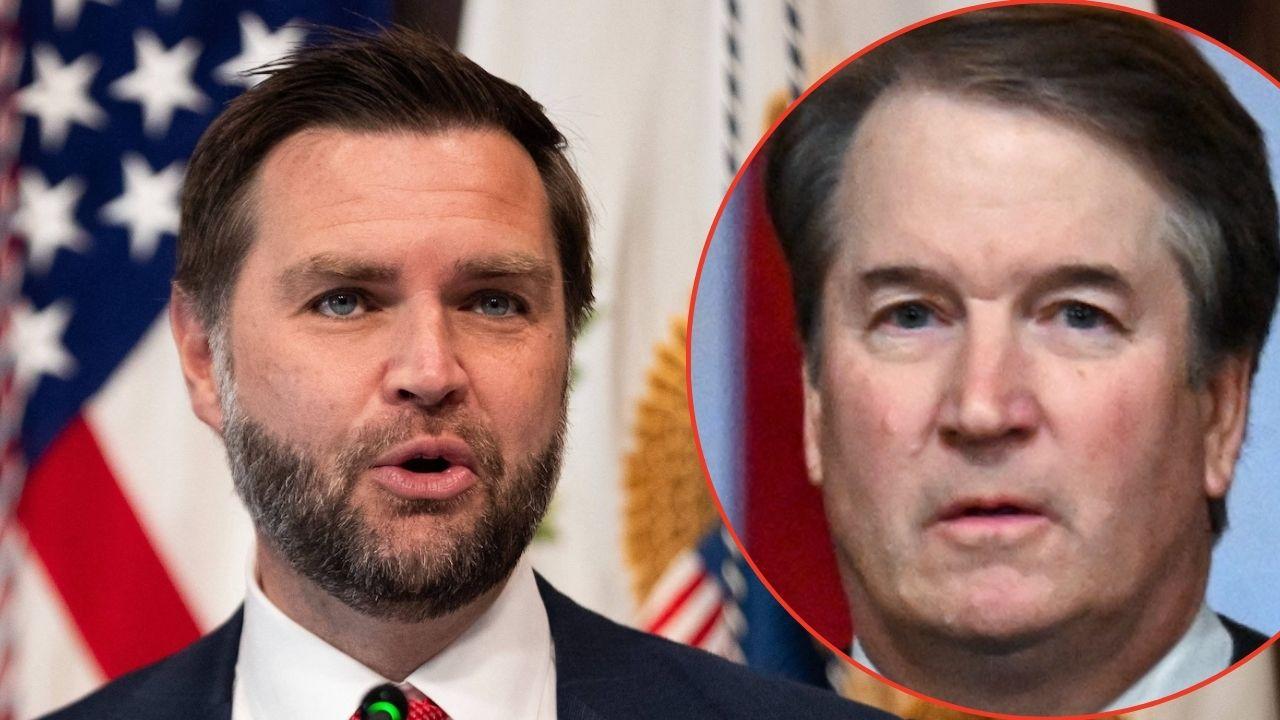
Vance called himself 'the Brett Kavanaugh' of ice cream while speaking to RFK Jr.
In January 2026, RFK Jr. unveiled his redo of the food pyramid, which looked quite different than what Americans are used to.
On top now sits "protein, dairy, and healthy fats" such as red meat, cheese, and whole milk, alongside fruits and vegetables.
"American households must prioritize whole, nutrient-dense foods, protein, dairy, vegetables, fruits, healthy fats, and whole grains, and dramatically reduce highly processed foods. This is how we Make America Healthy Again," RFK Jr. said at the time.
The 72-year-old also said protein should be prioritized at "every meal."
Additionally, the HHS Secretary emphasized the importance of limiting processed foods and added sugars, and eating seafood, nuts, eggs, and similar foods.
Health Groups React
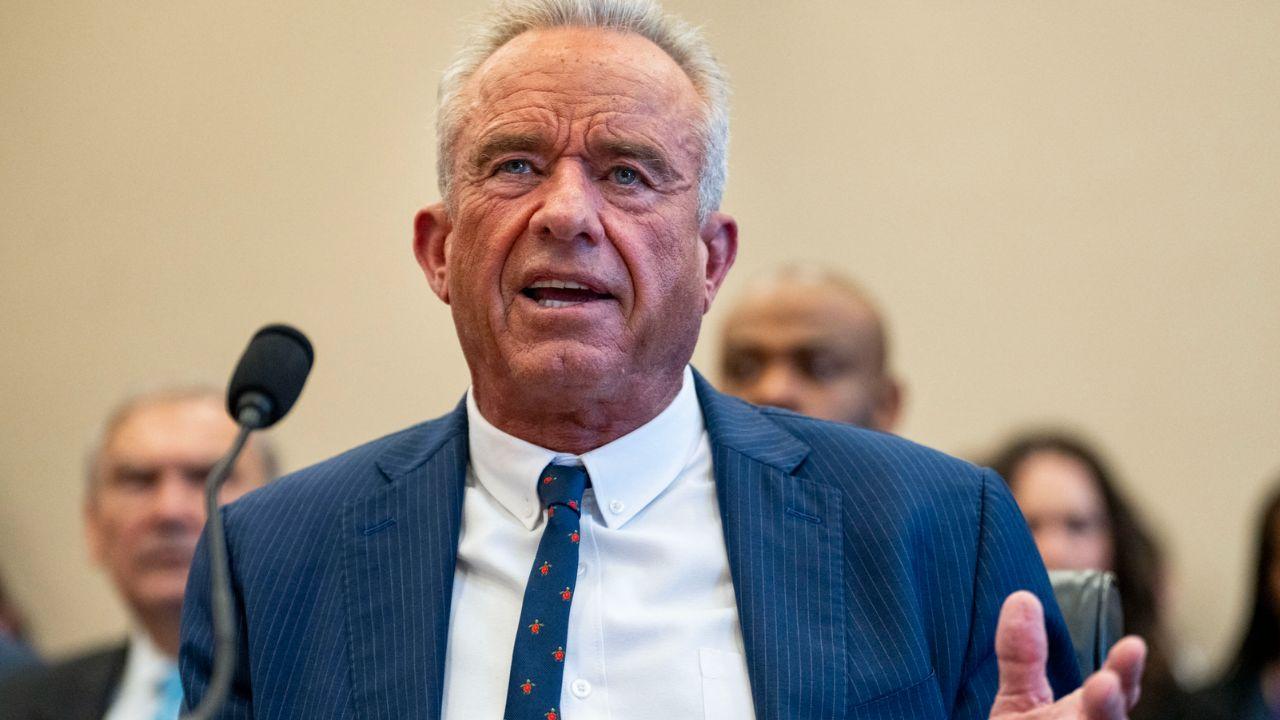
The American Heart Association and other groups reacted to the guidelines.
When the new guidelines were launched, some dietitians and medical groups expressed their thoughts.
The American Heart Association praised the emphasis on increasing intake of fruits, vegetables, and whole grains while limiting processed foods and added sugars.
However, the organization expressed concerns over RFK Jr.'s advice to eat more red meat, salt, and whole-fat dairy. They said this could cause Americans to eat too much sodium and saturated fats, which are "primary drivers of cardiovascular disease."
Additionally, the association recommended fat-free dairy instead of whole-fat dairy for heart health.

Never Miss an

Daily updates from the heart of Hollywood, right to your inbox
By entering your email and clicking Sign Up, you’re agreeing to let us send you customized marketing messages about us and our advertising partners. You are also agreeing to our Terms of Service and Privacy Policy.
Dietitians Speak Out

Dietitians expressed concerns over the emphasis on protein.
Dietitian Dana Angelo White expressed similar thoughts then, saying that the protein guidelines could ''be more than people need" and underemphasize plant-based protein.
The doctor said the guidelines "downplay" harmful effects of sodium, and that the guidelines on consuming fats need more clarity.
Yet White praised the call to eat more vegetables, fruits, and foods with fiber.
