


EXCLUSIVE: Queen Elizabeth's Rules for Her Most Intimate Staff Exposed

Queen Elizabeth had strict rules for those close to her on her staff.
Nov. 15 2026, Published 4:00 p.m. ET


Queen Elizabeth II demanded extraordinary precision from the staff working inside her private quarters, and RadarOnline.com can reveal she dished out strict instructions governing everything from the temperature of her bathwater to the exact moment her morning tea arrived.
The late monarch, who died at age 96 in September 2022 after a 70-year reign, maintained a meticulously organized daily routine at Buckingham Palace.
The Queen's Strict Morning Routine Revealed

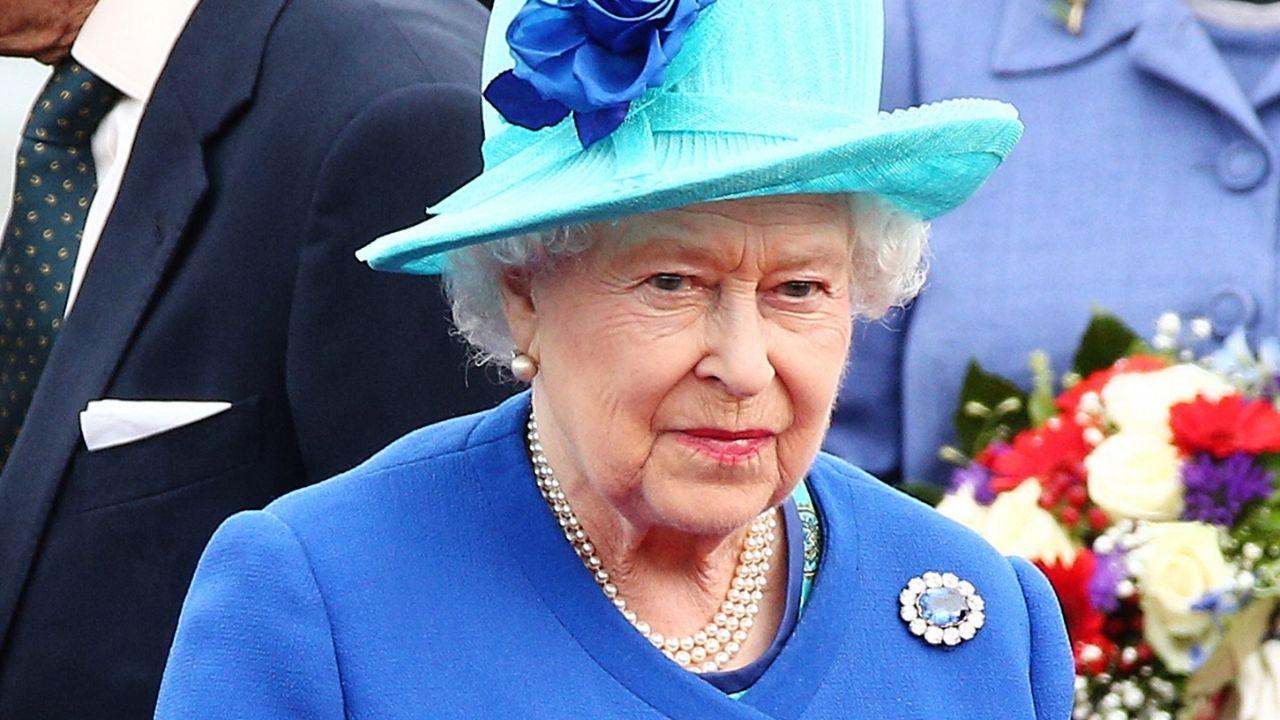
Queen Elizabeth II expected her private staff to follow a strict daily routine.
Details revealed in royal author Giles Brandreth's book, Elizabeth: An Intimate Portrait, describe how dressers, maids, secretaries and other household employees followed carefully established procedures to ensure the Queen's mornings unfolded without disruption.
According to Brandreth, the royal household began its daily preparations at precisely 8 am, when the monarch's dresser entered her bedroom carrying a tray containing Earl Grey tea.
He wrote: "At 8:00 am Her Majesty's Dresser entered the royal bedroom with the 'calling tray' and a pot of Earl Grey tea."
The instructions extended to the Queen's bathing arrangements, which required staff to follow precise measurements rather than relying on personal judgment.
Her bathwater is said to have been ordered to be exactly seven inches deep and maintained at a temperature of 72 degrees Fahrenheit, with employees using a thermometer to ensure accuracy.
Exact Bathwater Rules and Royal Preparations
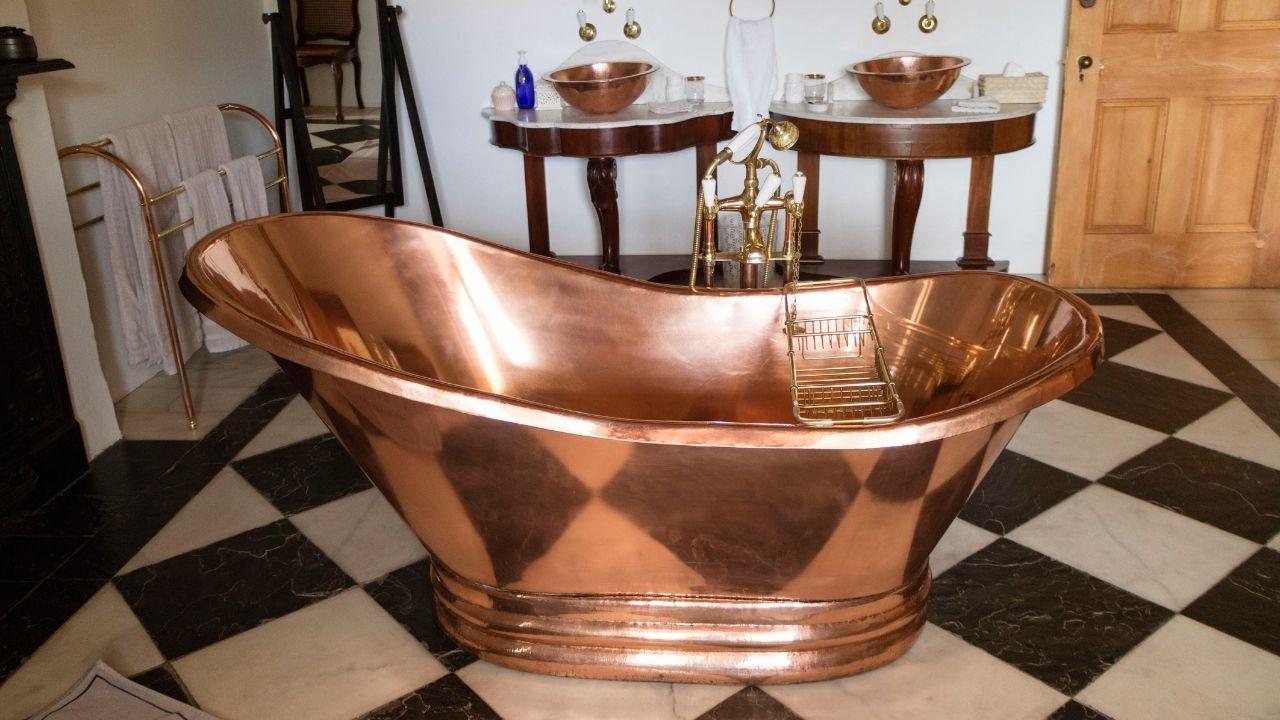
The Queen reportedly required her bathwater to reach seven inches deep.
Brandreth wrote about Elizabeth's morning ritual: "The curtains were drawn, the bath was run (to a depth of seven inches and a temperature of 72˚ Fahrenheit – tested by thermometer, using Imperial measurements to the last), gently the Palace began to stir."
The carefully coordinated preparations reflected Elizabeth's preference for consistency during a reign involving thousands of official engagements and demanding constitutional responsibilities.
By 10 am, her attention would turn from personal preparations to the affairs of state, with her private secretary arriving to discuss correspondence and government documents.
Brandreth explained: "At 10:00 am, the business of the day began: her private secretary appeared; correspondence was considered, state papers noted; if it was a morning for receiving ambassadors or the day of an investiture, Her Majesty studied her briefing material – closely."
Queen's Unexpected Dancing Queen Moments
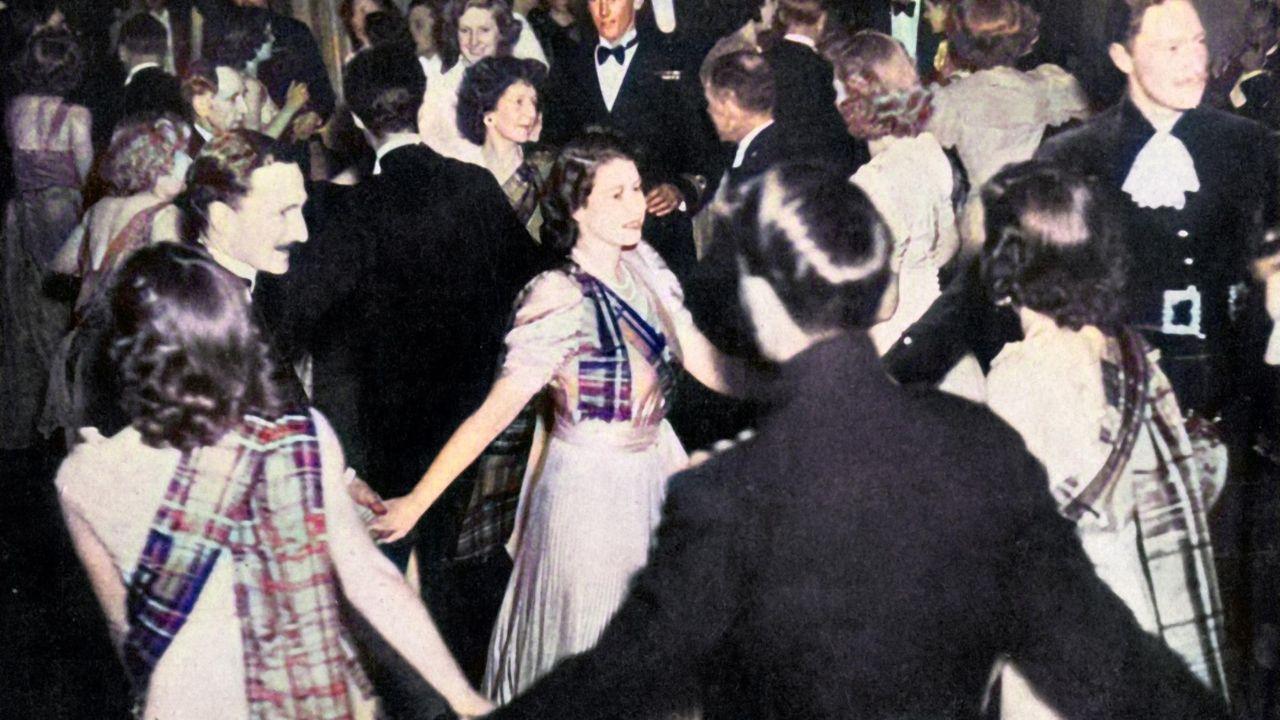
Queen Elizabeth loved singing and dancing to ABBA's 'Dancing Queen.'
Despite the strict organization, the atmosphere inside the Queen's private rooms was not always formal.
Her longtime dresser and confidante Angela Kelly, 68, has described how the monarch occasionally abandoned royal reserve to enjoy music and dancing during their morning preparations.
Kelly revealed Elizabeth particularly enjoyed ABBA's hit Dancing Queen, which sometimes played on BBC Radio 2 while they selected outfits for forthcoming engagements.
Speaking to Vanity Fair, Kelly recalled how the Queen would sway from side to side and sing along while her dresser danced around the room.
She said: "When the song came on, she loved it, and both of us would dance. The queen would move from side to side and sing. Her Majesty loved singing and had a good voice. I didn't."
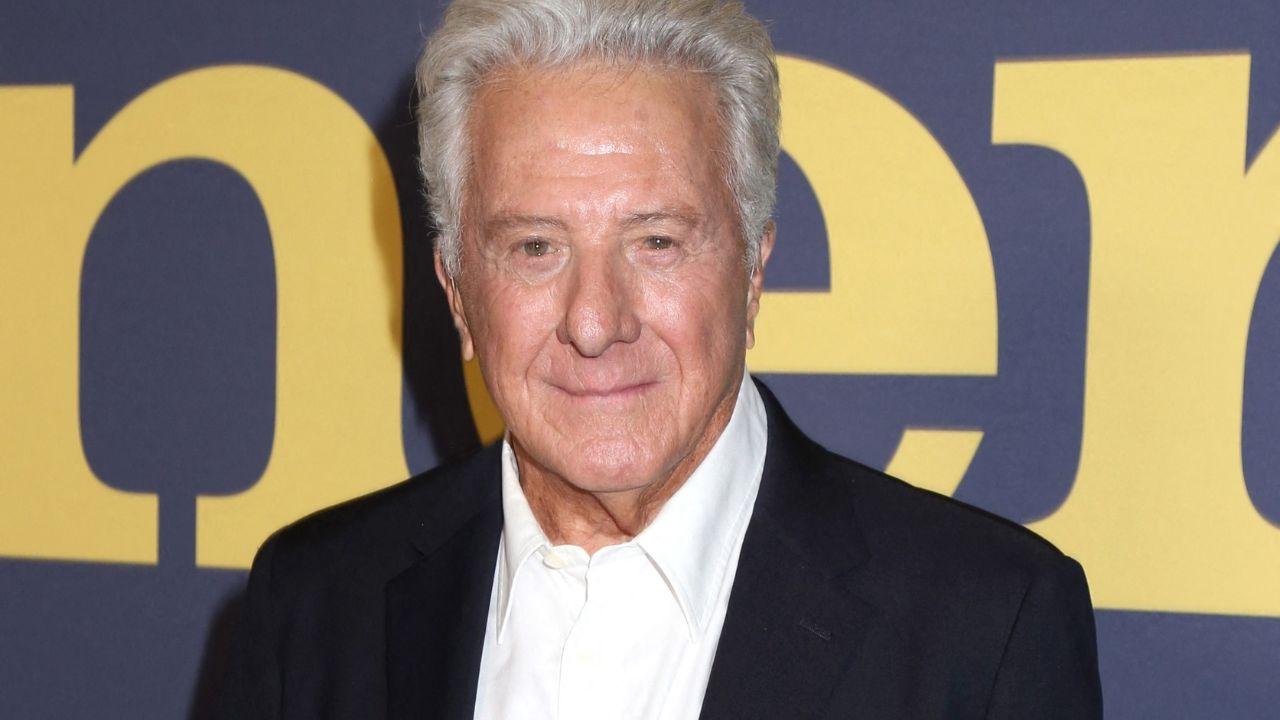
Angela Kelly Recalls Queen's Relaxed Side

Never Miss an

Daily updates from the heart of Hollywood, right to your inbox
By entering your email and clicking Sign Up, you’re agreeing to let us send you customized marketing messages about us and our advertising partners. You are also agreeing to our Terms of Service and Privacy Policy.
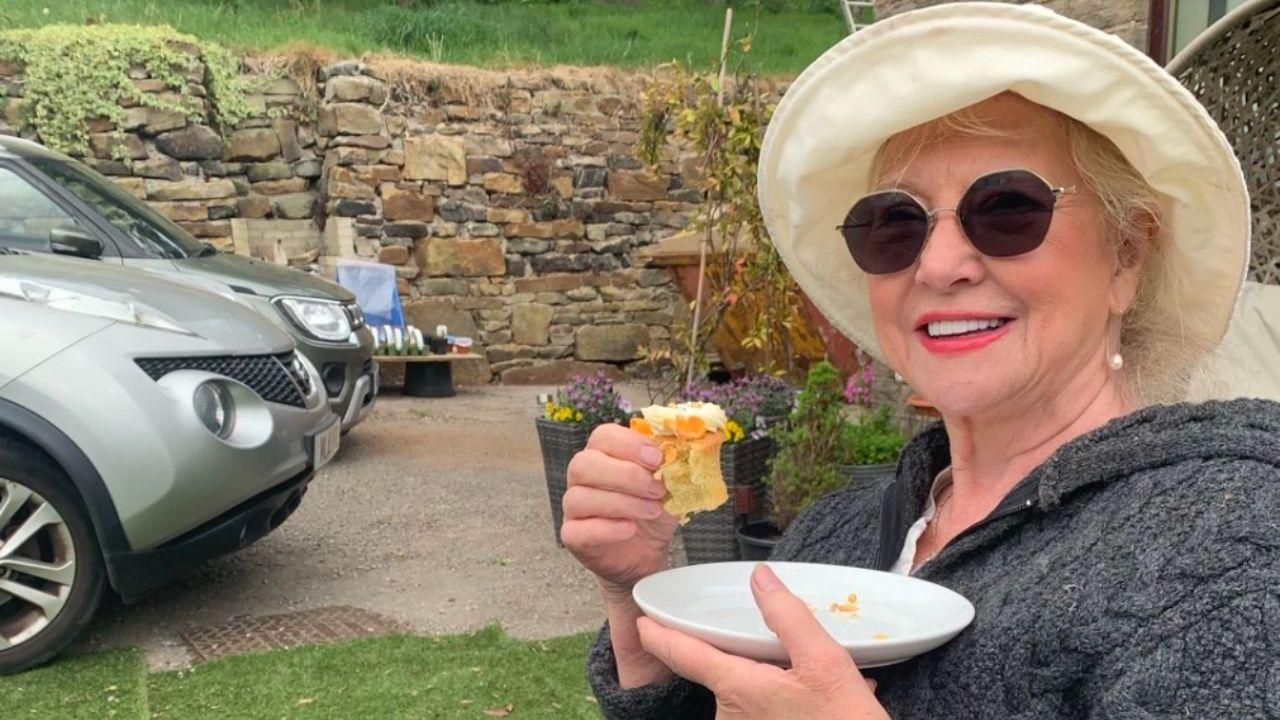
Angela Kelly shared stories about the Queen's relaxed moments behind palace doors.
Their shared amusement sometimes prompted the monarch to intervene when Kelly became particularly enthusiastic.
Kelly said: "I'd get carried away and be dancing all round her like I was at a disco, and the Queen would tell me to 'move over' because I can't sing, and we laughed. They were moments to cherish, to see the queen so relaxed."
Elizabeth became Britain's longest-reigning monarch thanks to her 70-year reign.
Ascending the throne in 1952, she witnessed enormous social and political change, becoming a symbol of continuity and duty. Her legacy encompasses modernization of the monarchy, public service, and enduring international recognition.
