


EXCLUSIVE: Queen Elizabeth's Legacy Being Marred by Shocking Fees She Agreed to Put Through for Favorite Son Andrew's Live-In 'Spiritual Gurus'

Queen Elizabeth had no problem giving her son Andrew money for 'spiritual gurus.'
Dec. 31 2025, Published 7:30 p.m. ET


Ex-Prince Andrew is once again casting a long shadow over the late Queen Elizabeth II's legacy, after revelations she personally approved eye-watering payments to support his indulgent lifestyle – including fees for live-in spiritual gurus at his Windsor mansion, RadarOnline.com can reveal.
The disclosures are detailed in a book by royal author Robert Jobson, raising fresh questions about how far the late Queen went to shield her favorite son, even as scandal engulfed him.
Spiritual Guru Scandal

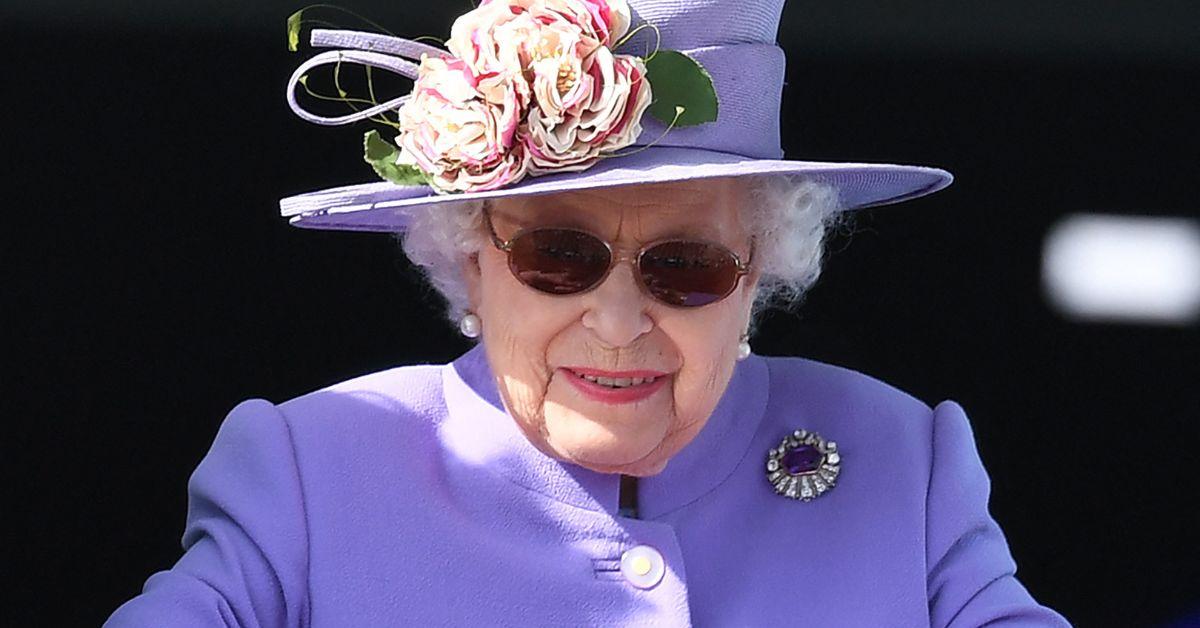
The Queen is said to have approved payments that supported Andrew's indulgent lifestyle.
The claims emerged in The Windsor Legacy, Jobson's examination of the modern monarchy and the difficult inheritance faced by King Charles III, 77, following his mother's death at 96 in 2022.
According to the book, Andrew had asked Charles to fund £32,000 – about $41,000 – for Indian spiritual advisers to stay with him at Royal Lodge.
Charles refused outright. The Queen, however, was said to have previously signed off on similar expenses without hesitation.
Jobson writes Charles was "horrified" when he learned of the request and immediately shut it down, marking a clear break from his mother's approach towards Andrew.
One royal insider also told us the King saw the payments as emblematic of an era he was determined to end.
"There was a growing feeling inside the palace that these kinds of indulgences had been allowed to run on autopilot for years," the source said.
'You Have to Remember, He is My Son'
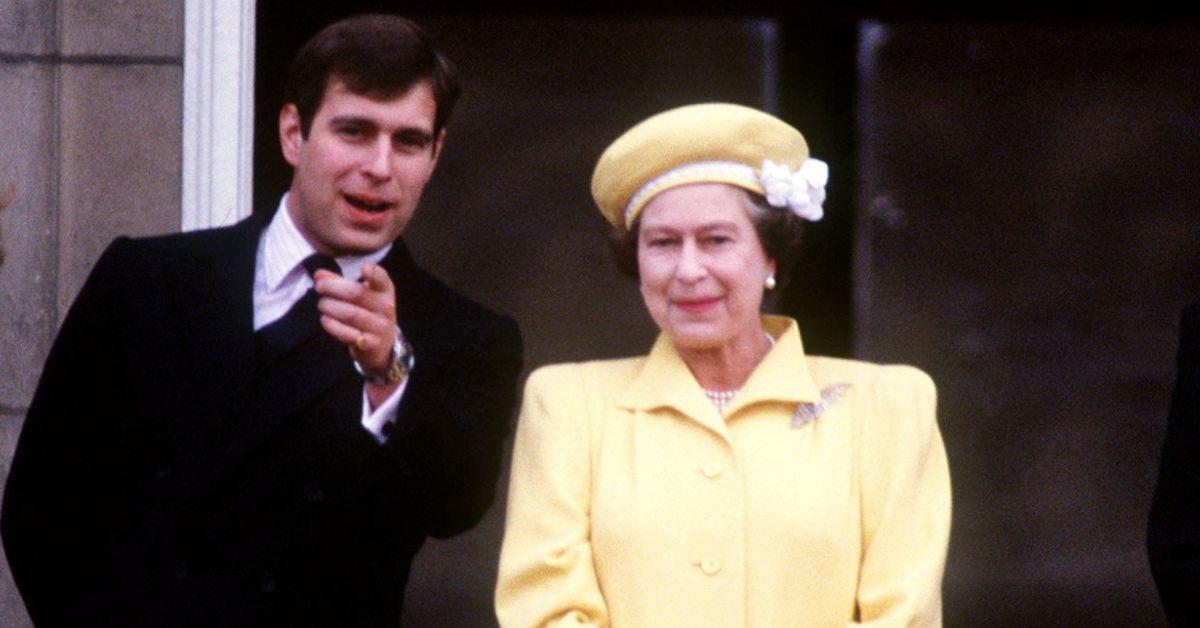
The Queen defended Andrew's comforts even after his disastrous Newsnight interview.
"To Charles, the request was a perfect illustration of what had gone wrong behind the scenes – a system that quietly enabled excess without scrutiny, and one he was determined to reform once he took control."
The Queen's willingness to bankroll Andrew's comforts, even after his disastrous 2019 BBC Newsnight interview and his links to Jeffrey Epstein, is portrayed as deeply personal rather than political.
An insider said she once confided to a trusted aide: "You have to remember, he is my son."
That maternal instinct, sources said, overrode mounting concern about reputational damage to the Crown.
Andrew's lifestyle at Royal Lodge reportedly included not only servants but a revolving cast of aides and wellness figures.
"He grew up in an environment where his comfort was treated as a given and his preferences were met almost automatically," a former palace staffer said.
Princess Eugenie demonstrated devotion through a small but meaningful choice.
"When expenses like this crossed the Queen's desk, the assumption was never whether they were appropriate, but simply how fast they could be signed off and paid."
Charles' accession marked a sharp pivot. Jobson describes the King as swift in cutting off extraordinary expenses for his brother and reassessing how royal resources were being used.
While Andrew has since been stripped by Charles of his royal status due to his links to Epstein, our sources say the true rupture between the brothers came when the financial tap was finally tightened on the shamed ex-duke.
"From Charles' point of view, unchecked generosity was part of what allowed the situation to spiral," claimed a courtier.
"He believes the Queen's instinctive kindness, however well meant, created an environment where Andrew was cushioned from consequences for too long, leaving him unprepared for accountability once that protection fell away."


The Queen Struggled to Have Boundaries

Never Miss an

Daily updates from the heart of Hollywood, right to your inbox
By entering your email and clicking Sign Up, you’re agreeing to let us send you customized marketing messages about us and our advertising partners. You are also agreeing to our Terms of Service and Privacy Policy.
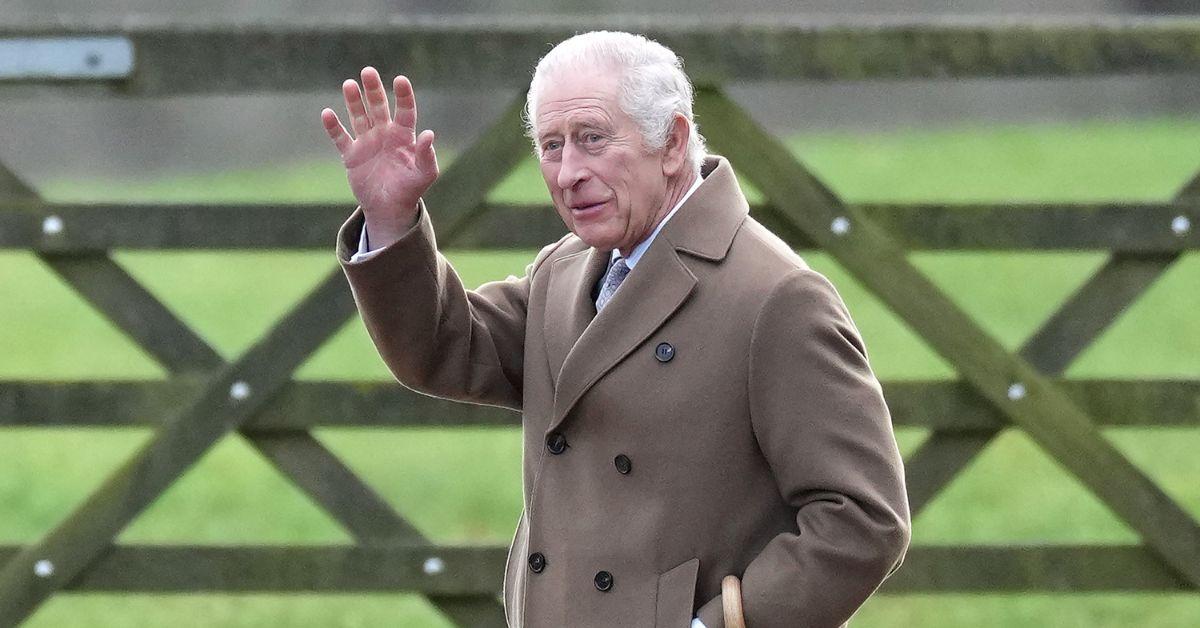
Charles has reassessed royal spending and cut extraordinary expenses for his brother.
The revelations complicate public memory of Elizabeth II, whose reign is widely associated with duty and restraint.
"None of this diminishes her extraordinary achievements," one palace aide said.
"But it does reveal a more human, imperfect side to Elizabeth – a mother who struggled to draw firm boundaries, even as the institutional cost became increasingly obvious. Under Charles's reign, however, that chapter has closed, and the long period of quietly sanctioned indulgence for Andrew is now firmly over."
