


EXCLUSIVE: Inside the Mission to Save Queen Elizabeth's 'Priceless' Bullet-Riddled Rolls-Royce

Queen Elizabeth's Rolls-Royce may get a second chance.
Feb. 27 2026, Published 5:00 p.m. ET


RadarOnline.com can reveal Queen Elizabeth II's bullet-riddled Rolls-Royce Phantom – sprayed with gunfire during Sudan's civil war – is now at the center of an international appeal to restore what Sudanese officials described as a priceless relic of shared history.
The late monarch traveled in the open-top Rolls-Royce Phantom during her 1965 state visit to Sudan, nine years after the country gained independence from Britain in 1956.
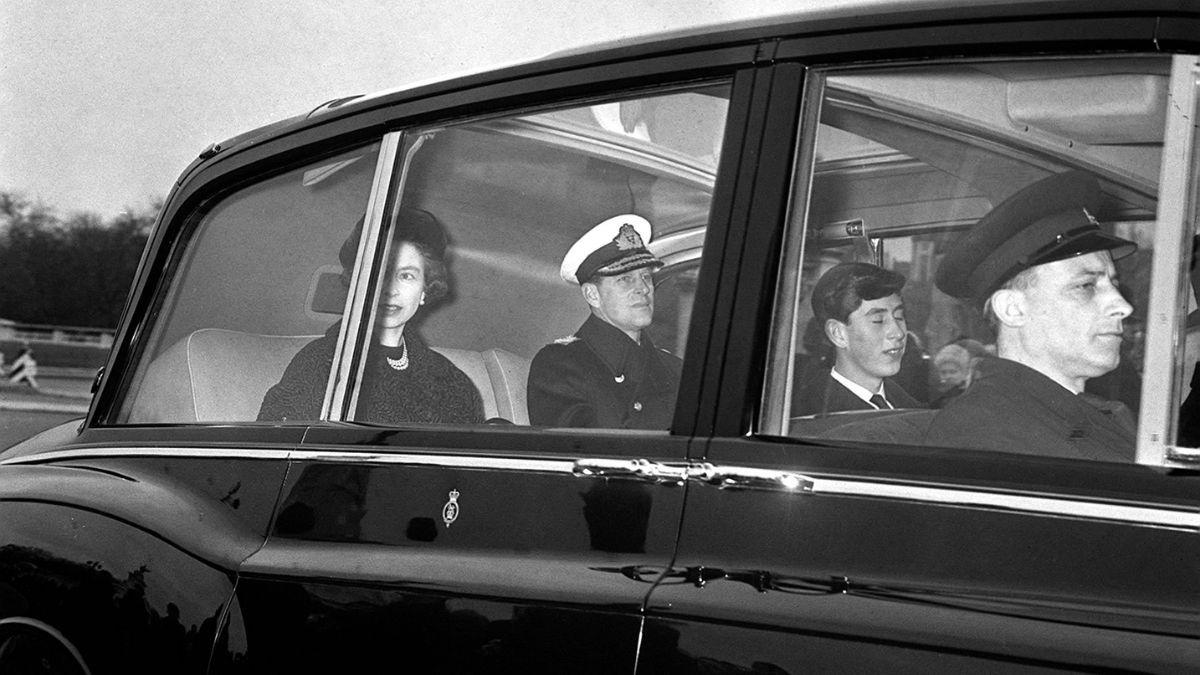
Queen Elizabeth II rode in this open-top Rolls-Royce Phantom during her 1965 state visit to Sudan.

Her visit, which included appearances at a camel race and tribal dance ceremonies alongside Prince Philip, was captured on British Pathé newsreels and marked a significant diplomatic moment between the two nations.
The vehicle was later preserved within the compound of Khartoum's Republican Palace, the seat of government, as part of a historic presidential car collection.
That compound became an epicenter of fighting when civil war erupted in 2023 between forces loyal to Gen Abdel Fattah al-Burhan and the Rapid Support Forces, a paramilitary unit led by Muhammad Dagalo.
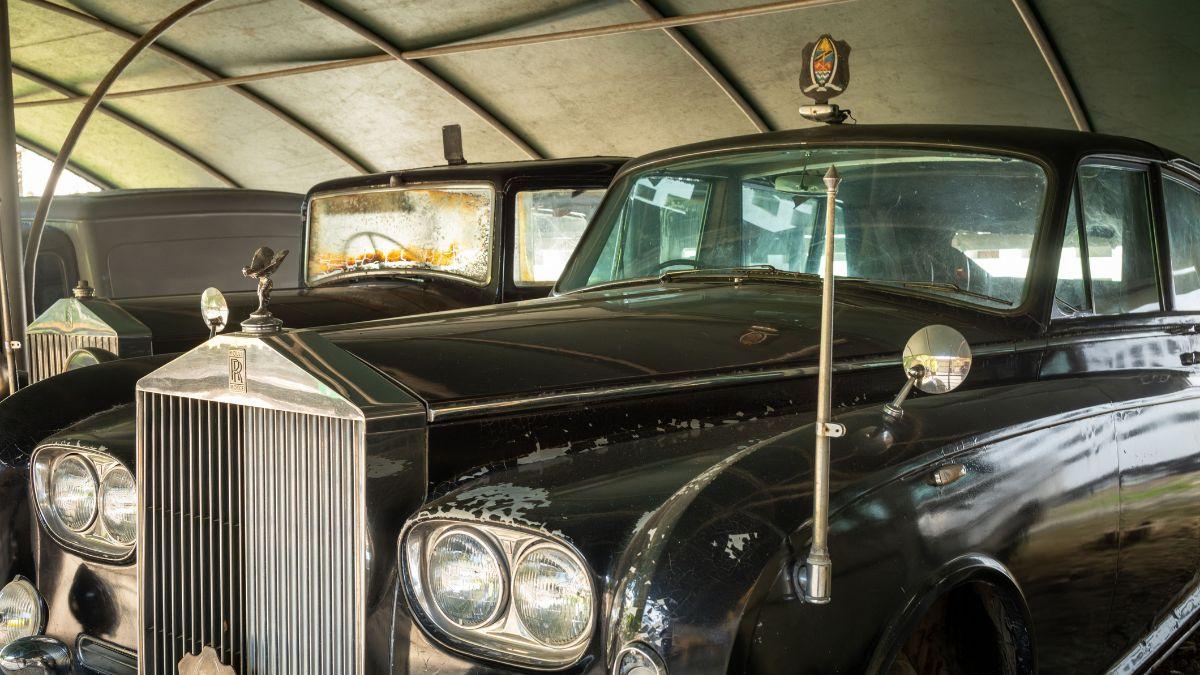
During two years of occupation by R.S.F. rebels, cultural institutions across central Khartoum were vandalized and looted. The Rolls-Royce did not escape damage – its bodywork scarred by gunfire and its iconic Spirit of Ecstasy hood ornament either shot off or torn away, apparently for scrap metal.
Sudan Appeals to British Car Experts for Help
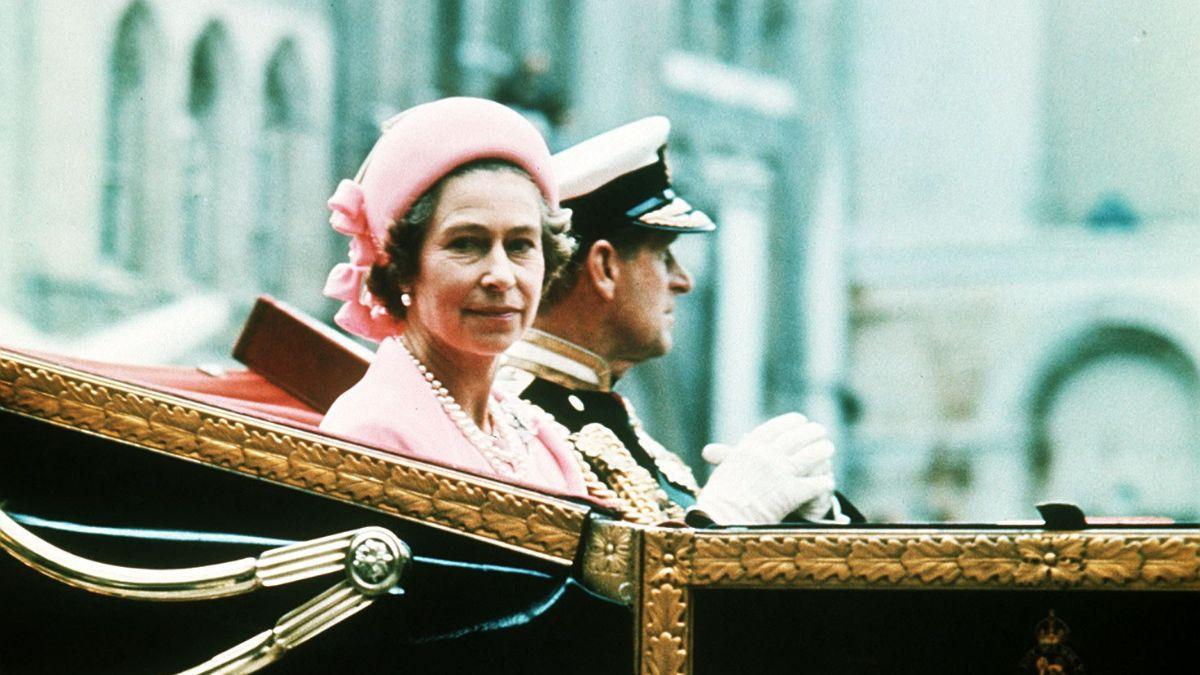
The Republican Palace served as the car's home before civil war broke out in 2023.
Khalid Ali Aleisir, Sudan's minister for information, has now issued a public appeal to British car enthusiasts.
He said: "If there are any people in Britain who keep antique cars, or have the expertise and want to help repair this part of our past, I invite them to come and help."
The Phantom had been housed alongside other historic limousines used by Sudanese leaders, including El-Tigani el-Mahi, who welcomed Elizabeth II and rode with her during the 1965 procession through Khartoum.
Abdelnaser Hassan, director of the Palace Museum, has shown off the damage inflicted by what he described as "rubbish people" armed with machine guns.
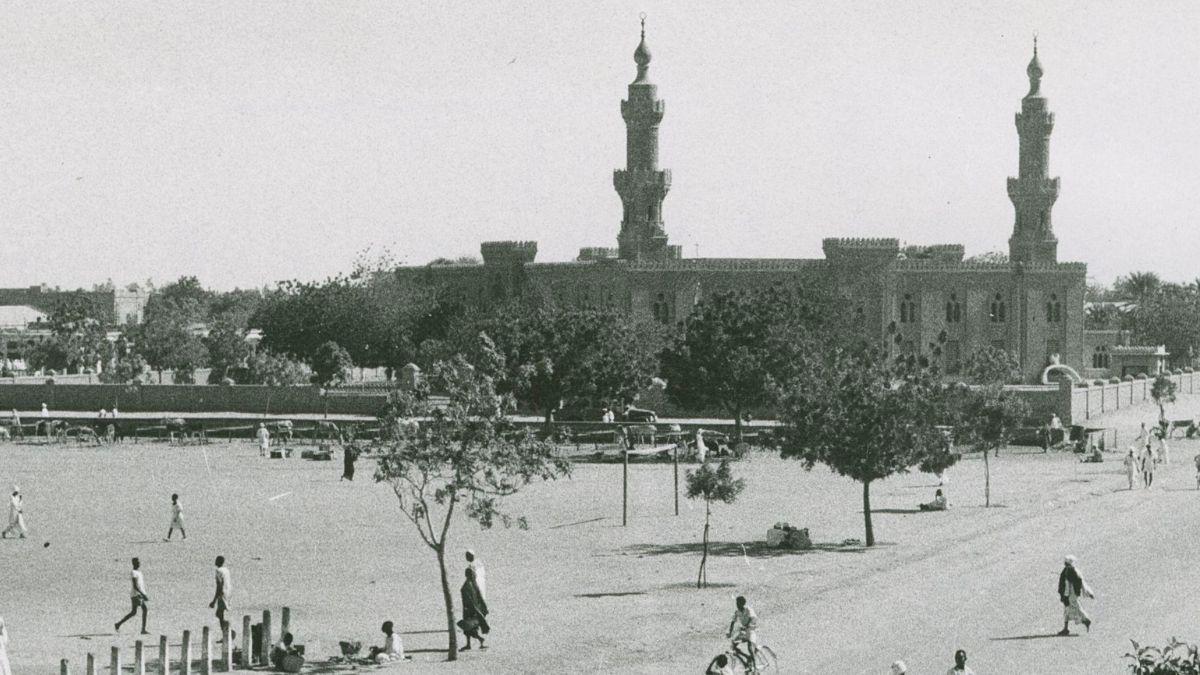
Gunfire scarred the historic vehicle’s bodywork during the battle for the capital.
Sudanese ministers returned to the devastated capital in January 2025 after loyalist forces regained control.
The United Nations has estimated rebuilding Khartoum will cost at least $350million, with additional tens of millions of dollars likely required to restore cultural landmarks.
More than 150,000 people have died in the conflict, and both sides have been accused by the U.N. of "large-scale human rights and international humanitarian law violations."
Restoration Seen as Symbol of Dignity and Memory

Never Miss an

Daily updates from the heart of Hollywood, right to your inbox
By entering your email and clicking Sign Up, you’re agreeing to let us send you customized marketing messages about us and our advertising partners. You are also agreeing to our Terms of Service and Privacy Policy.
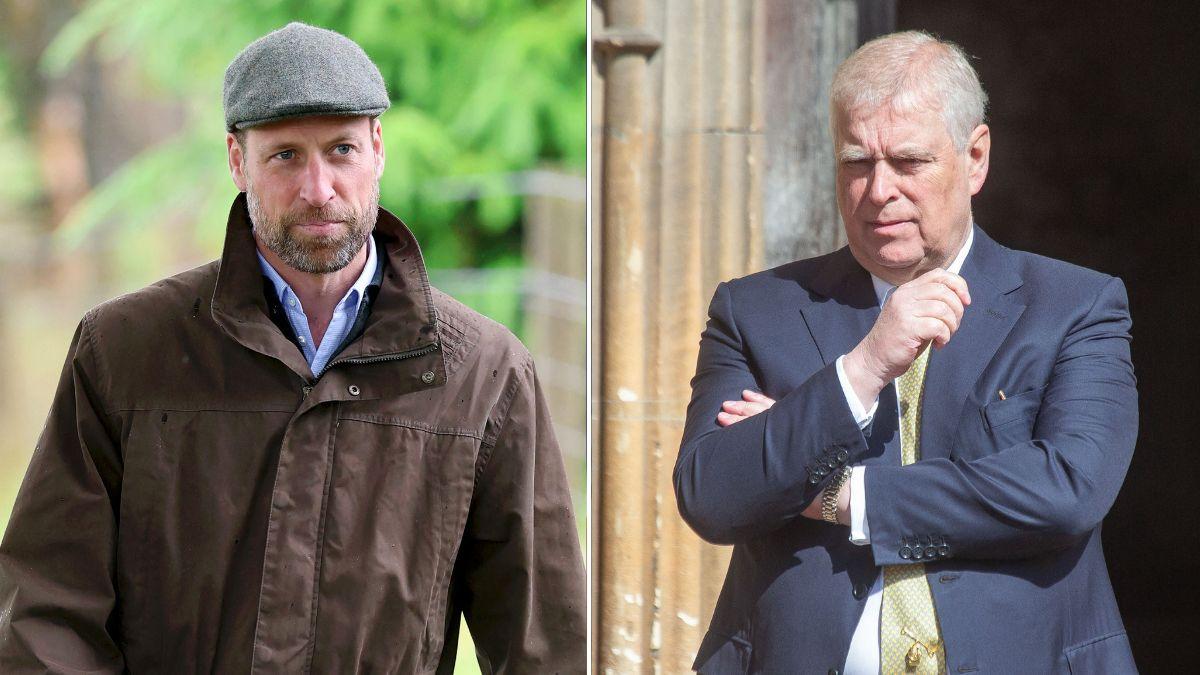

Minister Khalid Ali Aleisir invited British car enthusiasts to help restore the 'priceless relic.'
A government source said the restoration of the Rolls-Royce is viewed as symbolic.
"It represents a chapter of Sudan's history that connects us to the wider world. Repairing it is about dignity and memory, not nostalgia," the insider added.
Officials hope the U.K.'s Department for Culture, Media and Sport, through the British Council's Cultural Protection Fund, might assist. The fund has previously supported restoration projects in Sudan, including a mosque in Suakin and a community-led peace garden in Kassala, aimed at sustaining cultural life amid displacement.
It remains uncertain whether support would extend to sites more closely linked to the current administration, such as the Old Republican Palace on the Nile. The palace stands on ground steeped in colonial history – the site where Gen Charles George Gordon was killed in 1885 before Sudan was reconquered by British forces under Lord Kitchener in 1898.
The National Museum and Ethnographic Museum were also damaged in the conflict, with thousands of artefacts reportedly looted and sold on the black market.
For Sudanese officials, however, the immediate task is more mechanical. Without access to specialist parts or restoration expertise domestically, they are looking to British collectors and engineers to help revive the Queen's Phantom – with its bullet holes a stark reminder of a war that scarred both a capital city and a fragment of royal history.
