


EXCLUSIVE: Princess Catherine's 'Unbreakable' Food and Drink Rules Revealed — Including Surprisingly Ordinary Ingredients She's Banned From Consuming

Princess Catherine Middleton's strict food and drink rules has been revealed.
June 27 2026, Published 6:00 p.m. ET


Princess Catherine follows a surprisingly strict set of food and drink rules behind palace walls, with the future queen avoiding everything from shellfish and raw meat to garlic, onions and even tap water while carrying out royal duties.
RadarOnline.com can reveal the 44-year-old Princess of Wales, formerly Kate Middleton, maintains a carefully managed diet shaped by a combination of royal protocol, health precautions and the demands of an intense schedule of public engagements at home and abroad.
Kate's Surprising Food Rules

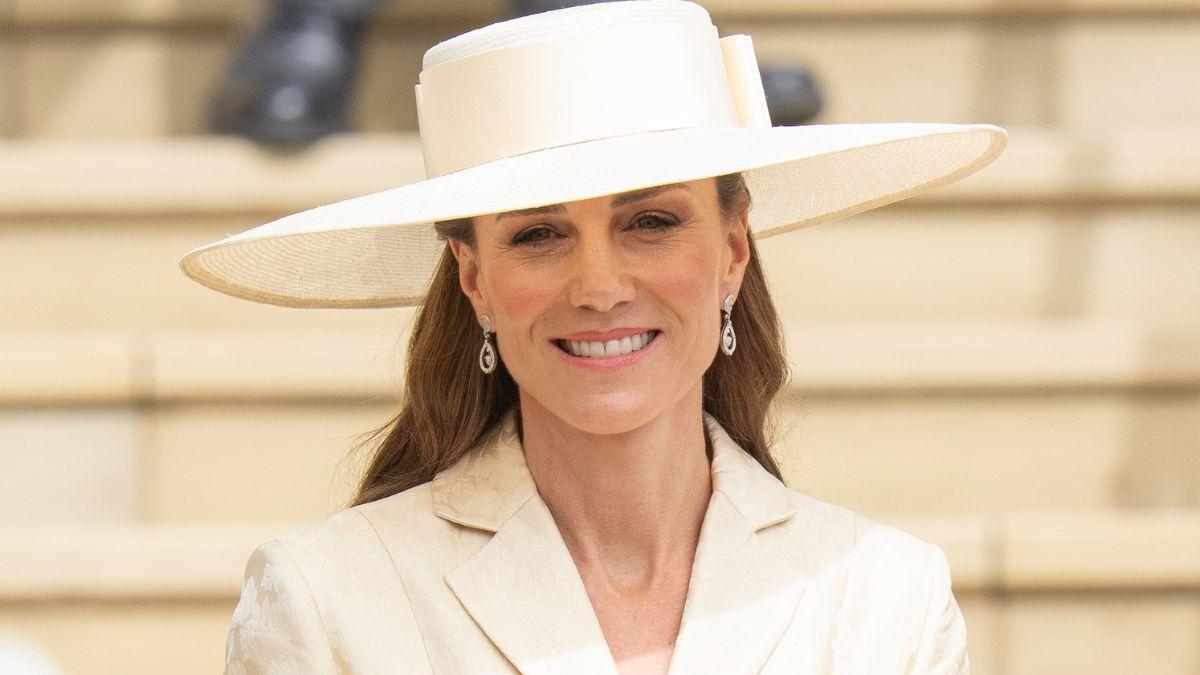
Dietary rules helped the princess manage her intense schedule.
As the wife of Prince William, 43, and mother to Prince George, 12, Princess Charlotte, 11, and Prince Louis, seven, Catherine regularly undertakes official visits and overseas tours, where even a minor illness could disrupt carefully planned events.
As a result, a number of foods and drinks are effectively off limits.
A royal source told us: "There's a common misconception that royal eating habits are driven by extravagance or outdated palace traditions, but the reality is far more grounded. For Catherine, most of these dietary rules are about practicality rather than privilege. Her schedule is packed with engagements, public appearances, international tours and meetings, so maintaining her health is absolutely essential.
"She simply can't afford to be sidelined by something as avoidable as food poisoning or a stomach bug picked up while traveling. Every aspect of what she eats is considered through the lens of staying well, maintaining energy levels and ensuring she can carry out her duties without interruption.
"Many of the foods she avoids are not forbidden because she dislikes them, but because they present unnecessary risks. Whether it's steering clear of shellfish while overseas, avoiding ingredients that could cause discomfort before a major event, or following long-established royal travel precautions, these habits have become deeply ingrained over the years.
"At this point, it's second nature to her. She doesn't see them as restrictions. They're simply sensible routines that help her manage an incredibly demanding public role while protecting both her health and her ability to represent the Royal Family effectively."
Why Shellfish Is Off Limits
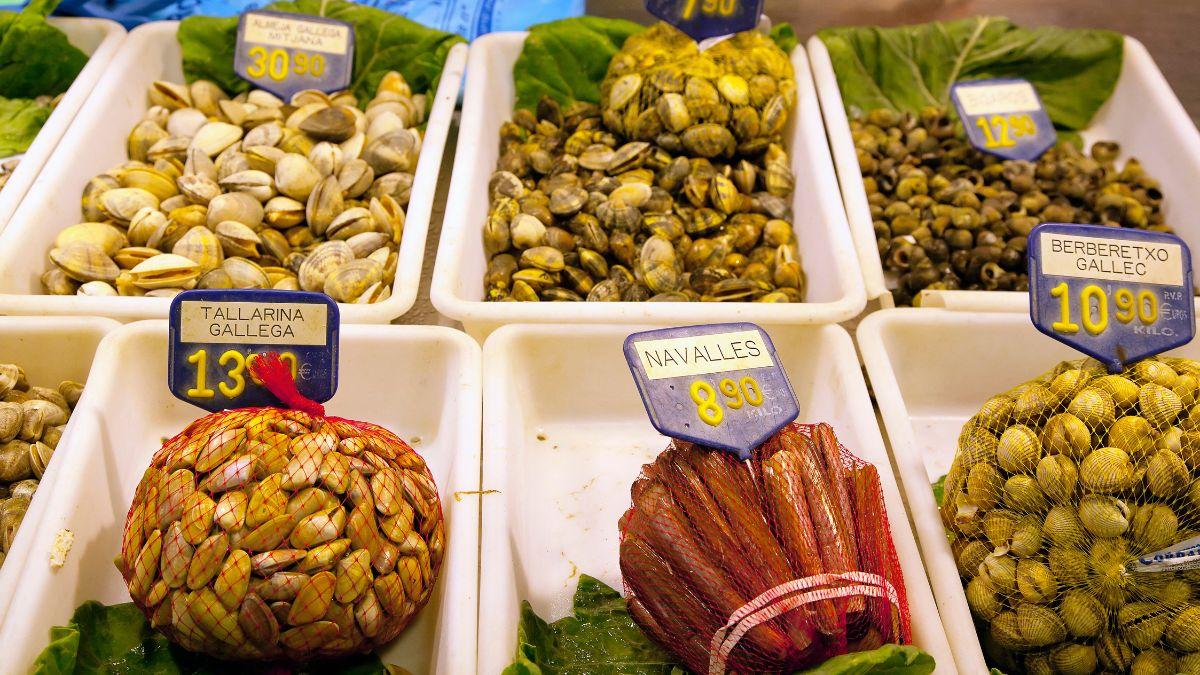
Princess Catherine avoided shellfish and raw meat to prevent illness.
The insider added: "People would probably be surprised by how ordinary some of these rules are. They're less about being royal and more about being professional. Catherine approaches food in much the same way an elite athlete might approach nutrition. She understands that when your diary is planned months in advance and every appearance is scrutinized around the world, staying healthy isn't just a personal matter – it's part of the job."
Among the foods most commonly avoided by Catherine is shellfish, which carries a higher risk of foodborne illness than many other dishes.
Former royal butler Grant Harrold explained the rationale behind the restriction.
He said: "When dining, the Royal Family has to be careful with shellfish due to shellfish poisoning. You will not normally find this on the royal menu."
Raw or rare meat is also generally avoided for similar reasons, with royal aides reportedly keen to minimize any possibility of illness during busy periods of official engagements.
Another source familiar with royal travel arrangements said: "When you're dealing with a schedule as demanding as Catherine's, there is virtually no margin for error when it comes to health. Official tours, diplomatic engagements and public appearances are planned months in advance, often involving extensive travel and tightly coordinated timetables. If a senior royal becomes ill, it can have a ripple effect across an entire program of events.
The Royal Foods She Avoids
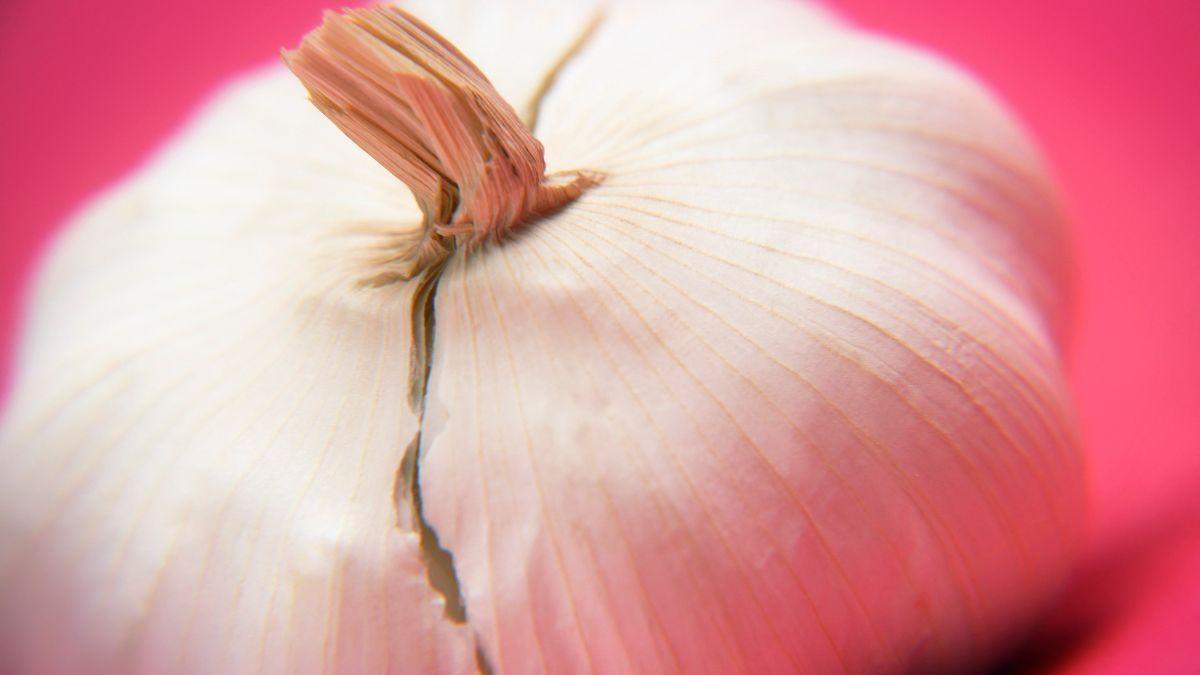
Queen Camilla acknowledged the practice of avoiding garlic.
"That's why there is such a cautious approach to food, particularly in the days leading up to major engagements. Anything that carries even a relatively small chance of causing food poisoning, stomach issues or digestive discomfort is carefully assessed and, in many cases, avoided altogether. The thinking is simple – why take an unnecessary risk when there are so many responsibilities depending on you being fit and well?
"It's not about being overly restrictive or living under constant rules. It's about minimizing avoidable problems. Catherine has obligations that require her to be meeting people, speaking publicly and traveling extensively, so maintaining her health is viewed as an important part of the role."
The insider added: "Most people can take a sick day if they're feeling unwell. For a senior member of the Royal Family, it's far more complicated than that. There are security arrangements, diplomatic considerations, media commitments and thousands of people who may have spent months preparing for a visit. That's why precautionary measures, even seemingly small ones involving food and drink, are taken very seriously behind the scenes."
Garlic and raw onions are also said to be largely absent from Catherine's diet when she is undertaking public engagements.
The restriction stems from concerns over lingering breath odors during meetings and official receptions.
Queen Camilla, 78, acknowledged the practice during an appearance on MasterChef Australia when she said: "Garlic is a no-no…You always have to lay off the garlic."
Catherine is also prevented from eating foie gras at royal residences following a long-standing policy introduced by King Charles, 77.
The luxury dish, made from the liver of force-fed ducks or geese, was effectively removed from royal menus because of concerns about animal welfare.
Spicy food occupies a more complicated place in Catherine's diet.
While heavily spiced meals are often avoided during official tours because they can trigger digestive discomfort, the princess has previously revealed she enjoys heat when cooking at home.
Speaking in 2019, she said: "It's so hard cooking curry with the family… the children have a portion with no spice, (William's) is medium. And I quite like it hot. Charlotte is pretty good with heat."


The Water Rule That Matters Most

Never Miss an

Daily updates from the heart of Hollywood, right to your inbox
By entering your email and clicking Sign Up, you’re agreeing to let us send you customized marketing messages about us and our advertising partners. You are also agreeing to our Terms of Service and Privacy Policy.
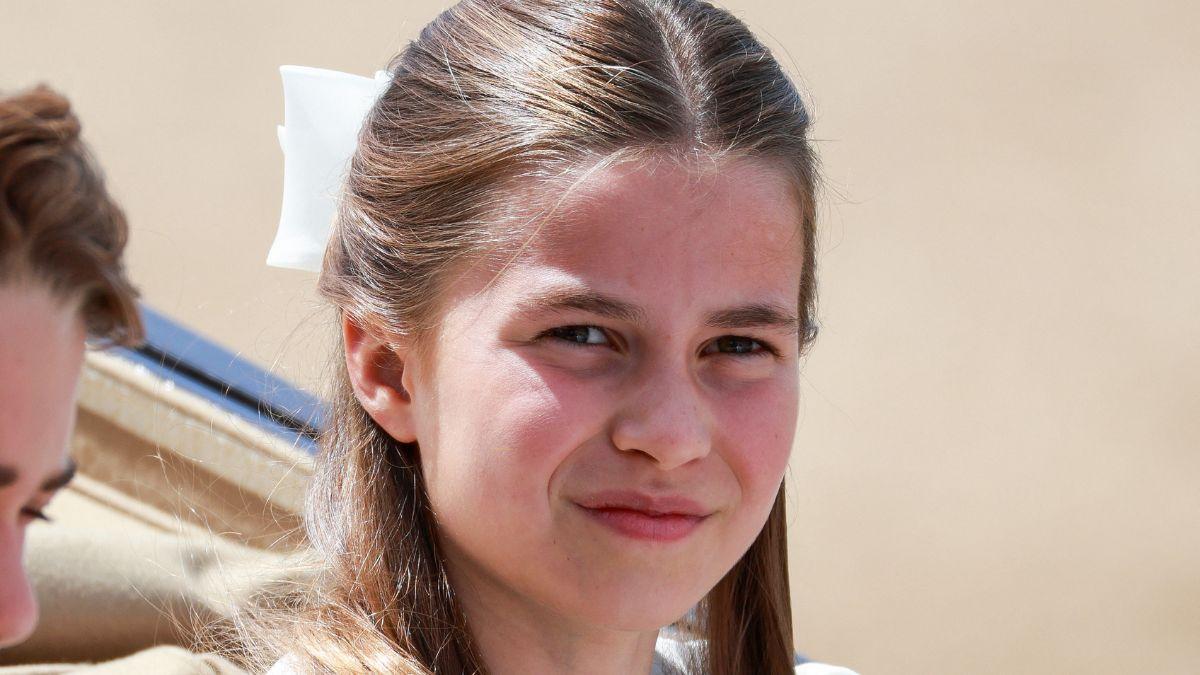
Princess Charlotte handled spicy food well at home.
The royal family's gift policy also places limits on what Catherine can accept from members of the public.
Gifts worth more than $198 are prohibited, including food products, although smaller consumable items can be accepted under certain circumstances.
Perhaps the most surprising restriction concerns water.
While traveling overseas, Catherine is understood to avoid drinking tap water because of concerns over bacteria, contaminants or unfamiliar mineral content.
A royal household source said: "It might seem like one of the most mundane aspects of overseas travel, but water is actually something that receives a surprising amount of attention when senior royals are abroad. When you're visiting multiple countries, often within a short period of time, you have to account for different water systems, varying sanitation standards and the possibility of contaminants or bacteria that visitors may not be accustomed to.
"For that reason, bottled water is generally regarded as the safest and most practical option. It's not about luxury or preference – it's about eliminating an unnecessary variable. The last thing anyone wants is for an important overseas visit to be disrupted by an illness that could have been prevented with a simple precaution.
"Members of the Royal Family often undertake demanding schedules involving long flights, public engagements, meetings with dignitaries and appearances before large crowds.
"Maintaining good health throughout those trips is essential, and something as seemingly ordinary as drinking water becomes part of a much broader strategy designed to minimize risk."
The insider added: "People tend to focus on the grand ceremonial aspects of royal tours, but behind the scenes there is an enormous amount of planning dedicated to health and logistics.
"Decisions about food and drink are made with the same mindset as security arrangements or travel planning – they're small details that help ensure everything runs smoothly. Choosing bottled water is one of the simplest and most effective ways of reducing the chances of illness while traveling around the world."
