


EXCLUSIVE: Prince Philip Death Mystery Erupts Over 'Unbelievable' Claim He Secretly Lived With Pancreatic Cancer for 8 Years

A new theory suggests Prince Philip lived with pancreatic cancer.
April 3 2026, Published 7:30 p.m. ET


RadarOnline.com can reveal Prince Philip has become the center of renewed medical debate after shock claims he managed to live for eight years with deadly pancreatic cancer, with experts questioning how such survival could align with typical outcomes for the disease.
The late Duke of Edinburgh, who died aged 99 in 2021, is said to have been diagnosed with inoperable pancreatic cancer years before his death, according to royal historian Hugo Vickers.
Rare Eight-Year Cancer Survival Sparks Medical Skepticism

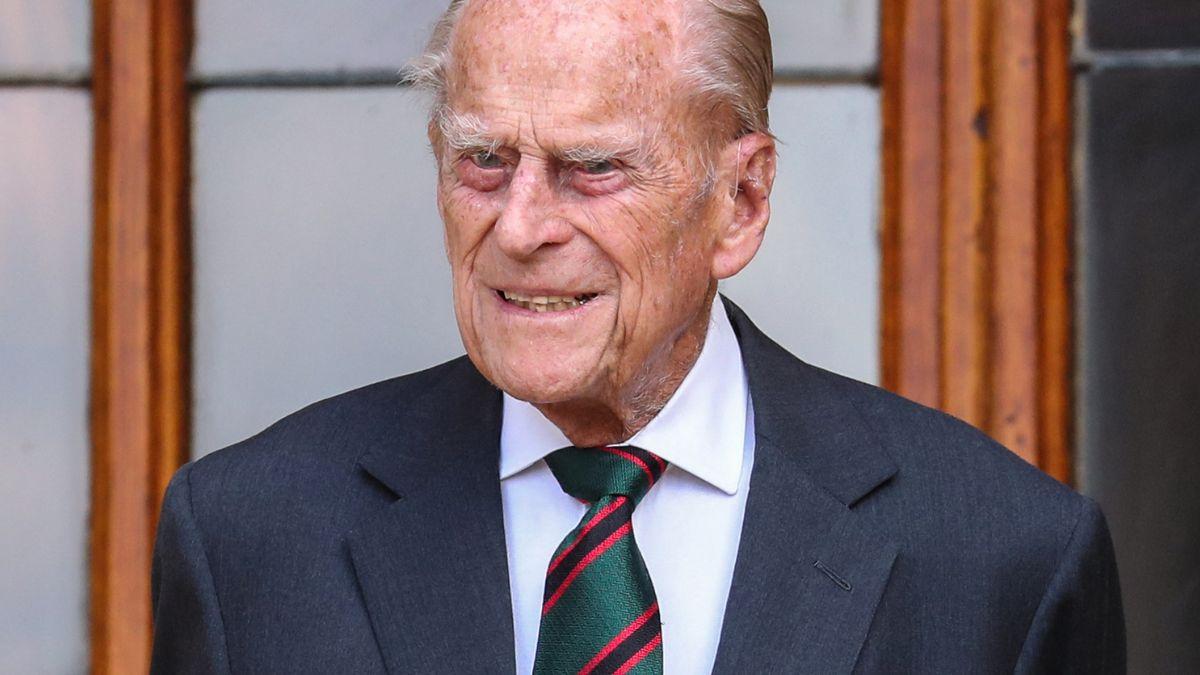
Author Hugo Vickers has claimed the Duke lived with the disease for eight years.
The claim, in Vickers' latest royal book, has drawn widespread attention, given the notoriously poor prognosis associated with most pancreatic cancers.
Medical specialists note survival beyond a year is uncommon in standard cases, prompting speculation that the diagnosis may have involved a rarer, slower-growing form of the disease.
A medical expert familiar with pancreatic cancer outcomes told us: "An eight-year survival in what is described as inoperable pancreatic cancer would be considered highly unusual – it immediately raises questions about the specific type of tumor involved and whether it behaved differently from the most common forms."
Another specialist added: "When you see survival on that scale, clinicians would typically consider whether it was a less aggressive subtype, rather than the more typical and fast-progressing cancers associated with the pancreas."
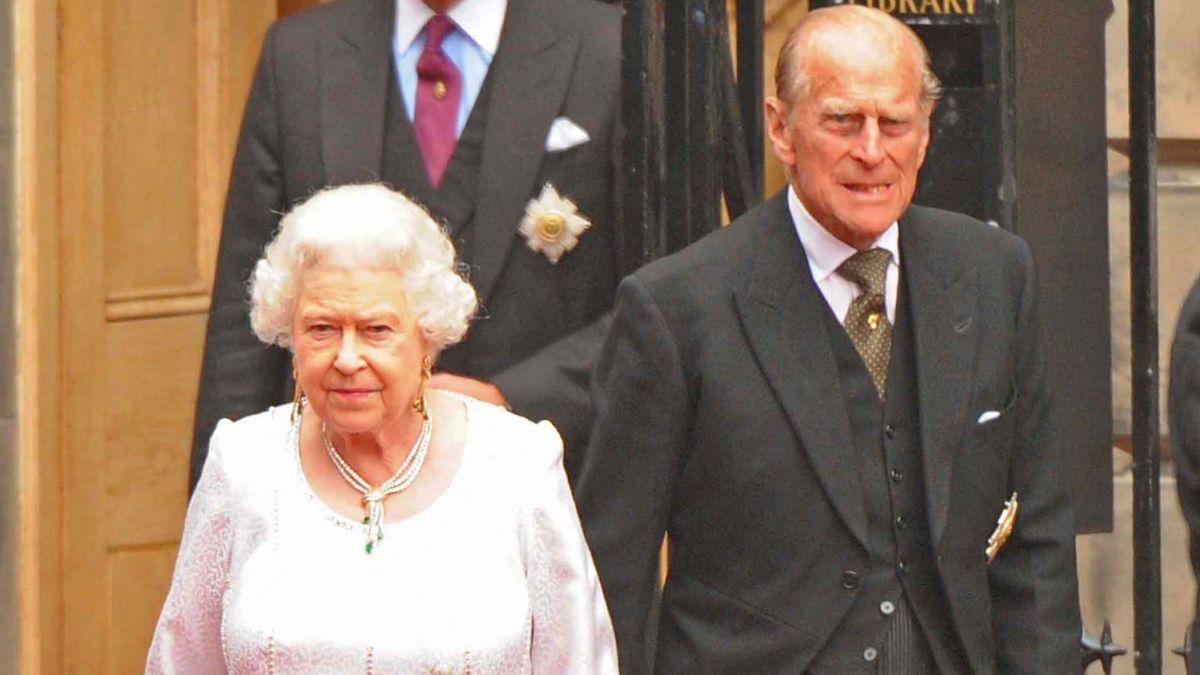
Prince Philip faced a rumored diagnosis of inoperable pancreatic cancer.
Pancreatic cancer is widely regarded as one of the most difficult cancers to treat, in part because it is often diagnosed late and tends to spread rapidly.
The most common form, pancreatic adenocarcinoma, accounts for the vast majority of cases and carries a five-year survival rate of just 5 to 10 percent.
Many patients die within months of diagnosis, even when they are otherwise healthy.
A medical source said, "The standard form of pancreatic cancer is extremely aggressive and often detected at an advanced stage, which is why survival rates remain so low despite advances in treatment.
"The pancreas is located deep within the abdomen, and early symptoms are often vague, meaning diagnosis frequently comes too late for curative intervention."
Pancreatic Cancer Survival Rate Details

Prince Philip reportedly received his cancer diagnosis many years before he passed away.
Specialists point to rarer types of pancreatic cancer that may offer a possible explanation for longer survival. Among these are pancreatic neuroendocrine tumors, which develop in hormone-producing cells and are typically slower growing.
These account for a small minority of cases but can have significantly better outcomes, particularly when detected earlier.
A source with clinical experience in cancer treatment said: "There are forms of pancreatic cancer that behave very differently – some grow slowly and can be managed over several years, even when they are not considered operable in the traditional sense.
"While still serious, these rarer tumors can allow for extended survival that would not be expected with more common pancreatic cancers."
Examples of extended survival have been documented in such cases, including high-profile patients who lived for years following diagnosis.



Never Miss an

Daily updates from the heart of Hollywood, right to your inbox
By entering your email and clicking Sign Up, you’re agreeing to let us send you customized marketing messages about us and our advertising partners. You are also agreeing to our Terms of Service and Privacy Policy.

Prince Philip continued his royal duties despite the alleged underlying illness.
However, experts caution that outcomes vary widely depending on tumor type, stage, and overall health.
Medical specialists also emphasize the difficulty of early detection, with symptoms such as abdominal pain, jaundice, weight loss, and digestive changes often appearing only after the disease has progressed.
Emerging research is focused on earlier diagnosis through screening and new treatments, though many approaches remain in development.
Our medical source said: "One of the ongoing challenges is identifying the disease before it reaches an advanced stage – by the time clear symptoms emerge, treatment options are often limited.
"There is progress being made in detection and targeted therapies, but pancreatic cancer remains one of the most challenging areas in oncology."
The claims surrounding Philip's reported diagnosis have not been independently verified, and no official medical details have been released, which one palace source admitted has reignited conspiracy theories about Philip's condition before his death.
