


EXCLUSIVE: Why Prince Harry's Latest Public Speech Shows He 'Hates Meghan Markle's Celebrity World'

Prince Harry may not be all about Meghan Markle's 'celebrity world.'
July 25 2026, Published 4:00 p.m. ET


Prince Harry's latest public speech has sparked claims he is increasingly uneasy within the celebrity-driven world surrounding Meghan Markle, and possibly hates it, after a body language expert pointed to signs of discomfort during a high-profile New York appearance, RadarOnline.com can reveal.
The Duke of Sussex, 41, attended the TIME100 Sports Gala in New York City earlier this month, where he delivered a speech in support of the Invictus Games.
Prince Harry's 'Visible Tension' At Glitzy Event

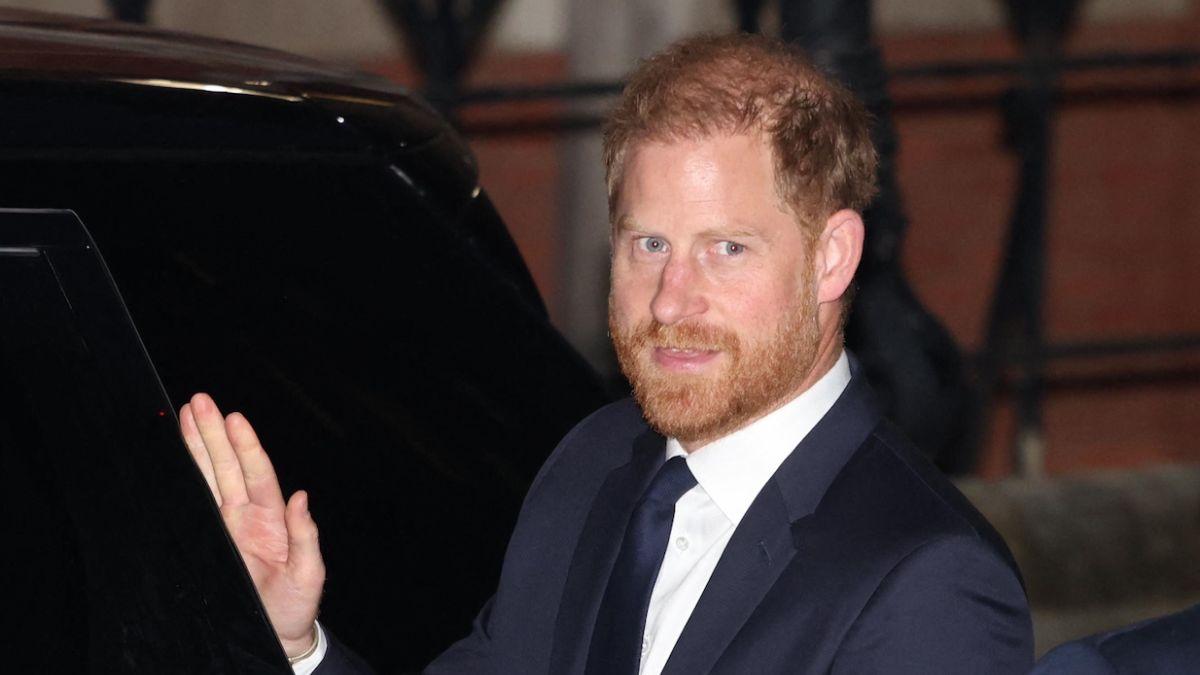
Prince Harry is believed to have seemed uncomfortable during a recent glitzy event.
The event, which drew high-profile figures including basketball player LeBron James and skier Lindsay Vonn, marked a solo outing for Harry following a period of intense activity that included a return to the UK, legal proceedings involving the press, and a reunion between his family and King Charles, 77, and Queen Camilla, 78.
Markle, 44, did not attend the gala, having recently traveled with their children.
A source familiar with the event told us: "There was a noticeable contrast between the scale of the occasion and Harry's demeanor – he appeared more restrained than many would expect at a celebrity-heavy gathering like this. He is clearly committed to the Invictus Games, but environments centered on celebrity culture do not always seem to play to his strengths, particularly when he is appearing alone.
"Without Meghan alongside him, there was a sense he was operating outside his comfort zone. It highlighted how different these public-facing moments can feel for him compared to more purpose-driven engagements.
The insider explained, "His focus remains on causes like Invictus, and when the setting shifts toward spectacle, it can create a visible tension in how he presents himself."
Body Expert on Prince Harry: 'A Lack of Confidence'
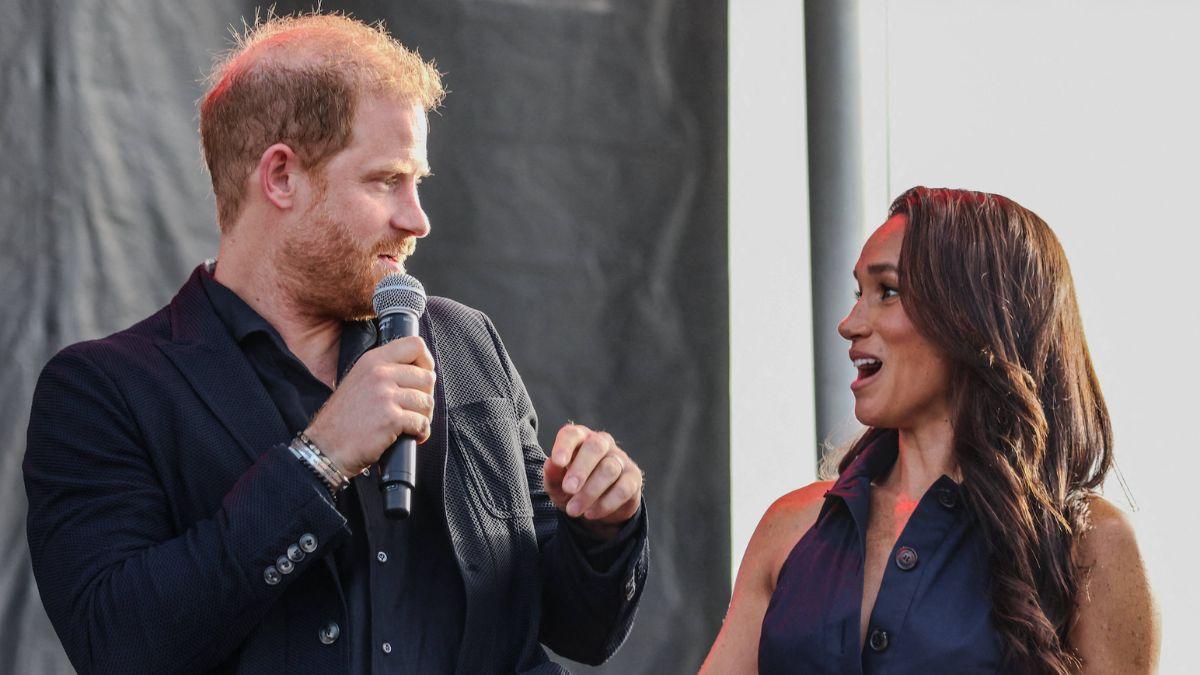
The royal appeared 'restrained' at the event without Markle.
Scott Rouse, a body language expert who has trained with the FBI, Secret Service and US Military Intelligence, analyzed Harry's appearance and pointed to several behavioral cues.
He said: "We see lip compression; this happens almost every time he finishes one of his points." Rouse added Harry's repeated movement backward on stage suggested uncertainty.
Rouse noted: "This is classic Harry giving a speech; he'll step forward as he's saying something, then he takes that big step back. That normally shows a lack of confidence; we're probably going to see that a whole lot more."
Rouse also highlighted gestures involving Harry's hands and posture.
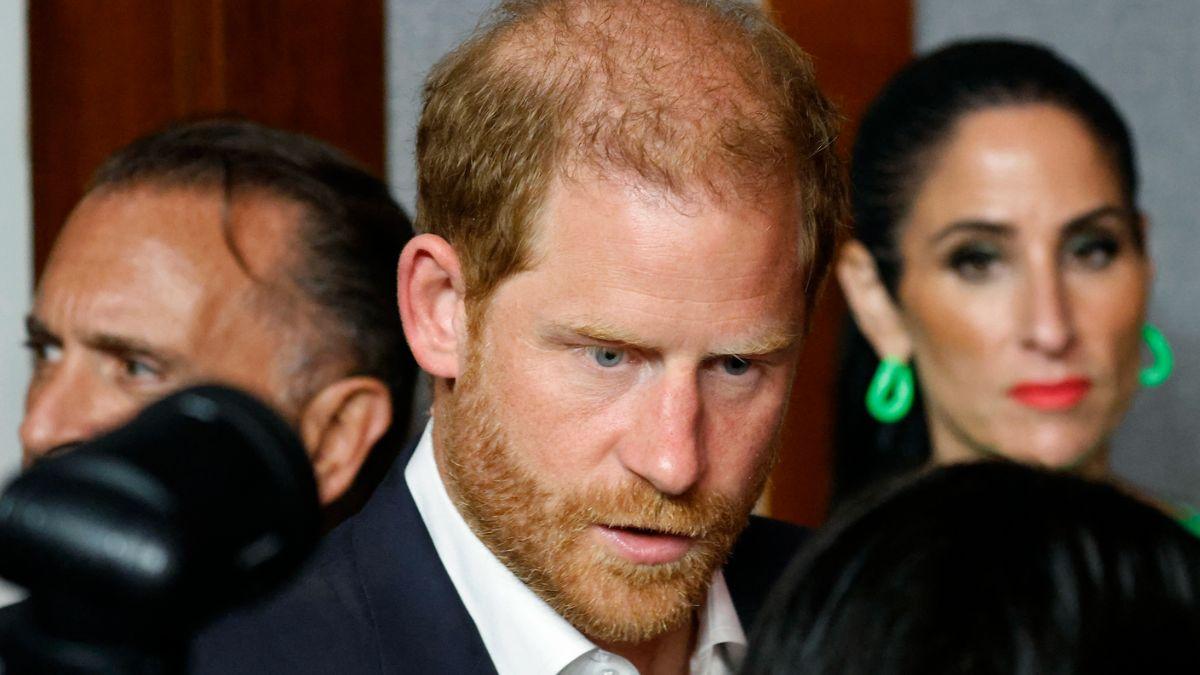
'That normally shows a lack of confidence,' a body language expert said of Prince Harry's behavior.
He explained, "He's trying to make a profound statement like the British Army made him who he is. It just looks a little bit weak to me because he just backs up."
The expert continued: "He backs up as he starts a statement and his hand goes in his pocket. When we hide our hands or thumbs, that lets everyone know that our confidence is really low."Further observations included what Rouse described as compensatory movements.
He said: "A few things going on here, you see that big kick come out. It's one of his signature moves, we've seen it plenty of times before. That suggests he's trying to show he has confidence. Confidence enough to stick his leg out there and move forward.(Harry's) elbows are close to his side – they're close to his torso. Most of the time you see that when someone is lacking confidence, like in a situation like this."

Never Miss an

Daily updates from the heart of Hollywood, right to your inbox
By entering your email and clicking Sign Up, you’re agreeing to let us send you customized marketing messages about us and our advertising partners. You are also agreeing to our Terms of Service and Privacy Policy.
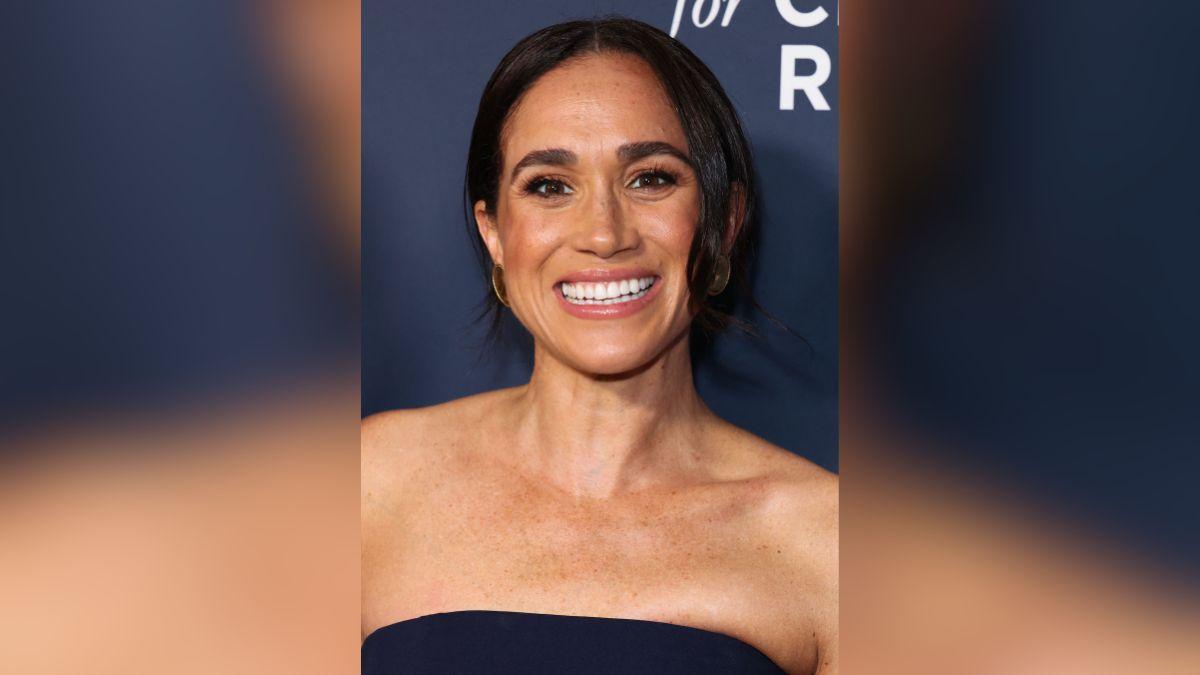
Markle appears to have no problem being at high-profile events.
Rouse also suggested Markle's absence may have had an impact, joking she could be the "secret power" behind Harry's confidence during joint appearances.
Harry and Markle's 2020 move to California – dubbed 'Megxit' – marked a decisive break from royal life, with the pair saying they were trading Windsor for Montecito in search of privacy, autonomy and better mental health for their young family.
