


EXCLUSIVE: Prince's Death 10 Years On — Radar Reveals 'Shattering' Detail in Rock Icon's Autopsy That Left His Fans Shaken to the Core
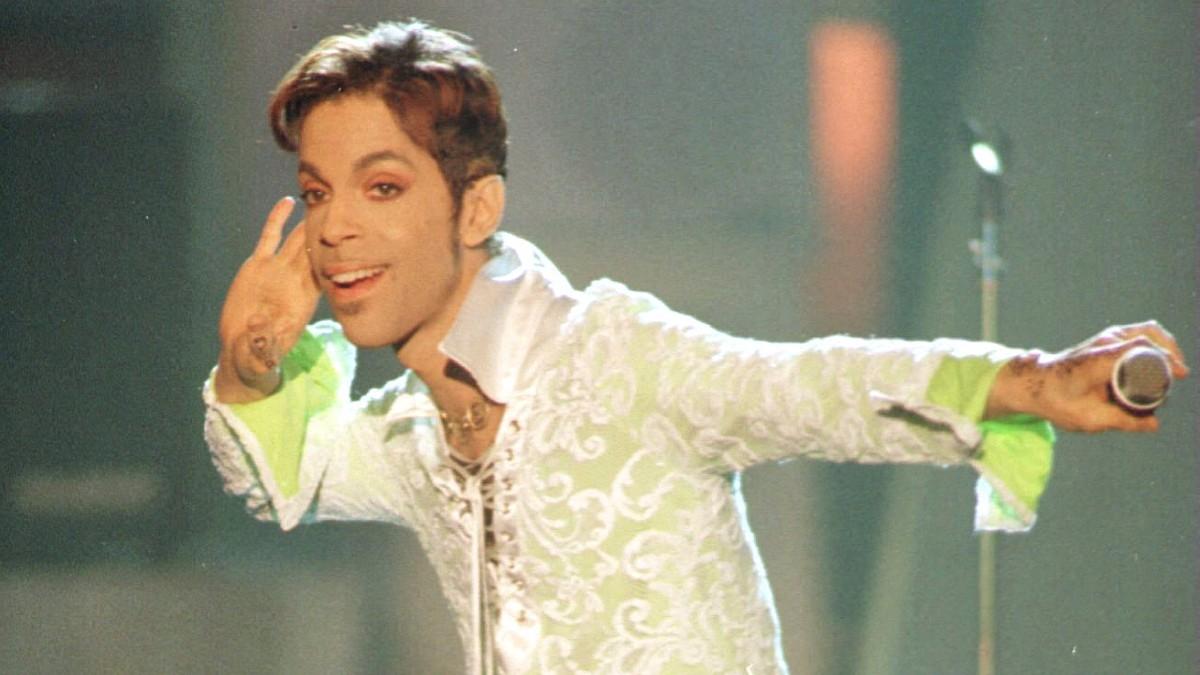
Prince died a decade ago this April, and we reveal the stark findings of his autopsy continue to reverberate, exposing a private struggle.
Jan. 21 2026, Published 7:56 p.m. ET


Prince died a decade ago this April – and RadarOnline.com can reveal the stark findings of his autopsy continue to reverberate, exposing a private struggle that stunned fans who believed the artist to be invincible.
The musician, born Prince Rogers Nelson, was found unresponsive on April 21, 2016, in an elevator at his Paisley Park estate in Chanhassen, Minnesota.
He was 57.
Official Cause of Death and the Fentanyl Revelation

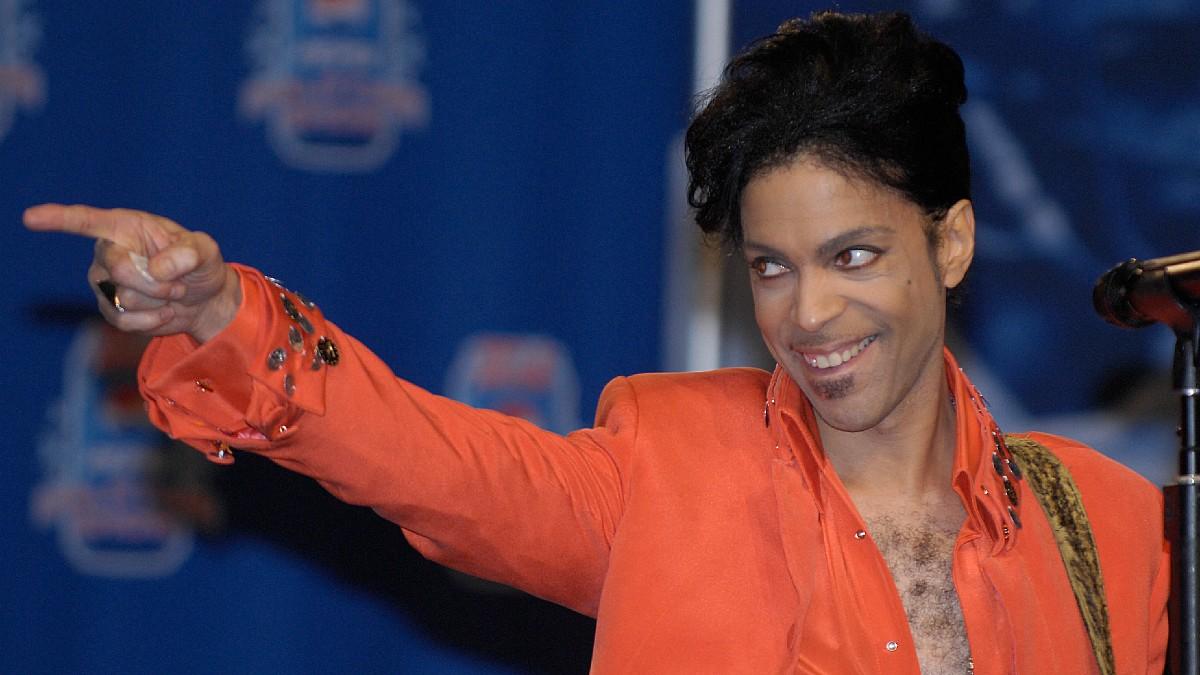
Prince died from an accidental fentanyl overdose.
After months of speculation and a protracted investigation, the official autopsy concluded the pop visionary who reshaped modern music had died from an accidental overdose of fentanyl, a powerful synthetic opioid up to 50 times stronger than heroin.
The revelation punctured the carefully guarded mystique of a performer who had spent decades projecting control, discipline and physical endurance.
Prince's death triggered a two-year inquiry that sought to understand not only how he died, but also how one of the most prolific artists of his generation came to be alone with such a lethal substance.
His body was discovered at his home studio complex, a place long associated with creative freedom and independence.
Instead, investigators uncovered evidence of a hidden battle with pain and opioid dependence.
Prince's Secret Battle with Chronic Pain and Health Issues
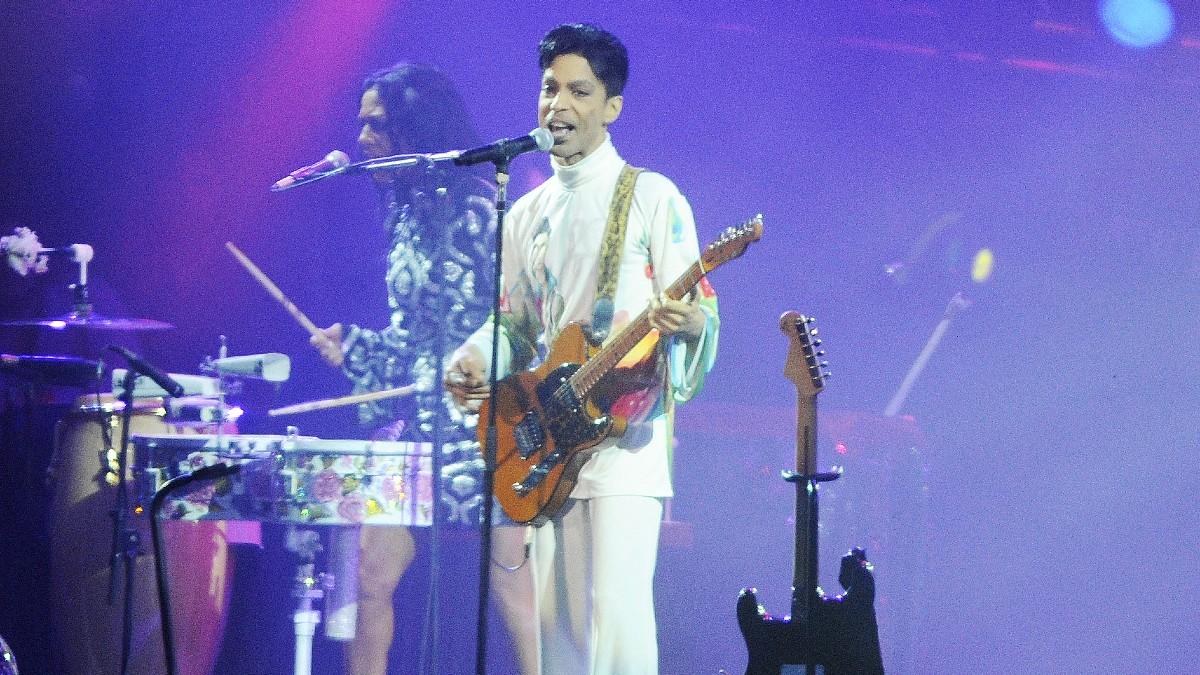
Prince was found unresponsive at Paisley Park in 2016.
According to the medical examiner, Prince had ingested fentanyl in quantities consistent with binge use.
The drug, commonly prescribed for severe chronic pain, is typically reserved for patients who have developed a tolerance to weaker opioids.
RadarOnline.com can reveal after reviewing Prince's autopsy files investigators also noted the pint-sized performer had suffered for years from debilitating hip problems and was frequently seen using a cane.
He was widely reported to have needed a double hip replacement before his passing – a procedure he allegedly declined because it could have required a blood transfusion, conflicting with his beliefs as a Jehovah's Witness.
He died just one day before he was scheduled to meet a doctor in an effort to address an opioid addiction.
A police source said at the time: "The test results beg more questions than they give answers. Although investigators have kept an open mind on what caused his death, there has been a long-held suspicion it was drugs.
"Now it has been determined it was fentanyl, the trail begins in earnest to find who supplied them. Was it through legal or illegal means? Was it a doctor or a dealer who was fueling his habit?"
The Investigation into Paisley Park and Medical Care
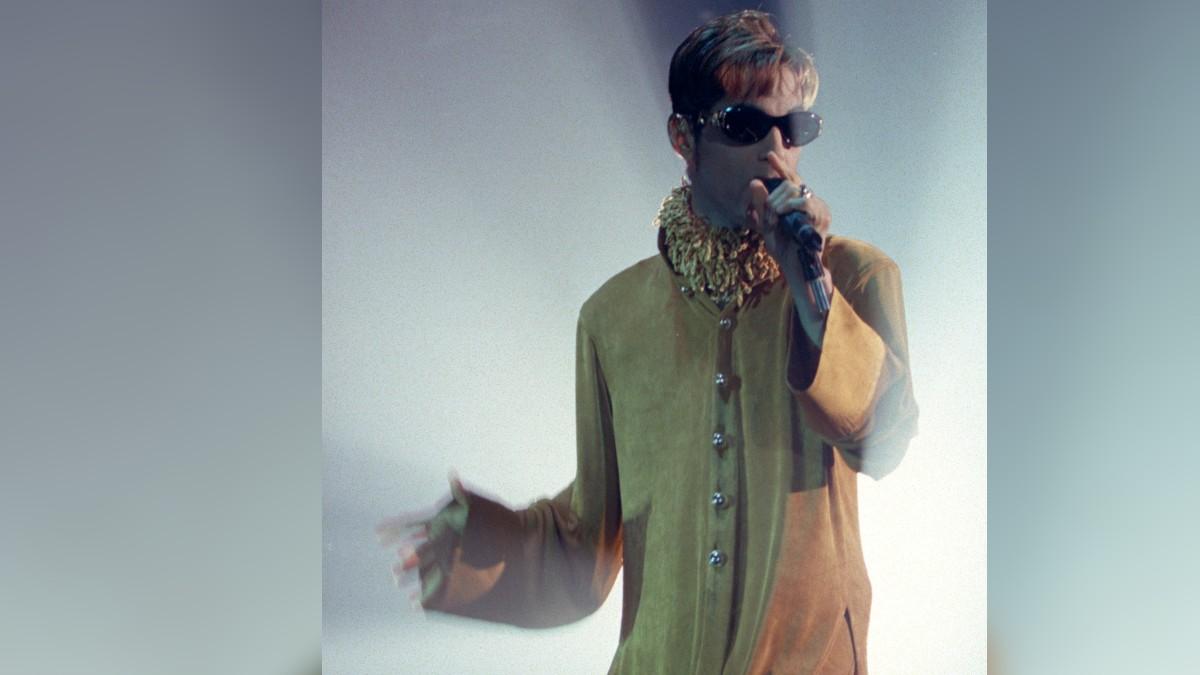
He battled severe hip pain in his final years.
A search of Prince's sprawling Paisley Park home uncovered multiple medications, prompting investigators to scrutinize the rock and funk supremo's medical care in the days leading up to his death.
Dr Michael Todd Schulenberg acknowledged treating Prince on April 20, the day before he died, and said he had written prescriptions that the singer was meant to collect from a pharmacy.
Addiction specialist Dr. Howard Kornfeld had been scheduled to see Prince on April 22, but when he was unable to attend, he sent his son, Andrew Kornfeld, instead.
It was Kornfeld who placed the 911 call after discovering Prince's body.
Despite the extensive investigation, authorities announced in 2018 no criminal charges would be filed in relation to Prince's untimely death, citing insufficient evidence to prove how the singer had obtained the fentanyl in his system or whether it had been prescribed.
Legal Settlements and Comparisons to Michael Jackson

Never Miss an

Daily updates from the heart of Hollywood, right to your inbox
By entering your email and clicking Sign Up, you’re agreeing to let us send you customized marketing messages about us and our advertising partners. You are also agreeing to our Terms of Service and Privacy Policy.

Prince’s private pain only surfaced after his death.
A civil settlement was later reached with Schulenberg, who agreed to pay a $30,000 fine and accept two years of monitoring by the U.S. Drug Enforcement Administration.
The deal did not include any admission of wrongdoing and made no reference to Prince's death.
A source close to the investigation said: "What continues to haunt people is how quietly this unfolded. Prince was still performing, still creating, still planning treatment. The autopsy showed a reality that no one outside a very small circle truly understood."
The fentanyl found at Paisley Park was the same opioid implicated in the 2009 death of Michael Jackson, drawing grim parallels between two icons whose private pain remained largely invisible until it was far too late to save them.
