


EXCLUSIVE: World's New Generation of Showbiz Billionaires Including Beyoncé and Taylor Swift Under Pressure to Use Their Cash to Fight Injustice

Beyoncé, Taylor Swift, and other wealthy stars are being pressured to use their money for good.
Jan. 6 2026, Published 7:20 p.m. ET


Beyoncé has become a focal point in a widening debate over whether the world's newest generation of entertainment billionaires will use their immense wealth to confront political and social injustice, as pressure mounts on ultra-wealthy artists to move beyond philanthropy and into overt civic action.
RadarOnline.com can reveal the scrutiny comes as a growing number of globally influential musicians cross the billion-dollar threshold, reshaping the cultural meaning of celebrity wealth.
From Pop Stardom to Billionaire Status

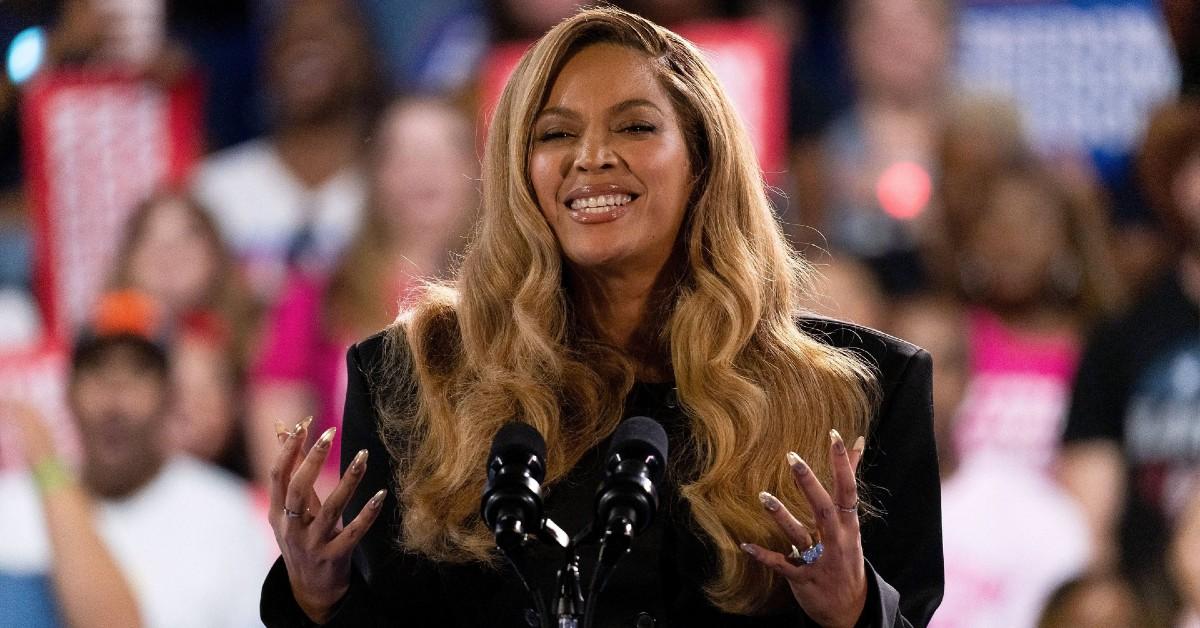
Beyoncé has become a focal point in debates about billionaire responsibility.
Beyoncé, 44, reached billionaire status in the past year through music, touring, fashion, and business ventures alongside her husband, Jay-Z.
Taylor Swift, 36, joined the ranks nearly three years ago, driven largely by the unprecedented success of The Eras Tour.
Bruce Springsteen, 76, long celebrated as a voice of the American working class, is also said to have entered the billionaire club – though he denies it – as have Rihanna and Jay-Z himself.
Beyoncé's transformation from pop star to mogul has been particularly striking given her early work.
In 1999, as a member of Destiny's Child, she sang on Bills, Bills, Bills about a partner who "couldn't pay my bills," a song that delivered the group its first Billboard No. 1 and Grammy nomination.
Now, 25 years later, Beyoncé is the most decorated artist in Grammy history and one of roughly 3,000 billionaires worldwide.
Taylor Swift’s Wealth Puts Spotlight on Expectations
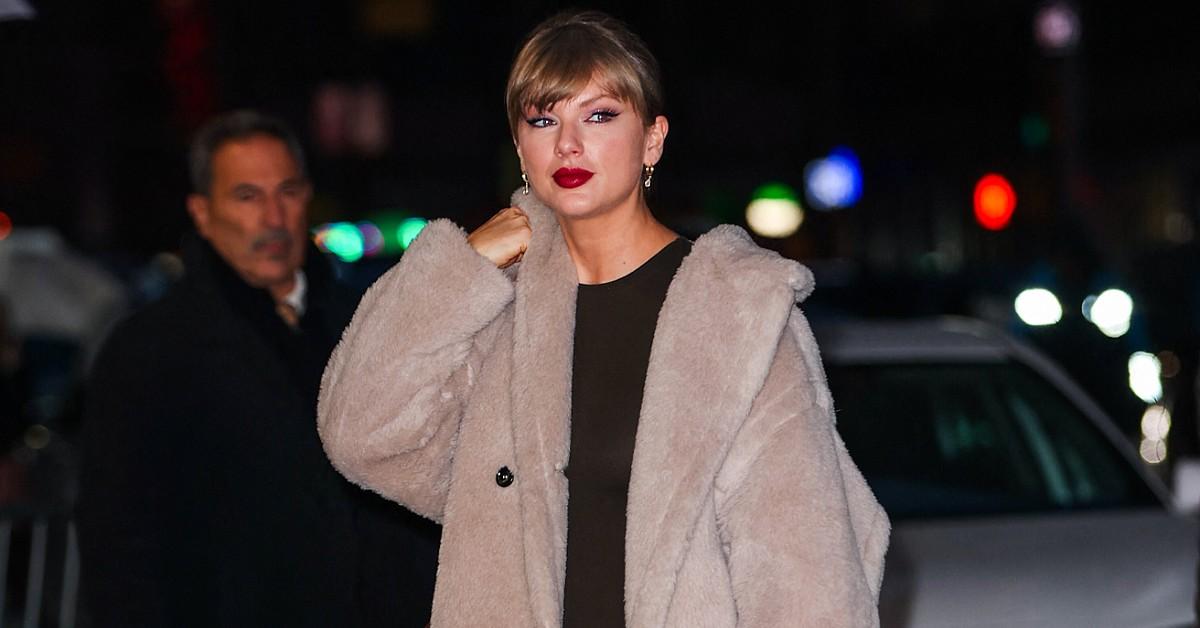
Swift joined the billionaire ranks after the Eras Tour.
Swift's wealth has drawn attention for how it has been deployed.
During her global tour, she distributed nearly $200million in bonuses to her tour staff, with truck drivers reportedly receiving $100,000 each.
Those gestures have been widely praised, but they have also sharpened questions about whether financial generosity to employees should be matched by more forceful engagement with democratic norms and civil rights
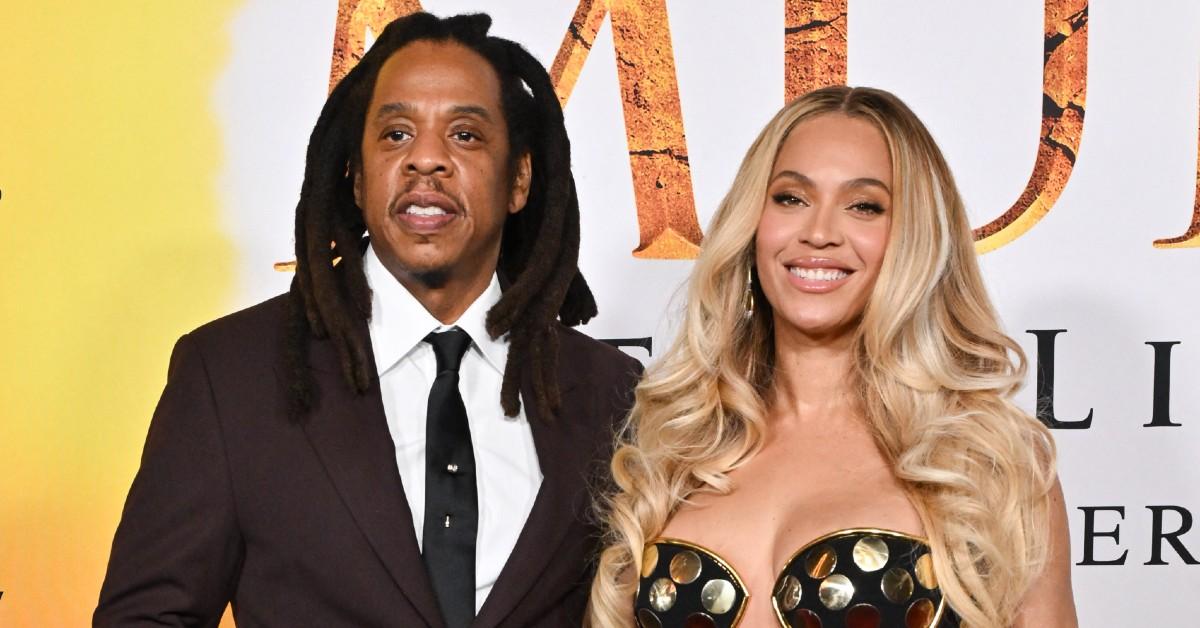
Jay-Z built billionaire wealth alongside his wife, Beyoncé.
One source close to industry discussions said the scale of modern celebrity wealth has changed expectations.
"Performers who operate at this financial scale understand that relatively small portions of their wealth could shape campaigns, safeguard access to the ballot, or support major court fights, yet many remain wary of stepping fully into the political arena," an insider explained.
The debate is unfolding against a backdrop of rising inequality.
Economists estimate the top 1 percent of the world's richest people control roughly $52trillion globally, a concentration of wealth that has intensified scrutiny of billionaires' public responsibilities.
Fans who once connected with songs about struggle, heartbreak, and injustice are now reassessing how those messages land when delivered by figures whose wealth rivals multinational corporations.
Not Pushing Back Against 'Dangers Facing Democratic Society'

Never Miss an

Daily updates from the heart of Hollywood, right to your inbox
By entering your email and clicking Sign Up, you’re agreeing to let us send you customized marketing messages about us and our advertising partners. You are also agreeing to our Terms of Service and Privacy Policy.
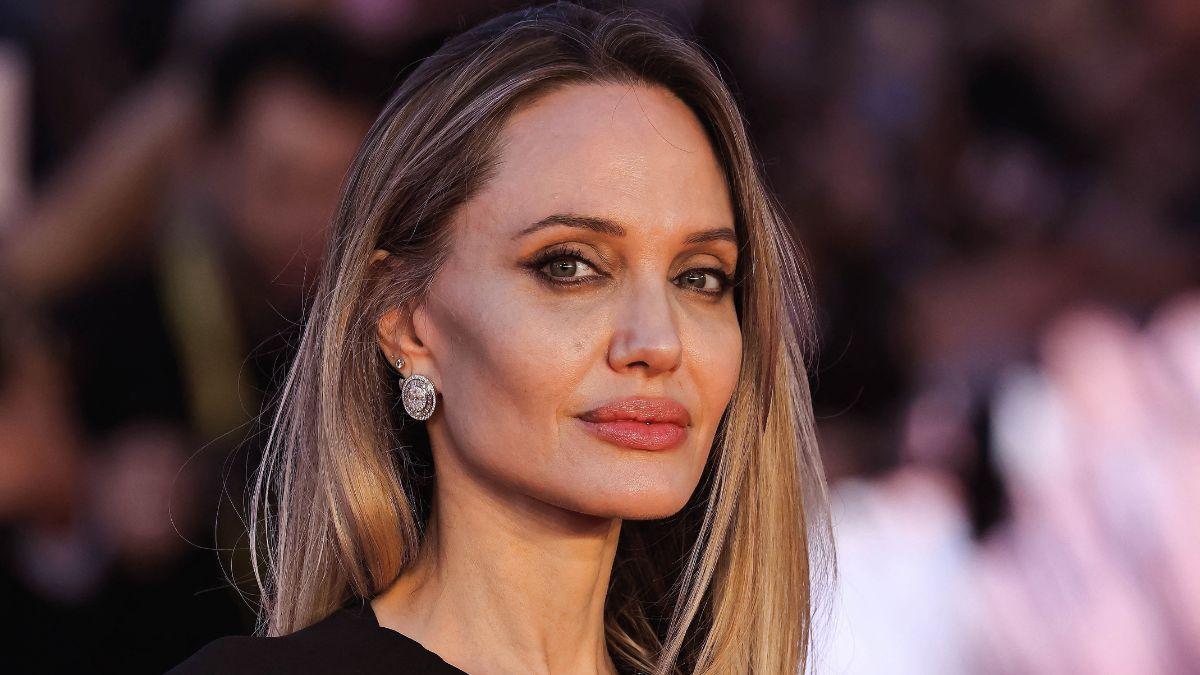
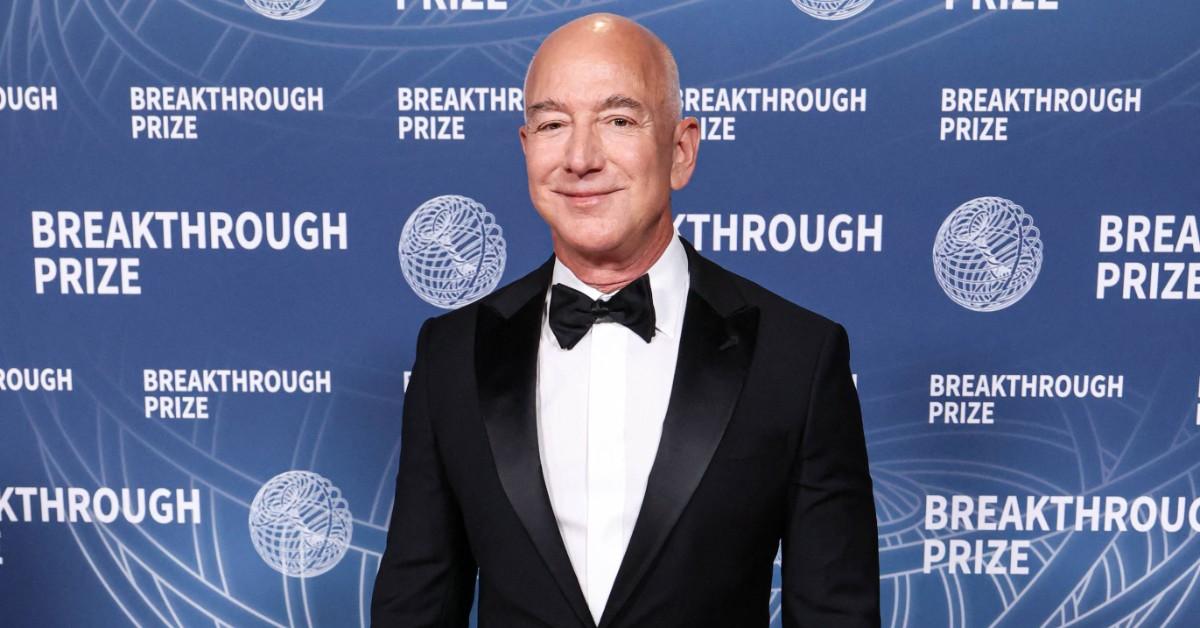
Economists have reported extreme wealth concentration among the global elite, including Jeff Bezos..
Another source said the issue is less about merit and more about opportunity.
The source said: "There is little dispute that their fortunes were legitimately built, but the sheer size of that wealth gives them an uncommon opportunity to support and shore up democratic systems at a time when those systems are visibly under pressure."
Historically, artists have often played visible roles during periods of upheaval, using platforms to challenge war, racism, and authoritarianism.
Comparisons have been drawn to earlier industrial titans such as John D. Rockefeller, who became the world's first billionaire in 1916 while employing tens of thousands of workers and operating within a sharply progressive tax system.
The modern political landscape is markedly different. Changes to campaign finance rules, including a 2010 Supreme Court ruling that expanded corporate political spending, have blurred the lines between wealth and power.
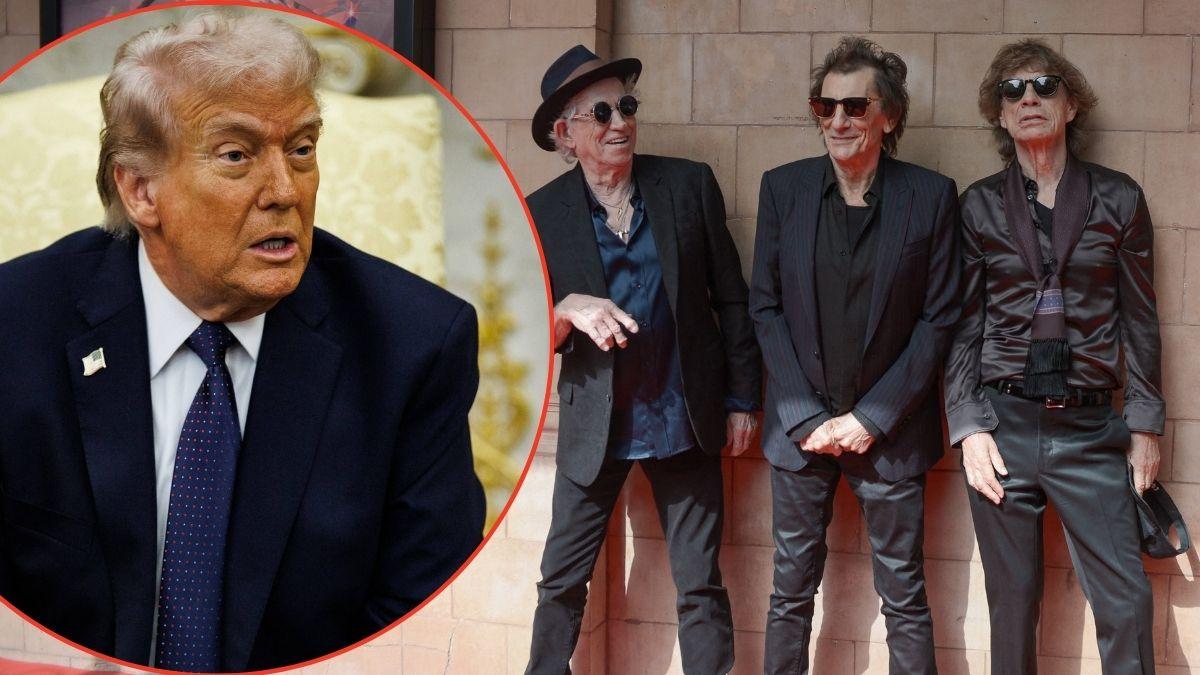
During Donald Trump's first presidency, technology executives such as Jeff Bezos and Mark Zuckerberg publicly resisted elements of the administration.
Observers note similar resistance has been less visible in recent years. A separate source said the silence of cultural elites has been unsettling.
They warned: "Many feel a deep frustration when performers once known for confronting hard truths appear hesitant to push back against dangers facing democratic society."
As Beyoncé, Swift and others maintain enormous cultural influence while amassing historic levels of wealth, uncertainty persists over whether they will use that power to actively defend fairness, civil rights and democratic values – a question now being closely followed by supporters and skeptics alike.
