


EXCLUSIVE: Matthew Perry's 'TV Nemesis' Hits Back at Critics for Dismissing His Addictions as Weakness

Matthew Perry's former TV rival has challenged critics who dismissed his addictions as weakness.
Nov. 7 2026, Published 6:00 p.m. ET


Journalist and commentator Peter Hitchens has reignited his bitter dispute with the late Friends star Matthew Perry, claiming the actor might still be alive if he had accepted his famous argument overcoming drug and alcohol problems ultimately depended on personal willpower.
RadarOnline.com can reveal the 75-year-old columnist – dubbed Perry’s "TV nemesis" – faced widespread criticism after infamously challenging Perry during a heated appearance on BBC's Newsnight in December 2013.
Television Confrontation And Debate Over Addiction As A Disease

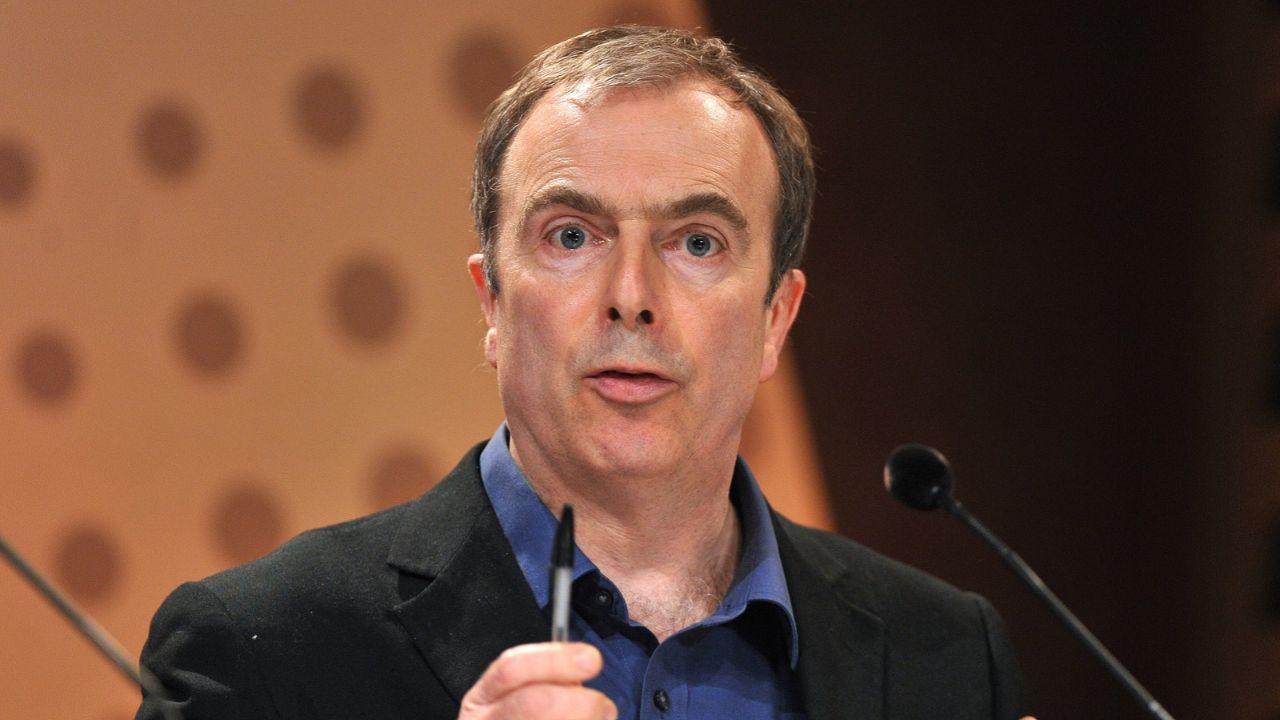
Peter Hitchens reignited his controversial feud with late actor Matthew Perry.
Perry, who died aged 54 in October 2023, had spoken openly about his struggles with addiction and was campaigning for greater use of specialist drug courts in Britain.
On Newsnight, he claimed addiction was a disease and an "allergy" of the body and mind that kicked in after one drink was taken.
The pair clashed when Hitchens asked questions including: "What is this allergy?"
Writing in a fresh defense of his position, Hitchens said: "My crime, before the court of modish public opinion, was to say that (Perry) could, if he wished, stop taking the drugs which wrecked his life and eventually killed him."
The pair's extraordinary television confrontation came during a debate about specialist courts, which can involve former addicts working as lay magistrates on cases involving drug-related offending.
Perry, then 44, argued such courts could help people recover and reduce repeat offending. Hitchens, who was 62 at the time, rejected the idea addiction removed an individual's ability to choose whether to take drugs or drink alcohol.
Perry challenged Hitchens' description of addiction as a fantasy, telling him it was "as ludicrous as saying Peter Pan is real." The exchange became increasingly hostile, with Perry also urging the columnist to read up on the subject of addiction.
Peter Hitchens Defends Standpoint Following Matthew Perry's Death

Perry challenged Hitchens during a heated debate about addiction on 'Newsnight.'
Hitchens now said the reaction to his position has intensified since Perry's death, with critics accusing him of being cruel and unfeeling. He argues treating people as powerless in the face of addiction risks encouraging further drug use.
Hitchens wrote he had deliberately risked public hostility because he believed personal resolve was central to resisting drugs and alcohol.
The columnist also recalled Perry's sense of humor and quick wit, saying he had rather liked the actor despite their confrontation. And he expressed sympathy for the loss suffered by Perry's family and friends.
Perry later revisited the encounter in his memoir, Friends, Lovers, and the Big Terrible Thing, describing Hitchens as a "complete tool."
Hitchens argues the actor had received extensive support and treatment, including spending millions on rehabilitation, but says the approach had failed to save him.
He also cites people he knew who gave up smoking or alcohol after being warned by doctors that continuing could kill them.
And he points to US soldiers who used heroin during the Vietnam War, arguing many stopped after returning home.
His claims remain sharply at odds with the medical understanding of substance use disorders, which recognises that addiction can involve powerful changes in brain function and is not simply a question of willpower.
Willpower Argument And Netflix Series Backlash
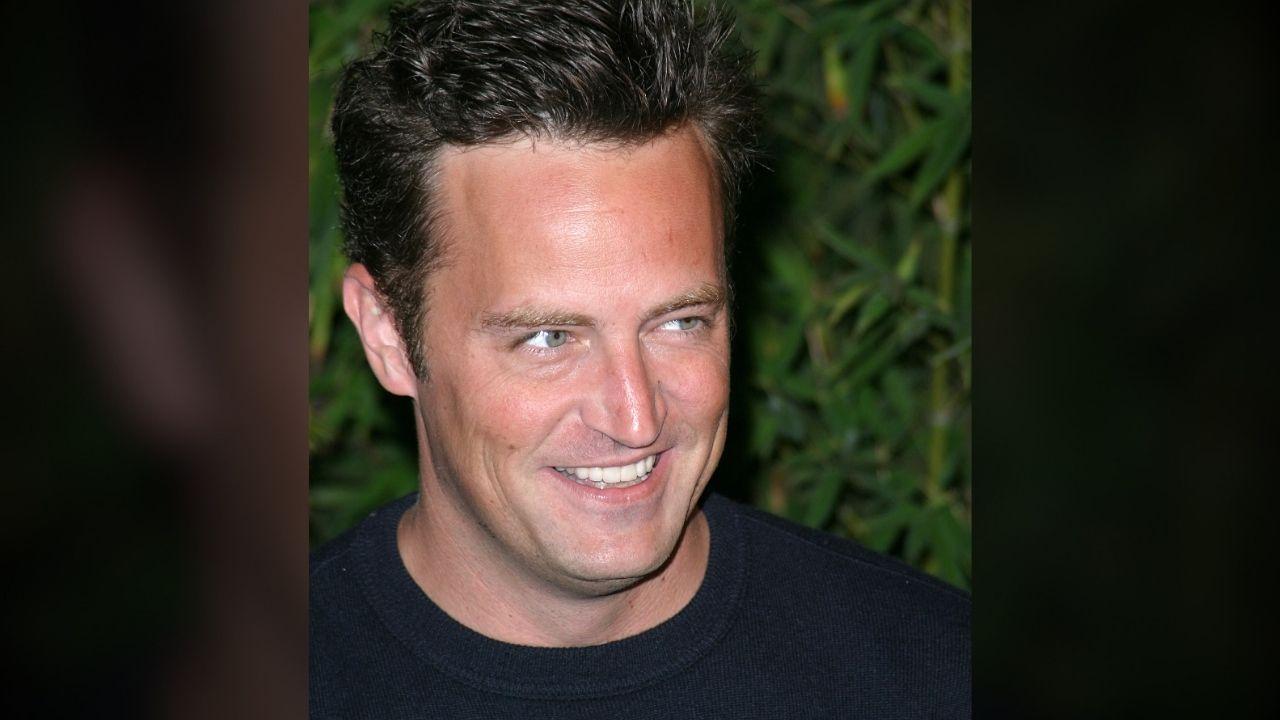
The columnist recalled Perry's humor and quick wit despite their public clash.
Hitchens wrote: "Anti-social media are infested with articles and remarks about how cruel and unfeeling I was. A new Netflix series on Mr Perry's sad life will make this worse.
"I have now decided to say to his supporters that he might now be alive if he had listened to me.
"I do not mean to be hurtful. But the best defence against drugs and drink is human will. That was why I took a deep breath and risked years of loathing and derision."
He also said about his meeting with Perry: "Though he was rude and dismissive to me (I am used to that), I rather liked him. He had a sense of humour and a quick wit. He could take it as well as dish it out. If I could have spoken to him away from his Presidential-sized entourage, I think we might have got somewhere."
But he stressed about his belief when it came to addiction: "During the Vietnam war, 60 years ago, more than 60,000 US soldiers became 'addicted' to heroin. When they got home, all but about 3,000 gave up without difficulty.
"I'll say it again. Telling people they are powerless to stop poisoning themselves is not a good, kind or generous act. Now you can yell abuse at me again."
Matthew Perry Career Legacy And Advocacy Work

Never Miss an

Daily updates from the heart of Hollywood, right to your inbox
By entering your email and clicking Sign Up, you’re agreeing to let us send you customized marketing messages about us and our advertising partners. You are also agreeing to our Terms of Service and Privacy Policy.
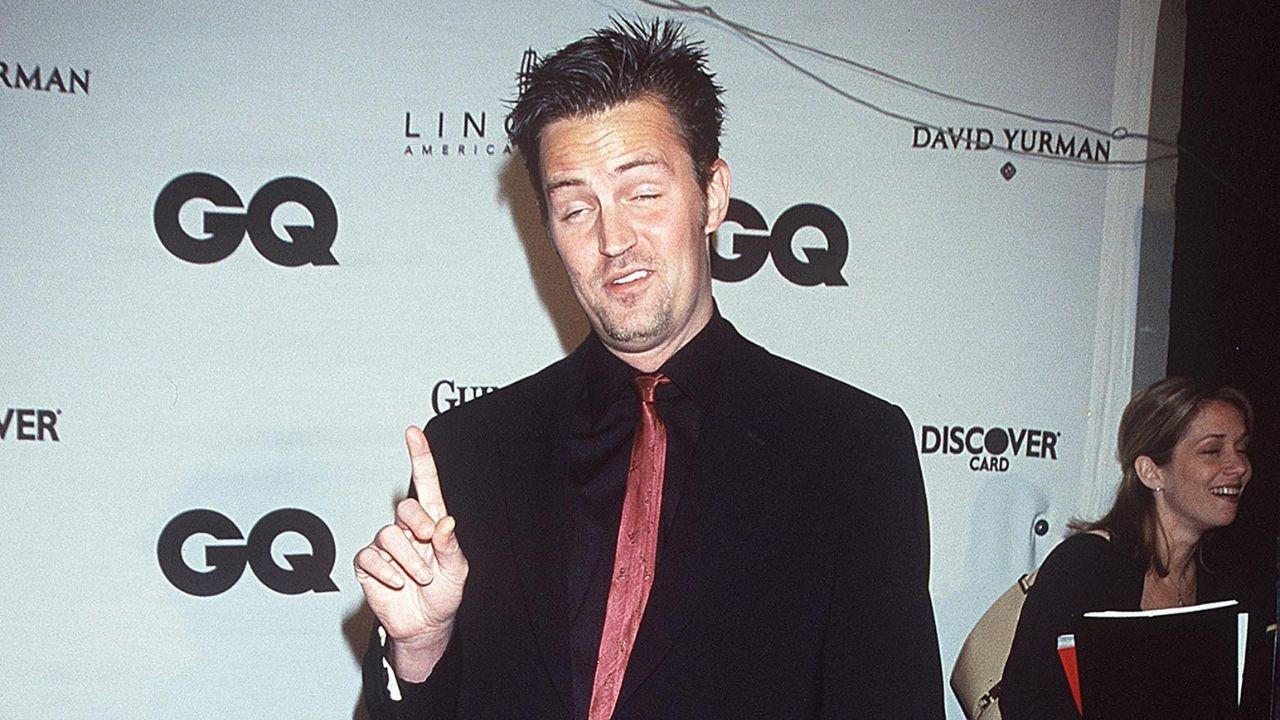
The 'Friends' star died aged 54 after years of publicly discussing his struggles.
Perry was born in Massachusetts in 1969 and raised largely in Ottawa, Canada, where he became a highly ranked junior tennis player before pursuing acting.
His breakthrough came in 1994 when he was cast as wisecracking Chandler Bing in Friends, becoming an international star across the sitcom's ten seasons. The role earned him an Emmy nomination, while performances in The West Wing and The Ron Clark Story brought further recognition. His film credits included Fools Rush In and The Whole Nine Yards.
Perry also became an advocate for addiction recovery and published his memoir in 2022 before his death a year later.
