


EXCLUSIVE: Marilyn Monroe's Secret Drug Addiction Shocker — Experts Blame Agonizing Medical Condition for Bombshell's Deadly Pill-Popping

Marilyn Monroe may have been quietly suffering from a medical condition.
June 2 2026, Published 4:45 p.m. ET


Marilyn Monroe's hidden battle with a debilitating medical condition may have played a devastating role in the drug dependency that overshadowed the final years of the Hollywood icon's life, RadarOnline.com can reveal.
The devastating theory is held by experts we consulted who are examining the star's private struggles.
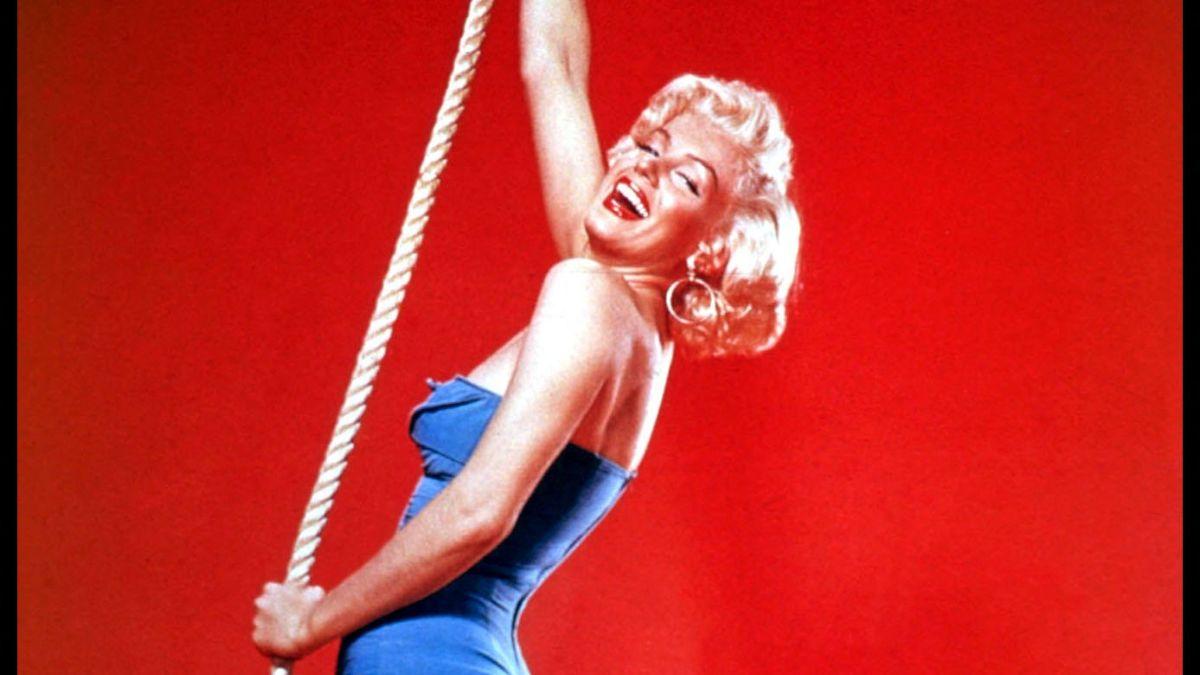
Monroe endured years of severe endometriosis.

Monroe, who died aged 36 in 1962 and would have turned 100 on June 1, remains one of the most famous figures in movie history.
Celebrated for her performances, glamour, and highly publicized relationships, she also endured years of severe endometriosis – a painful disorder in which tissue similar to the lining of the uterus grows outside the womb.
The condition was poorly understood during her lifetime, and experts said the lack of effective treatment contributed to chronic pain, repeated hospitalizations, fertility problems, and an increasing reliance on powerful medication.
Brutal Truth of Marilyn Monroe's Medical Nightmare
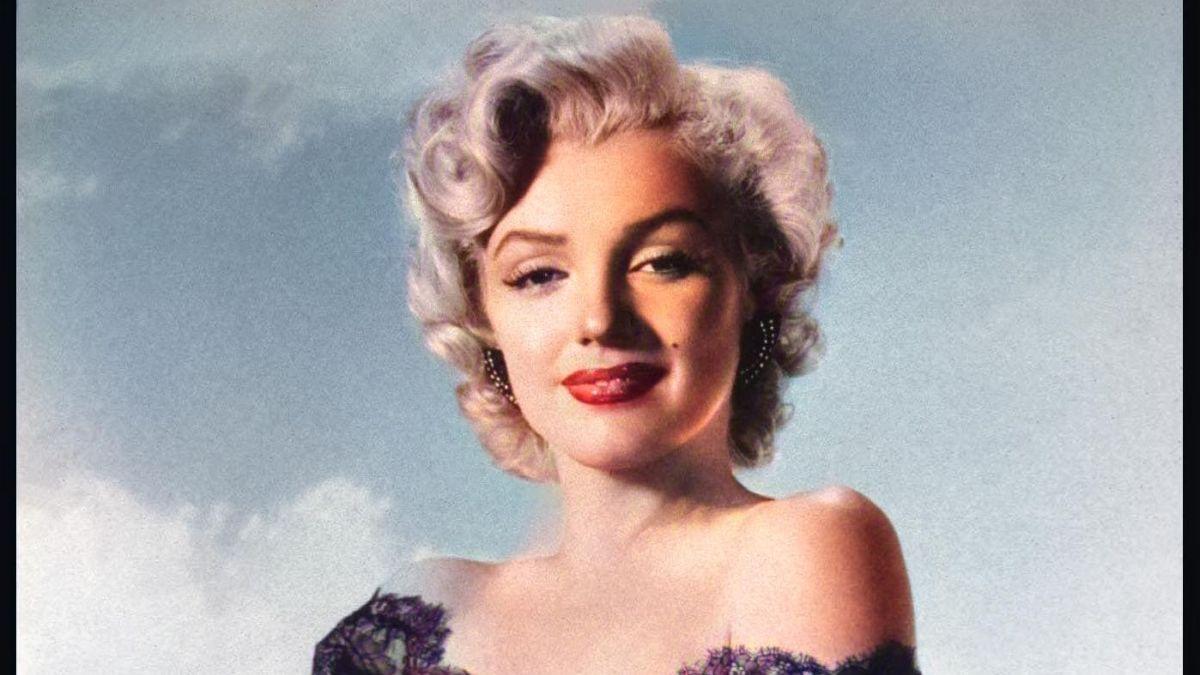
The disease destroyed her marriages and career.
Anthony Summers, author of the 1985 biography Goddess: The Secret Lives of Marilyn Monroe, wrote about Monroe's fight with the agonizing condition: "(It) was so severe that it destroyed her marriages, her wish for children, her career, and ultimately her life. In days before effective conservative surgery or effective medical therapies, it led to progressively increasing use of strong analgesics, tranquilisers and hypnotics – and drug dependency."
Bryan Johns, president and chief executive of the ICON Collection, which contributed extensively to the exhibition Marilyn Monroe: Hollywood Icon at the Academy Museum of Motion Pictures, said Monroe's health battles were frequently dismissed.
He said: "She had terrible, debilitating endometriosis and was hospitalized and under medical supervision for that condition throughout her life. Although she had communicated her health issues to the studio, oftentimes the studio would refute this and accuse her of making it up in order to try and keep her under their control – defining the narrative to the gossip columnists."
And a source familiar with Monroe's medical history told Radar: "What people often interpreted as unreliability or emotional instability was, in many cases, linked to severe pain and the medications she relied upon to cope with it. It basically caused her to become a tablet junkie."
Another Monroe historian said, "The tragedy is that she was living in an era when women were expected to suffer in silence. The treatments available were limited, and dependency on prescribed drugs became increasingly common for patients with chronic conditions."
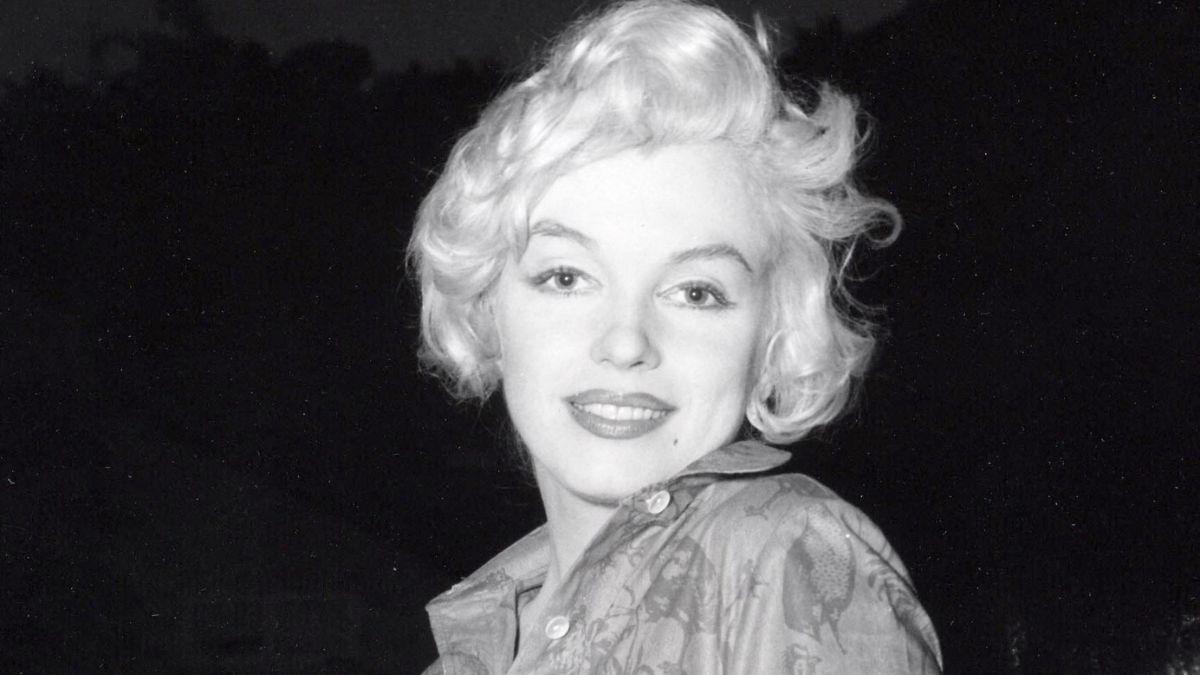
Norma Jeane created the iconic character of Marilyn Monroe.
According to the Mayo Clinic, endometriosis affects more than 11 percent of women in the United States.
Monroe was described in a 2008 paper published by the National Library of Medicine as "one of the most famous sufferers from endometriosis."
The condition also compounded Monroe's heartbreak over her inability to have children.
Having spent her childhood in orphanages and foster homes before being discovered as a model at 18, she longed to create a family of her own.
Johns added: "She worked extremely hard at creating 'Marilyn Monroe' which was a character for her; it was 'Marilyn Monroe' that would play the part in the film, Norma Jeane playing Marilyn Monroe playing the part. People who worked with her – directors, producers, studio executives – said they'd never seen another actor who worked harder than she did, wanting to 'be ready' for any opportunities that might come her way."

Marilyn Monroe 'Always Talked of Having a Son'

Never Miss an

Daily updates from the heart of Hollywood, right to your inbox
By entering your email and clicking Sign Up, you’re agreeing to let us send you customized marketing messages about us and our advertising partners. You are also agreeing to our Terms of Service and Privacy Policy.
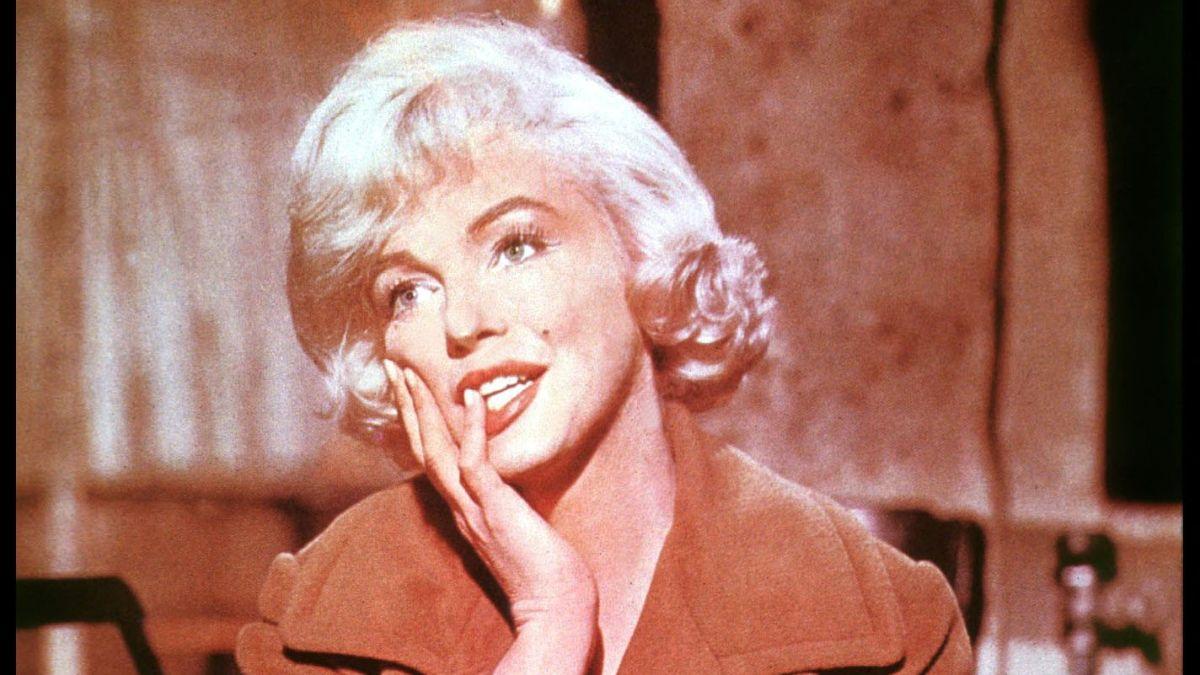
Monroe always believed she would have a son.
Summers also cited Monroe's longtime physician, Dr. Lee Siegel, who confirmed her painful diagnosis.
Family friend and stylist Amy Greene recalled doctors suggested a hysterectomy because of Monroe's suffering.
Greene said: "Marilyn was emphatic. She said, 'I can't do that. I want to have a child. I'm going to have a son.'
"She always talked of having a son."
Although Monroe never had children, she formed close relationships with her stepchildren during her marriages.
In her final interview, conducted shortly before her death, she reflected on those bonds and the importance of being understood beyond the myths still surrounding her celebrity.
