


Last Man to See JFK Jr. Alive Recalls 'Deep Concern' Watching Him Board Plane Before Deadly 1999 Crash — 'I Hope He Doesn't Kill Himself Someday in That Airplane'

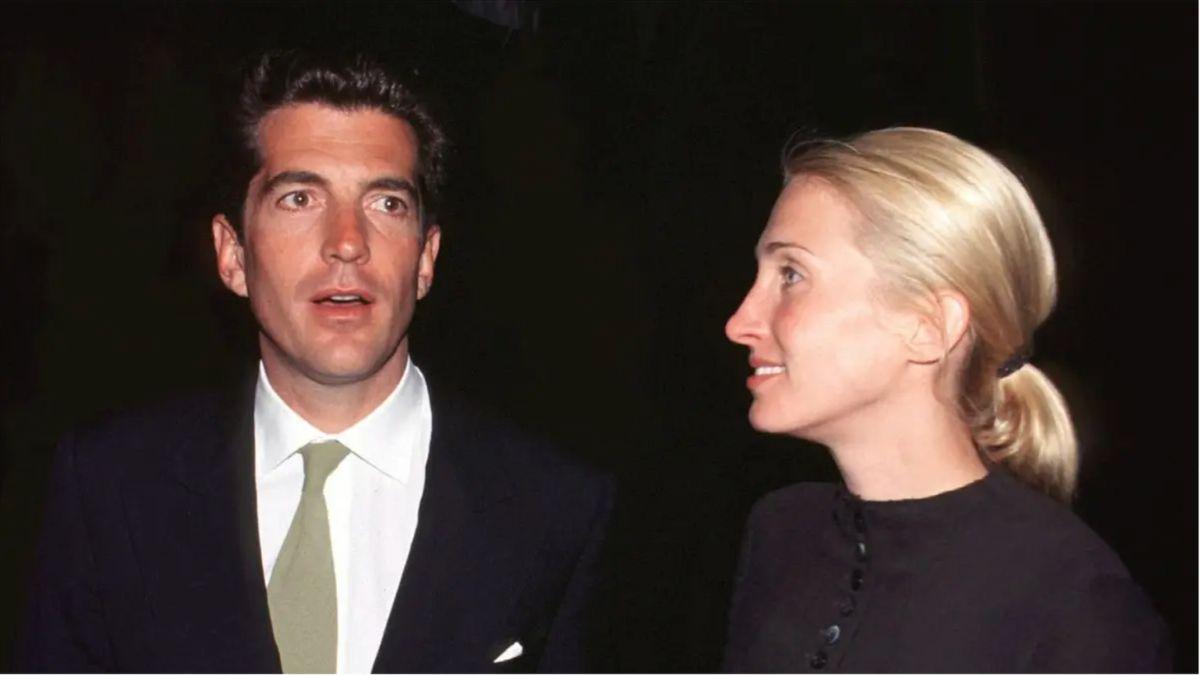
Pilot Kyle Bailey recalls seeing JFK Jr. before the 1999 plane crash that killed him, Carolyn Bessette Kennedy and Lauren.

March 14 2026, Published 2:20 p.m. ET


The last person known to have seen John F. Kennedy Jr. before his fatal plane crash said he still remembers the uneasy feeling he had that night, RadarOnline.com can reveal.
Fox News' pilot and aviation analyst, Kyle Bailey, recalled watching Kennedy, along with his wife Carolyn Bessette Kennedy and her sister Lauren Bessette, prepare for their flight on July 16, 1999.
At the Airport

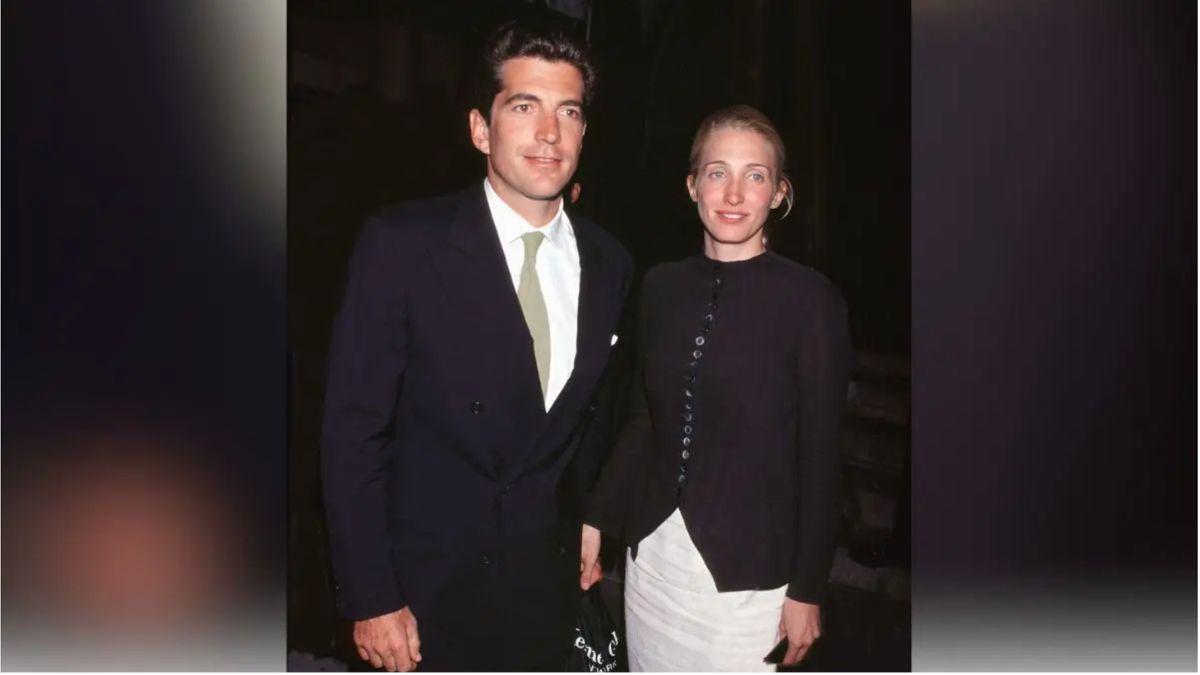
Bailey said the weather that night was 'hazy, hot and humid,' making visibility difficult for pilots.
Bailey, who was also planning to fly to the island that evening, said the weather gave him pause in his new book "Witness: JFK Jr.'s Fatal Flight."
"I've seen John do that trip many, many times," Bailey said. "It was just a typical Friday night. I planned on making two flights, an earlier flight in the afternoon, which I did for about an hour, just to go up for a spin. And then the nighttime flight was longer. It was, as we say in aviation, the three H's — hazy, hot and humid. Your typical New York City July day and evening."
Bailey, who was 25 at the time, was at Essex County Airport in Caldwell, New Jersey, when Kennedy arrived.
According to Bailey, nothing about the scene initially seemed unusual. JFK Jr. even passed him briefly while grabbing a quick snack.
'Hot, Hazy, and Humid' Conditions
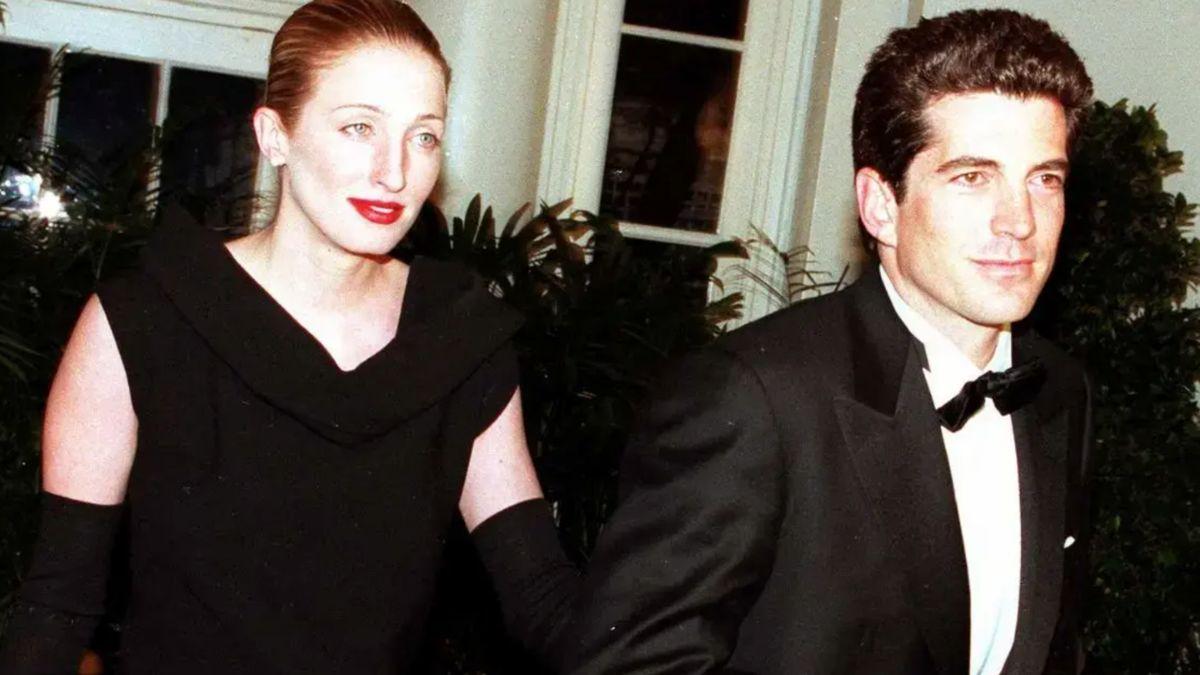
The aviation analyst ultimately cancelled his own trip to Martha's Vineyard due to the conditions.
But after Bailey completed a short afternoon flight, he said the conditions began to deteriorate.
"From my experience, I sensed that, based on those conditions, there probably would be reduced visibility that night up in Martha's Vineyard," Bailey explained. "It didn't mean I was going to cancel my trip right then, though."
Still, the more he monitored the weather, the more uneasy he became.
"I decided that night to cancel the flight," he said. "I was mad, but it was the right decision for me."
"I was noticing that the temperature and dew point, those spreads were getting closer and closer," he explained. "In weather, what that means is, there's a very high probability of ground fog developing. In John's case, perhaps he wasn't told that or didn't know. You really can't fault him for that, for what he doesn't know or what he wasn’t told."
"I knew from experience on those very hot, hazy, humid summer nights, fog and low visibility could be a problem, especially flying over water," Bailey said. "In John's case, especially at nighttime, he was planning on leaving after I was going to. It would've been more challenging for a VFR pilot with hazy, hot, humid conditions, a partial horizon, and now, on top of that, total darkness."
"For a VFR pilot at night, when you lose that horizon, it's like jumping off the edge of the earth into a complete sea of darkness," he added.
A Chilling Remark
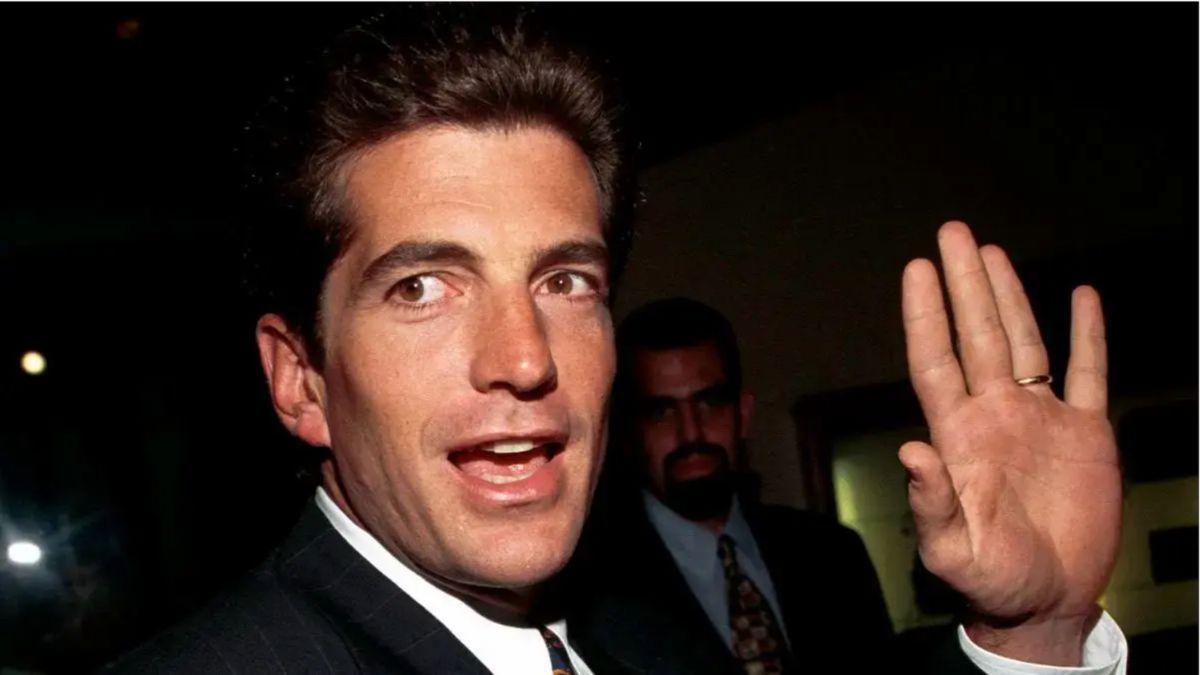
Hours later, news broke that Kennedy's Piper Saratoga had gone missing over the Atlantic Ocean.
Despite his reservations, Bailey said he watched as Kennedy finished his pre-flight checks and took off around 8:38 p.m.
Later that evening, the uneasy feeling lingered.
"I went home to my mother that night and said something to the effect of, 'I just saw JFK Jr. at the airport. I hope he doesn't kill himself someday in that airplane,'" Bailey recalled.
"That Piper Saratoga was a new airplane for him. It was complex and high-performance, unlike his older airplane, which he had just sold. I really hoped he had his instructor with him. I was just concerned for him. Was it a premonition? Possibly. But it was more of a deep concern for John and the two others," he recalled.
"I wasn't sure if he had an instructor aboard the airplane," he said. "After the tragedy, a lot of people would come up to me and say, 'Why did you let him take off? Why didn't you say something?' The answer is, I didn't know who was on the plane with them."
"I saw the three of them board the plane, but since I wasn't fixed on that plane the entire time, I wasn't sure if an instructor walked over there. That's why I didn't say anything. I just hoped he had an instructor with him. The conditions weren't horrible, but they weren't great," he said.
Unimaginable Tragedy

Never Miss an

Daily updates from the heart of Hollywood, right to your inbox
By entering your email and clicking Sign Up, you’re agreeing to let us send you customized marketing messages about us and our advertising partners. You are also agreeing to our Terms of Service and Privacy Policy.
Investigators later concluded the crash was caused by spatial disorientation during a nighttime descent.
The following morning, Bailey checked in on the weather again, wondering if he might fly that day instead. But news quickly broke that a Piper Saratoga had been reported missing.
"I immediately recognized the color of the Saratoga and the tail number," he said. "I was hoping, praying that maybe he turned back or was in Martha's Vineyard on the ground."
"I remember I told my family, 'If this airplane is not found within two hours, he is probably a goner, along with the other two on the plane.' I assumed the worst, but hoped for the best that there was maybe even a slim chance somebody might be found alive. But in the back of my mind, I knew that was pretty much not going to happen."
Five days later, wreckage from the aircraft was discovered on the ocean floor, along with the bodies of JFK Jr., 38, Carolyn, 33, and Lauren Bessette, 34.
Investigators later concluded that the crash was likely caused by spatial disorientation after Kennedy lost control of the plane during a nighttime descent over water in hazy conditions.
